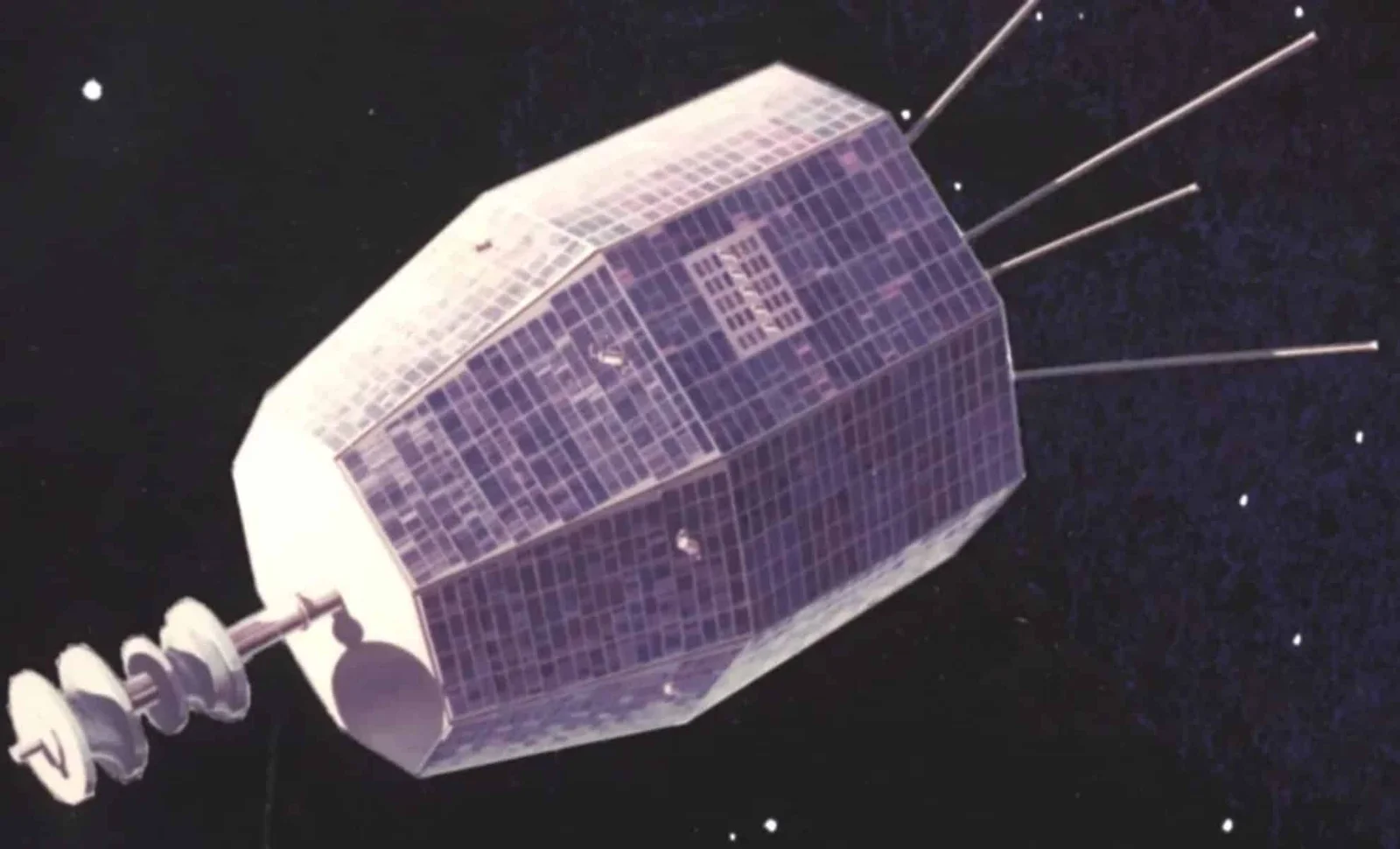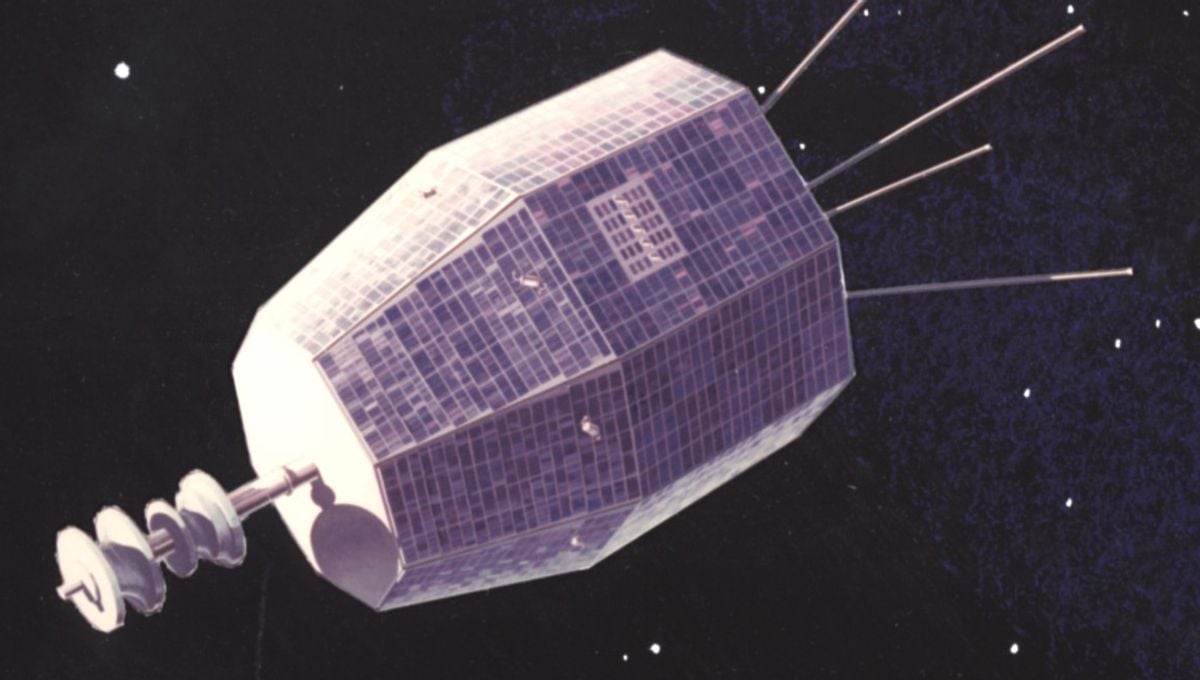
A dormant NASA satellite, Relay 2 launched in 1964, unexpectedly emitted a powerful radio pulse in June 2024, likely caused by a micrometeorite impact or electrostatic discharge, highlighting the importance of advanced radio telescopes and improved satellite resilience.
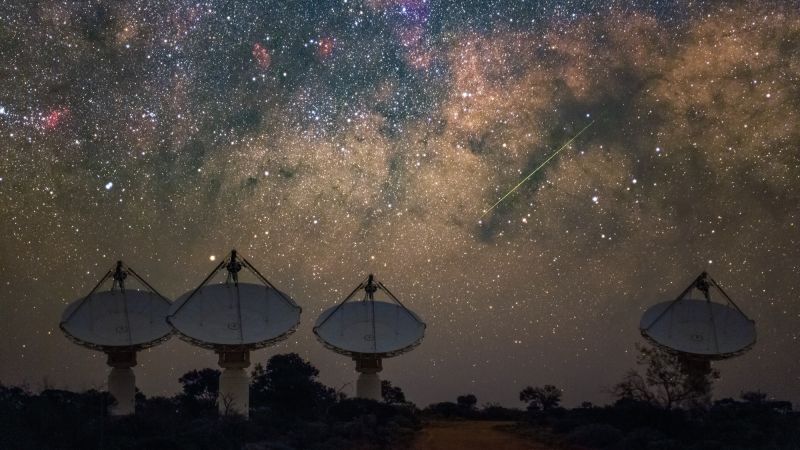
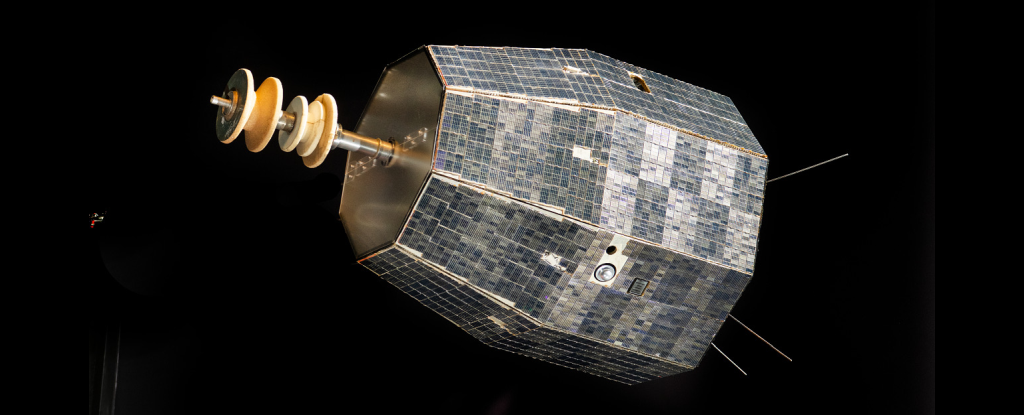
Astronomers in Australia detected a powerful radio signal near Earth, initially thought to be from an astronomical source, but later identified as a static electricity discharge from the long-dead satellite Relay 2, highlighting issues with space debris and the challenges it poses to astronomical observations.
Astronomers in Australia detected a powerful radio signal near Earth, initially thought to be from an astronomical source, but later identified as likely originating from static electricity buildup and discharge on an old, dead satellite (Relay 2) launched in 1964, highlighting challenges posed by space debris and the need for careful analysis to distinguish man-made signals from cosmic phenomena.
Astronomers in Australia detected a powerful radio signal near Earth, initially thought to be from an astronomical source, but later identified as a static electricity discharge from the old satellite Relay 2, highlighting issues with space debris and the challenges it poses to astronomical observations.
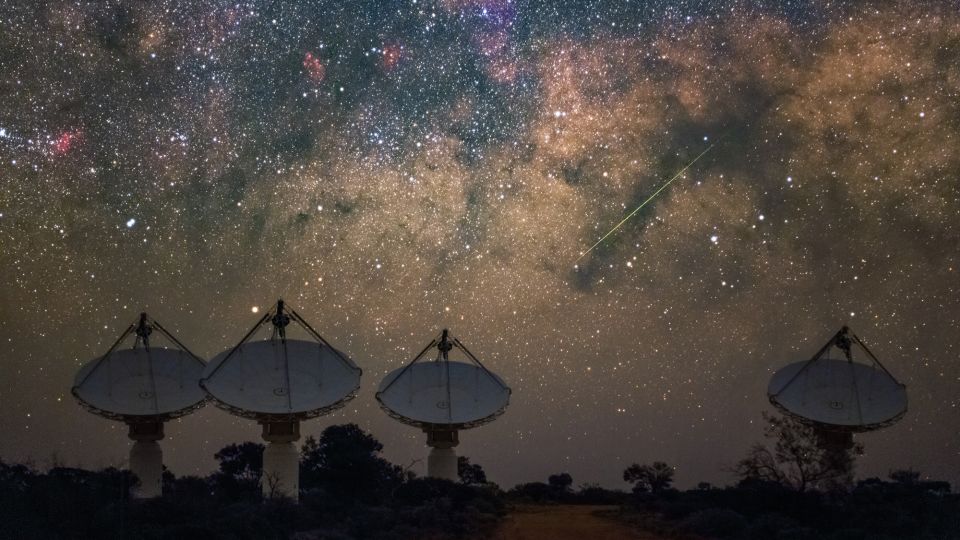
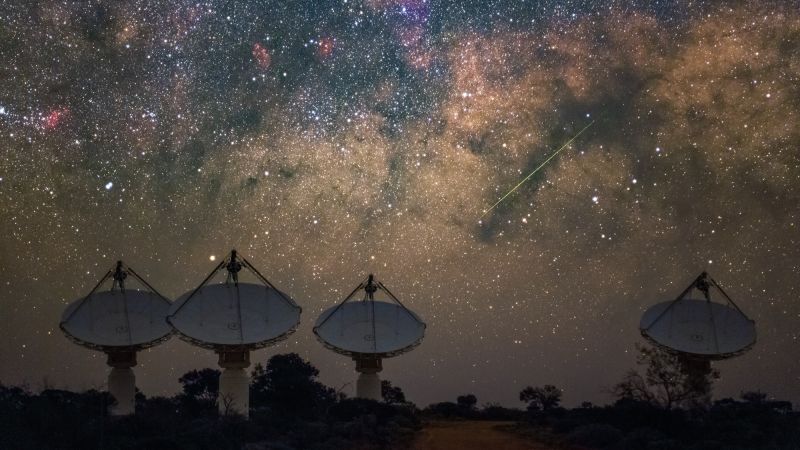
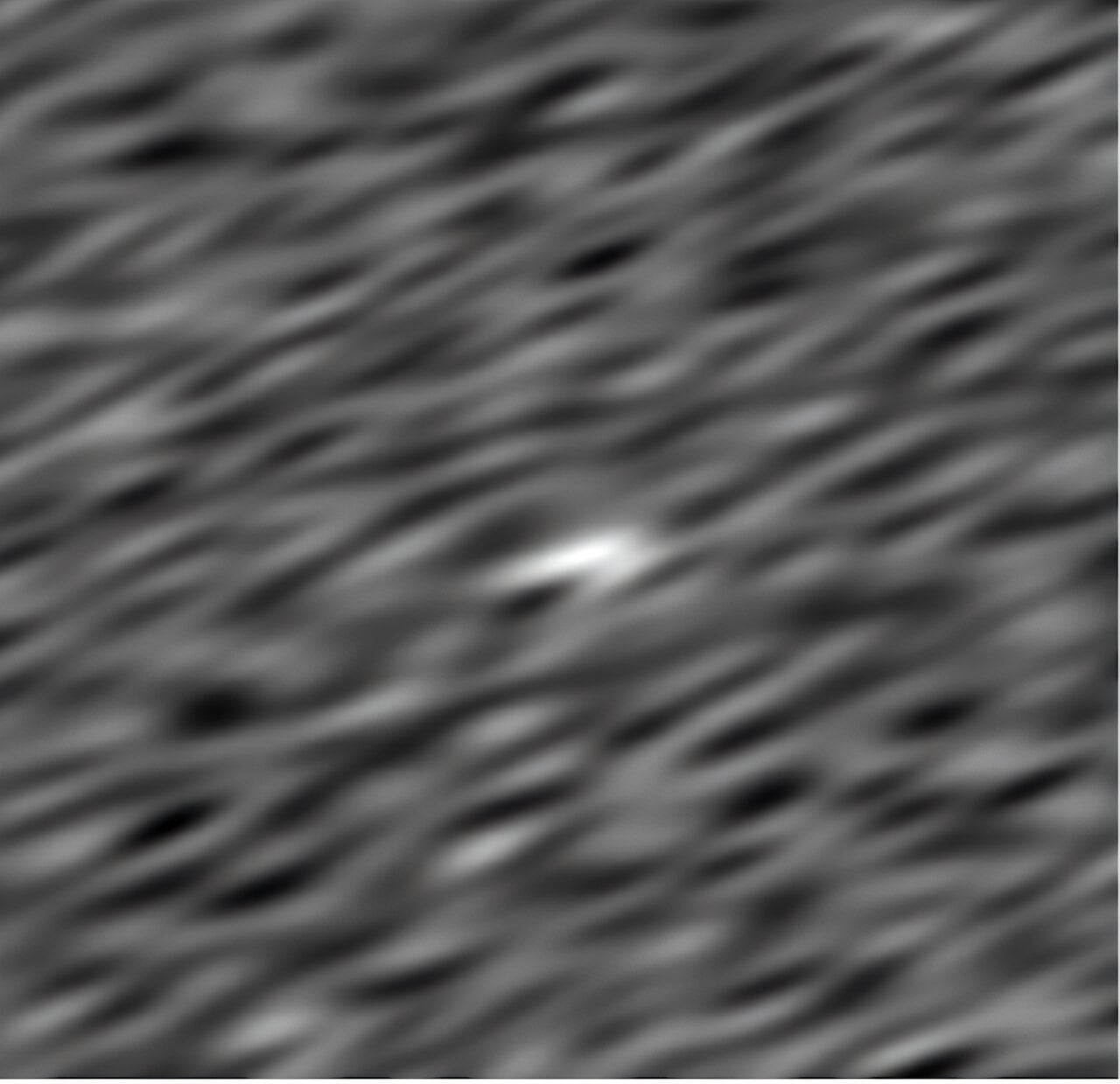
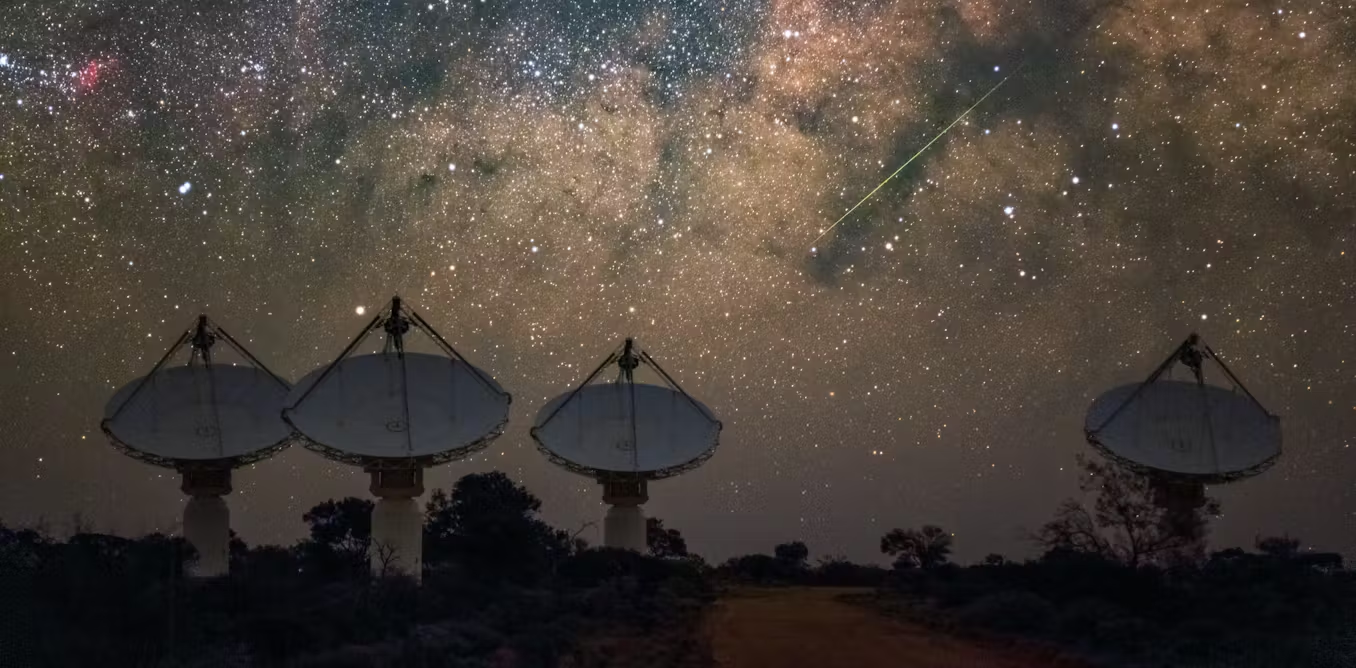
Astronomers using the ASKAP radio telescope identified a nanosecond bright radio burst originating from a 60-year-old satellite, Relay 2, likely caused by electrostatic discharge or micrometeoroid impact, highlighting new ways to monitor satellite activity and understand fast radio bursts within our galaxy.
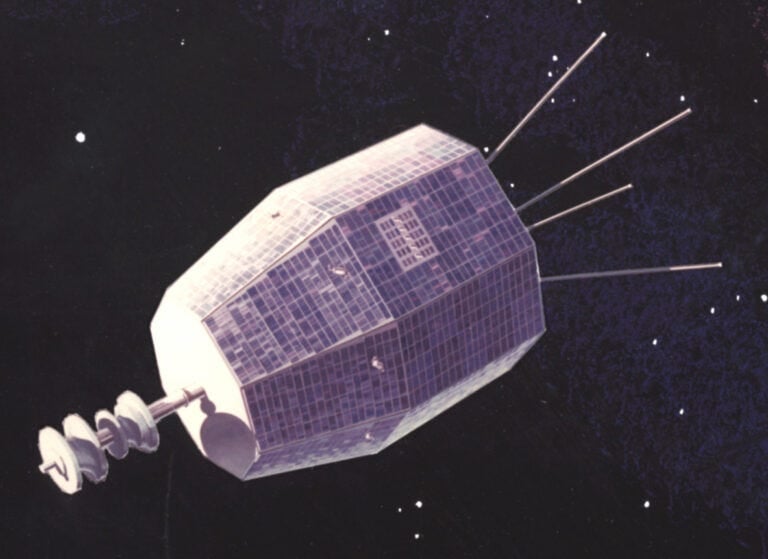
A NASA satellite that went offline in 1967 emitted a brief, bright radio signal in 2024, likely caused by a spark of built-up electricity or space debris impact, providing insights into electrostatic discharges in Earth's orbit.
Astronomers using the ASKAP radio telescope in Australia detected a brief, bright radio burst originating from within 4500 km of Earth, traced to the old Relay 2 satellite, likely caused by an electrostatic discharge or space debris impact. This discovery highlights the potential for ground-based monitoring of satellite activity and the ongoing search for cosmic signals.
A mysterious radio burst detected in 2024 was traced to NASA's decommissioned Relay 2 satellite, likely caused by electrostatic discharge or micrometeoroid impact, highlighting the importance of understanding anthropogenic signals and space environment hazards.
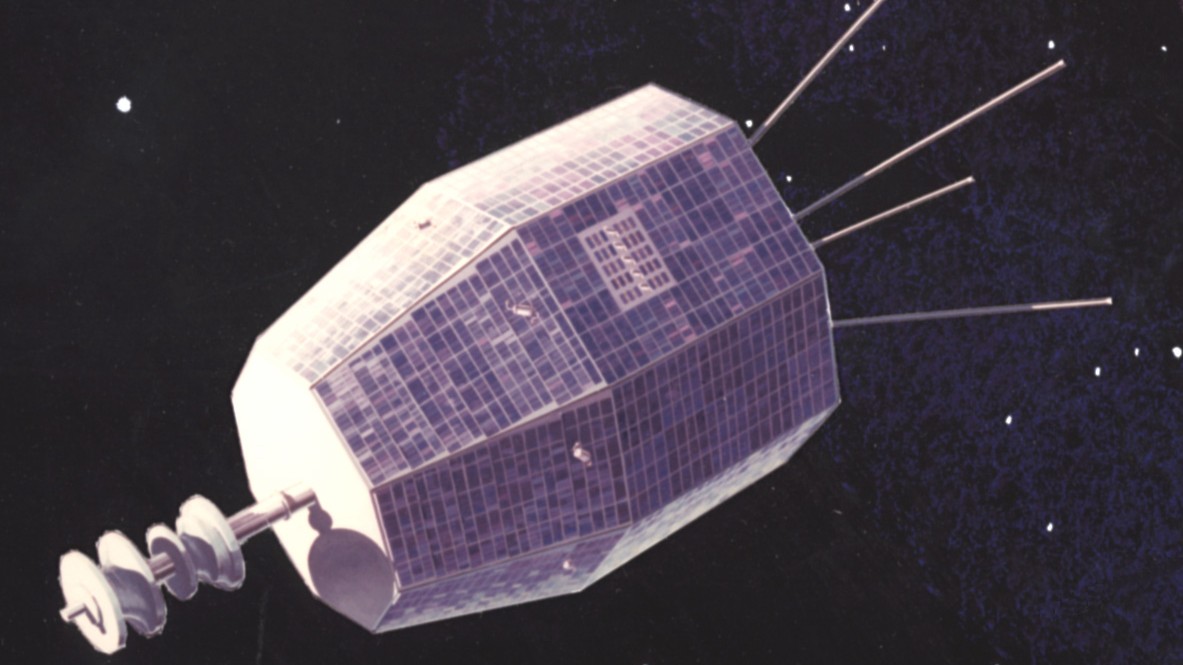
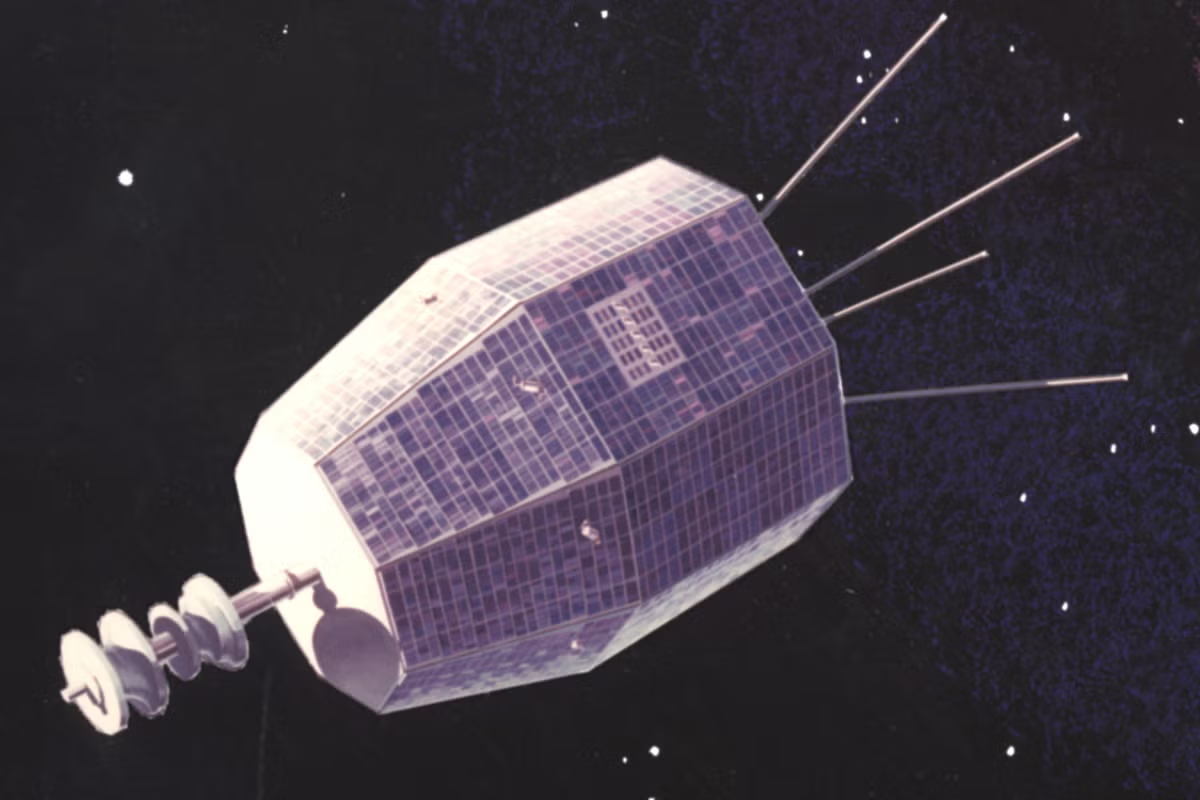
A long-dead NASA satellite, Relay 2 launched in 1964, unexpectedly emitted a powerful radio pulse in 2024, likely caused by a micrometeorite impact or electrostatic discharge, providing new insights into space debris and satellite safety.
Scientists at Curtin University detected a powerful energy pulse from NASA's Relay 2 satellite, launched in 1964 and inactive since 1967, likely caused by electrostatic discharge from a collision with space debris, highlighting the need for better detection in future space missions.
Astronomers detected a brief radio burst from Earth's orbit, traced back to the long-decommissioned NASA satellite Relay 2, raising questions about satellite behavior and space debris activity.
A defunct NASA satellite, Relay 2, unexpectedly emitted a powerful radio pulse after nearly 60 years in orbit, likely triggered by an external event such as a micrometeoroid impact or electrostatic discharge, creating the brightest sky object momentarily and raising both scientific interest and concerns about space debris activity.
A defunct NASA satellite, Relay 2, unexpectedly emitted a powerful radio wave in 2023, possibly due to electrostatic discharge or micrometeoroid impact, highlighting the mysterious reactivation of old satellites and the potential for space debris to generate signals detectable from Earth.