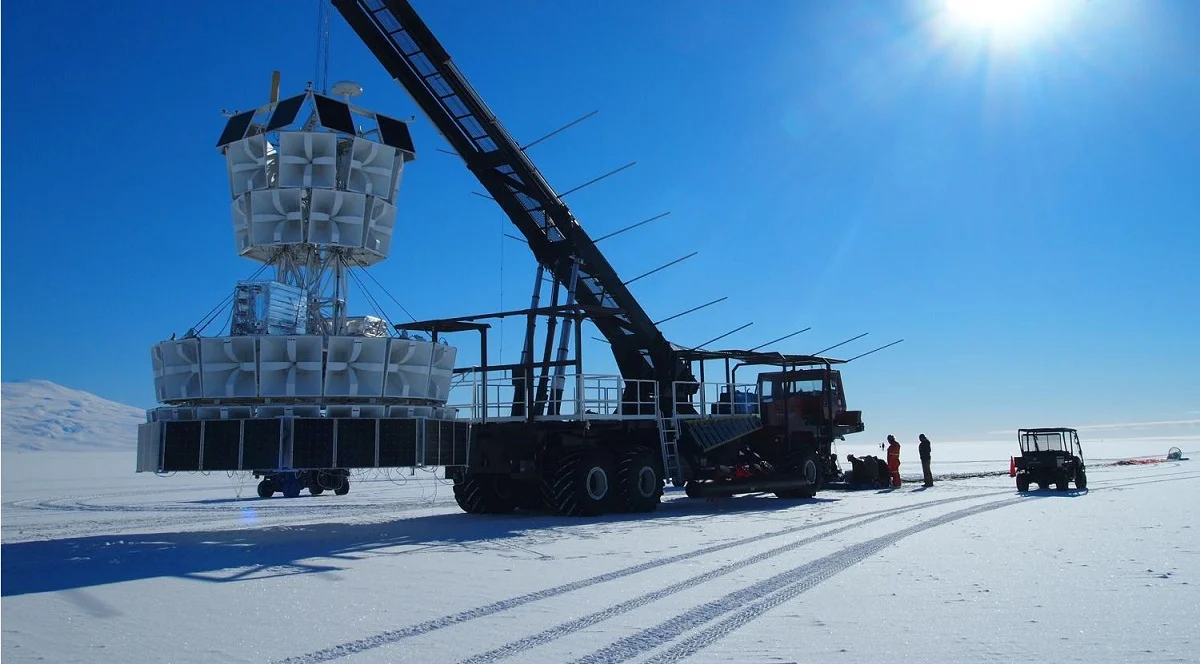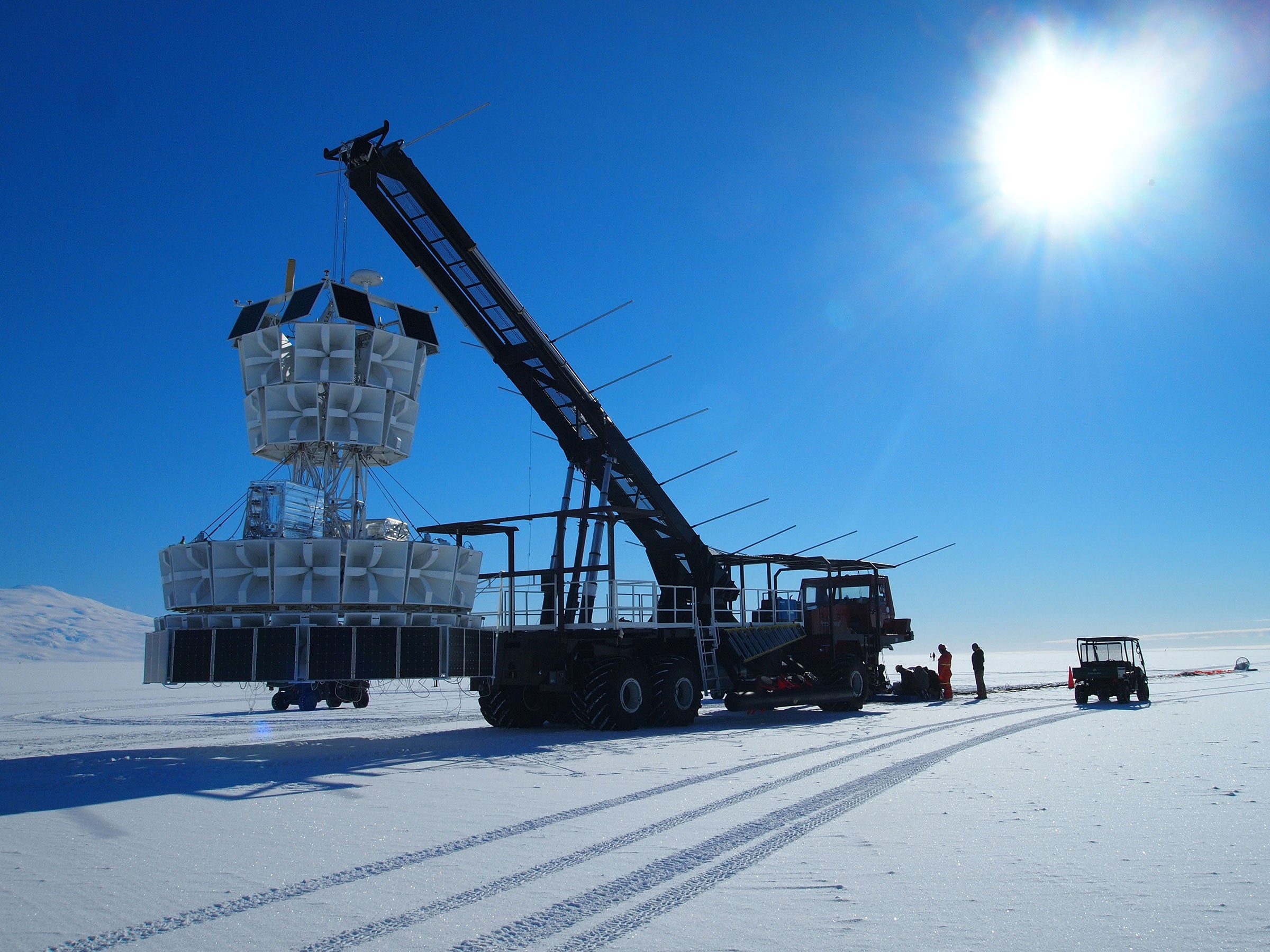
NASA's ANITA balloon experiment detected mysterious upward-moving radio signals from beneath Antarctica's ice, initially suggesting potential new particles or physics, but further analysis indicates these signals are unlikely to be neutrinos, leaving the anomaly unexplained. Researchers are developing more advanced detectors like PUEO to better understand these phenomena.
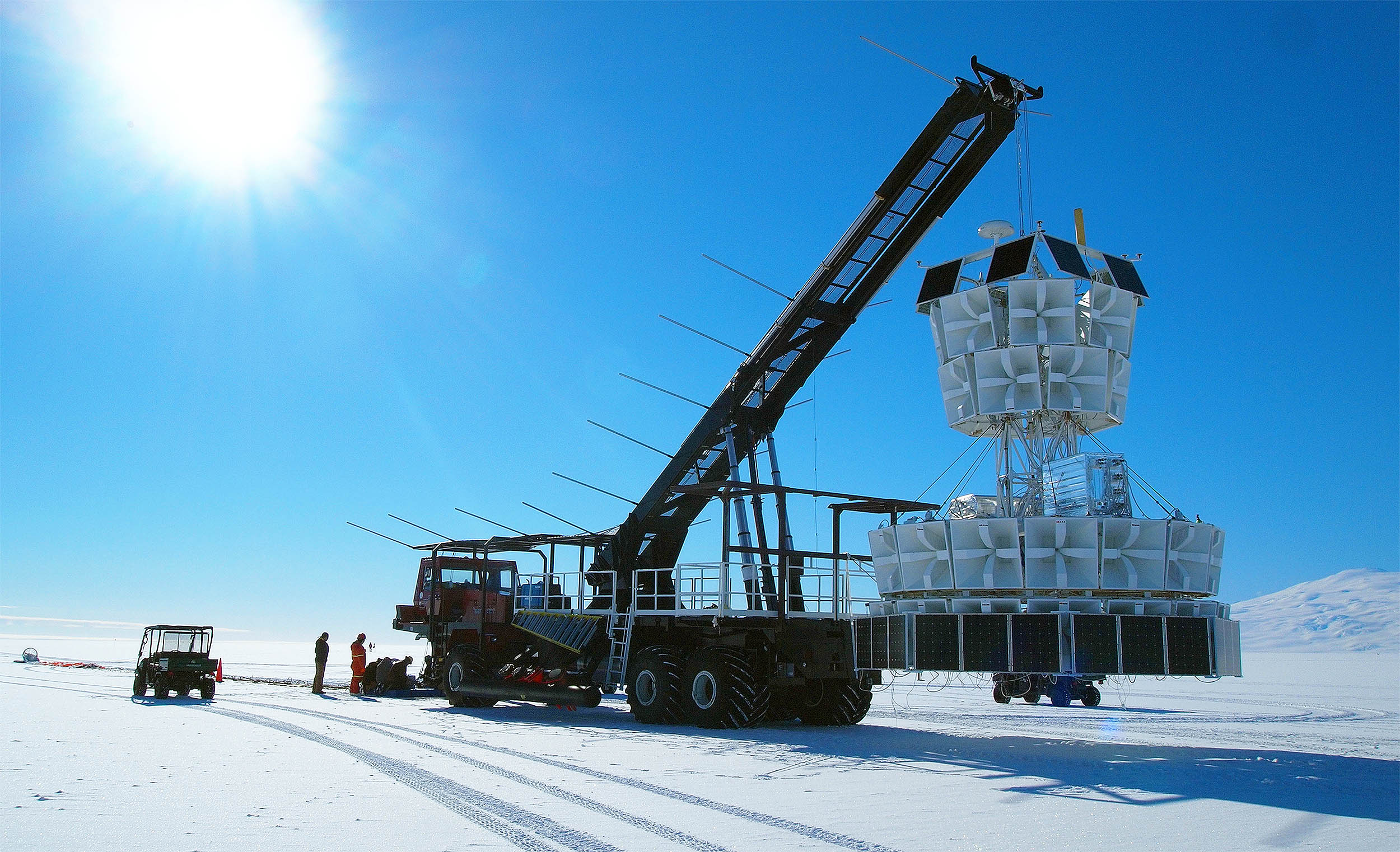
NASA's ANITA experiment detects mysterious upward-moving radio pulses from deep beneath the Antarctic ice, which cannot be explained by known particles like neutrinos, suggesting potential new physics or unknown radio propagation effects, with future missions like PUEO expected to shed more light on these anomalies.
Scientists detected mysterious upward-propagating radio signals from beneath the Antarctic ice, initially thought to be from neutrinos, but further analysis suggests they are not. The phenomenon remains unexplained, prompting new experiments like PUEO to investigate further, with the potential to discover new particles or phenomena.
Scientists using the ANITA balloon detector in Antarctica detected mysterious radio signals originating from below the horizon, which do not match current understanding of particle physics or neutrino behavior, leaving researchers puzzled about their origin and nature.
Chita Rivera, the Broadway legend who recently passed away at 91, is best remembered for her portrayal of Anita in the original production of West Side Story, a role that set her career alight and brought strong Latinx representation to US popular culture. Rivera's Anita was a radical and pivotal character, representing a sparky, sarky, independent-minded Latinx woman in a time when such representation was scarce. Her performance made an immediate impression on audiences, and the character of Anita continues to be iconic and trailblazing in the world of musical theatre.