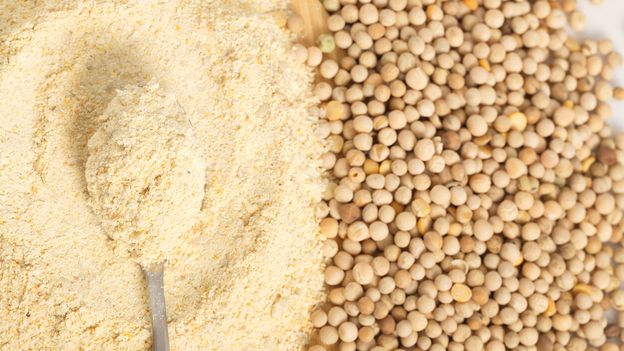
Beans, peas, and lentils are highly nutritious and affordable foods that can help overcome barriers to healthy eating, making them a valuable daily dietary addition.
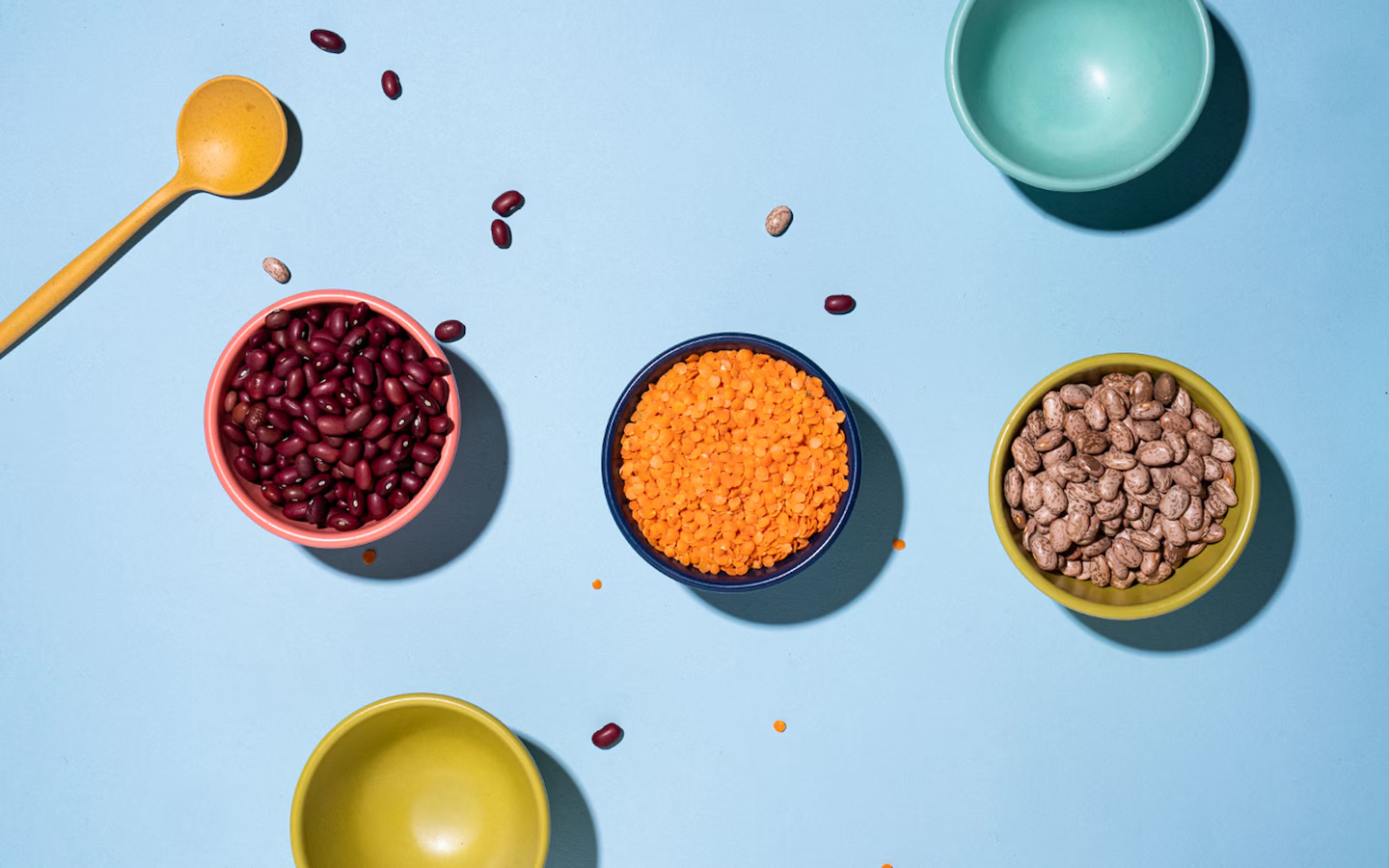
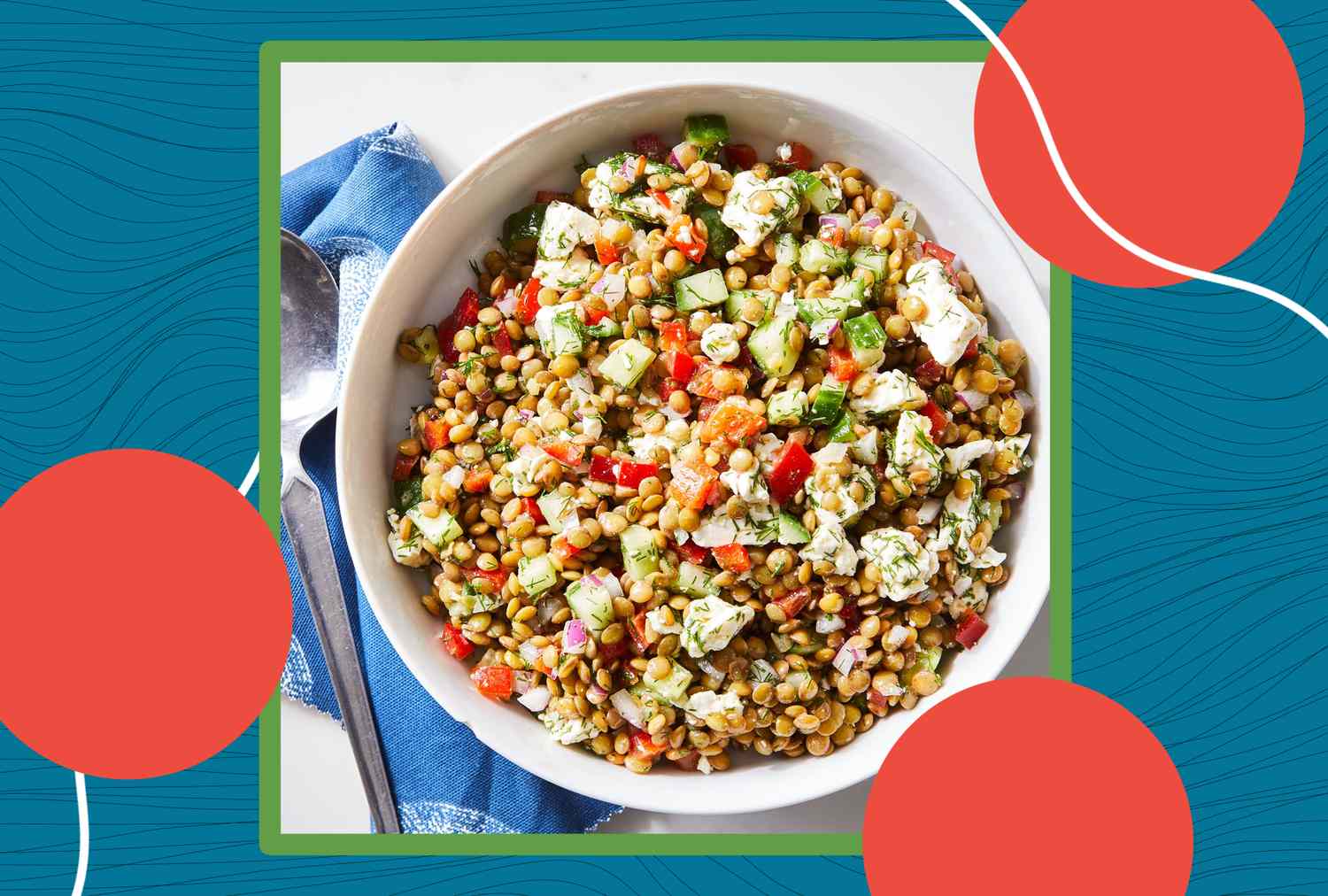
Pulses, including lentils, beans, and peas, are the top plant-based protein source recommended by dietitians for those not eating meat, offering benefits like high protein, fiber, iron, and heart health, while being affordable and eco-friendly.
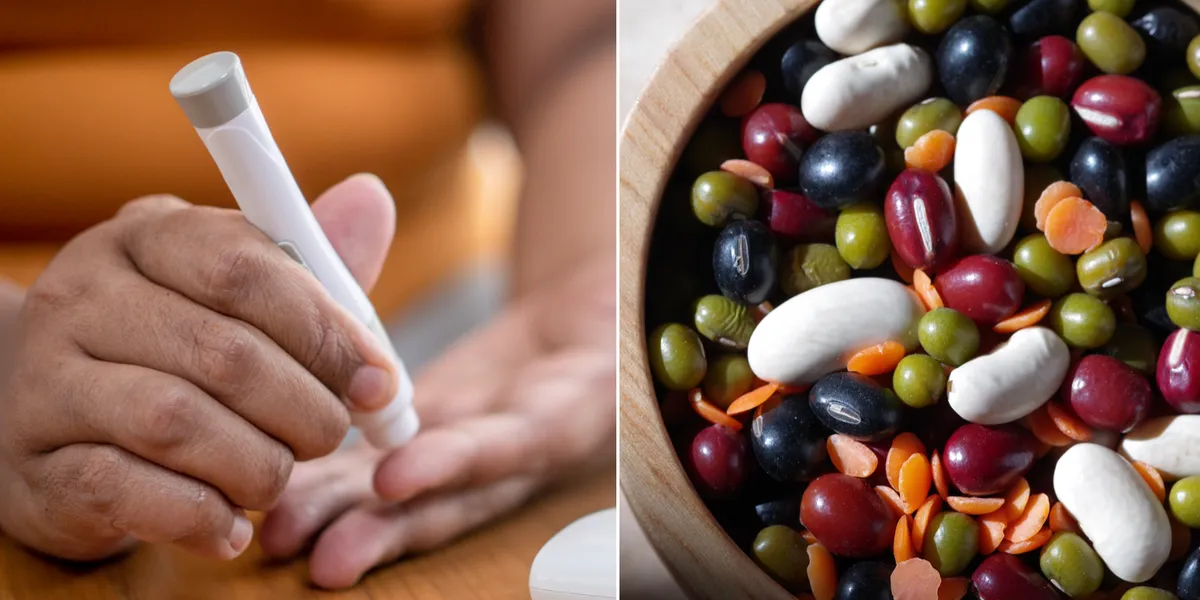
A review published in Nutrients highlights that consuming pulses such as beans, peas, lentils, and chickpeas can significantly reduce blood sugar levels and 'bad' cholesterol, aiding in the fight against type 2 diabetes and cardiovascular diseases. The research underscores the health benefits of pulses, including improved insulin sensitivity and lower LDL cholesterol, making them a valuable addition to a plant-based diet.
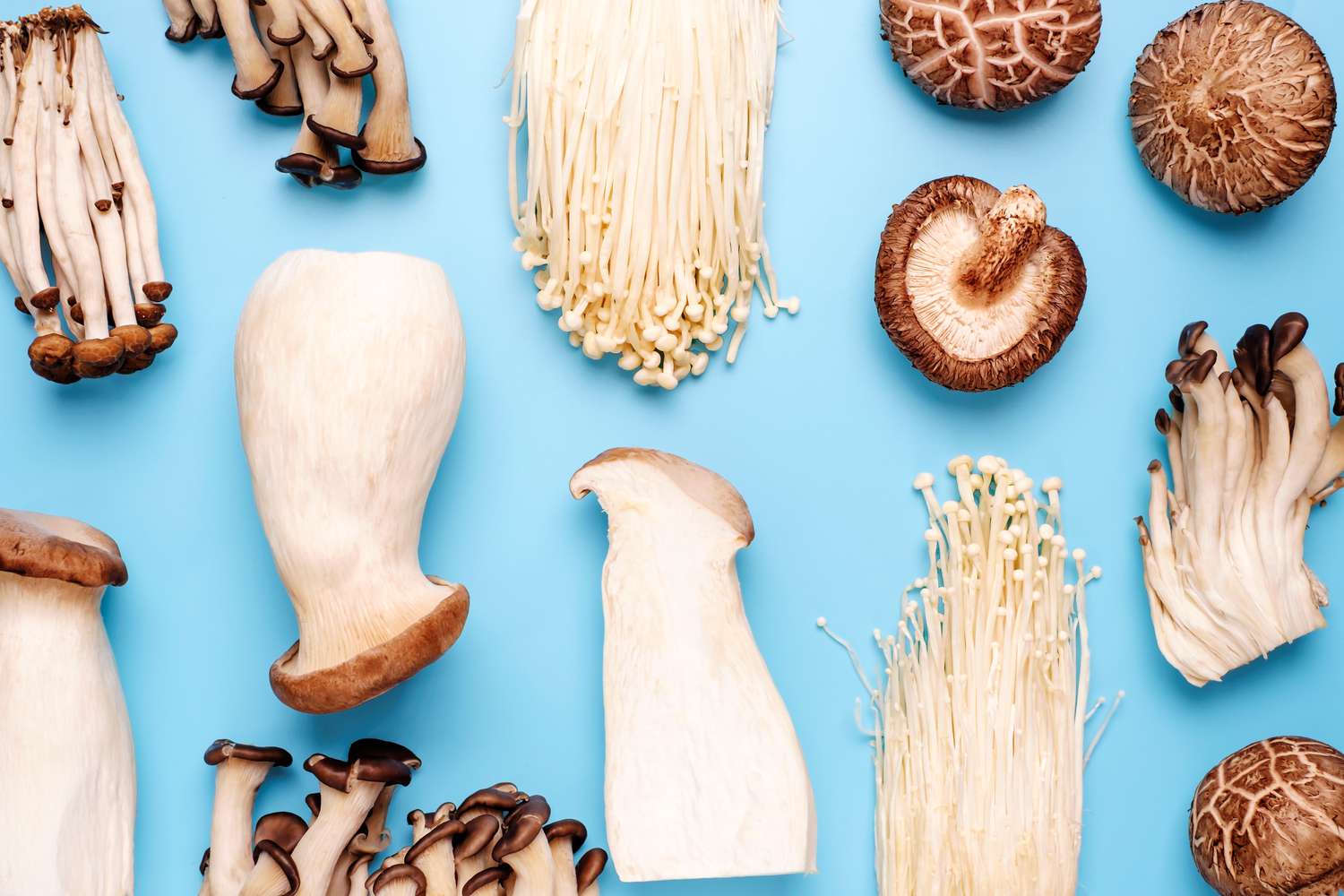
The annual "What's Trending in Nutrition" survey conducted by Pollock Communications and Today's Dietitian reveals the top 10 superfoods for 2024, with salmon, pulses, and mushrooms being the newest additions. Pulses, including beans, chickpeas, and lentils, are rich in gut-healthy fiber and nutrients, while mushrooms offer powerful micronutrients and antioxidants. Salmon, known for its omega-3 fatty acids, is recommended for heart health. Registered dietitians emphasize the importance of these nutrient-dense foods and provide tips for incorporating them into a healthy diet.
Manufacturers have introduced higher fibre alternatives to many of our traditionally low-fibre staples, including pastas, crisps, breakfast cereals and cereal bars. One of the alternatives is pasta made partly with chickpea flour, which contains 1.5 times more protein, 3.2 times more fibre and eight times more essential fatty acids than traditional pasta made with durum wheat flour. However, pulse-based pasta is unlikely to be a match for whole pulses because of the processing required to make pulses into pasta.