Tag

Protein Intake

All articles tagged with #protein intake

Recent Food and Beverage Guidelines Spark Consumer and Industry Changes

Originally Published 3 days ago — by The Conversation

Featured image for Recent Food and Beverage Guidelines Spark Consumer and Industry Changes
Source: The Conversation

The 2025-2030 US dietary guidelines recommend more protein and full-fat dairy, and explicitly advise avoiding ultraprocessed foods, but the development process for these guidelines was unconventional and may lack scientific rigor, raising questions about their reliability.

Essential Guide to Understanding and Meeting Your Protein Needs

Originally Published 1 month ago — by Times of India

Featured image for Essential Guide to Understanding and Meeting Your Protein Needs
Source: Times of India

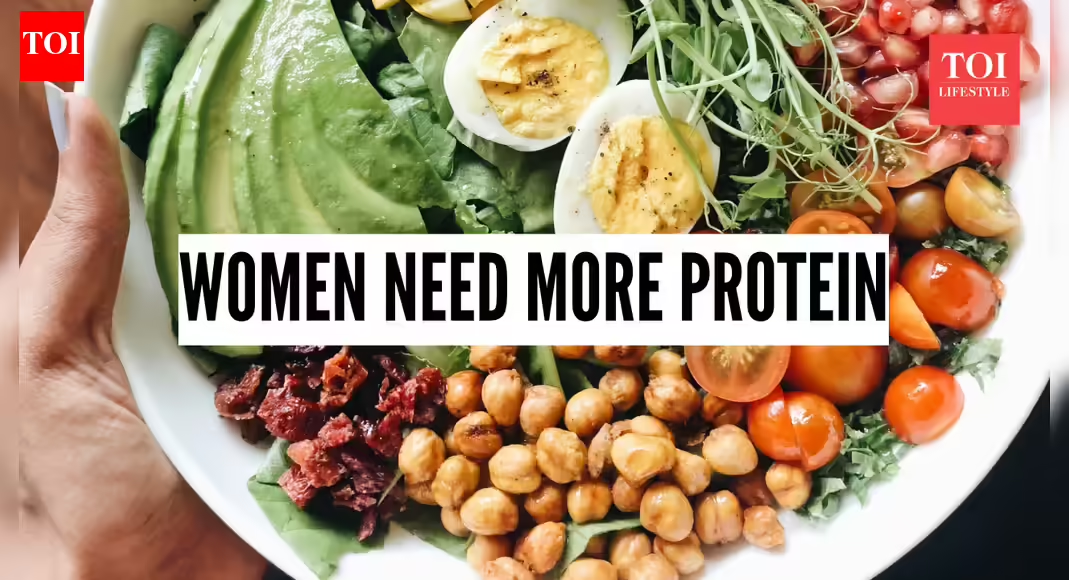
Women should prioritize higher-quality protein in their diet to support long-term health, muscle maintenance, and bone strength, especially as they age or undergo hormonal changes. Consuming around 1.2 g/kg/day of protein, spread across meals and including diverse sources, can lead to better muscle mass, strength, and overall functional health. Practical strategies like incorporating protein-rich snacks and plant and animal sources can help women meet these targets.

Essential Protein Tips for Fat Loss and Muscle Maintenance

Originally Published 2 months ago — by Fit&Well

Featured image for Essential Protein Tips for Fat Loss and Muscle Maintenance
Source: Fit&Well

To lose body fat while maintaining lean muscle, it is recommended to consume 1.6 to 2 grams of protein per kilogram of body weight daily, with higher amounts for very active or overweight individuals. Adequate protein intake helps promote satiety, regulate appetite hormones, and preserve muscle mass during calorie deficits, which is crucial for effective fat loss and muscle maintenance. The exact amount varies based on activity level, age, gender, and individual metabolism, and can be increased through foods like lean meats, fish, eggs, dairy, legumes, and plant-based proteins.

The Risks and Signs of Eating Too Much Protein

Originally Published 3 months ago — by Women's Health

Featured image for The Risks and Signs of Eating Too Much Protein
Source: Women's Health

The article explains how much protein adults need, emphasizing that while the RDA is 0.36 grams per pound, active individuals and certain women may require more, up to 0.81 grams per pound. It highlights sources of both animal and plant proteins, discusses signs of excessive intake like gastrointestinal issues and long-term health risks, and advises consulting healthcare providers for personalized recommendations.

Expert Tips on Optimal Protein Intake and Signs of Deficiency

Originally Published 4 months ago — by Delish

Featured image for Expert Tips on Optimal Protein Intake and Signs of Deficiency
Source: Delish

The article explains that the recommended daily protein intake varies based on individual factors, generally around 0.8-1.2 grams per kilogram of body weight, emphasizing the importance of balanced consumption spread throughout the day, and warns against excessive intake while highlighting the role of protein in overall health.

The Truth About Excess Protein and Its Impact on Your Health

Originally Published 4 months ago — by ScienceAlert

Featured image for The Truth About Excess Protein and Its Impact on Your Health
Source: ScienceAlert

Consuming more protein than the recommended amount offers no additional muscle benefits and can lead to health issues like weight gain and kidney strain, especially if sourced mainly from animal products high in saturated fats. A balanced intake from both plant and animal sources, aligned with dietary guidelines, is best for overall health.

The 3x3 by 12 Morning Rule for Better Health

Originally Published 4 months ago — by The Everygirl

Featured image for The 3x3 by 12 Morning Rule for Better Health
Source: The Everygirl

The '3×3 by 12' Morning Rule encourages completing three health-focused tasks—walking 3,000 steps, drinking one-third of your daily water goal, and consuming 30 grams of protein—before noon to boost energy, mood, and overall well-being, with expert-backed benefits and customizable options.

Expert Tips for Ensuring Adequate Protein Intake for Life

Originally Published 4 months ago — by Hindustan Times

Featured image for Expert Tips for Ensuring Adequate Protein Intake for Life
Source: Hindustan Times

A fitness coach shares five strategies to make sustainable and natural protein intake a part of daily life, emphasizing including protein in every meal, choosing appropriate sources based on dietary preferences, integrating protein into recipes, supplementing if needed, and tracking intake without obsession.

The Truth About Protein Intake and When to Eat More

Originally Published 5 months ago — by WIRED

Featured image for The Truth About Protein Intake and When to Eat More
Source: WIRED

Most people meet the basic protein requirements, but certain groups like older adults, pregnant women, and athletes may need more for optimal health. The recommended dietary allowance (RDA) is 0.8 g/kg, but higher intakes can benefit muscle preservation and overall health, especially with age. Quality and distribution of protein sources are crucial, favoring whole foods over processed options.

Top Signs You're Not Getting Enough Protein and How to Fix It

Originally Published 5 months ago — by GQ

Featured image for Top Signs You're Not Getting Enough Protein and How to Fix It
Source: GQ

While protein is essential for health and muscle maintenance, most adults already consume enough, and exceeding recommended levels—up to 2.5 grams per kilogram of body weight—generally isn't harmful for healthy individuals. However, overdoing it, especially from processed meats and fatty red meats, can increase risks of heart disease and negatively impact gut health. It's important to consider both the amount and source of protein in your diet.

Avoiding Common Protein Mistakes for Kidney Health and Weight Loss

Originally Published 5 months ago — by The Times of India

Featured image for Avoiding Common Protein Mistakes for Kidney Health and Weight Loss
Source: The Times of India

Excessive consumption of animal proteins, reliance on unregulated protein powders, neglecting routine kidney checks, ignoring plant-based proteins, and personal risk factors can harm kidney health. To protect kidneys, it's important to balance protein sources, monitor intake, and undergo regular screenings, especially for high-risk groups.

Vegan Diet Troubles: How I Overcame Bloating, Fatigue, and Brain Fog

Originally Published 6 months ago — by VegOut

Featured image for Vegan Diet Troubles: How I Overcame Bloating, Fatigue, and Brain Fog
Source: VegOut

The article shares a personal journey of overcoming fatigue, bloating, and mental fog caused by an improperly managed vegan diet. It emphasizes the importance of focusing on whole, minimally processed foods, ensuring adequate protein, supplementing B12 and iron, gradually increasing fiber intake, and listening to one's body rather than following social media trends. With these adjustments, the author regained energy, clarity, and health, highlighting that veganism is most effective when approached with intention, balance, and self-compassion.