Tag

Protein Engineering

All articles tagged with #protein engineering

science2 months ago

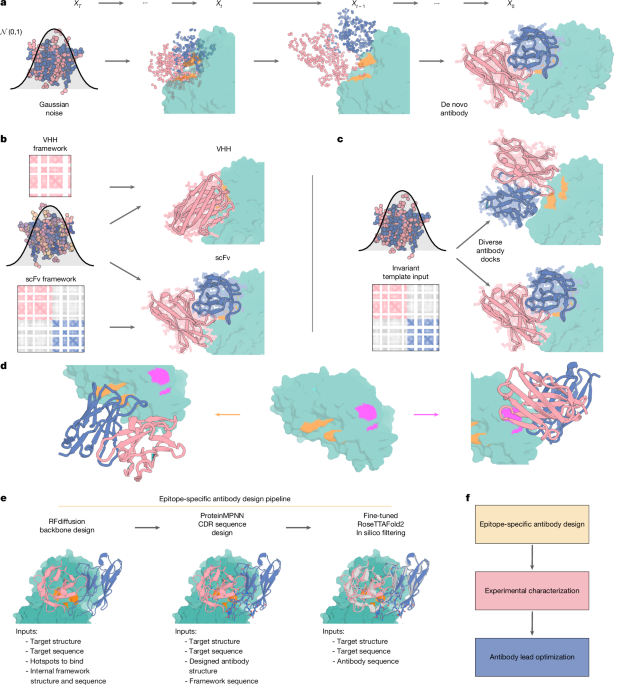
AI Advances in Antibody Design Accelerate Drug Development and Viral Defense

The article discusses a novel computational approach using RFdiffusion, fine-tuned on antibody structures, to design de novo antibodies and VHHs with atomic-level accuracy, targeting specific epitopes. The method enables the creation of antibodies with precise epitope targeting, validated by cryo-EM structures, and demonstrates potential for rapid therapeutic development, although current success rates are low and can be improved with advanced filtering techniques like AlphaFold3.

science-and-technology3 months ago

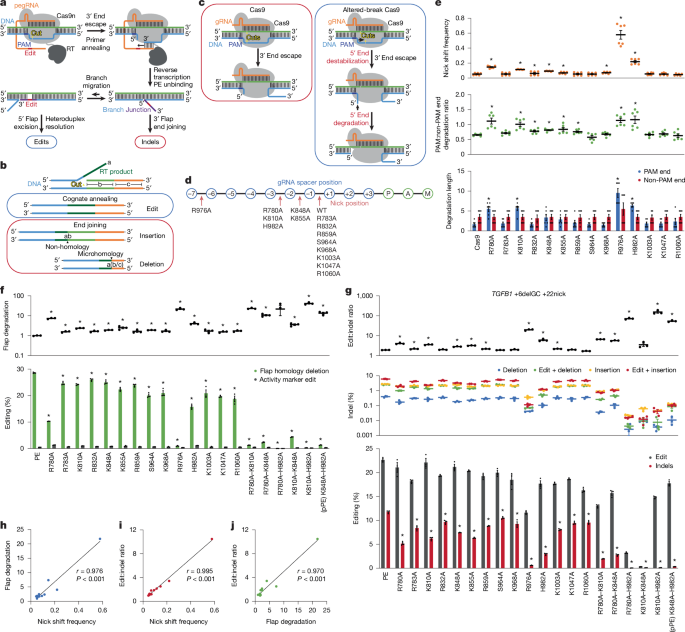
Advanced Prime Editors Achieve Minimal Genomic Errors

Researchers engineered prime editors by modifying Cas9 to relax nick positioning, which promotes degradation of competing DNA strands, significantly reducing insertion and deletion errors while maintaining high editing efficiency across various loci and cell types, including human and mouse cells. These advanced editors, such as the precise prime editor (pPE), extra-precise prime editor (xPE), and very-precise prime editor (vPE), demonstrate improved fidelity and potential for safer, more accurate genome editing applications.

science-and-technology1 year ago

"Revolutionizing Protein Engineering with Computational Techniques and AI Integration"

MIT researchers have developed a computational approach to predict mutations that will lead to improved proteins, making it easier to engineer proteins with useful functions. Using a convolutional neural network trained on experimental data, the researchers created fitness landscapes to predict optimized versions of green fluorescent protein (GFP) and a protein from adeno-associated virus (AAV). The approach has the potential to accelerate the process of optimizing proteins for research and medical applications, and could be applied to other protein engineering problems.

science-and-technology1 year ago

"Streamlining Protein Engineering: A Simple and Robust Experimental Process"

Researchers at the University of Michigan have developed a simplified and cost-effective protein engineering method using binary cell sorting data and machine learning models to predict effective proteins for various applications, from industry tools to therapeutics. This technique has the potential to accelerate the development of stabilized peptides for treating diseases and improve antibody binding in immunotherapy. The method, which uses linear machine learning models, simplifies the experimental process and enhances accessibility, offering a promising approach to protein engineering.

science-and-technology2 years ago

"Breakthrough: Engineered Protein Boosts Memory Abilities"

Scientists have developed an engineered protein by genetically modifying the LIMK1 protein and activating it with rapamycin, a drug known for its anti-aging effects on the brain. This innovative approach shows potential in treating memory-related neuropsychiatric diseases and advancing neurology research. The modified protein, LIMK1, plays a crucial role in memory processes by determining structural changes in neurons. By controlling LIMK1 with the drug, researchers were able to promote synaptic plasticity and improve memory in preclinical models. This breakthrough has significant implications for understanding memory function and developing innovative solutions for diseases like dementia. Further studies are needed to validate the use of this technology in humans and neurodegenerative diseases.

science-and-technology2 years ago

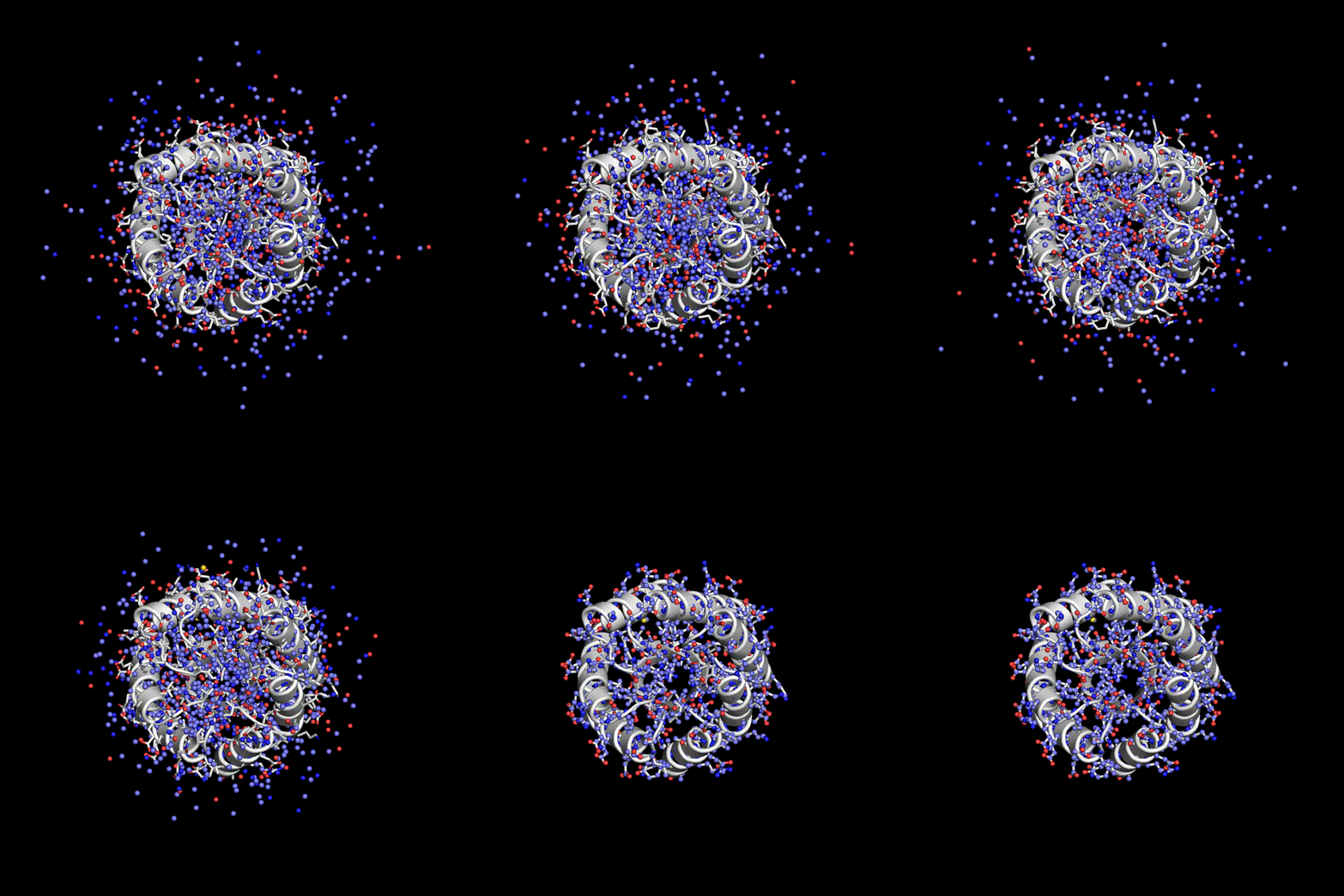
"Breakthrough: Artificial Protein Degrades Microplastics in Bottles"

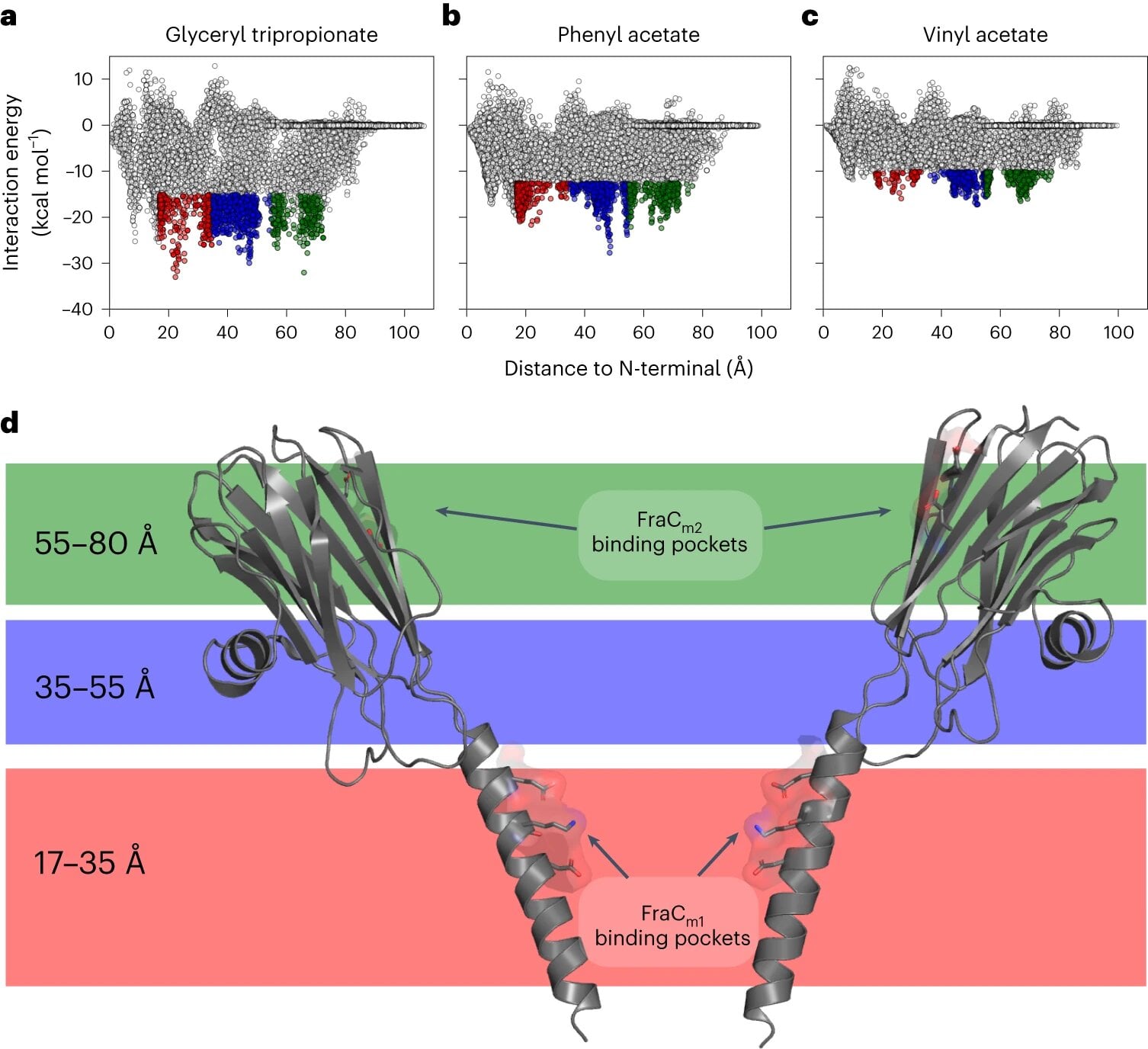
Scientists have developed artificial proteins capable of degrading PET microplastics and nanoplastics found in bottles. By adding three amino acids to a defense protein from the strawberry anemone, the researchers were able to create a protein that acts as scissors, cutting small PET particles. The engineered protein demonstrated an efficiency 5 to 10 times higher than existing PETases on the market, and it can operate at room temperature, reducing CO2 emissions. The protein's pore-like structure allows water to pass through, making it suitable for use in filters for purification plants. Additionally, two variants of the protein were designed, one for thorough degradation and the other for recycling, offering flexibility in its applications.

science-and-technology2 years ago

"Stanford Unveils Protpardelle: Revolutionizing Protein Design with All-Atom Diffusion Model"

Stanford researchers have introduced Protpardelle, an all-atom diffusion model that co-designs protein structure and sequence. The model generates proteins of exceptional quality, diversity, and novelty by addressing the interplay between continuous and discrete protein structures. Protpardelle achieves high success rates in protein design, surpassing existing methodologies, and does so at a reduced computational cost. It demonstrates proficiency in generating diverse protein structures and has the ability to forge novel proteins beyond its training dataset. The model maintains chemical integrity and accurately captures sidechain behavior. Protpardelle's introduction marks a paradigm shift in protein design, with potential applications in biotechnology and pharmaceuticals.

science-and-technology2 years ago

"MIT's FrameDiff: Revolutionizing Medicine with AI-Generated Protein Structures"

MIT researchers have developed a computational tool called FrameDiff, which uses generative AI to create new protein structures beyond what nature has produced. By modeling protein "backbones" and adjusting them in 3D, FrameDiff can construct novel proteins independently of preexisting designs. This breakthrough could accelerate drug development, improve gene therapy, and have applications in biotechnology, targeted drug delivery, and more. The researchers aim to create proteins that bind more efficiently, offering possibilities such as better biosensors, more effective antibodies, and engineering nanoparticles for gene therapy.

science2 years ago

New Class of Molecular Motors Discovered by Scientists

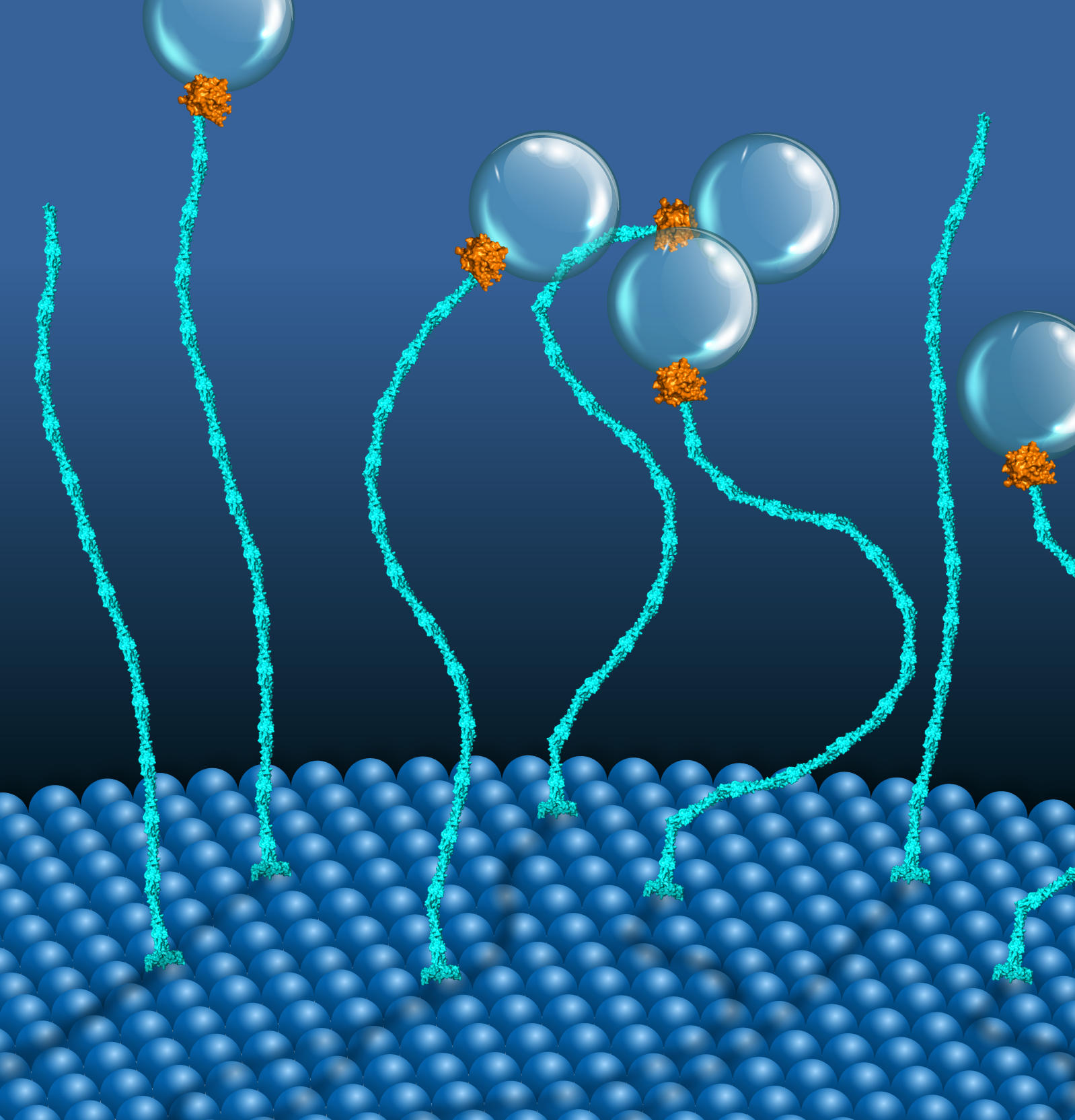
Researchers from the Max Planck Institute of Molecular Cell Biology and Genetics, the Cluster of Excellence Physics of Life, the Biotechnology Center of TU Dresden, and the National Centre for Biological Sciences in India have discovered a new molecular motor system that uses GTP instead of ATP and features a new mechanism for executing mechanical tasks. The motor, composed of two proteins, EEA1 and Rab5, can transfer chemical energy into mechanical work and play active mechanical roles in membrane trafficking. The team hopes that this new interdisciplinary study could open new research avenues in both molecular cell biology and biophysics.