Tag

Cryo Em

All articles tagged with #cryo em

science29 days ago

New Insights into T Cell Receptor Activation Could Boost Cancer Immunotherapy

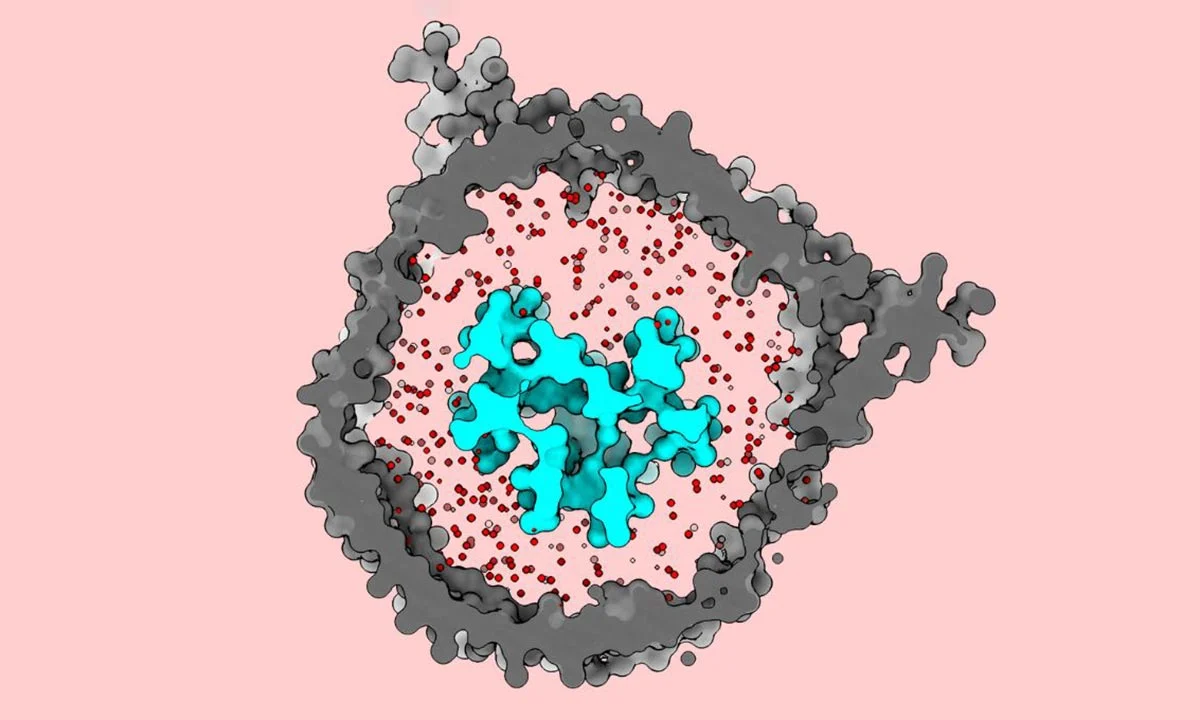
Scientists at Rockefeller University have discovered that T cell receptors behave like a jack-in-the-box, snapping open upon encountering an antigen, thanks to a native membrane environment recreated using nanodiscs. This new understanding could lead to improved cancer immunotherapies and vaccines by enabling more precise re-engineering of T cell responses.

science2 months ago

AI Advances in Antibody Design Accelerate Drug Development and Viral Defense

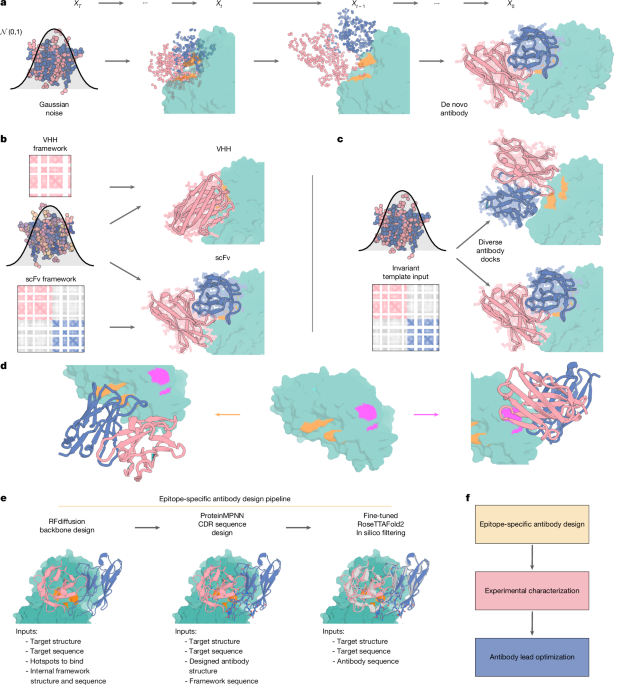
The article discusses a novel computational approach using RFdiffusion, fine-tuned on antibody structures, to design de novo antibodies and VHHs with atomic-level accuracy, targeting specific epitopes. The method enables the creation of antibodies with precise epitope targeting, validated by cryo-EM structures, and demonstrates potential for rapid therapeutic development, although current success rates are low and can be improved with advanced filtering techniques like AlphaFold3.

biology4 months ago

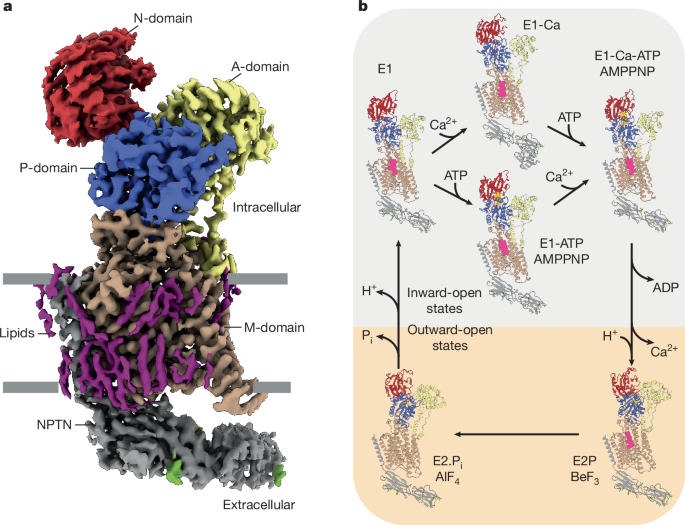
Revealing the Ultrafast Calcium Transport Mechanism of Plasma Membrane Ca2+-ATPases

This article explores the molecular structure and function of plasma membrane Ca2+-ATPases (PMCAs), revealing how they achieve ultrafast calcium transport through specific structural features, interactions with phospholipids like PtdIns(4,5)P2, and conformational changes during their transport cycle, with implications for understanding their role in cellular calcium signaling and potential drug targeting.

science1 year ago

"Bacterial Flagellum: Unveiling the Structural Basis of Directional Switching"

Researchers have used cryo-electron microscopy (cryo-EM) to investigate the structural basis of directional switching by the bacterial flagellum, a molecular motor that propels bacteria. The study provides atomic-level insights into the mechanisms underlying the ability of the flagellum to change direction, shedding light on the complex molecular machinery involved in this process. The data and code used for the analysis are publicly available, and the findings contribute to our understanding of bacterial motility and could have implications for the development of novel antimicrobial strategies.

medical-research2 years ago

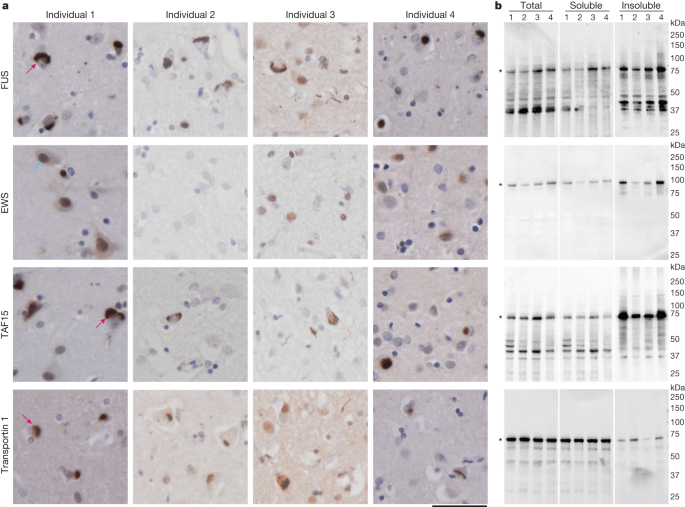
Unveiling the Link Between TAF15 Amyloid Filaments and Early-Onset Dementia

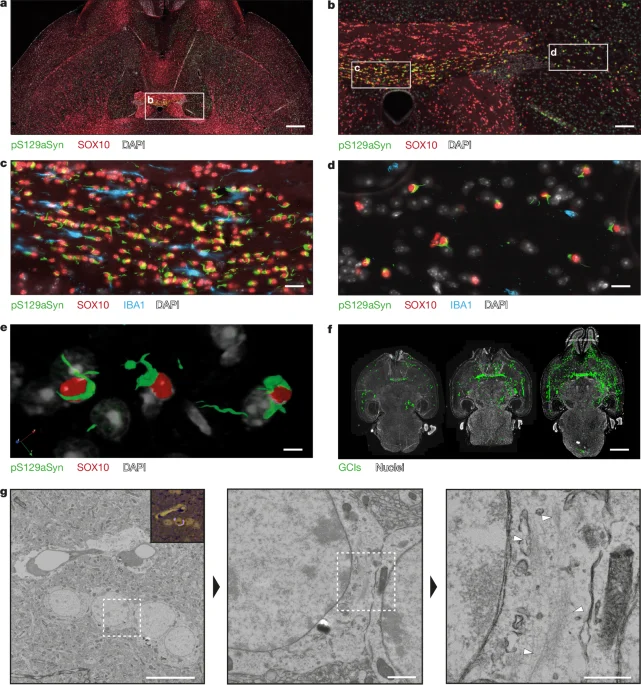
Researchers have discovered the presence of TAF15 amyloid filaments in the brains of individuals with frontotemporal lobar degeneration (FTLD) associated with FET proteins. This finding adds TAF15 to the list of proteins, including tau, TDP-43, and α-synuclein, that form amyloid filaments associated with neurodegenerative diseases. The study used cryo-electron microscopy to determine the structure of the TAF15 filaments, which were found in both upper and lower motor neurons in individuals with motor neuron pathology. The presence of TAF15 amyloid filaments characterizes FTLD-FET and provides new insights into the molecular basis of this neurodegenerative disease.

science-and-technology2 years ago

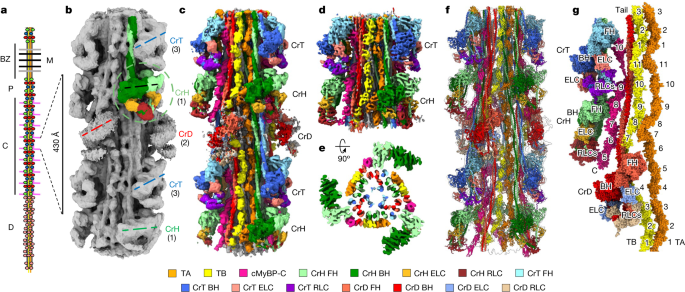
Unveiling the Structure of the Human Cardiac Myosin Filament

Researchers have used cryo-electron microscopy (cryo-EM) to determine the structure of the human cardiac myosin filament, a key component of muscle contraction in the heart. The study provides insights into the organization and arrangement of proteins within the filament, including myosin heads, tails, titins, and cMyBP-C. The structural data has been deposited in public databases, allowing other scientists to access and analyze the findings. This research contributes to our understanding of the molecular mechanisms underlying heart function and may have implications for the development of treatments for cardiac diseases.

science-and-technology2 years ago

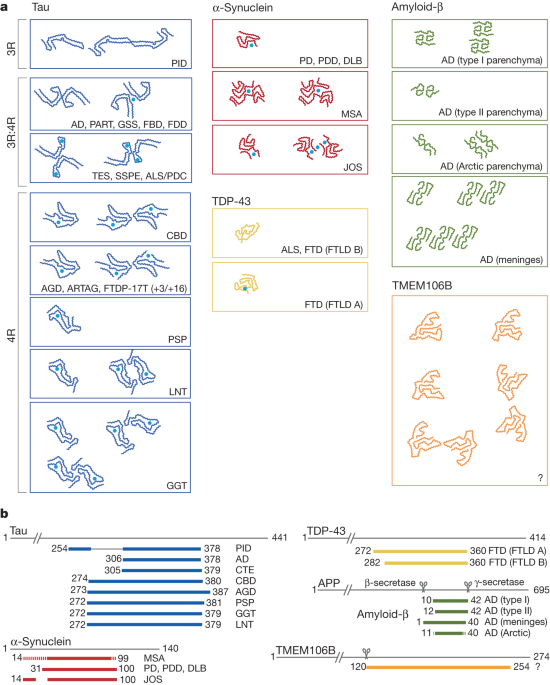
Unveiling the Molecular Pathology of Neurodegenerative Diseases through Cryo-EM Analysis of Amyloids

Cryo-electron microscopy (cryo-EM) has been instrumental in understanding the molecular pathology of neurodegenerative diseases such as Alzheimer's disease. By analyzing amyloid filaments at atomic resolution, researchers have identified the structural characteristics of these protein aggregates, including tau filaments in Alzheimer's disease. Cryo-EM has provided valuable insights into the formation and organization of amyloid fibrils, shedding light on the underlying mechanisms of neurodegeneration.

science2 years ago

"Quantum Breakthrough: Unveiling a Switch to Control Photosynthesis"

Researchers have discovered a quantum switch in the light-harvesting complex II (LHCII) that regulates photosynthesis. By combining cryo-electron microscopy (cryo-EM) studies with energy transfer calculations, they identified the photosynthetic pigment quantum switch that controls intermolecular energy transfer. The switch is activated by a conformational change in LHCII upon acidification, leading to the quenching of excess light energy. This discovery provides insights into the atomic-level dynamic structural changes in LHCII and could potentially enhance photosynthetic efficiency.

science2 years ago

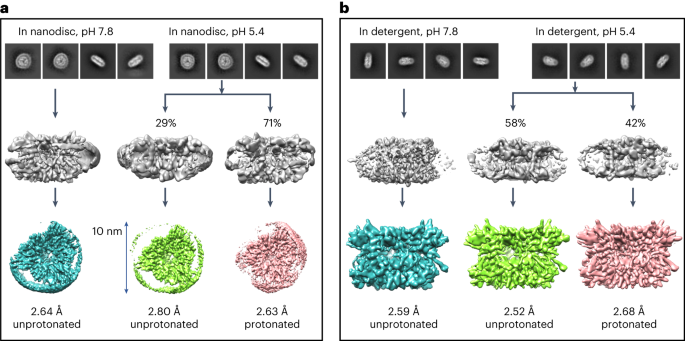
Unveiling Allosteric Regulation in LHCII: Cryo-EM Sheds Light on Energy Dissipation

Cryo-EM structures of the major light-harvesting complex II (LHCII) in photo-active and photo-protecting states have been determined, revealing the allosteric regulation of light harvesting and excess energy dissipation in photosynthesis. The structures provide insights into the mechanisms of non-photochemical quenching and photoprotection in plants, highlighting the role of pH sensing and the PsbS protein. The data availability includes cryo-EM maps and structure models deposited in the Electron Microscopy Data Bank and Protein Data Bank, respectively. Understanding these regulatory processes could lead to improvements in plant photosynthesis and crop productivity.

science-and-technology2 years ago

Unveiling the Inner Workings of Mycobacterial Lipid Transporter

Researchers have determined the structure of an endogenous mycobacterial MCE lipid transporter using cryo-electron microscopy (cryo-EM). The study provides insights into the mechanism of lipid transport in mycobacteria, which is crucial for their survival and virulence. The researchers also deposited the cryo-EM maps and atomic models in public databases for further analysis. This research contributes to our understanding of mycobacterial biology and may have implications for the development of new treatments for tuberculosis.

molecular-and-structural-biology2 years ago

Unveiling the Structure of a Vital Protein Production Enzyme through Cryo-EM

Cryo-electron microscopy (cryo-EM) has revealed the three-dimensional structure of the tRNA splicing endonuclease (TSEN) enzyme, shedding light on its interaction with precursor tRNAs (pre-tRNAs) and the excision of introns. TSEN plays a crucial role in the correct conversion of tRNAs, and mutations that disrupt its interaction with the RNA kinase CLP1 can lead to neurodegenerative disorders. The study provides insights into the structural basis of substrate recognition by TSEN and may aid in the development of potential therapies for related genetic disorders.