Tag

Genome Editing

All articles tagged with #genome editing

science2 months ago

Neanderthals Could Be Recreated in 20 Years: Should We?

Scientists are close to potentially bringing back Neanderthals within 20 years using advanced genetic technologies like CRISPR, but this raises significant ethical, legal, and practical concerns, including the feasibility of the process, the well-being of any resurrected individuals, and the moral implications of creating a new human-like species. Most experts agree that such efforts are currently unwise and ethically problematic, emphasizing the importance of preserving existing human and animal species instead.

science-and-technology3 months ago

Advanced Prime Editors Achieve Minimal Genomic Errors

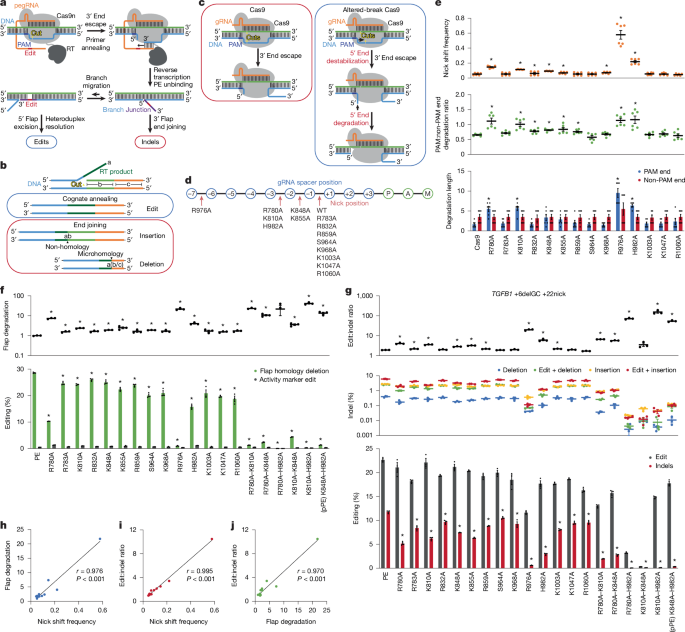
Researchers engineered prime editors by modifying Cas9 to relax nick positioning, which promotes degradation of competing DNA strands, significantly reducing insertion and deletion errors while maintaining high editing efficiency across various loci and cell types, including human and mouse cells. These advanced editors, such as the precise prime editor (pPE), extra-precise prime editor (xPE), and very-precise prime editor (vPE), demonstrate improved fidelity and potential for safer, more accurate genome editing applications.

science5 months ago

Scientists Achieve Large-Scale Precision Genome Editing in Eukaryotic Cells

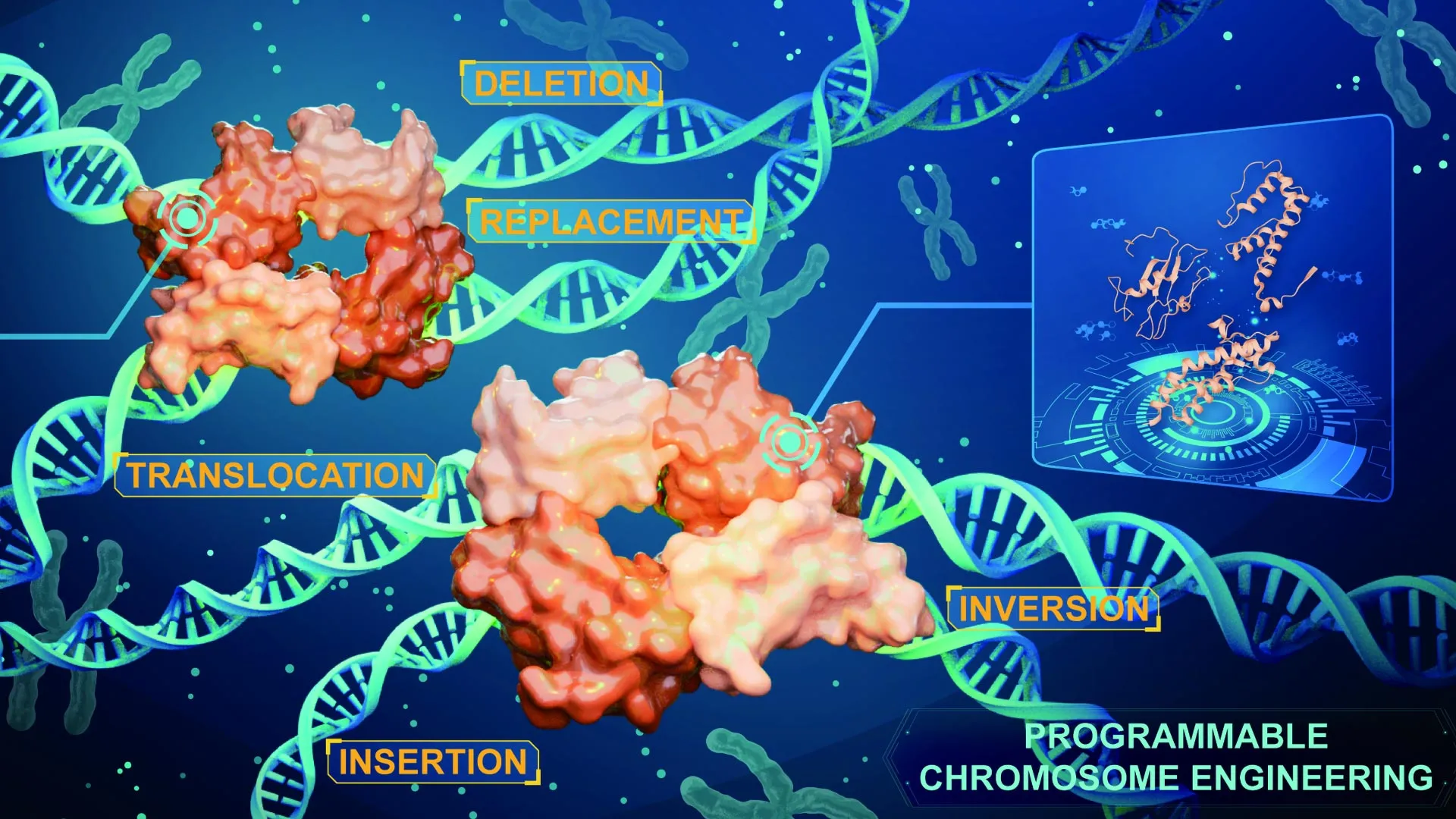
Chinese researchers have developed advanced genome editing technologies called Programmable Chromosome Engineering (PCE) systems, enabling precise, scarless manipulation of entire chromosomes in plants and animals, demonstrated by creating herbicide-resistant rice with a 315-kb inversion, overcoming previous limitations of the Cre-Lox system.

science6 months ago

Herpes Virus Alters Human DNA and Chromatin, but a Single Enzyme Offers Hope

New research reveals that herpes simplex virus type 1 (HSV-1) can alter human DNA within an hour of infection by hijacking the host's cellular machinery, specifically taking control of RNA polymerase II to facilitate rapid viral replication. The study also identifies a potential enzyme, TOP1, that could be targeted to prevent these changes and combat the virus.

science1 year ago

Innovative CRISPR Method Silences Genes Without DNA Cutting

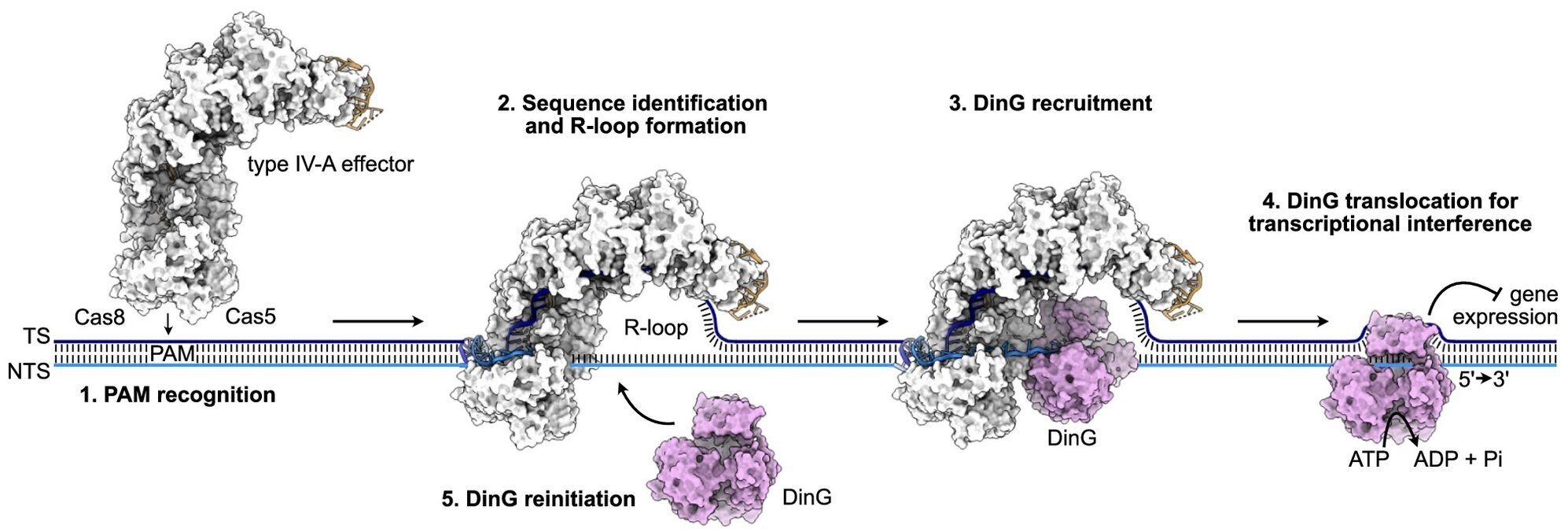
Researchers at Vilnius University's Life Sciences Center have developed a novel CRISPR system that silences genes without cutting DNA, using an RNA-guided complex to recruit the enzyme DinG for gene suppression. This method, which involves the formation of R-loops, offers a safer alternative for gene modification, potentially advancing genome editing and biotechnology applications.

science1 year ago

CRISPR Gene Editing: Unintended Risks and Side Effects Unveiled

Researchers at the University of Zurich have discovered that using CRISPR to correct genetic defects in chronic granulomatosis can inadvertently cause new genetic issues. While they successfully inserted missing DNA letters in immune cells, the process sometimes led to missing or rearranged chromosome sections, potentially causing severe medical consequences like blood cancer. Despite testing alternative methods, the team couldn't fully eliminate these side effects.

science-and-technology1 year ago

"Renewed Genome-Editing Research: Chinese Scientist Jailed for Designer Babies Speaks Out"

Chinese scientist He Jiankui, who was jailed for creating the world's first genome-edited babies, has resumed research on human embryo genome editing for treating genetic diseases while claiming to adhere to international rules. He aims to use discarded human embryos and comply with both domestic and international regulations, denying any current intent to produce more genome-edited babies. He emphasized the safety and health of the three genome-edited children, while expressing regret for the haste of his previous research. Genome editing is a technique involving precise modifications to genes, and various countries restrict the use of edited human embryos for creating babies.

science-and-technology1 year ago

"Unlocking the Potential of Junk DNA in Birds for Gene Therapy"

A new gene therapy technique called Precise RNA-mediated INsertion of Transgenes (PRINT) leverages retrotransposons found in birds to safely insert genes into a "safe harbor" in the human genome, avoiding disruption of essential genes or potential cancer risks. This approach complements CRISPR-Cas9 gene editing by providing a method to insert whole genes into the genome, offering promise for treating hereditary diseases caused by various mutations in the same gene. The technique involves using a retroelement protein called R2 to efficiently insert genes into the genome, particularly into the ribosomal RNA encoding region, providing a safe and effective method for gene supplementation.

science-and-technology1 year ago

"Reviving the Dodo: Scientists' Progress in De-Extinction Efforts"

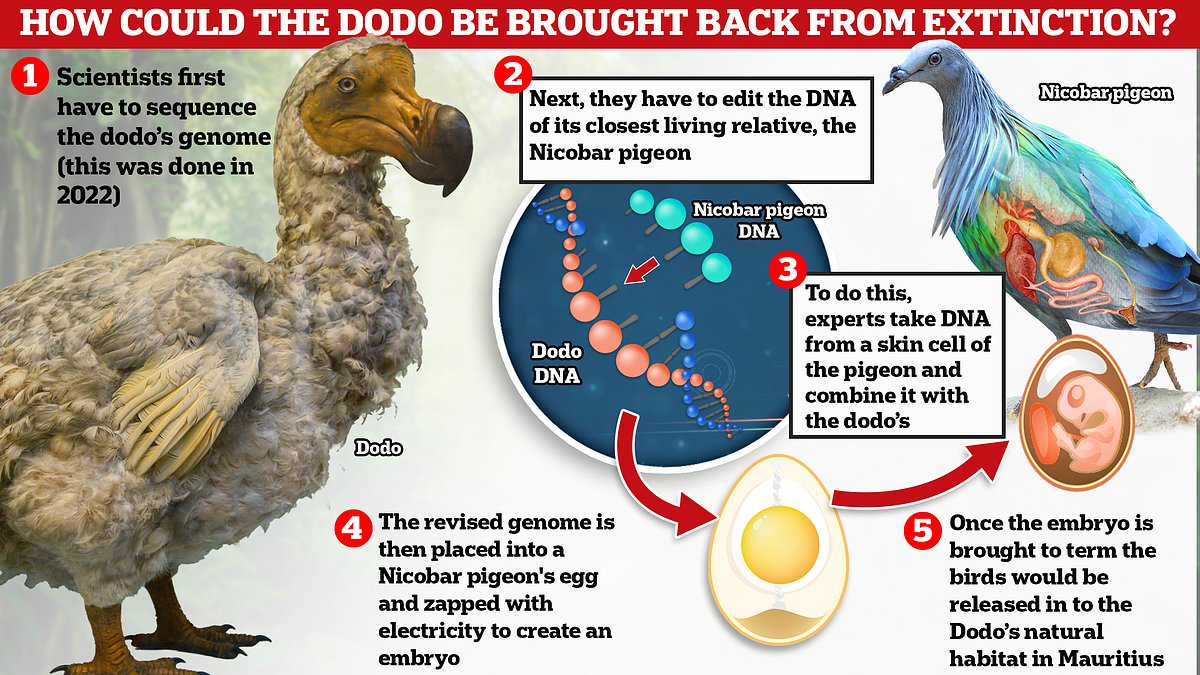
Scientists are using stem cell technology and genome editing to bring back the extinct dodo, with US startup Colossal Biosciences leading the ambitious $225 million project to "de-extinct" the species more than 350 years after it was wiped out from Mauritius. The company also aims to revive the woolly mammoth and Tasmanian tiger. By gene-editing the skin cells of the dodo's closest living relative, the Nicobar pigeon, and using a living surrogate mother, scientists hope to see the first lab-grown dodo born within this decade. The project involves collaboration with The Mauritian Wildlife Foundation to restore ecosystems and find a suitable location for the dodos once they are grown in the lab.

science-and-technology1 year ago

"Next-Generation CRISPR: Advancements in Precision Gene Editing"

The recent development of CRISPR-COPIES by the Center for Advanced Bioenergy and Bioproducts Innovation (CABBI) represents a significant advancement in genetic engineering, streamlining the identification of optimal genetic integration sites and accelerating the pace of scientific discovery and innovation. This high-tech upgrade to the CRISPR/Cas system offers a powerful and accessible tool for precision genome editing, with applications spanning agriculture, biofuel production, and gene therapy, promising to drive forward the boundaries of what’s possible in genetic engineering.

science-and-technology1 year ago

"Advancing Targeted Gene Editing: CRISPR Delivery Breakthroughs"

Scientists have developed enveloped delivery vehicles (EDVs) that can transport CRISPR genome editing tools to specific cells for precise genome engineering within living organisms. These EDVs, created by Nobel Prize winner Jennifer Doudna's lab, have the potential for widespread therapeutic use and were shown to successfully target and edit the genomes of human cells in both in vitro and in vivo experiments. The research establishes a programmable delivery method for genome editing and highlights the potential for targeted in vivo engineering of tissue-resident stem cells.

science-and-technology2 years ago

"Regulating Genome Engineering: The Role of Anti-CRISPR Proteins and Off-Switches"

Researchers have identified two anti-CRISPR proteins, AcrIC8 and AcrIC9, that can "turn off" the broad and unidirectional genome editing activity of the type I CRISPR protein Cas3, paving the way toward safer and better-controlled CRISPR applications. These proteins work by blocking the CRISPR-associated complex for anti-viral defense (Cascade) from engaging DNA targets, inhibiting Cas3-induced DNA deletion and gene activation. This discovery sets the stage for improved type I editing outcomes through temporal, spatial, tissue-specific, and light- or drug-controlled Acr regulation, offering tunable control beyond a simple on-off switch.

science-and-technology2 years ago

Advancements in CRISPR Technology Pave the Way for Clinical Trials and Precise Gene Targeting

Researchers are developing a new wave of CRISPR-based gene editing techniques that offer more precision and versatility than the original CRISPR-Cas9 system. These next-generation systems, such as base editing and prime editing, can change individual DNA bases, insert or delete small stretches of DNA, and alter the epigenome to regulate gene activity. Base editing therapies are already in early clinical trials, while prime editing is being enhanced for efficiency. The regulatory approval of classical CRISPR-Cas9 therapies paves the way for these advanced techniques, expanding the possibilities for treating genetic disorders and diseases.

science-and-technology2 years ago

Expanding the CRISPR Toolbox: Unveiling a Wealth of New Genome Editing Systems

Researchers have used an algorithm to discover new and rare types of CRISPR systems, which could potentially be adapted for genome editing. By analyzing genetic sequences in public databases, the algorithm identified around 130,000 genes associated with CRISPR, including 188 that had never been seen before. The experiments revealed various strategies that CRISPR systems use to attack viruses, such as unwinding DNA and cutting it in ways that allow genes to be inserted or deleted. The researchers also discovered an entirely unknown CRISPR system that targets RNA. While it is too early to determine their usefulness for genetic engineering, these new findings provide valuable insights into the diversity and potential applications of CRISPR systems.