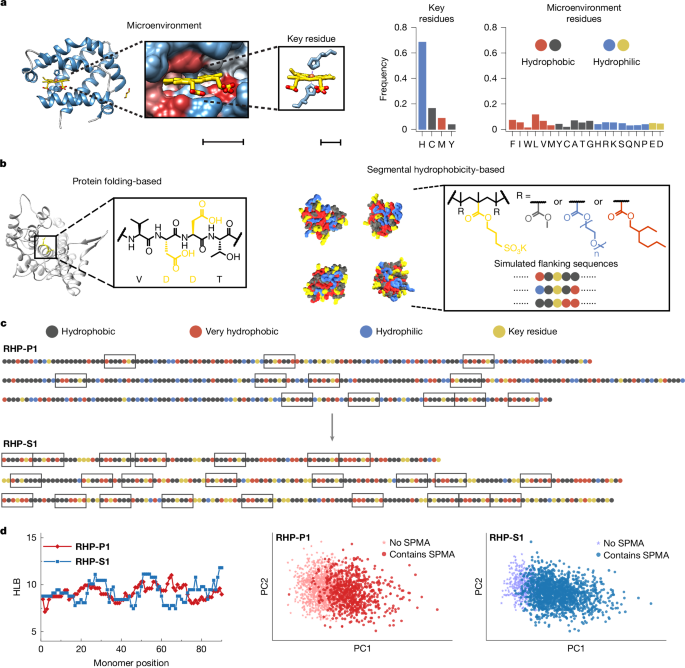
The article discusses the design and analysis of random heteropolymers as enzyme mimics, including data and code availability, experimental methods, and computational studies to understand their structure and function, supported by extensive references and acknowledgments.
Researchers from Nobel Laureate David Baker's lab and the University of Washington have used AI to design antibodies from scratch, successfully creating molecules that bind to their targets, potentially revolutionizing the antibody drug industry and enabling faster, more efficient drug development.
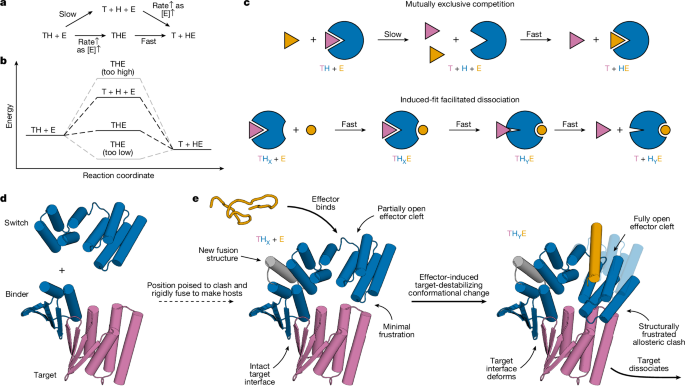
The article discusses the design of protein systems that utilize facilitated dissociation to control the timing of cytokine signaling, enabling rapid and tunable regulation of protein interactions through allosteric mechanisms and structural strain, with applications in cellular signaling and biosensing.
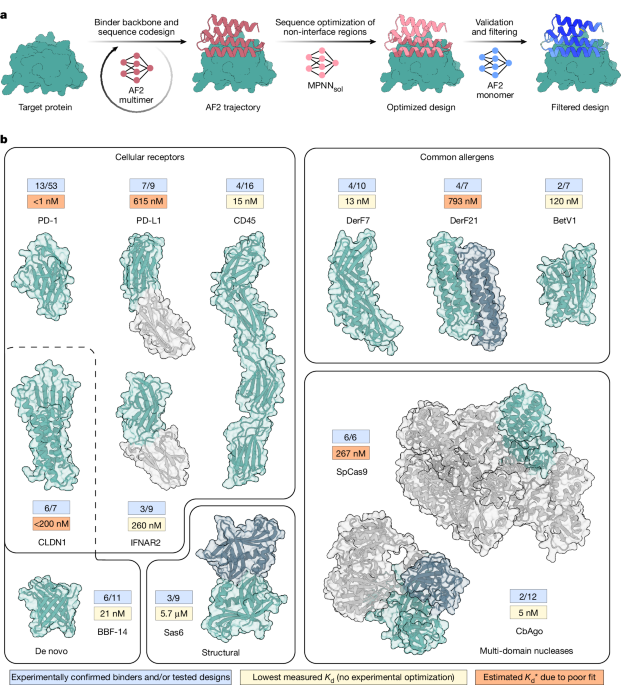
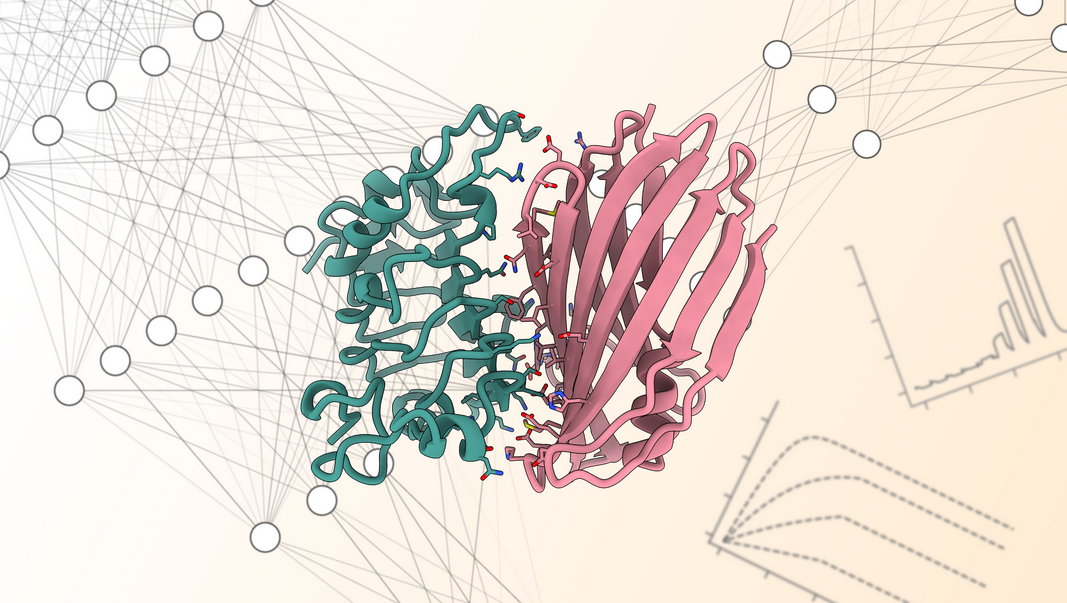
BindCraft is a novel computational pipeline that leverages deep learning, specifically AlphaFold2, to de novo design functional protein binders targeting diverse proteins, including challenging membrane receptors, allergens, and nucleases, with high success rates and potential therapeutic applications.
BindCraft, an AI-powered pipeline for de novo protein binder design developed by EPFL researchers, achieves high success rates in creating functional protein binders against diverse targets, including challenging proteins like CRISPR-Cas9, with potential to accelerate drug discovery and therapeutic development. Its open-source availability has garnered widespread industry and academic adoption, marking a significant advancement in computational protein engineering.
Researchers have developed an AI platform that rapidly designs personalized immune cell therapies for cancer, reducing development time from years to weeks, and showing promising laboratory results for targeted cancer cell destruction. The method involves creating custom proteins to guide immune cells to attack tumors, with plans for clinical trials in the next five years.
Latent Labs has launched a web-based AI model called LatentX that enables users to design novel proteins, including therapeutics like nanobodies and antibodies, directly in their browser. The model has achieved state-of-the-art performance and aims to democratize protein design by licensing its technology to external organizations, with plans to monetize advanced features in the future.
Researchers from Nobel Laureate David Baker's lab have developed AI-based methods to target intrinsically disordered regions (IDRs) in proteins, previously considered 'undruggable,' enabling new therapeutic possibilities for diseases like cancer, pain, and diabetes. These approaches use amino acid sequences to design high-affinity binders, overcoming previous challenges and expanding drug discovery horizons.
Researchers at the University of Washington's Institute for Protein Design are using AI models to build synthetic proteins, aiming to make biofuel production more efficient and cost-effective by potentially replacing traditional crop-based methods.
Scientists are calling for the safe and ethical use of AI-designed proteins to prevent potential bioweaponization, as AI tools have advanced the capacity to design new proteins. An initiative has been launched to encourage self-regulation within the biodesign community, including the establishment of expert committees to review software and improved screening of DNA synthesis. While some experts advocate for government regulation to address biosecurity risks, others fear it could hinder the development of beneficial applications of AI-designed proteins.
Over 90 biologists and A.I. specialists, including Nobel laureate Frances Arnold, have signed an agreement to ensure that A.I.-aided research in protein design moves forward without posing serious harm, particularly in the creation of bioweapons. They argue that the benefits of current A.I. technologies for protein design far outweigh the potential for harm, emphasizing the potential for new vaccines and medicines. The agreement aims to regulate the use of equipment needed to manufacture new genetic material, rather than suppress the development or distribution of A.I. technologies.
AI is revolutionizing the design of custom proteins, raising concerns about biosecurity risks. Experts advocate for embedding barcodes into synthetic proteins' genetic sequences to trace their origins and ensure safety. AI-powered protein design programs, such as structure-based AI and large language models, are rapidly advancing, prompting the need for global support from scientists, research institutions, and governments to establish biosecurity policies. Discussions about biosecurity are crucial for the safe and equitable advancement of custom protein design.
Scientists at the Institute for Protein Design at the University of Washington School of Medicine have used AI-driven software to create protein molecules that bind with exceptional affinity and specificity to challenging biomarkers, including human hormones. This breakthrough in protein design has significant implications for drug development, disease detection, and environmental monitoring, offering potential advancements in disease treatments and diagnostics. The AI-generated proteins can detect complex molecules relevant to human health and the environment, providing a cost-effective alternative to antibodies. The study demonstrates the successful integration of AI and biotechnology, setting a new precedent in both fields.
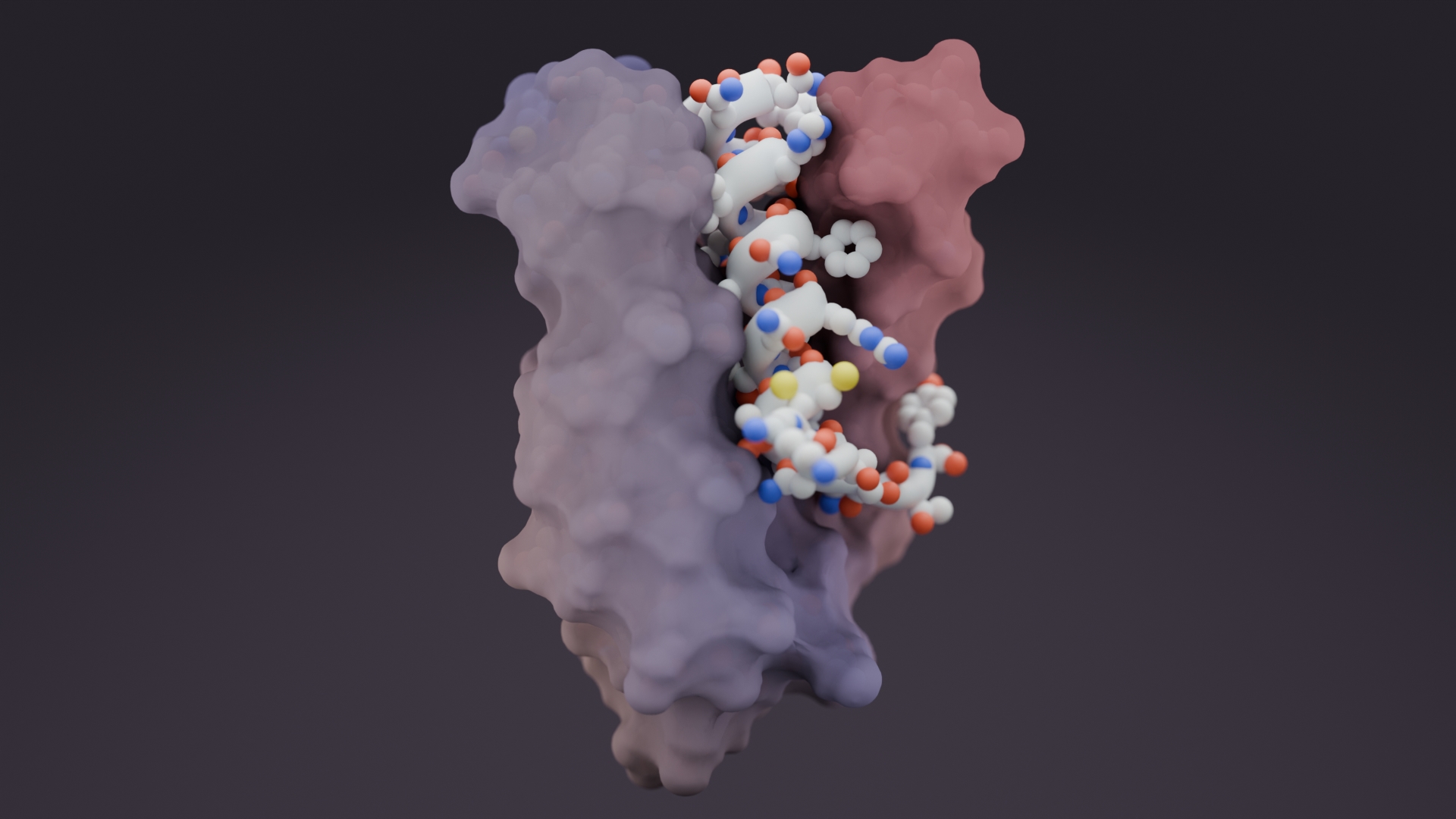
Researchers have developed a method for de novo protein design to generate high-affinity binders for bioactive helical peptides. By combining parametric generation and deep learning-based techniques, they were able to design binders with picomolar affinity to helical peptide targets. These designed binding proteins can be used for sensitive detection and clinical management of diseases. The method also enables the construction of protein biosensors. This represents a significant advancement in the field of protein design without the need for experimental optimization.
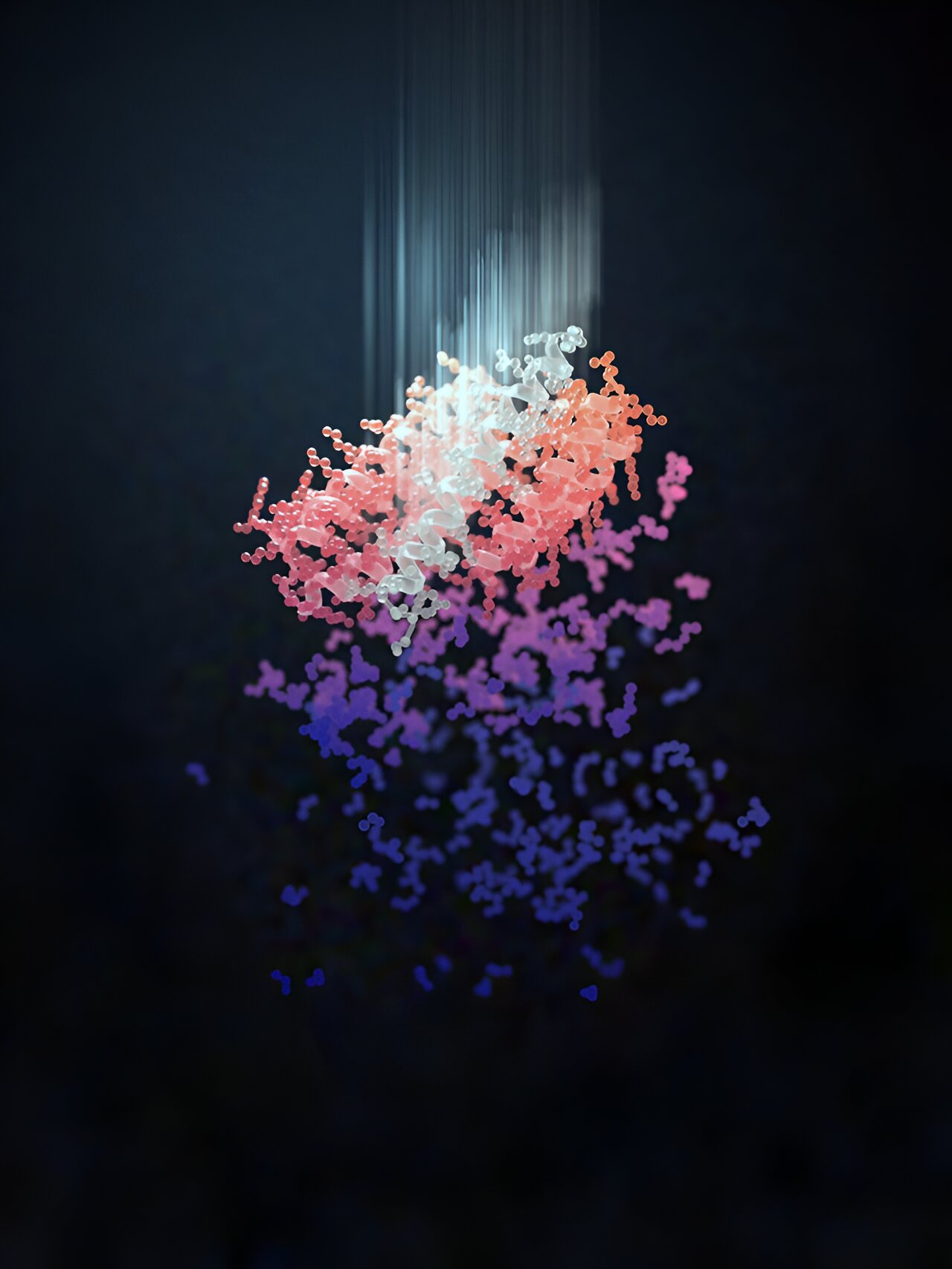
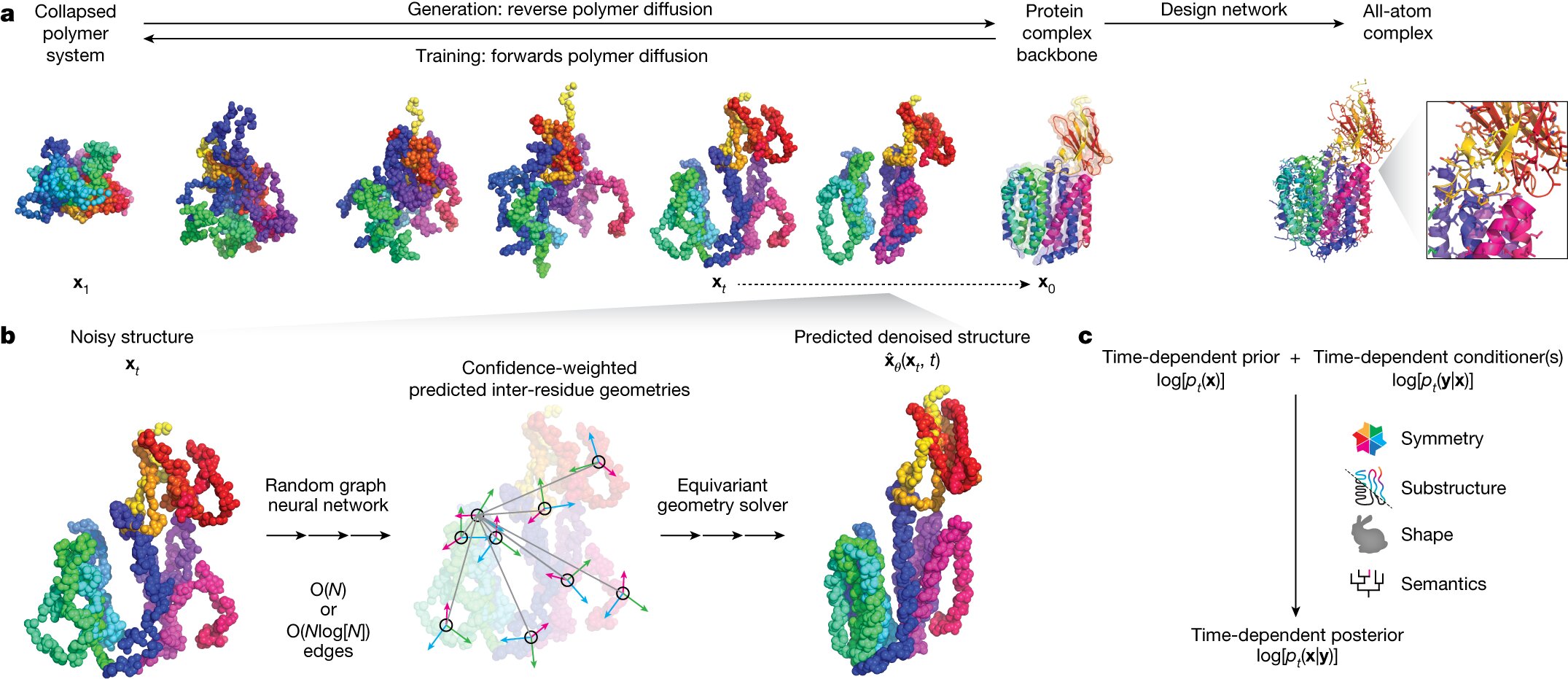
Generate Biomedicines has developed Chroma, an AI system capable of generating diverse proteins with specified properties. Chroma's programmability allows users to specify a wide range of protein properties, offering potential for tailored protein engineering. Experimental validation tests showed Chroma's effectiveness in generating proteins with stable folding and structural conformity. With the ability to create novel proteins, existing drugs could be made safer and untreatable diseases could gain access to previously un-druggable targets. This AI-guided protein design could reshape drug development by emphasizing protein functionality and enabling the discovery of treatments for thousands of diseases.