Despite a tumultuous year for colleges, U.S. News & World Report's rankings remained largely stable, with Princeton, MIT, and Harvard maintaining top positions, and California Berkeley named top public university, reflecting ongoing reliance on rankings despite criticisms.
Jerome Powell, Federal Reserve Chair and Princeton graduate, revealed he initially found economics boring and useless, but later recognized its importance after a diverse career including law, investment banking, and government service, culminating in his appointment as Fed Chair.
The X Window System, which recently turned 40, remains relevant due to its cross-platform compatibility and utility in early computing environments. Developed by Robert W. Scheifler and Jim Gettys at MIT, X was essential for distributed computing and graphical interfaces in the 1980s. Robert Lupton, an astrophysics professor at Princeton, recalls its development and enduring utility in academic and research settings.
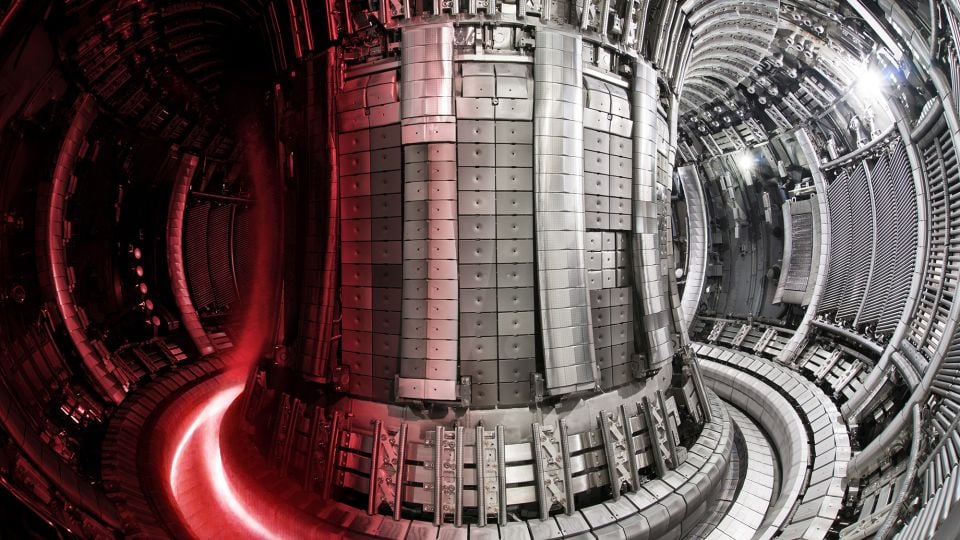
Researchers at Princeton and the Princeton Plasma Physics Laboratory have developed a machine learning method to control plasma edge bursts in fusion reactors, significantly enhancing performance without causing damage. This breakthrough allows for real-time optimization, reducing computation times from tens of seconds to milliseconds, and has been successfully tested at two different fusion facilities. The approach holds promise for future fusion devices, including ITER, and represents a significant advancement in the quest for sustainable fusion energy.
Researchers at Princeton University have developed a new device small enough to fit in regular eyeglasses that significantly improves the field of view and image quality of holograms. This innovation, which involves a second optical element working with spatial light modulators, could lead to more realistic holograms and wider applications in VR and AR, making the technology lighter and more practical for everyday use.
Sam Waterston, known for his role in "Law & Order," addressed Princeton University's Class of 2024 during their Class Day, encouraging graduates to find their own answers and shape the world. The event, marked by student activism and unique traditions, highlighted the graduates' resilience through the pandemic and ongoing global issues. Waterston emphasized the importance of taking action and using their education to create a better future.
Early Saturday morning, the School of Public and International Affairs (SPIA) at Princeton University was vandalized with red dye in the fountain and spray paint reading "Pretty Town Bloody Gown" on Robertson Hall. Princeton Israeli Apartheid Divest (PIAD) stated that the action was likely by an autonomous group pushing for university divestment from Israel, though PIAD did not coordinate the vandalism. This follows previous pro-Palestine and anti-Israel graffiti incidents on campus. The university has yet to comment.
Researchers at Princeton University have developed a new method for connecting distant quantum devices, a significant advancement for quantum communication networks. The technology uses telecom band light to efficiently transmit signals with minimal losses through optical fiber, overcoming a major obstacle in establishing resilient quantum communication networks. The study, published in Nature, details the innovative approach to constructing quantum repeaters, which involves using erbium ions emitting light at an optimal infrared wavelength. While this achievement represents a crucial milestone, further work is needed to enhance the storage duration of quantum states in the erbium ion’s spin, highlighting the ongoing pursuit of improvement in the dynamic quantum computing landscape.
Physicists at Princeton University have discovered a new quantum state, "hybrid topology," in arsenic crystals, merging edge and surface states in a unique quantum behavior. This groundbreaking finding, published in Nature, has significant implications for developing new quantum devices and technologies. The discovery opens up possibilities for engineering new topological electron transport channels and designing future nanodevices and spin-based electronics. The observation of the combined topological edge mode and the surface state may enable the development of quantum information science and quantum computing devices. This finding also paves the way for potential applications in quantum technologies and "green" technologies.
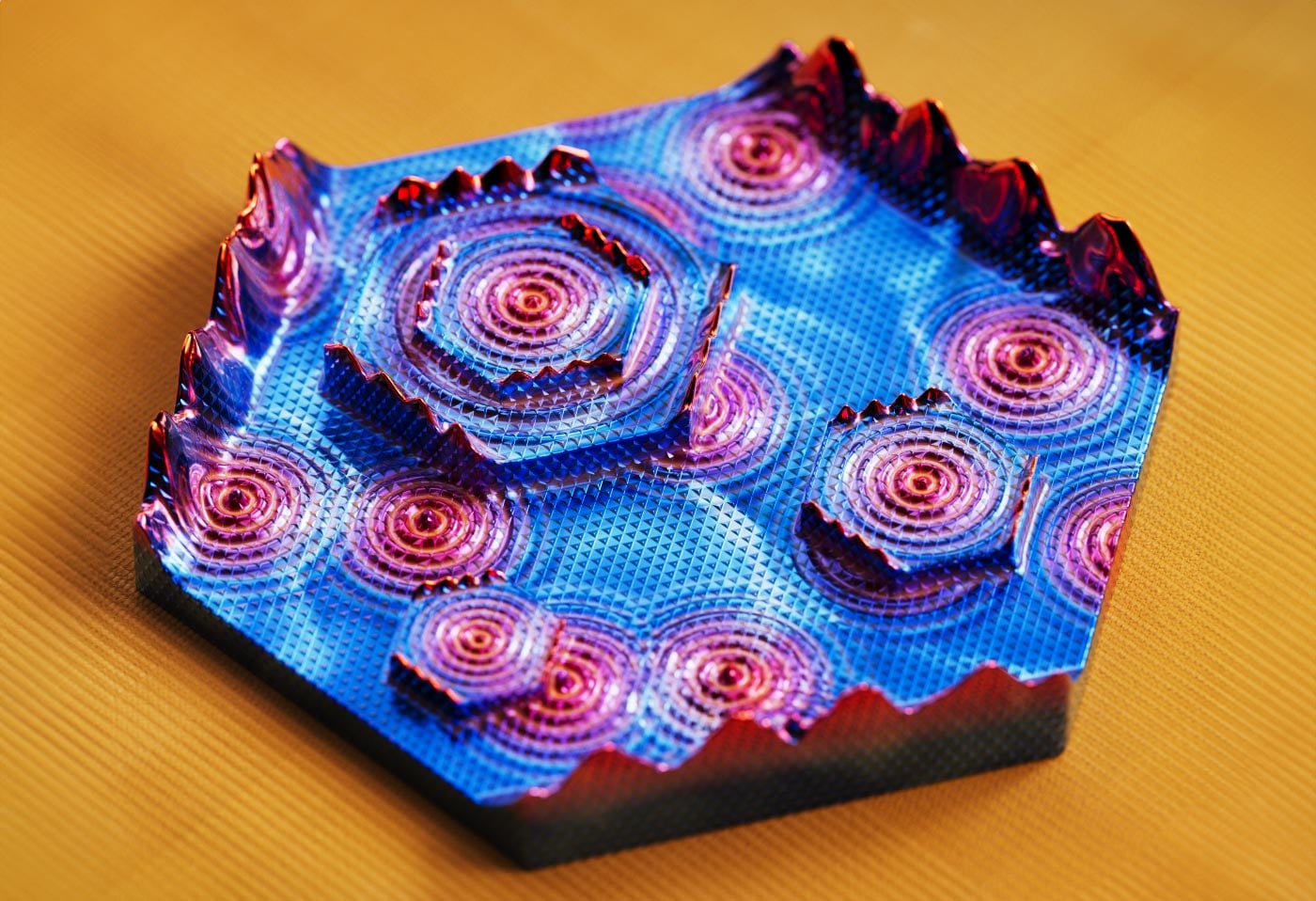
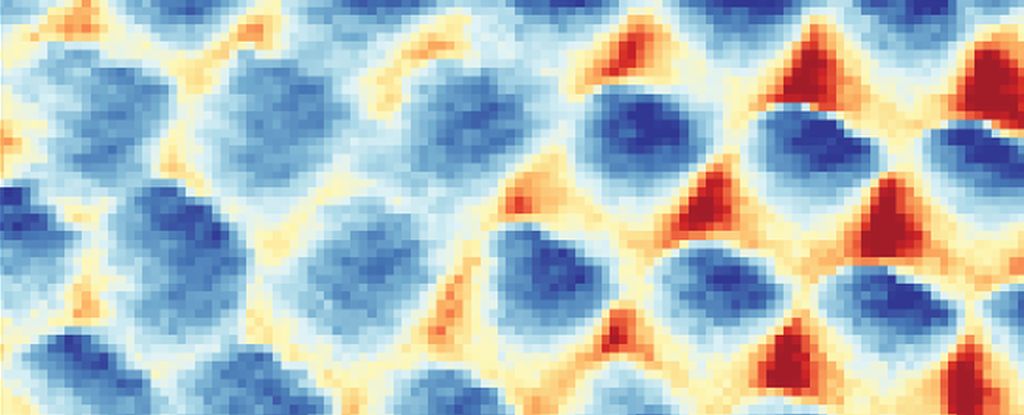
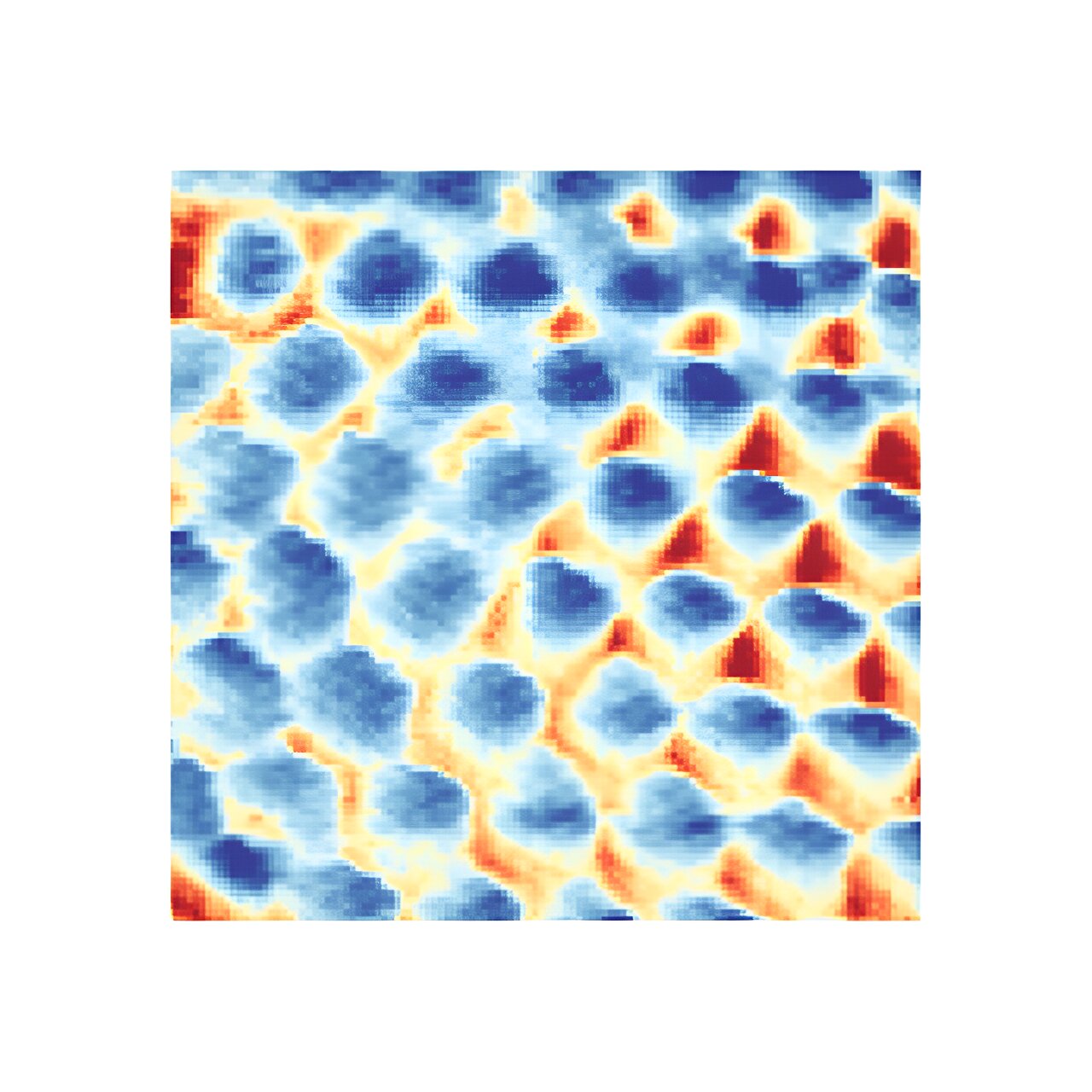
Physicists have finally captured direct observational evidence of the Wigner crystal, a peculiar kind of matter proposed by Eugene Wigner 90 years ago, in which free electrons are forced together in a crystalline lattice due to their mutual repulsion. Using high-resolution scanning tunneling microscopy, a team of physicists from Princeton University observed the Wigner crystal in pristine graphene at extremely low temperatures and low densities, confirming its properties and revealing its novel quantum nature, including strong zero-point motion. This groundbreaking discovery provides the first direct images of the Wigner crystal and contradicts previous theories about its stability and density range.
Physicists at Princeton University have successfully visualized the Wigner crystal, a crystal made entirely of electrons, for the first time using a scanning tunneling microscope. This breakthrough confirms a 90-year-old theory proposed by Eugene Wigner and could lead to the discovery of new quantum phases of matter. The researchers used pristine graphene and low temperatures to directly image the crystal, observing its triangular configuration and its ability to transition into an electron liquid phase. They also discovered the quantum nature of the crystal, including the "zero-point" motion of electrons, and are now investigating how the crystal melts and transitions into other exotic liquid phases.
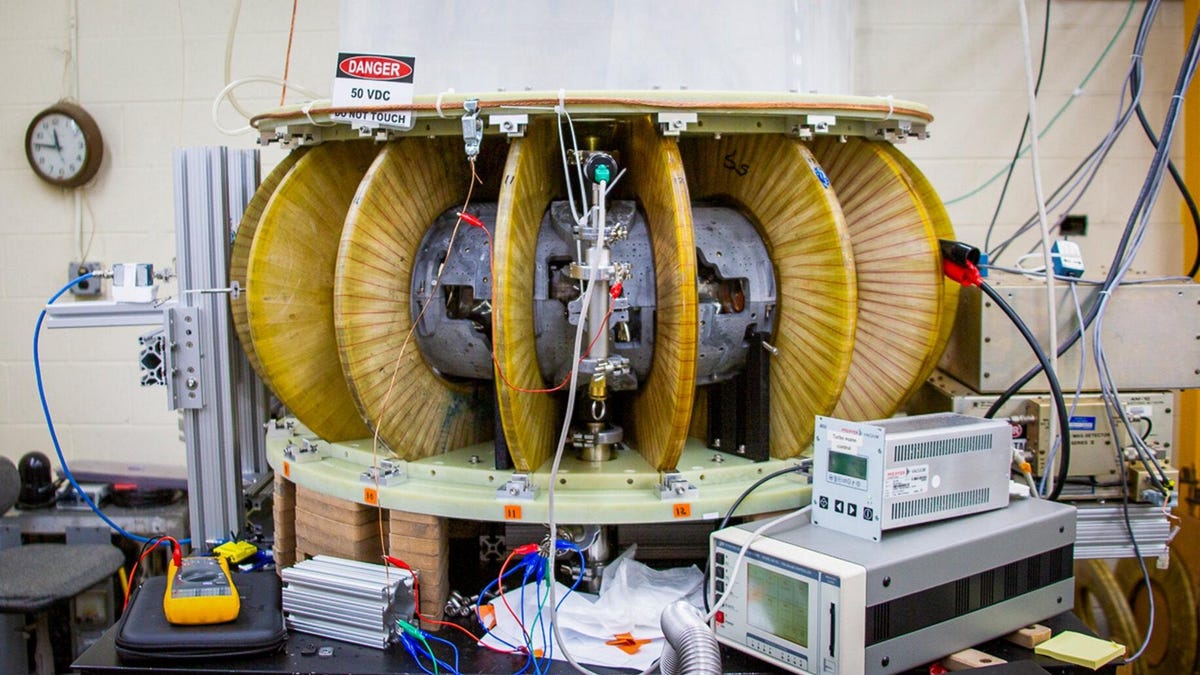
Physicists and engineers at Princeton University have built a twisting fusion reactor called a stellarator, named MUSE, using permanent magnets, which offers a potentially cost-effective method for constructing powerful machines. This new technique allows for quick testing of plasma confinement ideas and easy device construction. The use of permanent magnets eliminates the need for electric current to generate magnetic fields, making it easier for scientists to replicate experimental setups and perform high-temperature experiments, bringing us closer to the goal of usable and scalable fusion energy.
Renowned psychologist and Nobel prize winner Daniel Kahneman has passed away at the age of 90. His groundbreaking work in behavioural economics, particularly the theory that people's behavior is often based on instinct rather than rational decision-making, has had a profound impact on the social sciences. Kahneman's influential research earned him the Nobel memorial prize in economic sciences in 2002, and his bestselling book "Thinking, Fast and Slow" further solidified his legacy. Kahneman's contributions have left an indelible mark on the field of psychology and economics, and he will be greatly missed.
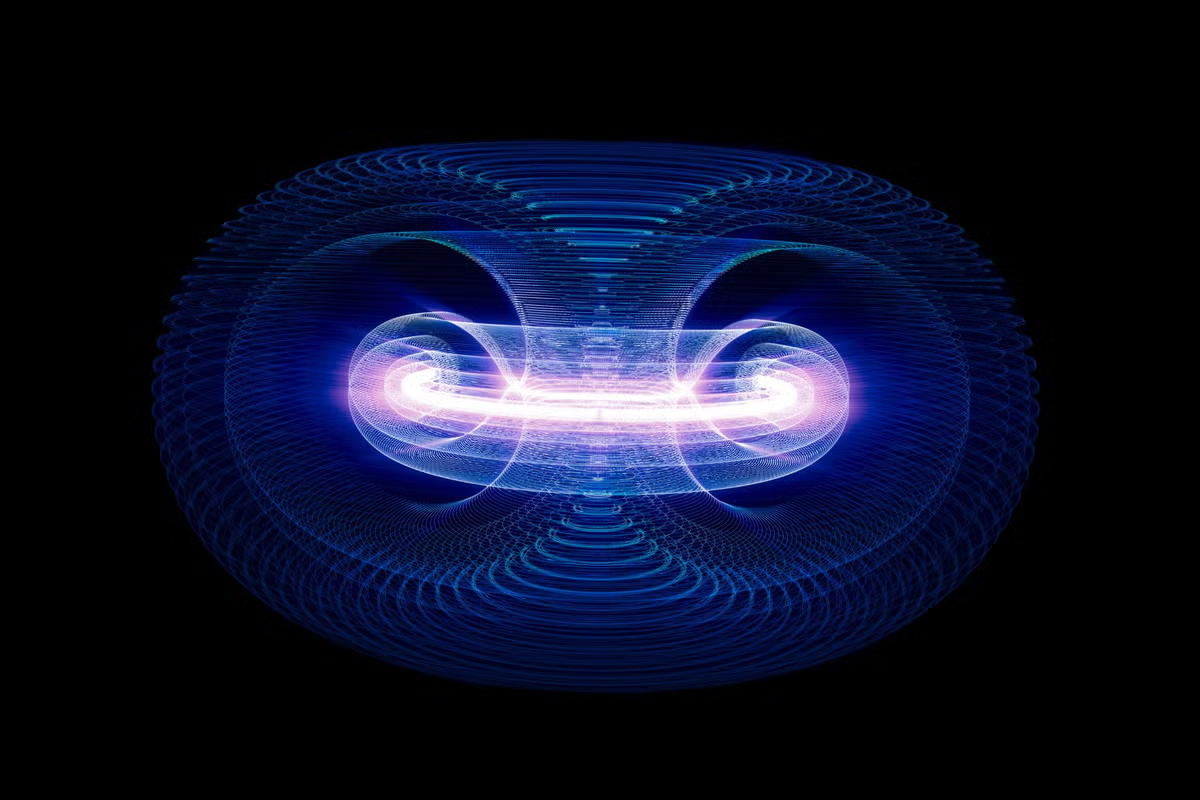
Scientists at Princeton University have used artificial intelligence to predict and prevent instabilities in plasma during nuclear fusion reactions, a significant step towards achieving near-limitless clean energy. This breakthrough could lead to grid-scale adoption of nuclear fusion energy, as the AI model can recognize plasma instabilities 300 milliseconds before they occur, allowing for real-time modifications to keep the plasma under control. The research, published in Nature, represents a major milestone in the quest for harnessing nuclear fusion energy for large-scale power generation.
Scientists pursuing fusion energy have used artificial intelligence to forecast and prevent plasma instabilities, a major obstacle in achieving sustained fusion reactions. This breakthrough, reported in the journal Nature, could pave the way for near-limitless clean energy. While recent experiments have shown progress in sustaining fusion energy, commercial availability is still far off, highlighting the urgent need for deep cuts in planet-warming pollution to address the climate crisis.