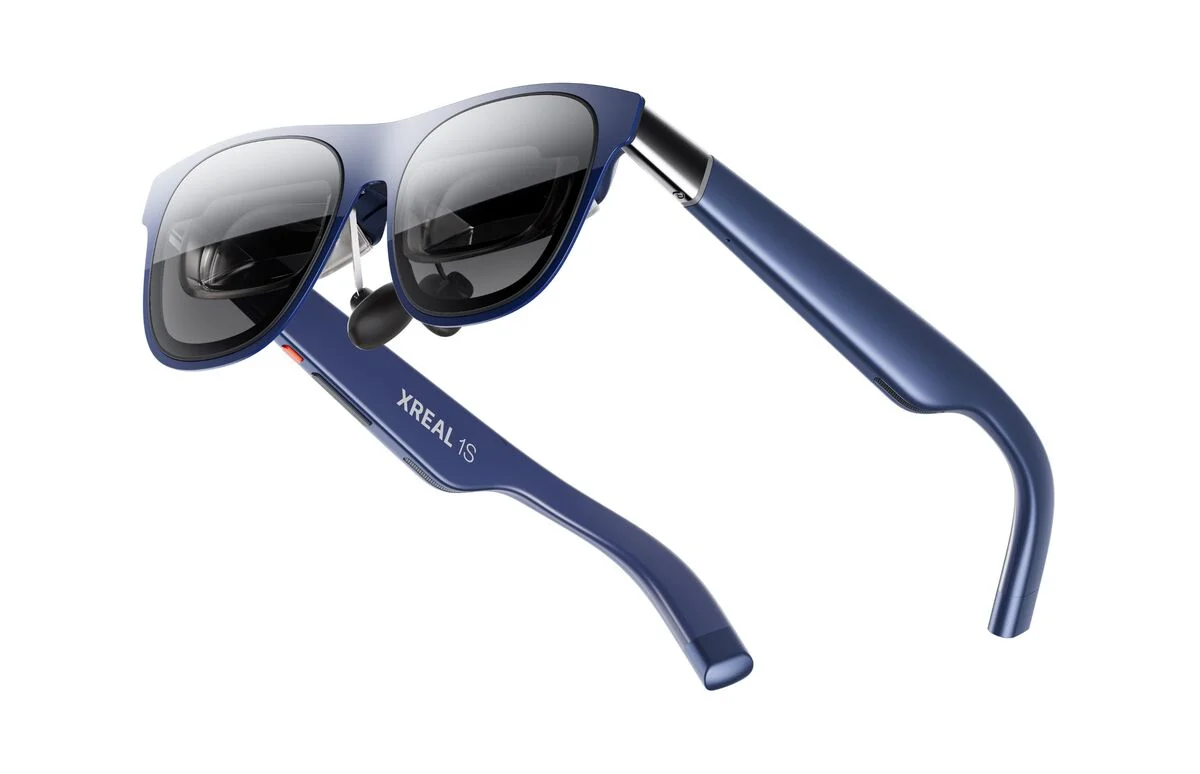
Xreal announced the upgraded 1S AR glasses at CES, featuring 1200p resolution and a lower price of $449, along with a $99 Neo accessory for Nintendo Switch 2 compatibility, emphasizing portable, affordable AR options despite less immersive experiences compared to headsets like Apple Vision Pro.
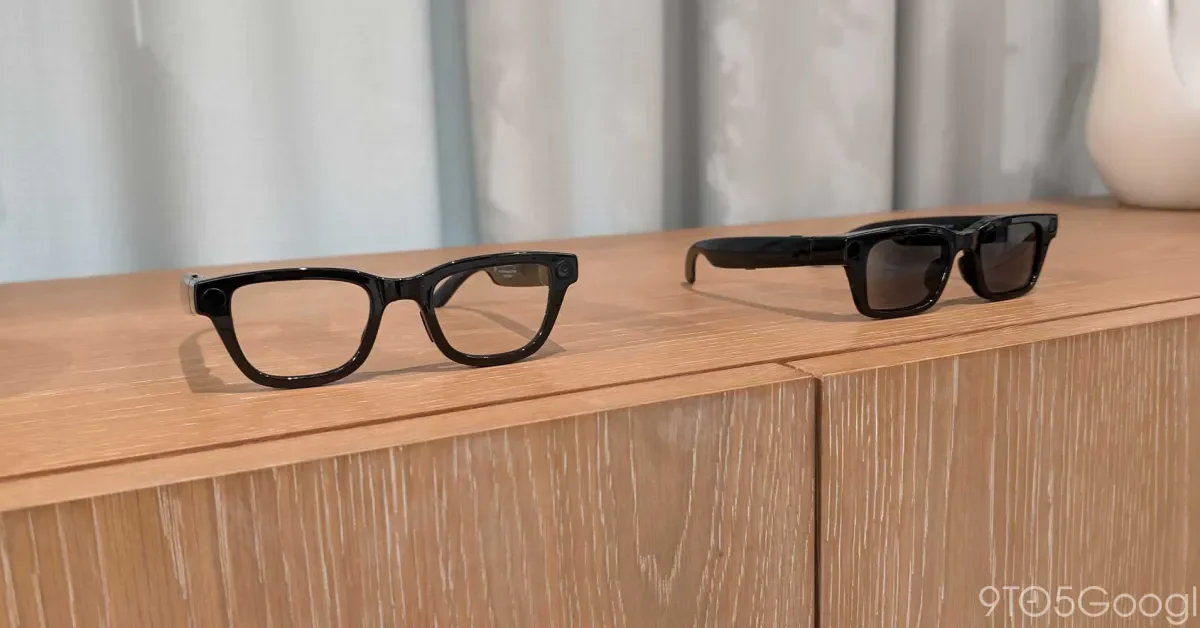
Google is expected to re-enter the smart glasses market in 2026 with Android XR glasses designed to replace traditional eyeglasses and serve as a new consumer electronics device, emphasizing continuous wear, AI integration, and real-time camera use, potentially transforming how we interact with digital content and our environment.
The article discusses advancements in augmented reality (AR) lenses, highlighting how geometric reflective waveguides embedded in glass are making smart glasses lighter, brighter, and more practical, bringing AR closer to everyday use. It draws a historical parallel to Benjamin Franklin's bifocals, emphasizing the ongoing pursuit of tools that seamlessly integrate digital information into our lives.
Next year, Apple plans to unveil over 20 new products, including Apple Glasses, which are a key step toward Tim Cook's top priority: developing true AR glasses. While the initial version may focus on Siri and AI rather than AR functionality, it will set the foundation for future AR hardware and software, with a full AR glasses launch possibly happening in 2026 or 2027.
Advancements in AR lens technology, specifically geometric reflective waveguides embedded in glass, are making smart glasses lighter, more efficient, and more practical for everyday use, bringing augmented reality closer to mainstream adoption.
Advancements in AR lens technology, specifically geometric reflective waveguides embedded in glass, are making smart glasses lighter, brighter, and more practical, bringing us closer to seamless, everyday augmented reality experiences.
Meta has released an update for its AI glasses featuring a new conversation boosting capability, enhancing user interaction and communication through augmented reality technology.
Magic Leap has unveiled a prototype of Android XR smart glasses, extending its partnership with Google to develop display technologies for wearable AR, aiming to enhance all-day usability, as part of its shift from consumer to enterprise markets amid ongoing innovation and investment.
Amazon has developed new smart glasses for delivery drivers that provide hands-free navigation, package scanning, and proof of delivery, aiming to improve safety and efficiency. Early tests show promising results, including time savings and increased driver awareness, with optional use and privacy features in place. The glasses are part of Amazon's broader effort to enhance delivery operations and driver training, with plans for wider testing and future capabilities.
A small clinical trial demonstrates that a combination of surgically implanted chips and augmented-reality glasses can help some patients with age-related macular degeneration regain the ability to read, showing promising results despite current limitations such as black-and-white vision and uncertain long-term effectiveness.
Apple is developing smart glasses that may feature two modes with an in-lens display, indicating advancements in wearable augmented reality technology.
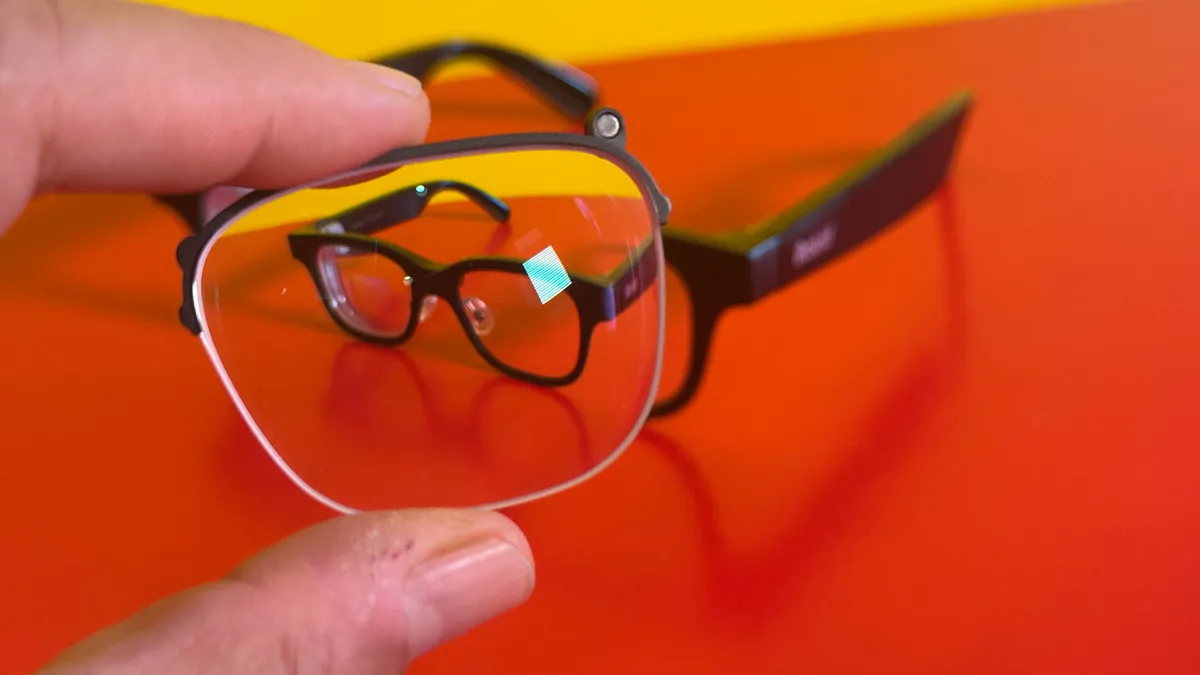
Rokid Glasses, launching later this year at $599, offer advanced features like AI, camera, audio, and a display, with the notable advantage of supporting prescription lenses through magnetic inserts, unlike Meta's Ray-Ban Display Glasses. They also feature a unique magnetic charging solution and are more compact, though they currently have some display reflection issues and less polished design. These glasses represent a significant step forward in wearable AR technology, especially for users with high prescriptions.
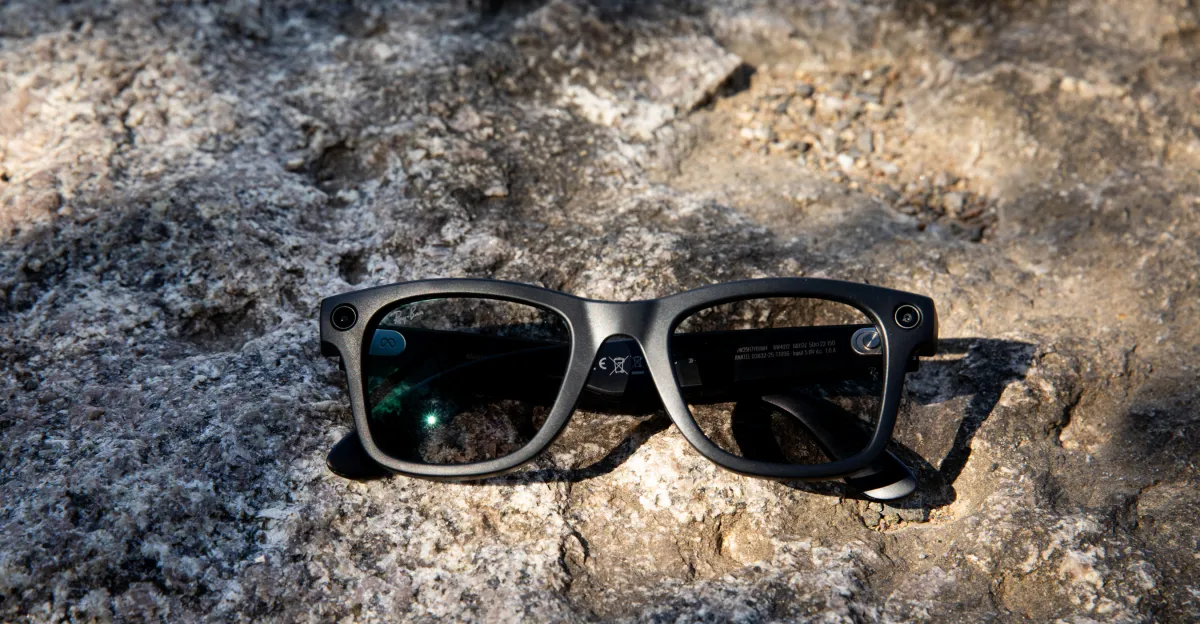
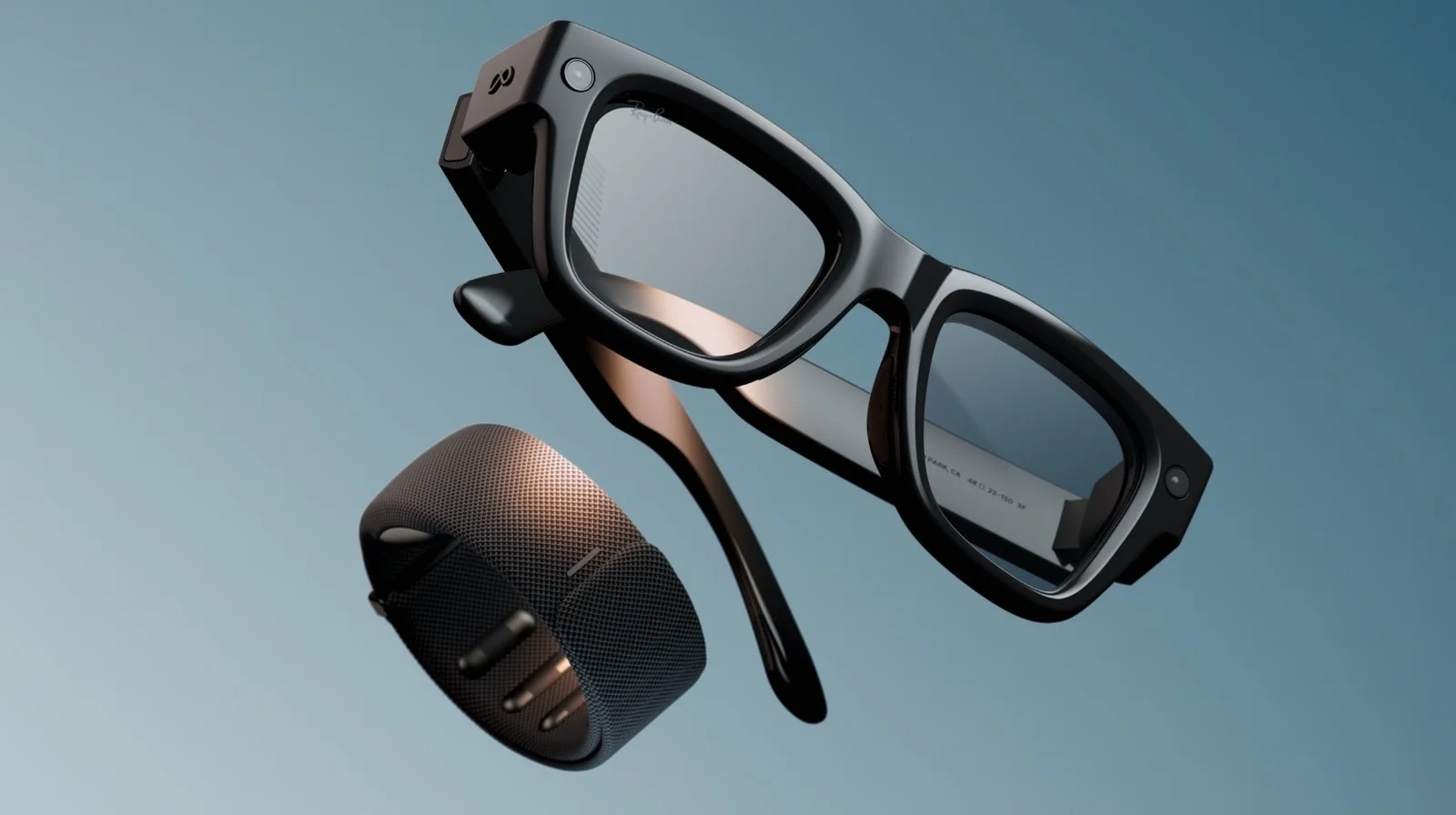
The article provides a hands-on review of Meta's new Ray-Ban Display glasses and Neural Band in New York City, highlighting their features such as navigation, photography, and communication capabilities, while also discussing issues like reflections and battery life, and exploring the potential future of wearable tech and media production.
Meta has launched the Ray-Ban Display, its first smart glasses with an in-lens display, offering new capabilities like messaging, navigation, and recording discreetly, raising both excitement and privacy concerns about the future of wearable technology.