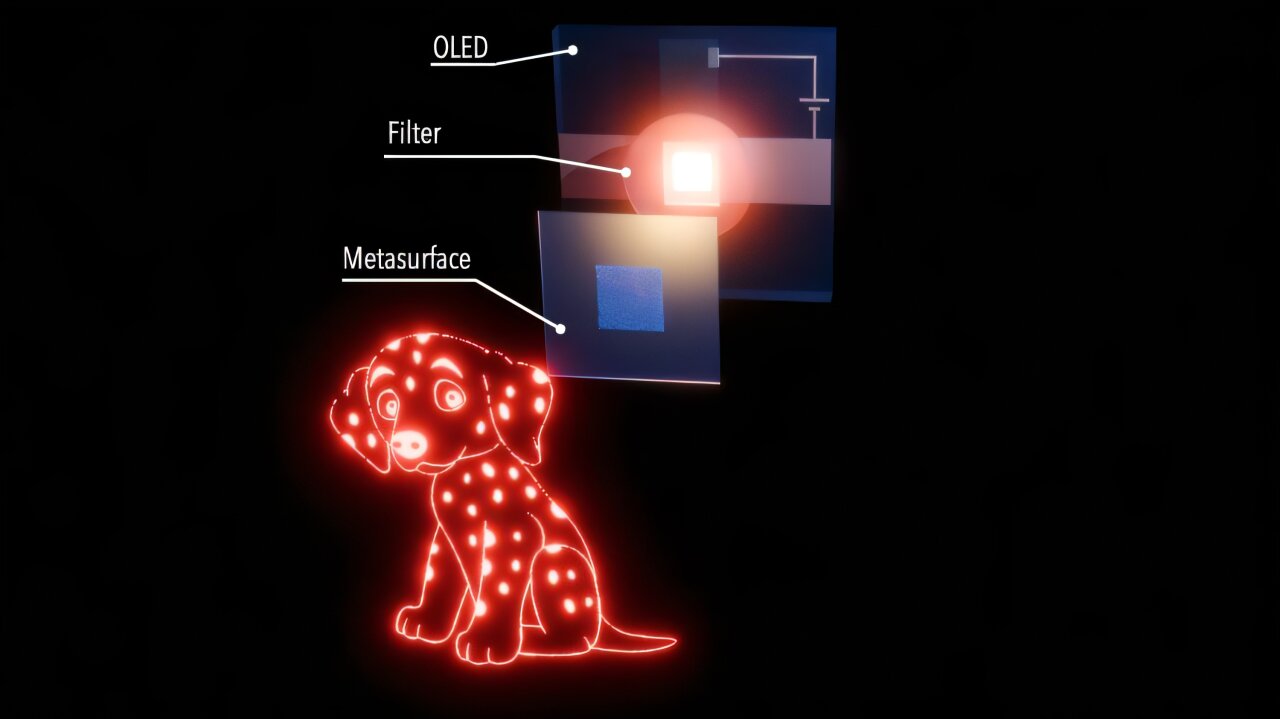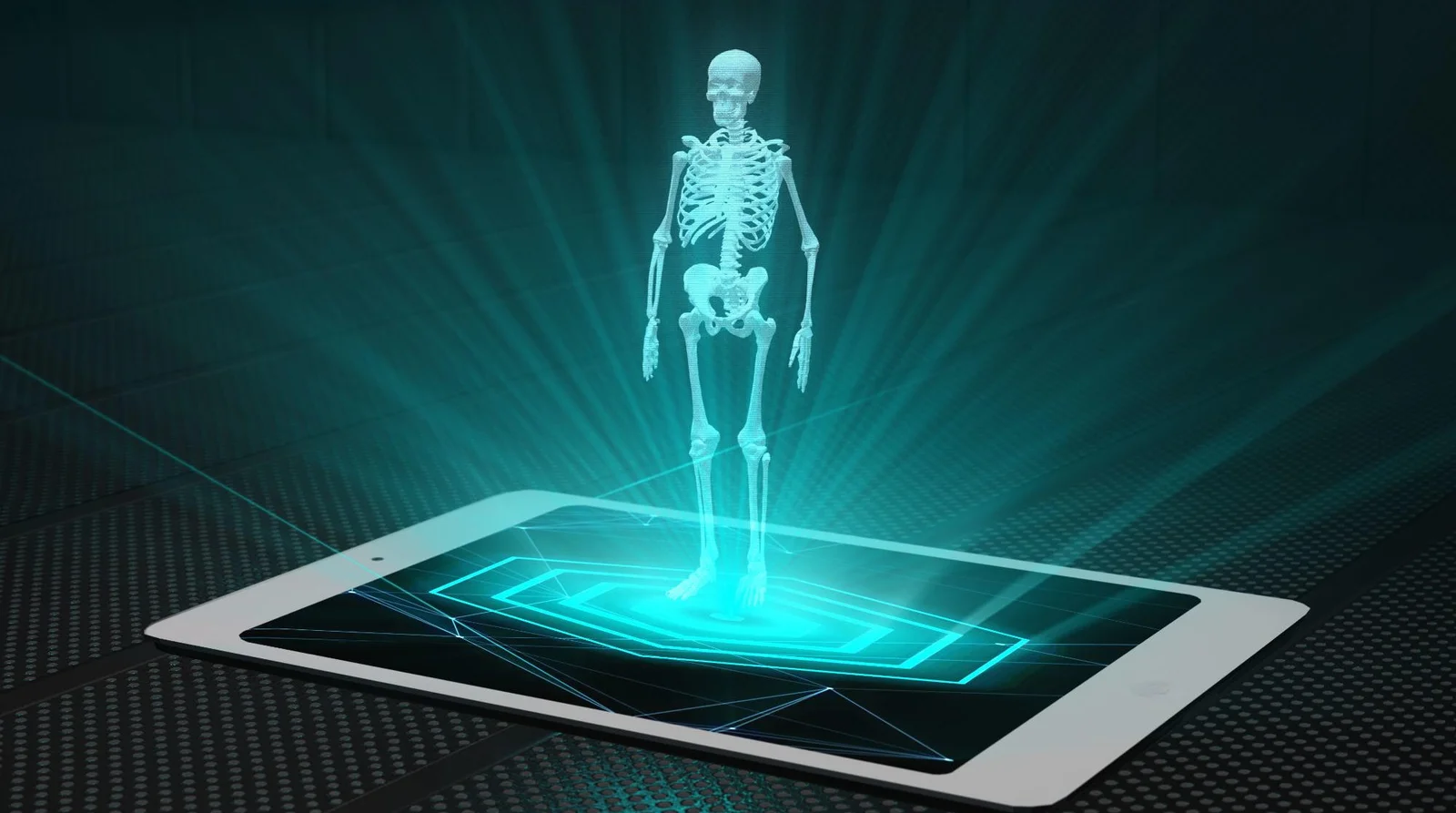
Researchers from the University of St Andrews have developed a new method combining holographic metasurfaces and organic LEDs to create more compact, cheaper, and easier-to-apply holograms, potentially enabling holographic displays in smartphones and other everyday devices.
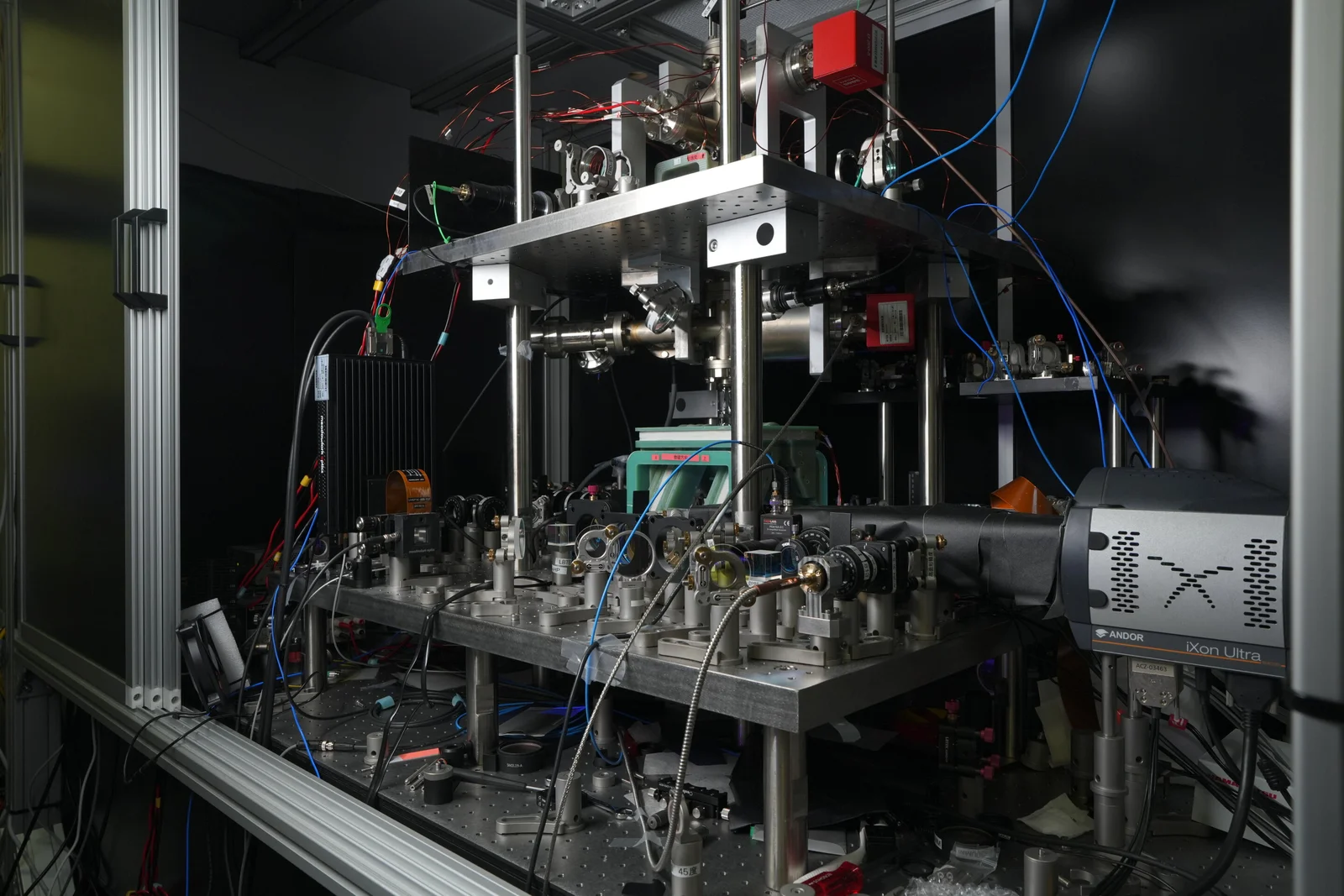
Researchers have developed an AI-enabled method to assemble large, defect-free arrays of thousands of atoms using holograms and optical tweezers, enabling rapid, scalable, and precise atomic arrangements for quantum computing and simulations.
Science fiction has inspired numerous real-world inventions, from holograms and tablets to self-driving cars and the metaverse, demonstrating how imaginative stories often serve as blueprints for technological innovation.
Researchers at Princeton University have developed a new device small enough to fit in regular eyeglasses that significantly improves the field of view and image quality of holograms. This innovation, which involves a second optical element working with spatial light modulators, could lead to more realistic holograms and wider applications in VR and AR, making the technology lighter and more practical for everyday use.
Fans express hope for real-life implementation of duel disk and gazer technology, suggesting tutorial functions for beginners and envisioning dueling in the Olympics, while also expressing a wish for Konami to develop hard light hologram technology for actual dueling stadiums.
After concluding their "The End of the Road" farewell tour, rock band KISS plans to continue performing through digital avatars created in partnership with Industrial Light & Magic and Pophouse Entertainment Group. The band's holographic avatars made their debut during the final show, floating above the audience and performing a robotic rendition of a song. KISS aims to stay "forever young and forever iconic" with this technology, which has already proven successful for other artists like Abba. The band's history of capitalizing on merchandise and unique products makes this move unsurprising, and it reflects a growing trend of aging rock stars utilizing holograms for future performances.
Researchers have developed a deep-learning method that simplifies the creation of holograms, allowing 3D images to be generated directly from 2D photos captured with standard cameras. This technique outperforms current high-end graphics processing units in speed and doesn't require expensive equipment like RGB-D cameras, making it cost-effective. The approach involves three deep neural networks that transform a 2D color image into data that can be used to display a 3D scene or object as a hologram. This breakthrough has potential applications in high-fidelity 3D displays and in-vehicle holographic systems, revolutionizing holographic technology.
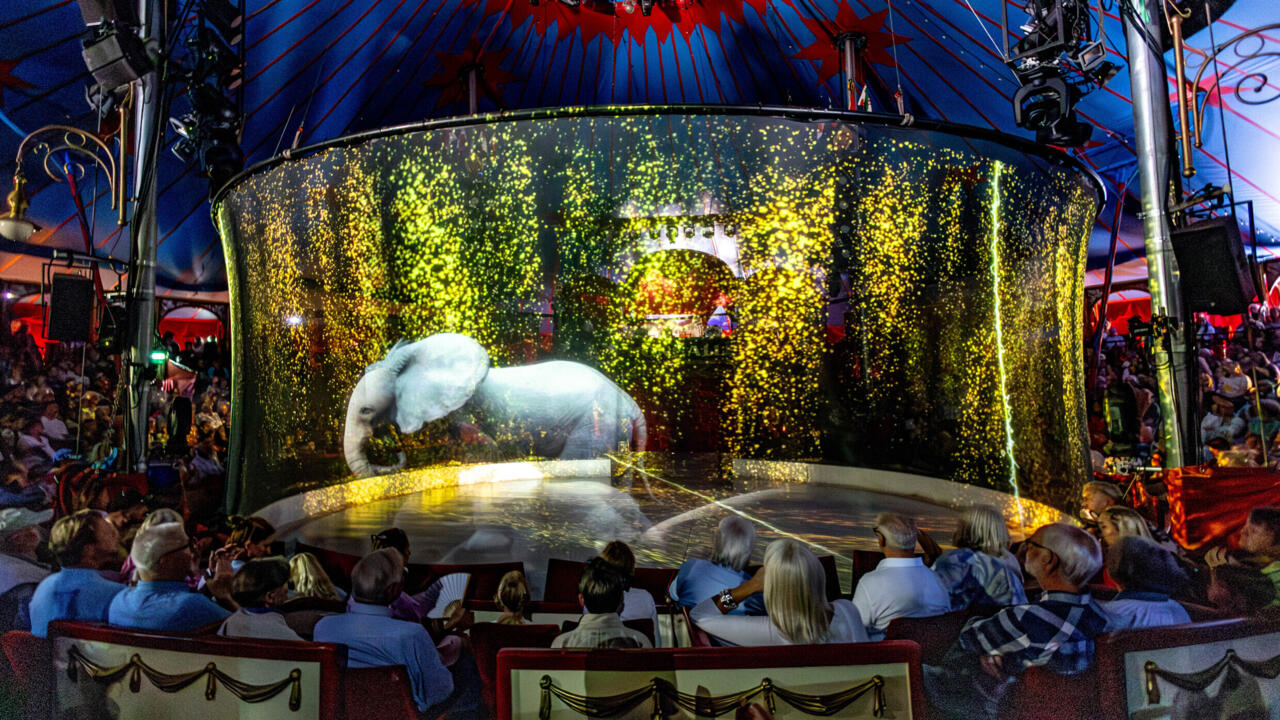
Germany's Roncalli circus has replaced live animals with holograms in its shows due to concerns over animal welfare. The circus removed live animals from its program in 2018 and turned to 3-D imagery to preserve the magic of animals for children. Using high-resolution images projected onto a fine-mesh netting, the holograms create a visual illusion that captivates audiences. The absence of live animals has become a draw in itself, with spectators appreciating the circus's commitment to animal welfare.
Japan is set to issue new banknotes as early as July 2024, featuring the faces of Eiichi Shibusawa, Umeko Tsuda, and Shibasaburo Kitasato on the 10,000 yen, 5,000 yen, and 1,000 yen bills, respectively. The new banknotes will also include holograms to prevent forgery and adopt images of Tokyo Station, wisteria, and a work on Mt. Fuji by ukiyo-e artist Katsushika Hokusai on their backs.
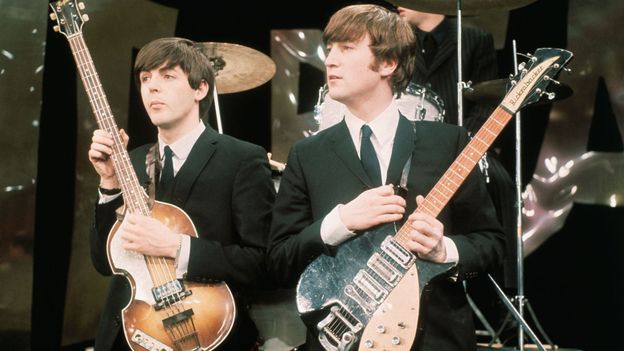
With the announcement of The Beatles' "final" record and the rise of AI music, holograms, and "raves beyond the grave," the music industry is grappling with the moral dilemma of bringing singers back from the dead. While some artists and fans are excited about the possibilities, others feel uneasy about the potential exploitation of deceased singers. The most sensitively treated posthumous releases tend to be nurtured by those who genuinely knew and loved the artists. Ultimately, the success of posthumous releases will depend on whether they sound emotionally engaging and authentic or fake and contrived to listeners.