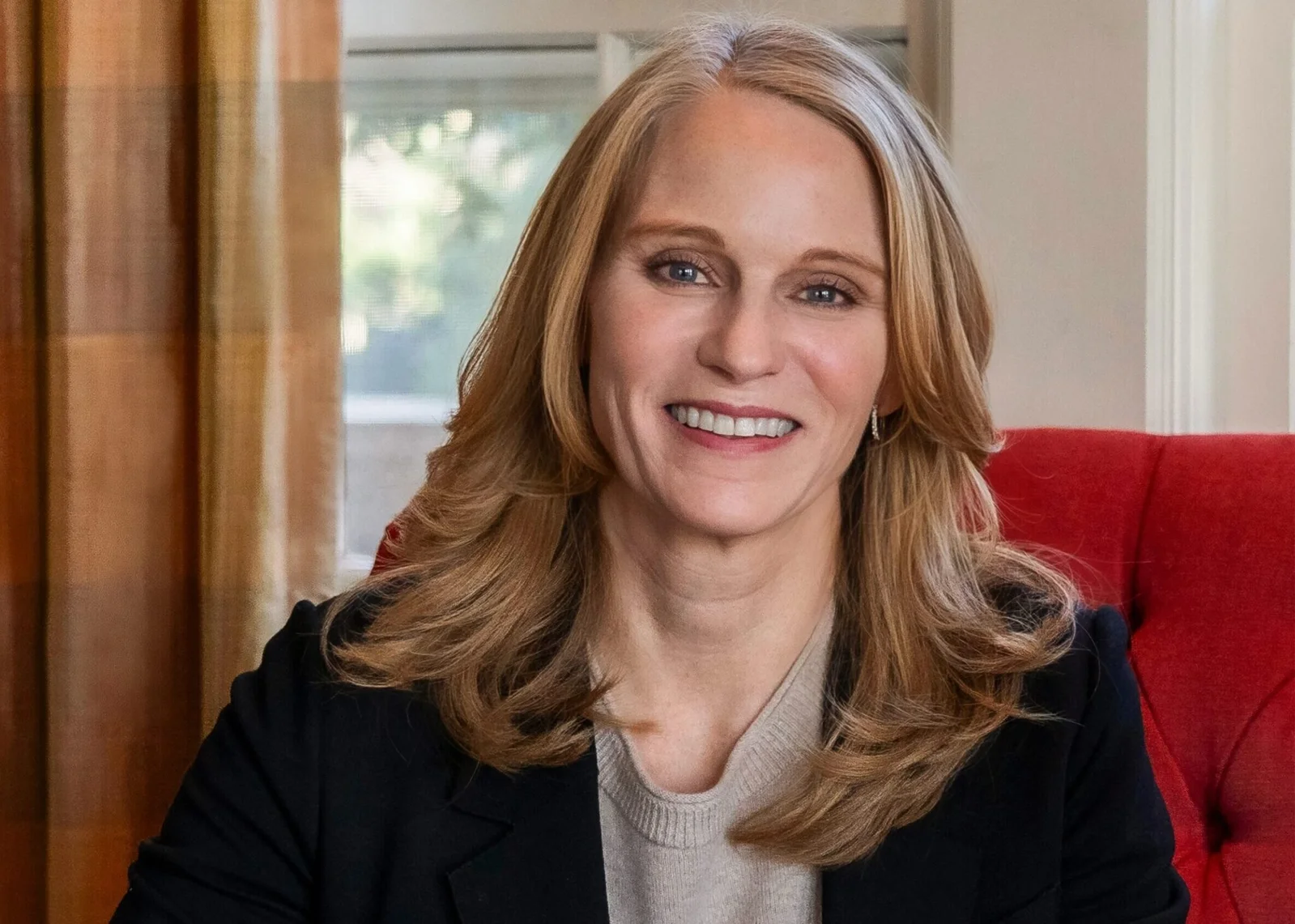
West Virginia University has appointed Beverly Wendland, a distinguished cell biologist and academic leader with extensive experience at Washington University in St. Louis and Johns Hopkins University, as its new provost and vice president for academic affairs, aiming to enhance academic excellence and research at the university.
UW-Madison has regained its position among the top five research universities in the U.S. for the first time since 2014, with a ranking of No. 5 and over $1.9 billion in research spending in 2024, driven by increased federal grants and a 12% rise in research funding.
The U.S. Education Department will investigate Brown University to determine if it complied with the Clery Act regarding crime reporting and safety procedures following a mass shooting that resulted in two deaths and nine injuries.
The University of Virginia's Board of Visitors appointed Scott Beardsley as the 10th president, despite calls to delay the process; Beardsley, the dean of UVA Darden School of Business, will start his term on January 1 and is recognized for his leadership in academia and business.
Scott Beardsley, with a diverse background in business and academia, has been appointed as UVA's 10th president. He has a rich history of leadership at UVA's Darden School of Business, where he improved rankings and raised significant funds, and is committed to advancing UVA's mission of education, research, and public service. His lifelong dedication to education and leadership positions him to help UVA reach its full potential.
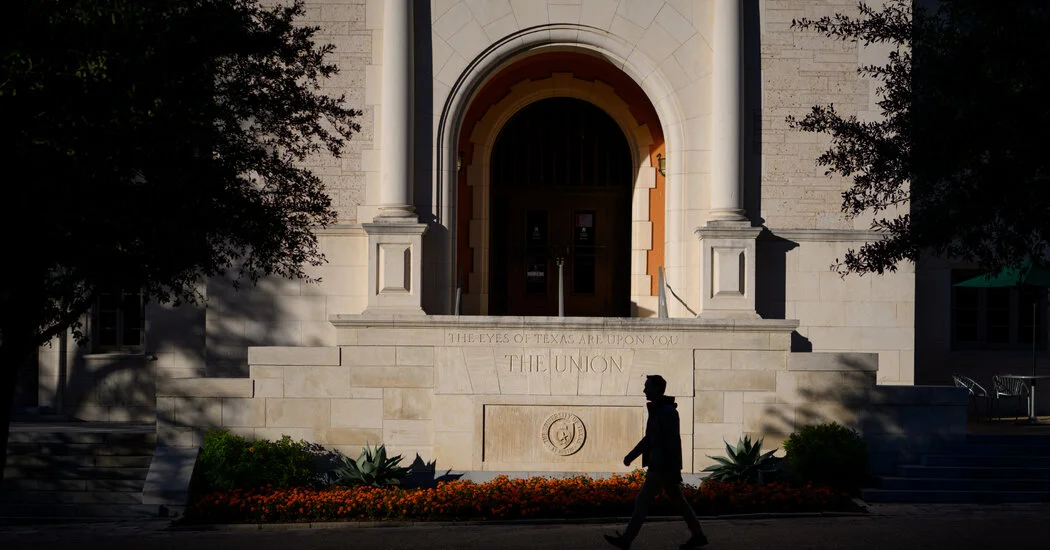
A study tracking Texas eighth graders from 2013-14 shows only 25% of students eventually earned a higher education degree or certificate, with significant disparities based on income and district demographics, highlighting opportunities for improvement in educational equity.
Texas has seen an increase in college completion rates over the past 15 years, but significant disparities remain for low-income, minority, and rural students. Recent policy reforms aim to improve outcomes, but challenges like affordability and access continue to hinder progress, especially for disadvantaged groups.
The article discusses the significant setbacks faced by diversity, equity, and inclusion (DEI) initiatives in higher education due to political and legal challenges, including funding cuts, law bans, and institutional closures of cultural centers, leading to a perceived 'death' of DEI efforts, though some believe the underlying principles will persist under new terminology and approaches.
The article highlights the importance of education in prisons as a means of rehabilitation and personal growth, showcasing stories of inmates pursuing higher education despite systemic barriers, and emphasizing that true freedom begins in the mind through learning and self-improvement.
The article discusses the emerging movement to reduce the emphasis on bachelor's degrees in the U.S., driven by concerns over rising costs, questionable ROI, and changing labor market needs, while highlighting the lack of broad, effective alternatives and the risks associated with shifting away from traditional higher education pathways.
The University of Virginia has agreed to follow federal guidance against racial discrimination in admissions and hiring, settling a federal investigation that scrutinized its diversity, equity, and inclusion practices amid broader efforts by the Trump administration to scrutinize public universities' DEI initiatives.
Seven of nine universities approached by the Trump administration declined a proposed 'Compact for Academic Excellence,' which would have linked funding to policy changes such as enrollment caps and bans on race and gender considerations, signaling resistance to the administration's policy demands in higher education.
The University of Arizona has become the seventh US university to reject a Trump administration proposal that aimed to influence campus culture, hiring, and admissions practices through a 'Compact for Academic Excellence,' emphasizing principles like academic freedom and merit-based research, amidst broader resistance from several institutions.
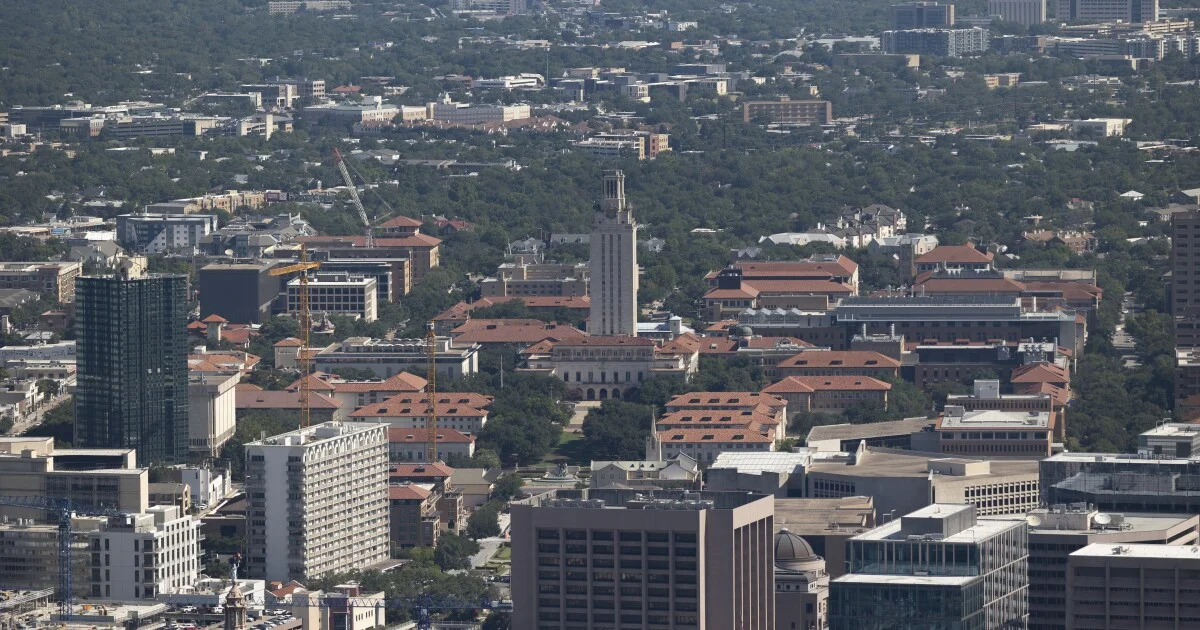
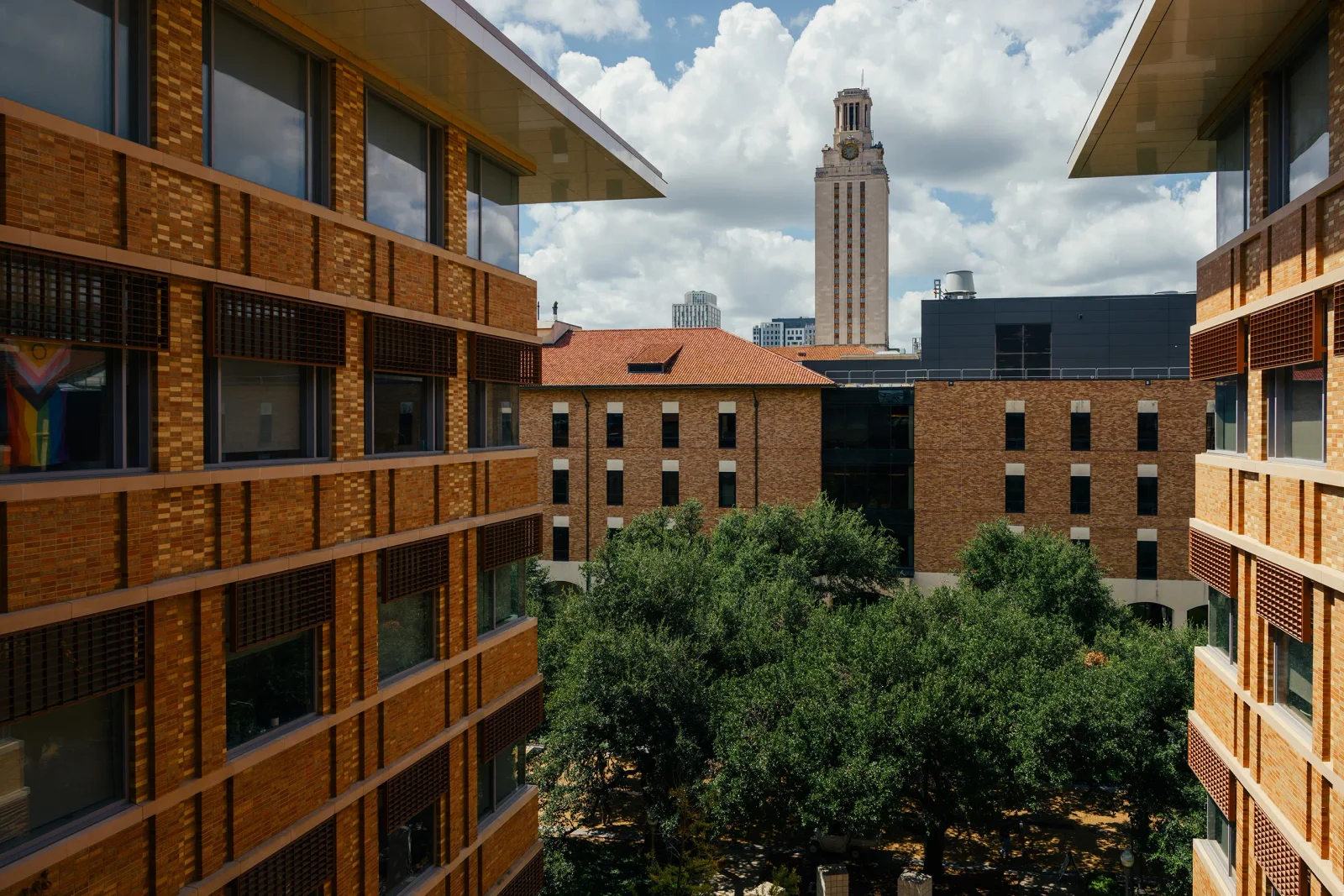
Most universities approached by the Trump administration to support a preferential funding plan have declined, with only the University of Texas showing potential interest, indicating widespread reservations among higher education institutions.
The Trump administration has issued a 'Compact for Academic Excellence' to nine colleges, requiring them to adopt policies such as banning transgender students from restrooms and sports aligning with their gender, freezing tuition, limiting international students, and requiring standardized tests, in exchange for federal funds. Most schools have declined to sign, citing disagreements with the principles and concerns over academic integrity. The White House has held discussions with some institutions, but key universities like UVA and Dartmouth have also refused to sign, emphasizing the importance of merit-based funding and academic independence.