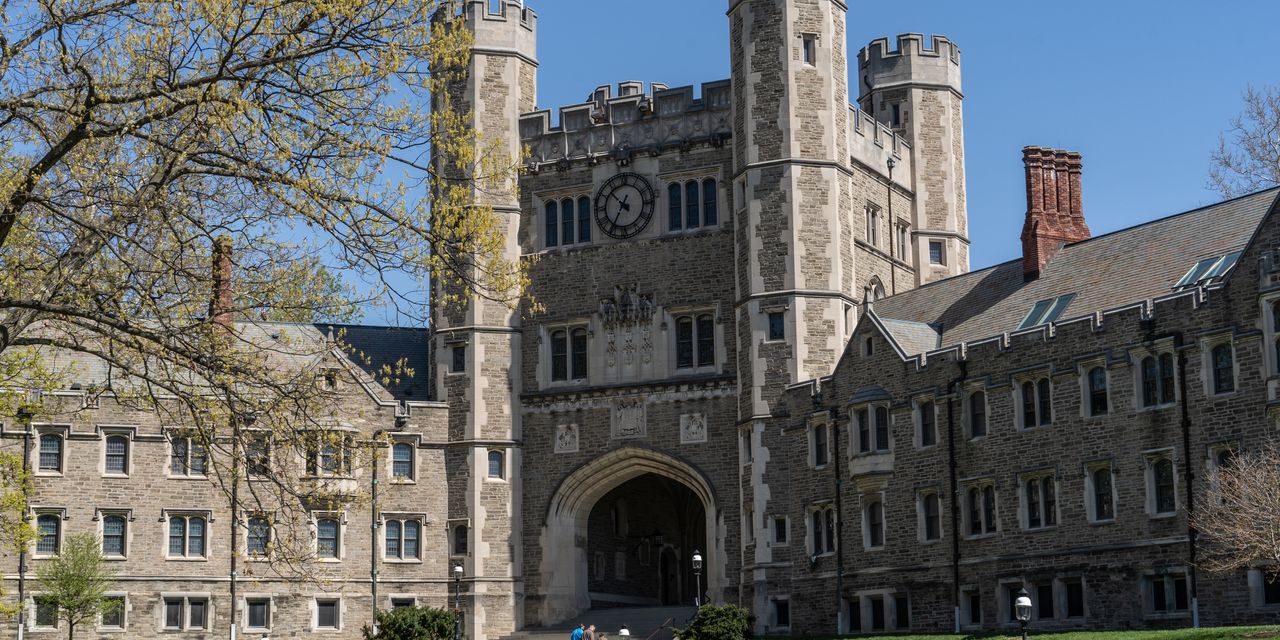
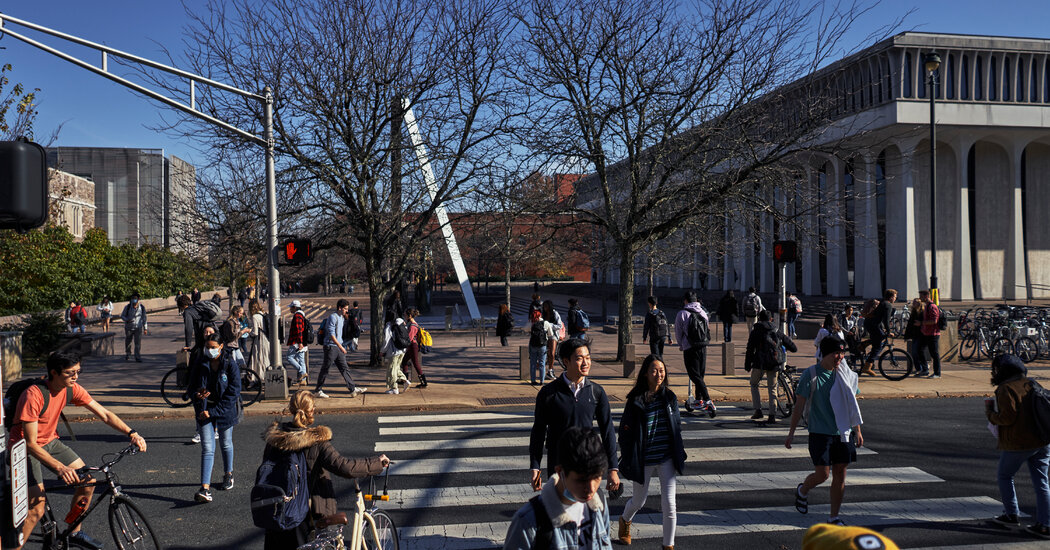
Despite a tumultuous year for colleges, U.S. News & World Report's rankings remained largely stable, with Princeton, MIT, and Harvard maintaining top positions, and California Berkeley named top public university, reflecting ongoing reliance on rankings despite criticisms.
Ohio State football remains at No. 3 in the AP Top 25 poll, with their share of No. 1 votes increasing from one to three after their victory over Penn State. Georgia holds the top spot with 38 votes, followed by Michigan at No. 2. Florida State also received three No. 1 votes, while Washington dropped its No. 1 votes but remained in the top five. Ohio State's upcoming game against Wisconsin will be crucial for their playoff seed.
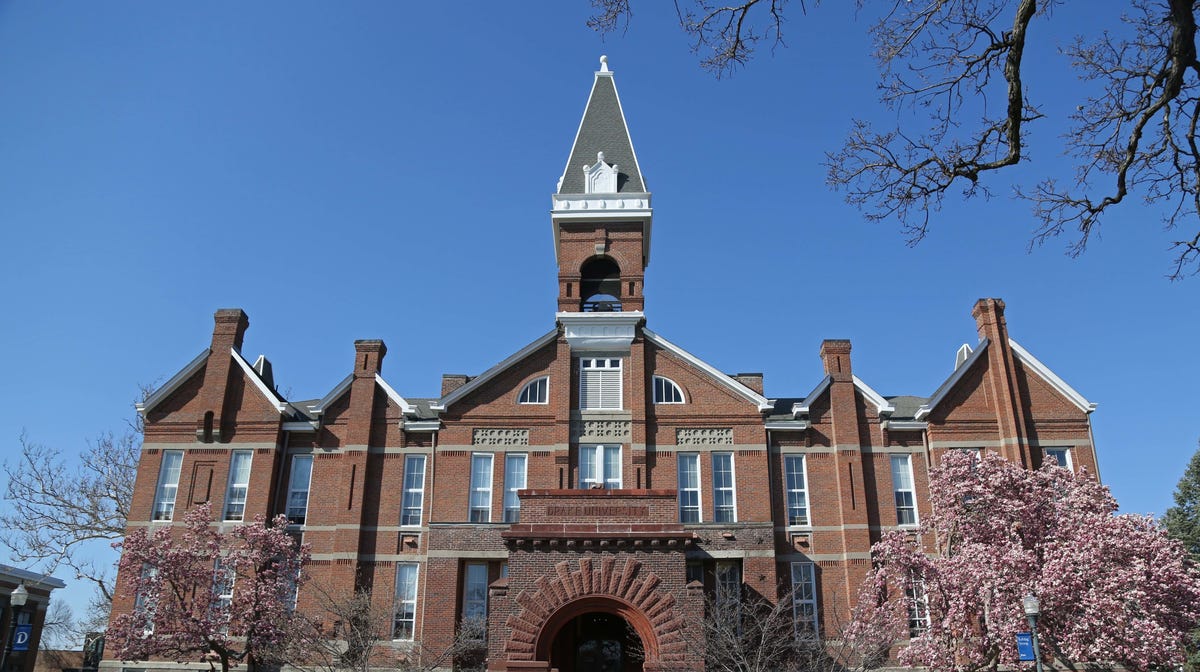
Drake University is the only Iowa college to make it onto the Wall Street Journal's top 100 list for the best colleges in the United States in 2024, ranking 97th. The ranking is based on student outcomes, learning environment, diversity, and cost of attendance. Drake's inclusion in this ranking, as well as its recognition for economic diversity by The New York Times, highlights the university's commitment to creating a positive and inclusive environment. The university's 2022 graduating class demonstrated strong employment and educational outcomes, with 97% of undergraduate degree recipients employed or pursuing further education, and 98% of graduate degree recipients employed or pursuing additional education within six months of graduation. Drake's class of 2027 is also one of the most diverse in the university's history.
The methodology changes in the U.S. News college rankings have sparked backlash from schools like Vanderbilt University, which dropped several spots. The controversy raises questions about what constitutes a high-quality education and highlights the inconsistency in how colleges react to their rankings.
Stanford University is ranked #3 in the latest college rankings from US News & World Report, with UC Berkeley maintaining its position as the top public school in the country. Other California schools, including the California Institute of Technology, UCLA, and UC Davis, also ranked among the top national universities. The rankings have faced criticism for reinforcing income inequality, leading to changes in methodology to focus more on outcomes and data from third-party sources.
The University of Wisconsin-Madison has been ranked 35th overall and 12th among public universities in the 2024 edition of U.S. News & World Report's Best Colleges rankings. This is the university's highest ranking in the past 15 years and marks its fifth consecutive year of improvement. The rankings underwent changes in methodology, placing a greater emphasis on student-focused factors such as graduation rates. UW-Madison also received high rankings in specific undergraduate programs, including engineering, business, computer science, nursing, economics, and psychology.
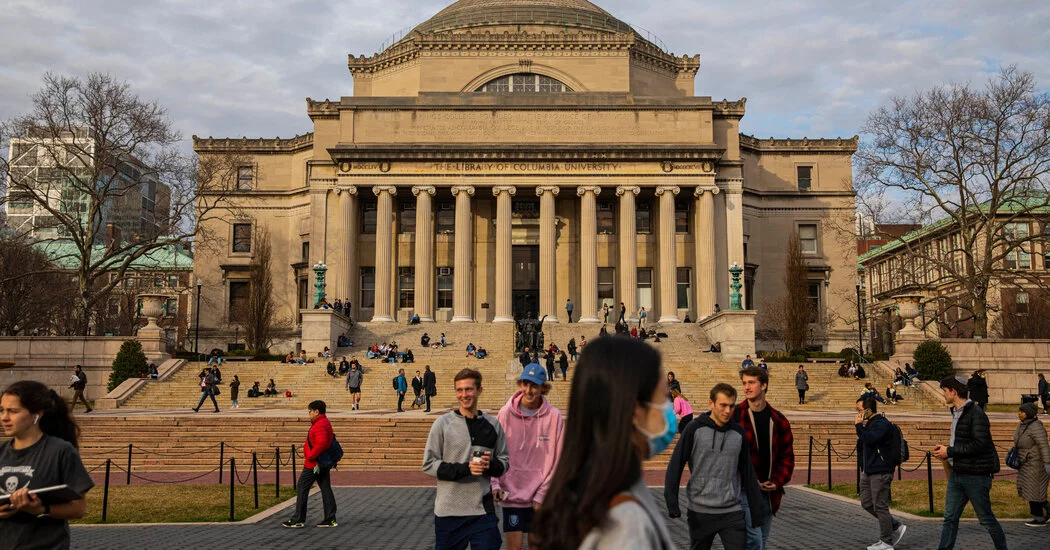
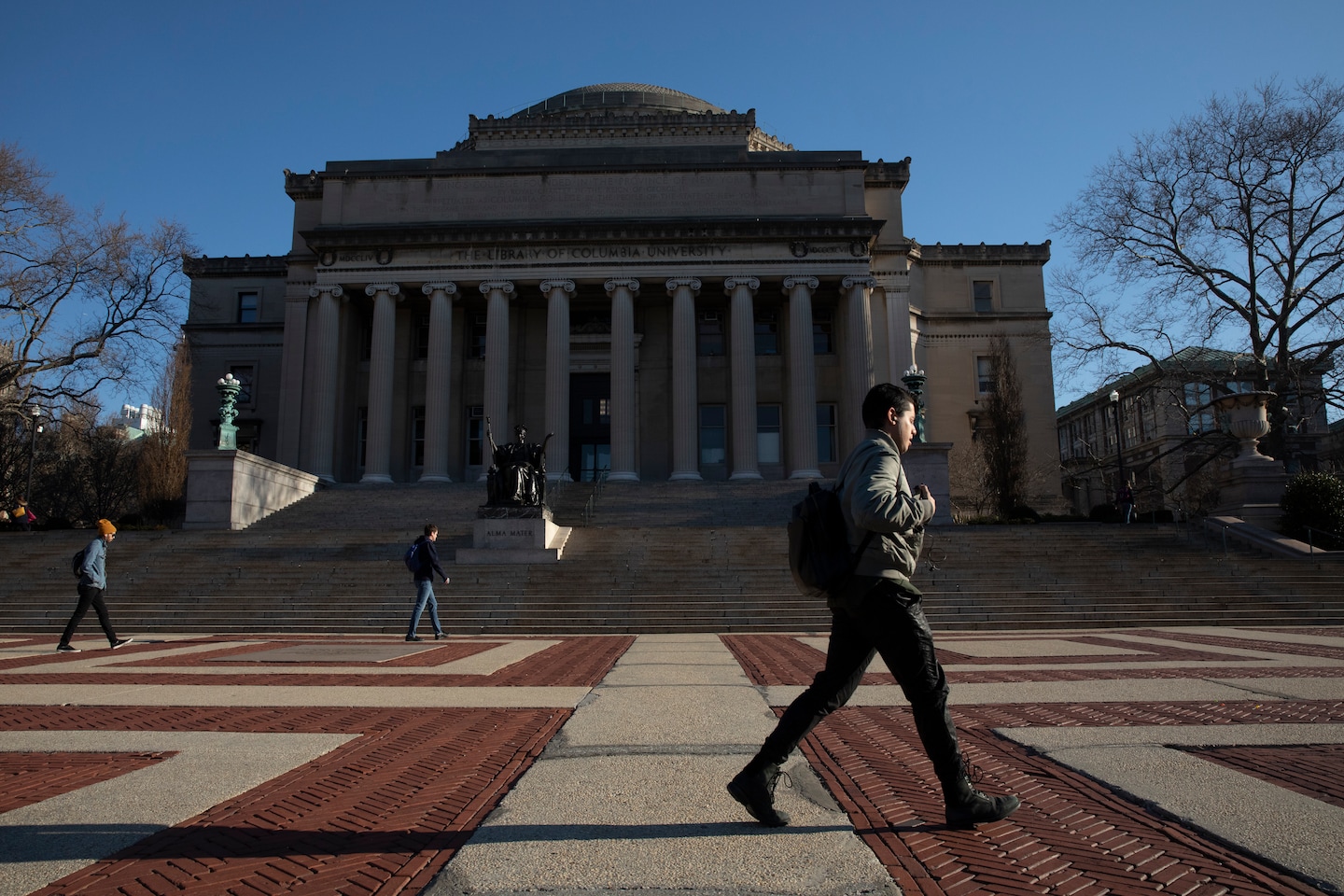
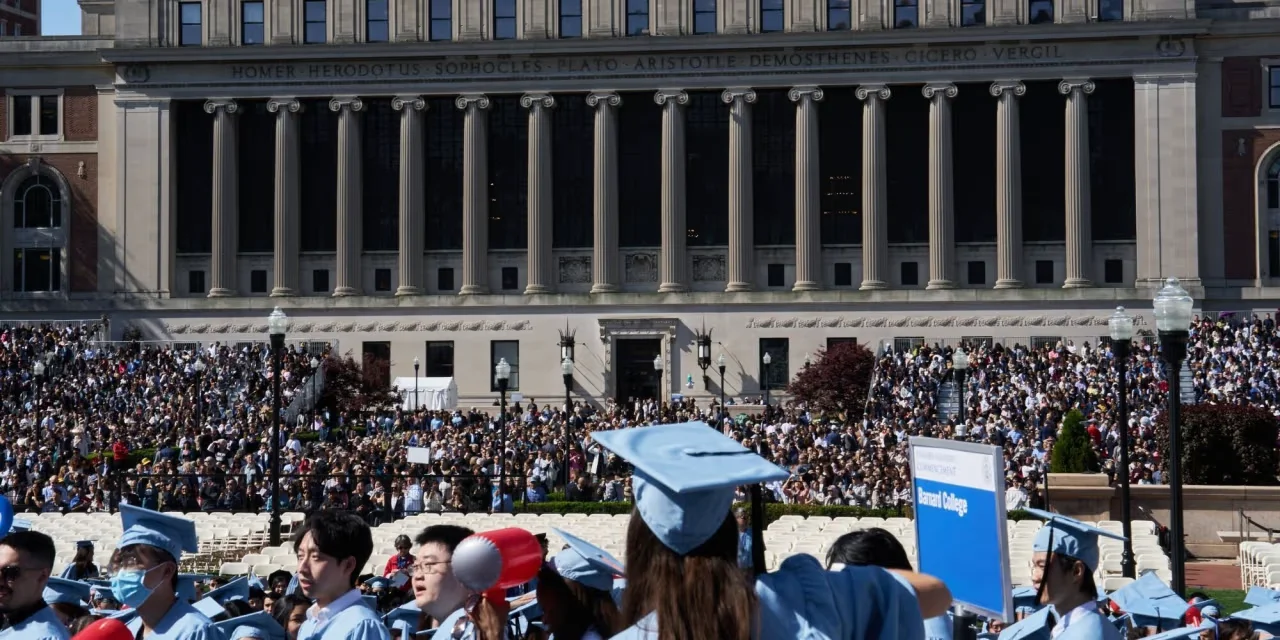
U.S. News released its annual college rankings list, which continues to be both praised and criticized. Ivy League and highly selective institutions still dominate the top spots, despite some significant changes in the top-14 ranked schools. The rankings have been a target of criticism for incentivizing behavior that may not benefit students. Some top law and medical schools have left the rankings, but undergraduate colleges still largely participate. Columbia University, which previously dropped in the rankings due to flawed data, tied for the No. 12 spot this year. The University of Chicago fell six spots, while Duke University climbed three spots. The controversy surrounding the rankings centers around the idea that traditional factors reflect institutional and student wealth, rather than focusing on student success. Changes in methodology this year aim to address these concerns, with a greater emphasis on post-graduate success and economic diversity. However, colleges that provide economic mobility often do not receive the same recognition in high-profile rankings.
U.S. News & World Report released its revamped college rankings, with Princeton remaining the top-ranked university for the 13th consecutive year. While there were few changes at the top, several public universities, including Fresno State and Florida Atlantic, climbed significantly in the rankings due to a new algorithm that emphasized graduation rates for economically disadvantaged students and first-generation college students. The overhaul faced criticism from some university leaders who argue that ranking colleges as consumer products is problematic. Private universities were particularly affected by the new formula, with some top schools experiencing a decline in rankings. Despite criticism, U.S. News retains its influential position in the college rankings landscape.
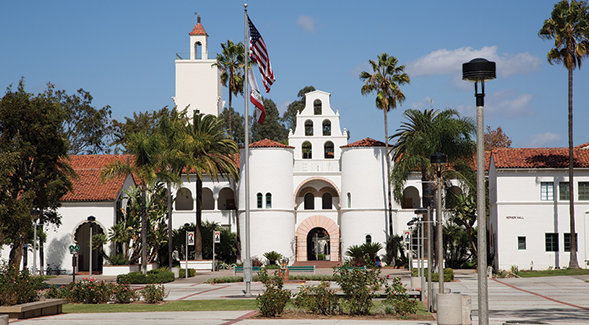
San Diego State University (SDSU) has been ranked No. 16 on Forbes' 2023 list of the Top 25 Public Colleges in the U.S. and No. 43 on the magazine's annual list of top 500 colleges. The rankings were determined based on factors such as graduation rates, graduate salaries, outcomes for low-income students, and return on investment. SDSU's rise in rankings reflects its commitment to providing a quality educational experience and creating opportunities for its students. The university has achieved milestones this year, including record research grant funding, approval for a new Doctor of Public Health program, and the opening of a Basic Needs Center. SDSU is the only university within the California State University (CSU) system to make the top 25 public colleges list.
Columbia University has become the first major university to refuse to supply information to the U.S. News & World Report college rankings for its undergraduate schools, citing concerns about the rankings' "outsized influence" in the admissions process. The move comes after Columbia dropped in the rankings and prestigious law and medical schools, including Columbia's, decided to boycott the listings. U.S. News defended its ranking system as an important guide for students, but has announced new methodology for undergraduate programs that would give increased weight to a school's success in graduating students from different backgrounds.
Columbia University has announced that it will no longer submit data to the U.S. News & World Report ranking of undergraduate colleges and universities, citing the "outsized influence" rankings may have with prospective students and how they distill a university's profile into a composite of data categories. Many prominent law schools and medical schools around the country in recent months have announced they will no longer cooperate with U.S. News rankings in their fields.
Columbia University has decided to stop providing data to U.S. News & World Report's undergraduate college rankings, becoming the highest-profile institution to snub the publication's marquee product. This move could potentially encourage other schools to follow suit.