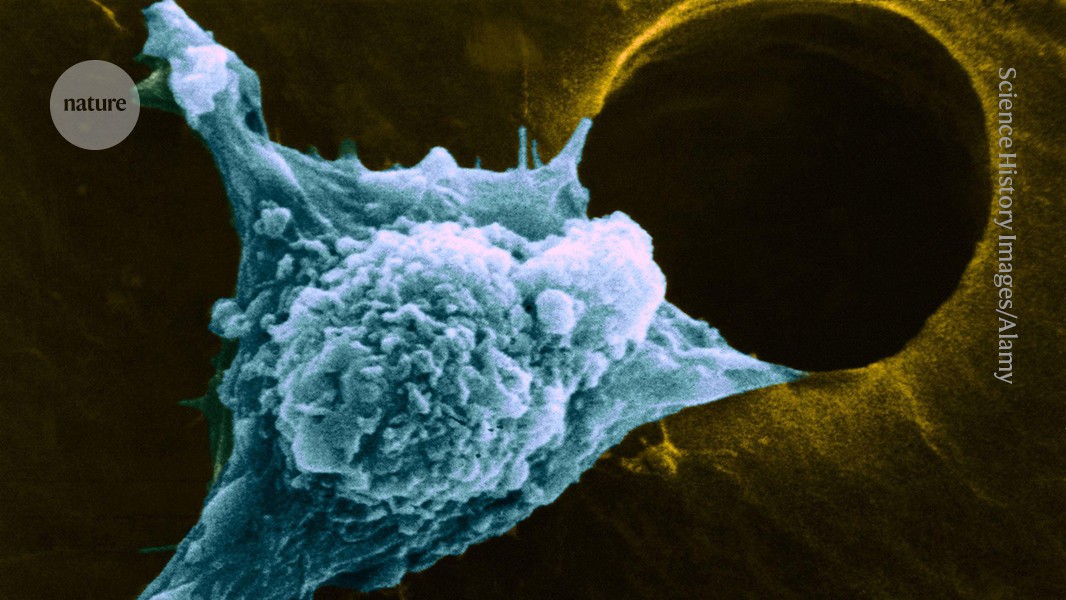
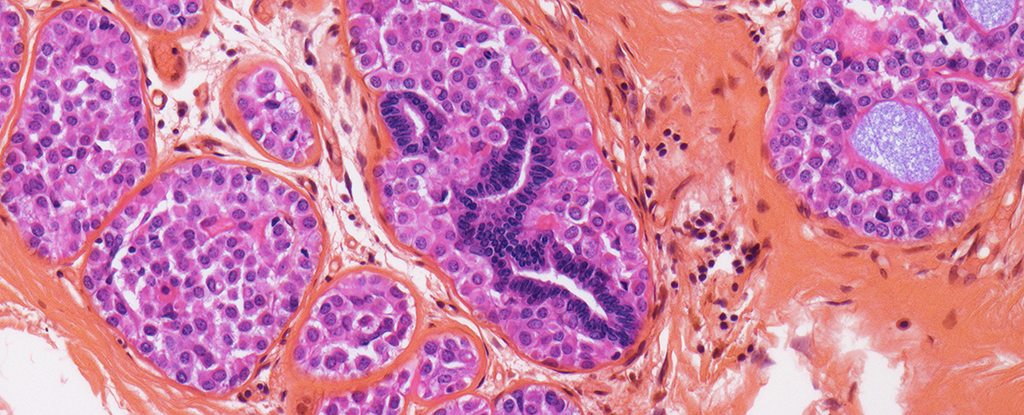
Many cancers can recur years after initial treatment due to dormant tumour cells that evade therapy and immune detection, with ongoing research aiming to understand and target these cells to prevent relapse.
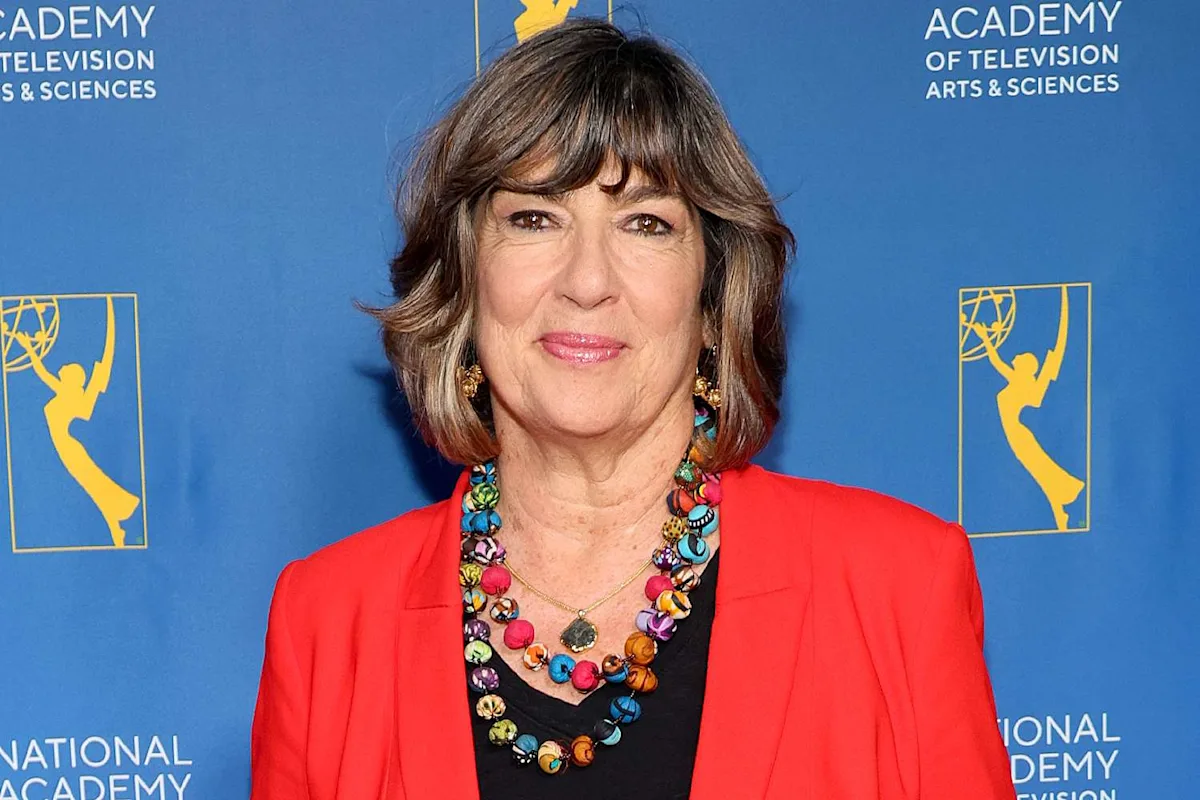
Christiane Amanpour announced her ovarian cancer has returned for the third time, despite surgery and treatment, emphasizing the importance of listening to your body and regular monitoring for early detection and management of cancer.
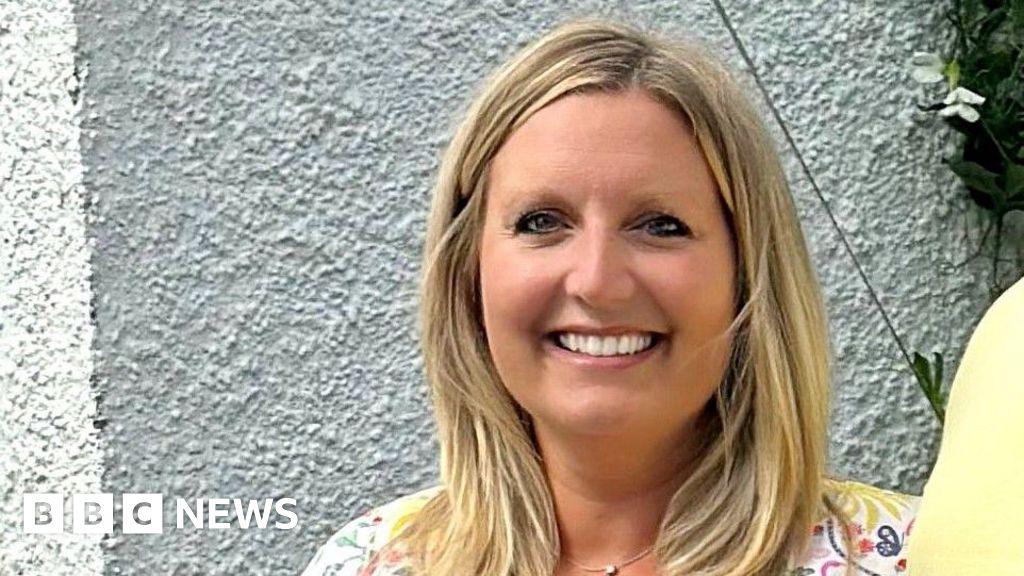
Christiane Amanpour announced her ovarian cancer has returned for a third time, but she is managing it well and emphasizes the importance of listening to one's body and having a strong support system. She shared her journey publicly to raise awareness and highlight the significance of early diagnosis and community support in battling cancer.
A Swedish clinical trial found that low-dose aspirin can halve the recurrence risk of colon and rectal cancer in patients with a specific genetic mutation, offering a cheap and accessible treatment option that could influence global guidelines.
A study shows that a low daily dose of aspirin can significantly reduce the risk of colorectal cancer returning after surgery, especially in patients with specific genetic mutations, highlighting the potential for genetic testing to guide preventive treatment.
Researchers from the University of Pennsylvania have developed a promising new approach to prevent breast cancer recurrence by targeting dormant tumor cells in the body using drugs like hydroxychloroquine and everolimus, showing high success rates in both human and animal studies, potentially reducing the risk of relapse and saving lives.
New research suggests that respiratory viruses like COVID and flu may reactivate dormant breast cancer cells in the lungs through immune responses, potentially increasing the risk of metastasis, highlighting the importance of vaccination and preventive measures for cancer survivors.
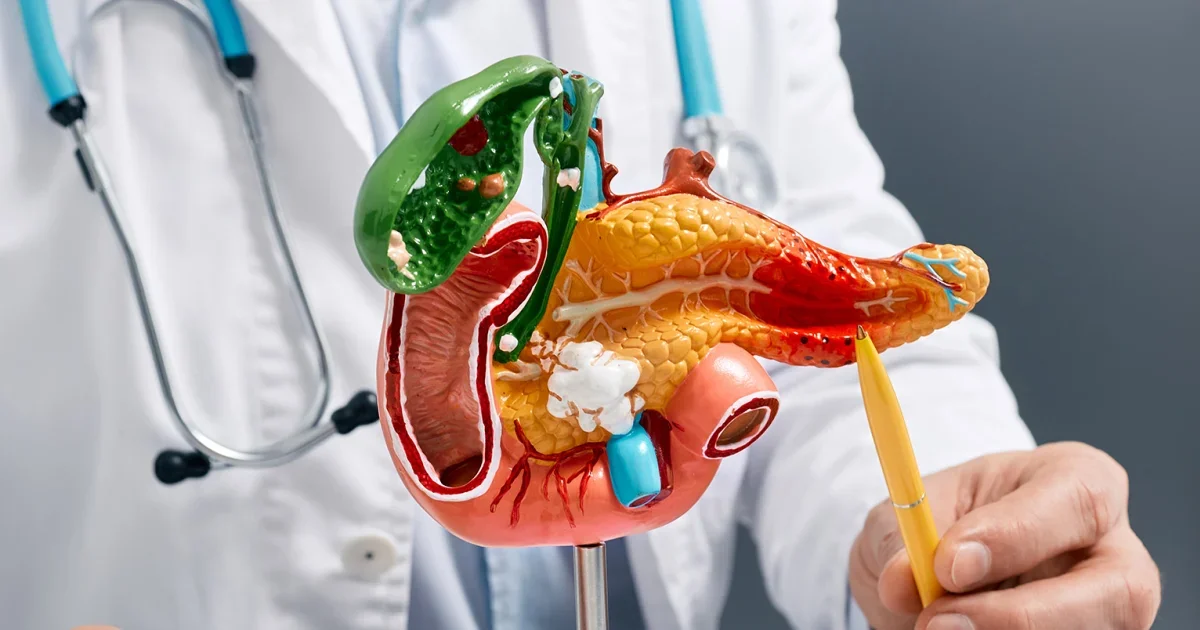
A Phase 1 clinical trial has shown that a non-personalized vaccine targeting KRAS mutations can stimulate an immune response and potentially prevent recurrence of pancreatic cancer, with promising survival rates and immune activation observed, paving the way for further research and larger trials.
A prostate cancer survivor shares the complex physical and emotional challenges faced after treatment, including fatigue, brain fog, sexual dysfunction, and ongoing anxiety about recurrence, highlighting the lifelong journey of recovery and adaptation.
Nicola Purdie underwent a pioneering 'world first' surgery where her healthy breast was transplanted to replace her cancerous one, following a radical idea she proposed, after multiple cancer treatments and surgeries, highlighting a groundbreaking approach in breast reconstruction.
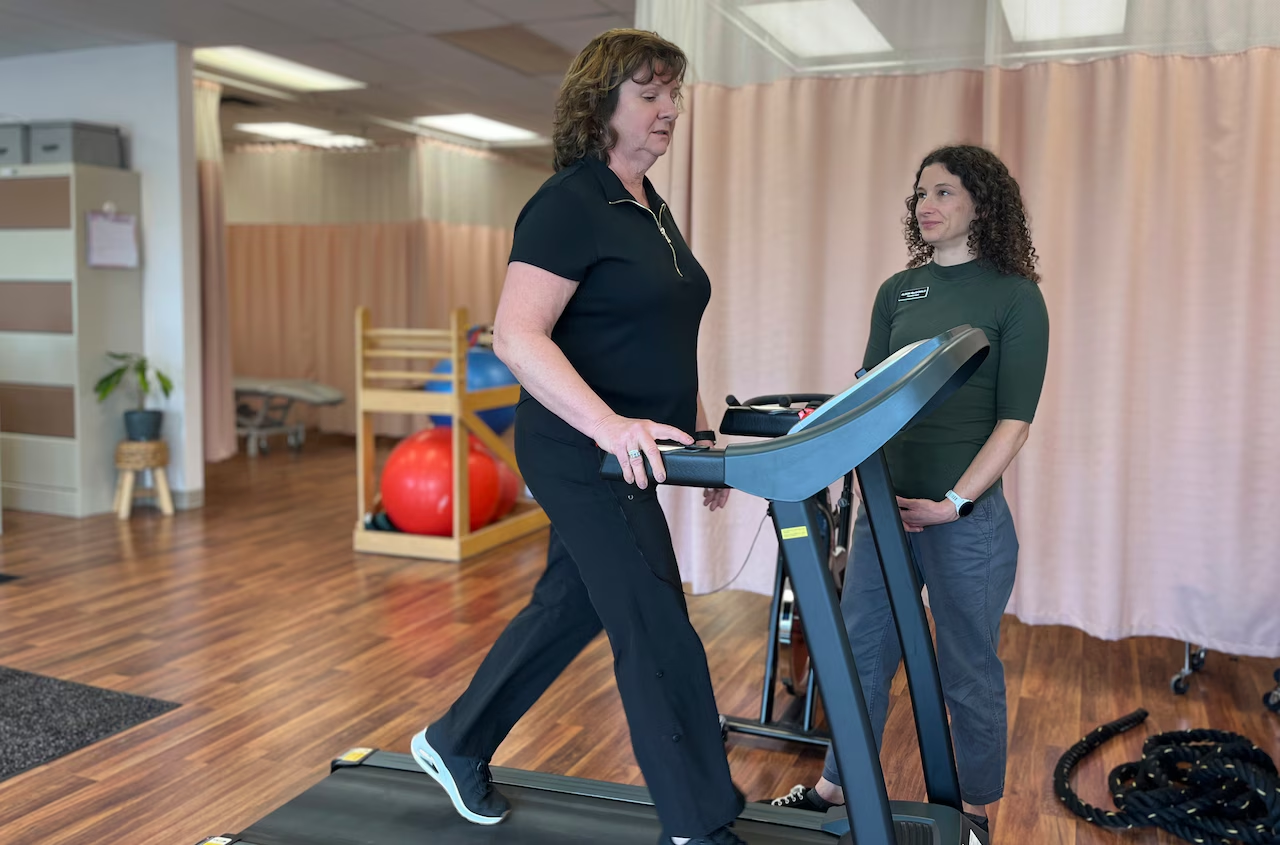
A groundbreaking three-year international study found that a structured exercise program significantly reduces colon cancer recurrence and improves survival rates, suggesting exercise should be a standard part of post-treatment care for colon cancer patients.
Cubs Hall of Famer Ryne Sandberg, who was previously declared cancer-free after treatment for prostate cancer, has announced that his cancer has returned. Sandberg, a beloved figure in the Cubs franchise, shared the news on Instagram, maintaining a positive outlook. Fans and supporters are hopeful for his recovery as he faces this challenge once again.
A new blood test using whole genome sequencing can predict the risk of breast cancer returning up to three years before tumors appear on scans. This breakthrough, presented at the American Society of Clinical Oncology annual meeting, could help identify which women need preventive therapy and improve early treatment, significantly increasing the chances of beating the disease. Researchers found the test to be highly sensitive, accurately predicting relapse in all trial patients who later experienced recurrence.
The use of liquid biopsy, specifically ctDNA testing, for cancer surveillance has created a new category of patients known as "patients-in-waiting." These are individuals who have no radiologic evidence of disease but have positive results on ctDNA tests, indicating minimal residual disease (MRD). The uncertainty and anxiety that come with being a patient-in-waiting can be comparable to those experienced by patients with active disease. While ctDNA testing offers opportunities for early detection and personalized treatment, it also brings about ambiguous losses and alters the lives of patients and their caregivers. As these technologies advance, it is crucial to acknowledge both the triumphs and the challenges they present in cancer management.
Actress Suzanne Somers has spoken out about her ongoing battle with breast cancer, revealing that she has been living with the disease since her 20s. Despite the recurrence, Somers remains determined to fight back and not let cancer control her life. She credits her husband and children for their unwavering support throughout her health journey. Somers has been open about her health struggles, having previously battled skin cancer and breast cancer in her fifties. She attributes her chemical-free and organic lifestyle, along with bio-identical hormones, to her survival. Her husband recently shared that she has overcome cancer once again, but they will closely monitor her health going forward.