Smart watches can monitor heart rate and rhythm trends, making them useful screening tools for heart health, especially for those at risk of conditions like atrial fibrillation, but they are not diagnostic devices and have limitations in accuracy. They should complement, not replace, medical advice.
A large-scale study confirms that millions of people taking beta-blockers after a heart attack may be doing so unnecessarily, as the drugs show no benefit for patients with preserved heart function, potentially leading to changes in treatment guidelines and significant healthcare savings.
A US study suggests that drinking coffee may reduce the risk of irregular heartbeats, specifically atrial fibrillation, challenging the common advice to avoid caffeine for those with the condition. The Decaf trial found coffee drinkers had a lower recurrence of irregular heartbeats and longer intervals before episodes, though limitations exist. The findings could influence future dietary recommendations for individuals with atrial fibrillation.
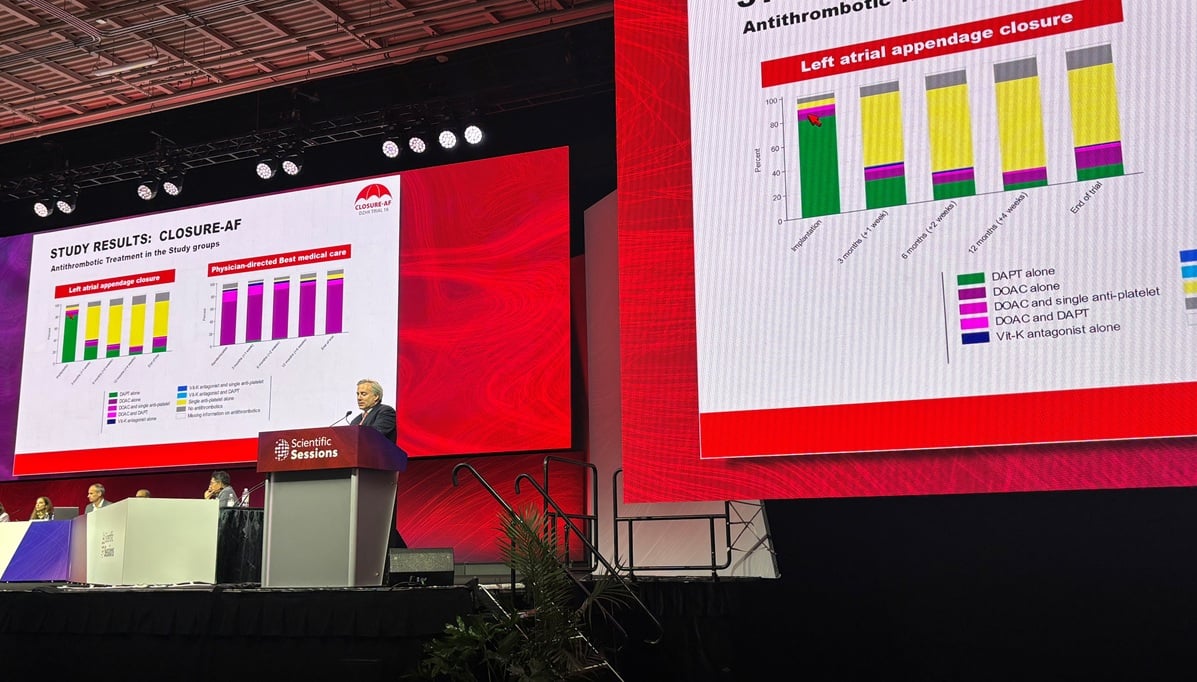
The CLOSURE-AF trial found that left atrial appendage occlusion (LAAO) is not noninferior to standard medical care, including anticoagulants, for high-risk atrial fibrillation patients, with standard care showing better outcomes in stroke and bleeding prevention.
World Stroke Day 2025 highlights the dangers of resistant hypertension, a stubborn form of high blood pressure that does not respond to medication and significantly increases stroke risk, often progressing silently and requiring regular monitoring and lifestyle changes for management.
Heart failure is more common than many realize and can be life-threatening if not detected early. Recognizing symptoms like shortness of breath, fatigue, swelling, and irregular heartbeat is crucial. Risk factors include high blood pressure, diabetes, obesity, smoking, and excessive alcohol. Preventive lifestyle changes such as maintaining a healthy weight, exercising, eating a low-salt diet, avoiding tobacco, and managing stress can reduce risk. Early consultation with a healthcare provider is vital for better outcomes and improved quality of life.
A top cardiologist emphasizes that the most effective anti-aging method is maintaining a healthy lifestyle through regular exercise, proper diet, sleep, and stress management, rather than relying on supplements or cosmetic procedures, as these habits significantly influence longevity and overall health.
Many healthy cardiologists and physicians are taking statins proactively to reduce long-term cardiovascular risk, even without high cholesterol levels, based on the concept of 'LDL years' and overall risk factors. While statins are generally safe and supported by extensive research, their use should be personalized, considering individual risk profiles and lifestyle factors.
Atrial fibrillation (AFib) is an irregular heartbeat that can be life-threatening due to its association with increased stroke risk. Common signs include heart palpitations, fatigue, shortness of breath, dizziness, chest pain, and sometimes no symptoms at all. Risk factors include age, high blood pressure, diabetes, obesity, smoking, alcohol use, thyroid issues, and sleep apnea. Early detection and treatment are crucial to prevent serious complications, and individuals should consult a doctor if they experience symptoms or have risk factors.
Atrial fibrillation (AFib) is an irregular heartbeat that can be symptomless but increases the risk of stroke, heart failure, and dementia. Common signs include heart palpitations, fatigue, shortness of breath, dizziness, chest pain, and underlying medical conditions. Regular check-ups and monitoring are crucial, especially for those over 50 or with risk factors, as early detection and treatment can significantly reduce serious health risks.
A large international study called the REBOOT trial has found that beta blockers, a common treatment for heart attack survivors with normal heart function, do not provide benefits and may increase risks for women, challenging decades of standard practice.
Recent clinical trials and meta-analyses suggest that routine use of beta-blockers after myocardial infarction may not provide significant benefits in modern treatment settings, prompting a reconsideration of current practice guidelines.
Two large studies on beta-blocker drugs post-heart attack show benefits for patients with mildly impaired heart function, but results are contradictory for those with normal heart function, leading to ongoing uncertainty about their use in this group.
Recent studies suggest that routine use of beta blockers after a heart attack may not benefit all patients with preserved heart function, prompting a potential re-evaluation of long-standing medical practices, especially for those with minimal heart damage and no other indications for these drugs.