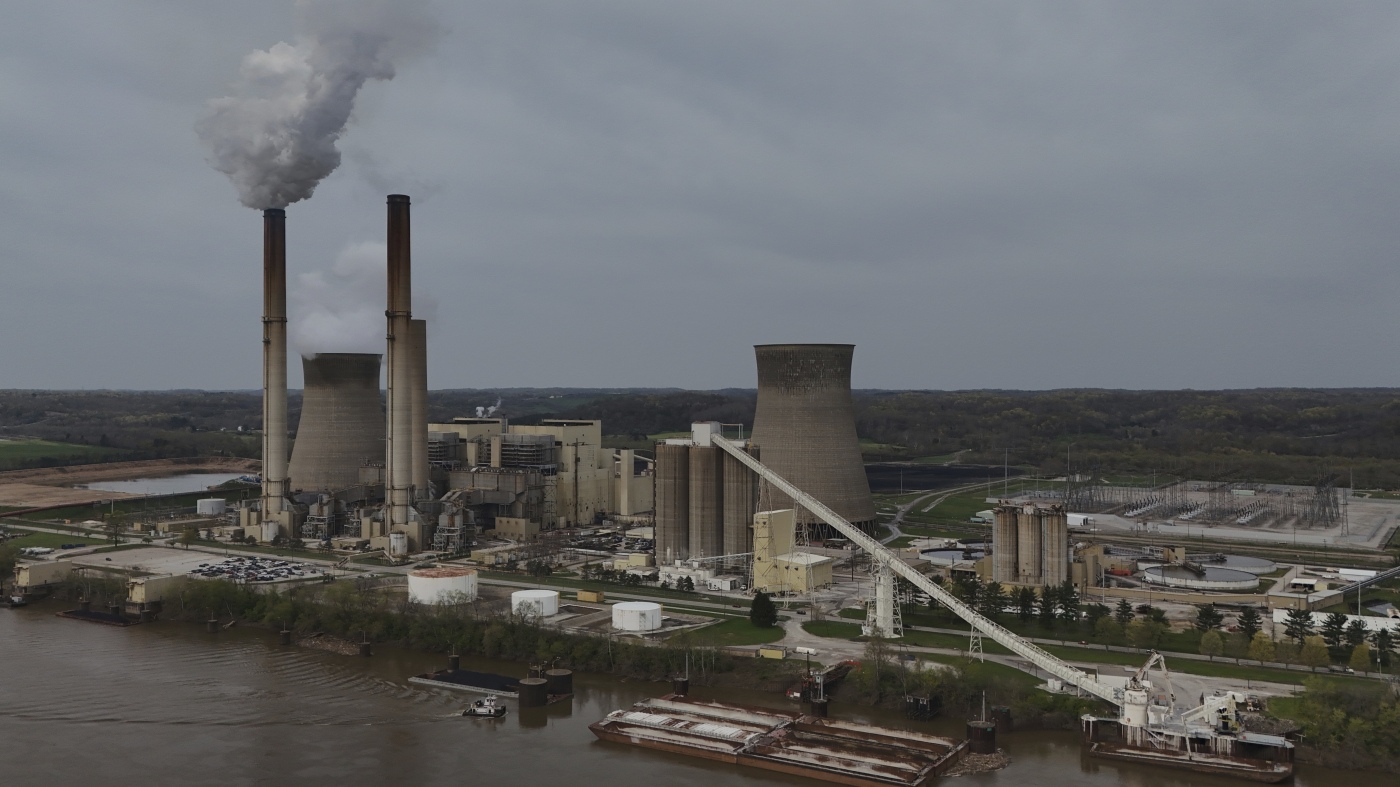
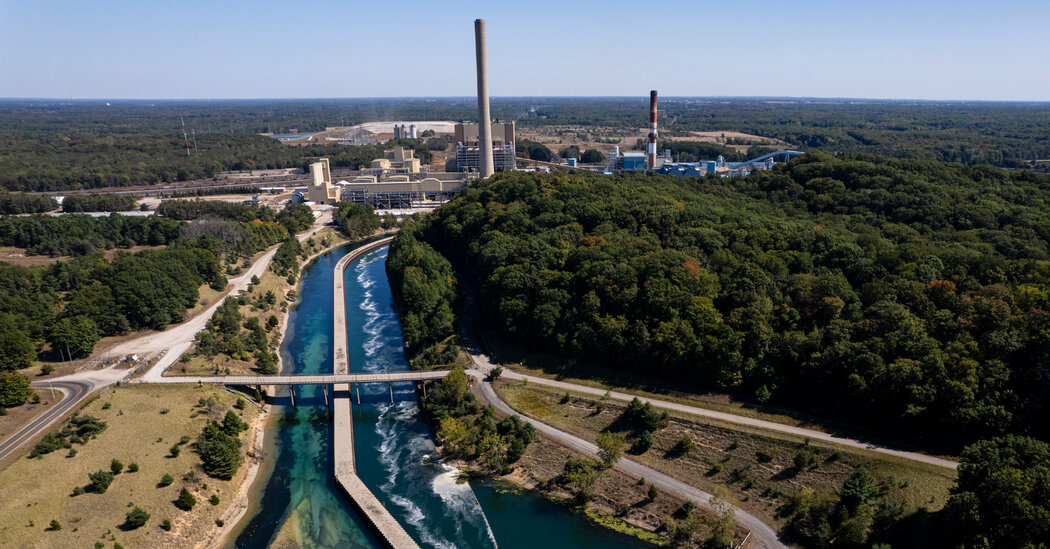
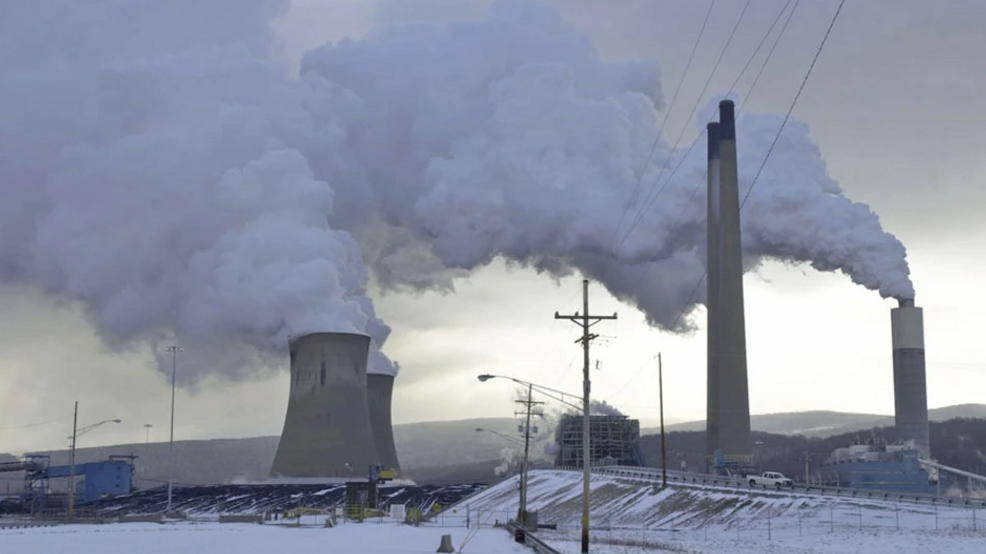
The Trump administration extended the operation of two Indiana coal power plants until 2026 and granted additional time for coal plants to manage toxic waste, as part of efforts to support the struggling coal industry amid broader climate policy shifts.
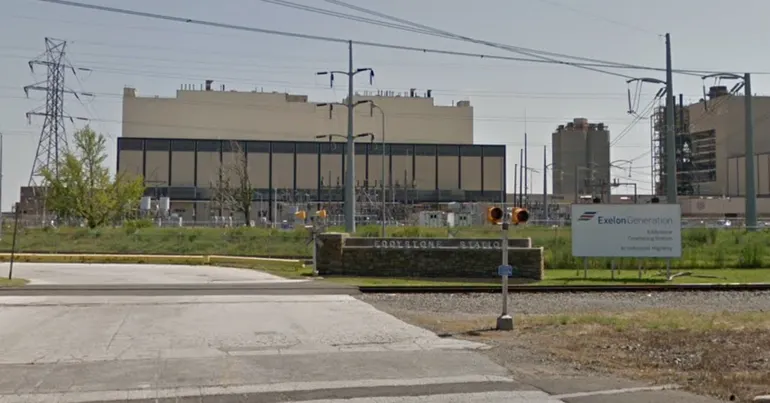
Federal officials ordered two Indiana coal power plants to remain operational for 90 days to ensure regional power stability, amid efforts by the Trump administration to support the coal industry, despite ongoing shifts towards renewable energy and environmental concerns.
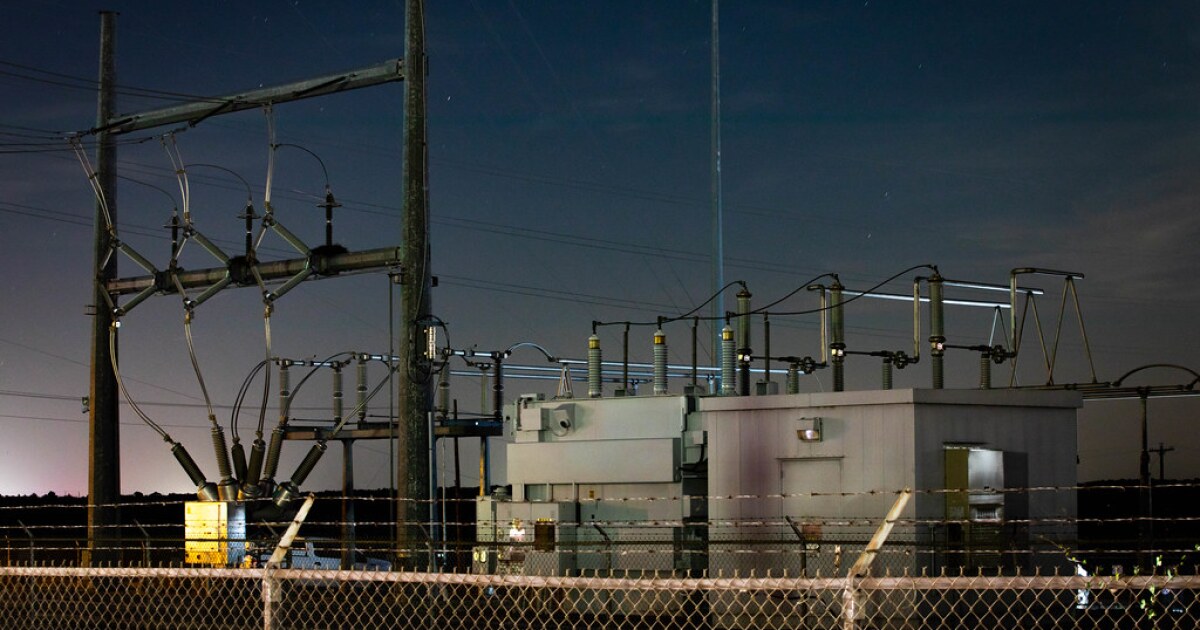
FERC approved cost recovery pathways for Consumers Energy and Constellation Energy to cover expenses incurred from DOE-mandated operations of power plants planned for retirement, affecting regions served by MISO and PJM, amidst ongoing legal and regulatory debates about fossil fuel plant retirements and emergency orders.
US energy companies are investing heavily in new power plants and transmission lines to support the growing demand from data centers, with utility spending expected to reach record highs by 2027. While this could boost the economy, there are concerns about rising costs being passed to consumers and the challenges of funding infrastructure, especially as demand for electricity is projected to increase significantly by 2030 and 2050.
The Trump administration plans to repeal limits on greenhouse gas emissions from fossil fuel power plants, aiming to boost the coal industry and reduce regulations established during the Biden administration, despite criticism from environmental groups and the potential legal challenges that could follow.
The EPA has proposed repealing Biden-era regulations on power plants, including greenhouse gas standards and mercury emissions standards, citing potential savings of over a billion dollars annually and emphasizing a shift towards deregulation to promote affordable and reliable energy for Americans.
During Trump's presidency, despite plans for closure, certain coal and gas plants were ordered to remain operational under a declared national energy emergency, even though grid operators did not request or plan to use these plants, potentially leading to higher costs for consumers.
An explosion damaged a canal in northern Kosovo, affecting water supply to two major power plants and drinking water for the capital, Pristina. Kosovo's Prime Minister Albin Kurti labeled it a "terrorist act" by Serbia, though no evidence of Serbian involvement has been found. The incident exacerbates existing ethnic tensions between Kosovo and Serbia, with recent attacks in northern Kosovo adding to the unrest. The EU condemned the attack, highlighting its impact on water supply.
Russia launched a heavy bombardment targeting energy infrastructure in Ukraine, damaging at least three power stations and leaving parts of the country without power. Ukrainian President Zelensky urgently appealed to the Republican leadership in Congress to approve a stalled $60 billion aid package amid relentless Russian airstrikes. The attacks come as Ukraine's resources to stop them may be running out, dealing another blow to the country's weakened wartime economy. Ukraine's air force reported shooting down 84 of 99 targets, but the Russian strikes caused emergency shutdowns in six regions, highlighting the urgent need for more air defense ammunition.
Russian forces launched a massive missile and drone attack on Ukrainian energy infrastructure, damaging three fossil fuel-fired power plants and leaving utilities, industry, and people without power. Ukrainian air defense forces were able to shoot down 84 out of 99 missiles and drones. The attack involved 60 drones and 39 missiles, including three hypersonic ballistic missiles, and caused power shortages in several regions. The precision and impact of the attacks have escalated, with DTEK operational director describing the damage as "tremendous" and likening it to "scorched earth."
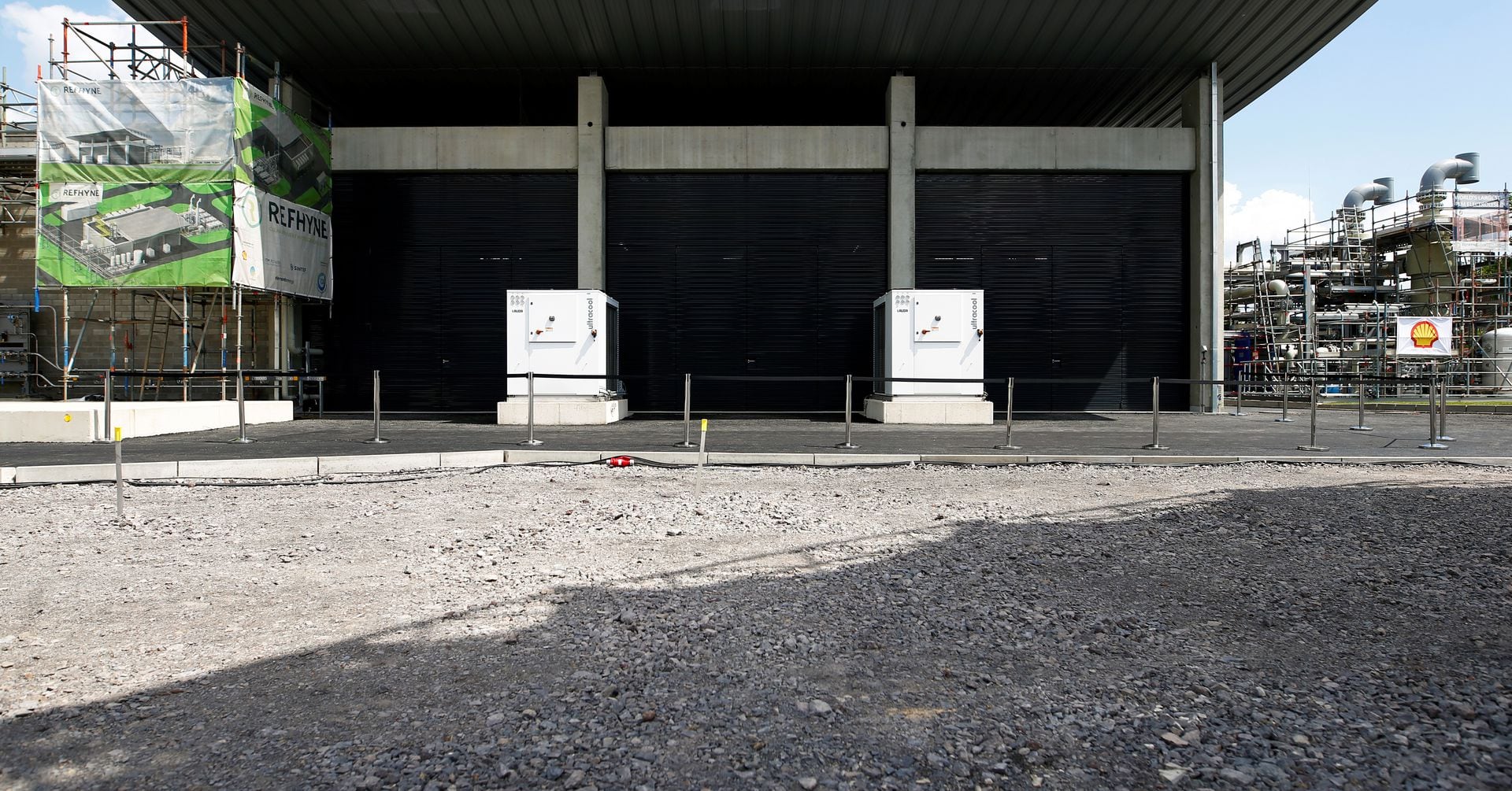
Germany plans to subsidize gas power plants that can switch to hydrogen with $17 billion in subsidies, aiming to supplement intermittent renewable energy and accelerate the transition to low carbon generation. The government will tender up to 10 GW gas power plants, with plans for them to switch to hydrogen by 2040, and also subsidize power plants running exclusively on hydrogen for energy research purposes. The move is part of efforts to help Germany move away from gas and coal, exit coal before 2038, and reach its greenhouse emissions targets faster.
The Supreme Court has agreed to review the Biden administration's plan to limit smog-forming pollutants from power plants and industrial facilities that cause pollution problems for neighboring states. The Environmental Protection Agency's (EPA) effort to impose stricter limits in 23 states has faced legal challenges, with 12 states winning orders delaying the EPA action. The EPA argues that delaying the program's implementation would harm the public interest and hinder efforts to control pollution. Opponents, including Ohio, Indiana, and West Virginia, argue that the plan is already a failure and that the EPA is resisting reality. The regulations aim to cut emissions and reduce premature deaths and hospital visits, but critics warn of significant costs and potential threats to the power grid. The Supreme Court will consider the reasonableness of the EPA regulations and the agency's disapproval of state plans.
Pennsylvania Governor Josh Shapiro's administration is appealing a court ruling that blocked a state regulation requiring power plant owners to pay for their greenhouse gas emissions. While Shapiro did not commit to enforcing the regulation if the appeal is successful, he urged lawmakers to develop an alternative plan. Republicans criticized the appeal, hindering meaningful discussions on energy and environmental policy. The regulation aimed to make Pennsylvania the first major fossil fuel-producing state to adopt a carbon-pricing program, but opponents argued it required legislative approval. Environmental advocacy groups support the appeal, while opponents warn of increased electricity bills and job losses.
Texas voters have approved a constitutional amendment creating the Texas Energy Fund, which will inject $10 billion into energy infrastructure, including $7.2 billion for power plant construction. The Public Utility Commission of Texas will oversee the fund, a new responsibility for the agency. However, doubts remain about the effectiveness of the incentive program in spurring investment in natural gas power plants, as underlying market realities make building new plants a risky bet. The money will be distributed as low-interest loans, but there are concerns about the ability to recoup the investment due to advances in energy technology and the transition away from fossil fuels. The Texas Energy Fund will also support energy resilience projects and grid overhauls.