environmental-policy1.705 min read
"Balancing Act: Evaluating the Impact of New EPA Rules on Heavy-Duty Vehicles and Electric Truck Sales"
1 year ago•Source: U.S. EPA.gov

The latest environmental policy stories, summarized by AI
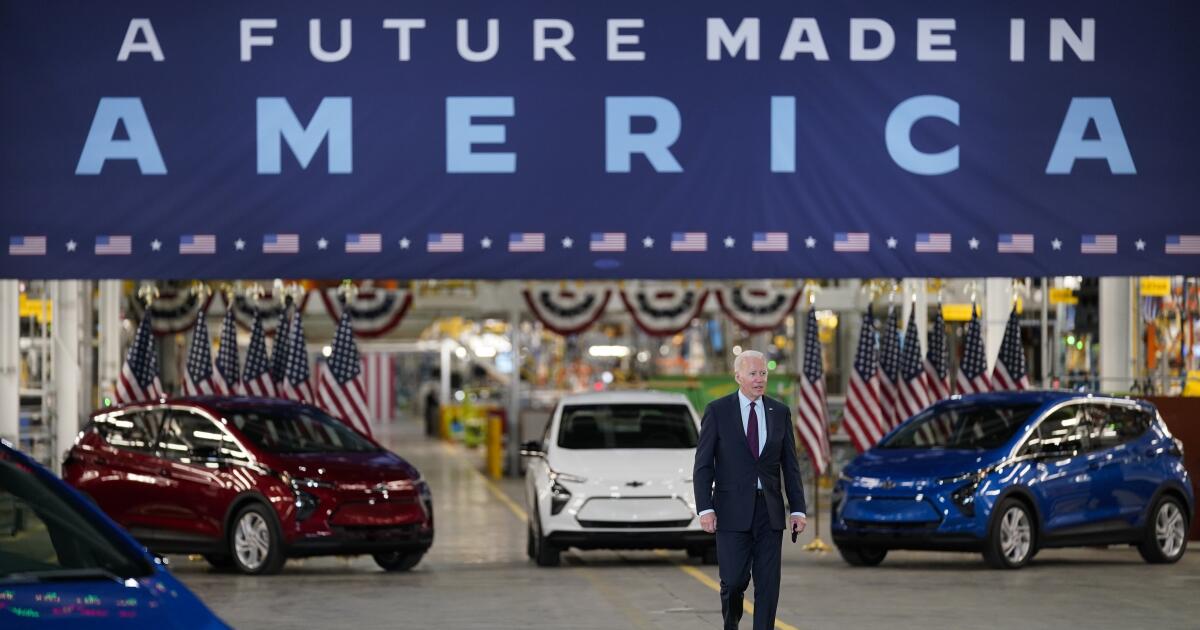
The Biden administration's new rules to boost electric vehicle sales are criticized for being too weak and slow to effectively address the climate crisis, with the finalized Environmental Protection Agency rules allowing automakers to continue producing gas-guzzling vehicles for longer and delaying urgent pollution cuts. Critics argue that the administration's concessions to powerful interests and organized labor are a missed opportunity to aggressively tackle emissions from transportation, the largest source of emissions, and that protecting good-paying, union jobs should not come at the expense of environmental protection.
Ars Technica•2 years ago
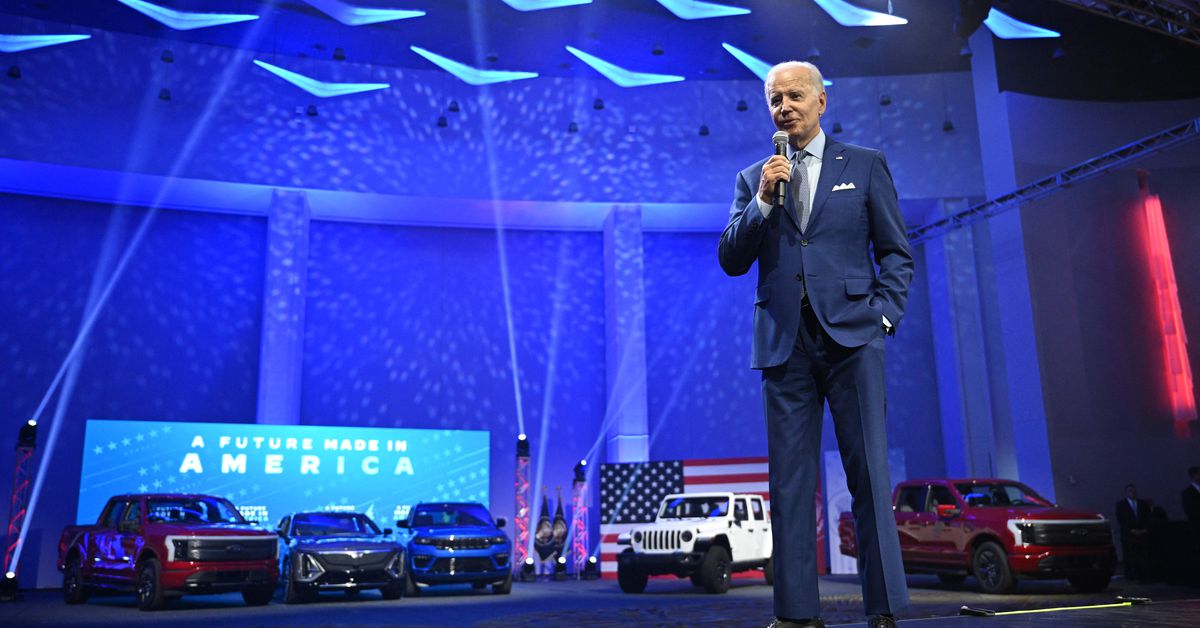
The Biden administration is considering delaying stringent vehicle emissions rules proposed last year, potentially slowing the growth of electric vehicles (EVs) and giving automakers more time to meet requirements. The Environmental Protection Agency (EPA) rule, a key part of President Biden's climate agenda, may be relaxed to provide automakers with flexibility until after 2030, although it is expected to still reduce emissions significantly. This move has drawn criticism from some advocates who see it as a concession to automakers, while the administration emphasizes its commitment to the transition to EVs.

Nine states, including California and New York, have signed an agreement to promote heat pump sales, aiming for heat pumps to make up a significant portion of residential heating and cooling equipment sales by 2030 and 2040. The move is part of efforts to combat air pollution and climate change, with industry support from companies like Schneider Electric and Siemens. The states will need to develop their own policies and incentives to deploy heat pumps, but the agreement signals a collective push towards cleaner, more energy-efficient alternatives in the fight against climate change.
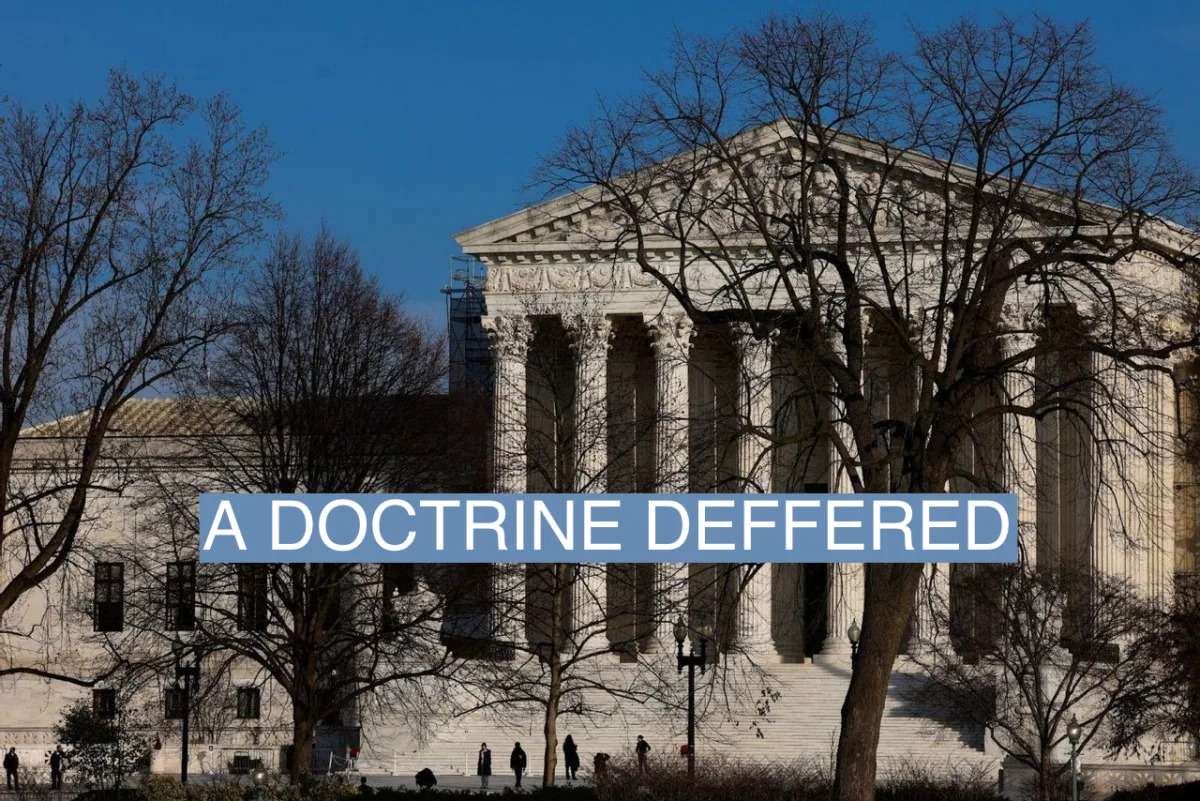
The US Supreme Court is considering overturning the Chevron deference, a 40-year legal precedent that shields environmental and climate policies from being easily rolled back, which could make it easier for fossil-fuel trade groups to challenge President Biden's climate regulations. This move could have significant implications for future climate regulations and legal challenges, potentially hindering the government's ability to enforce climate policies and leaving existing policies vulnerable to legal attacks.

Ann Arbor, Michigan, is phasing in a ban on gas-powered leaf blowers due to concerns over noise and pollution. The ban will be implemented gradually over four years, with a complete prohibition by January 2028. Violations will result in fines, which will be used to help low-income residents and small businesses acquire alternative leaf blowers. The city previously banned outdoor maintenance equipment with two-cycle gas engines in downtown areas.
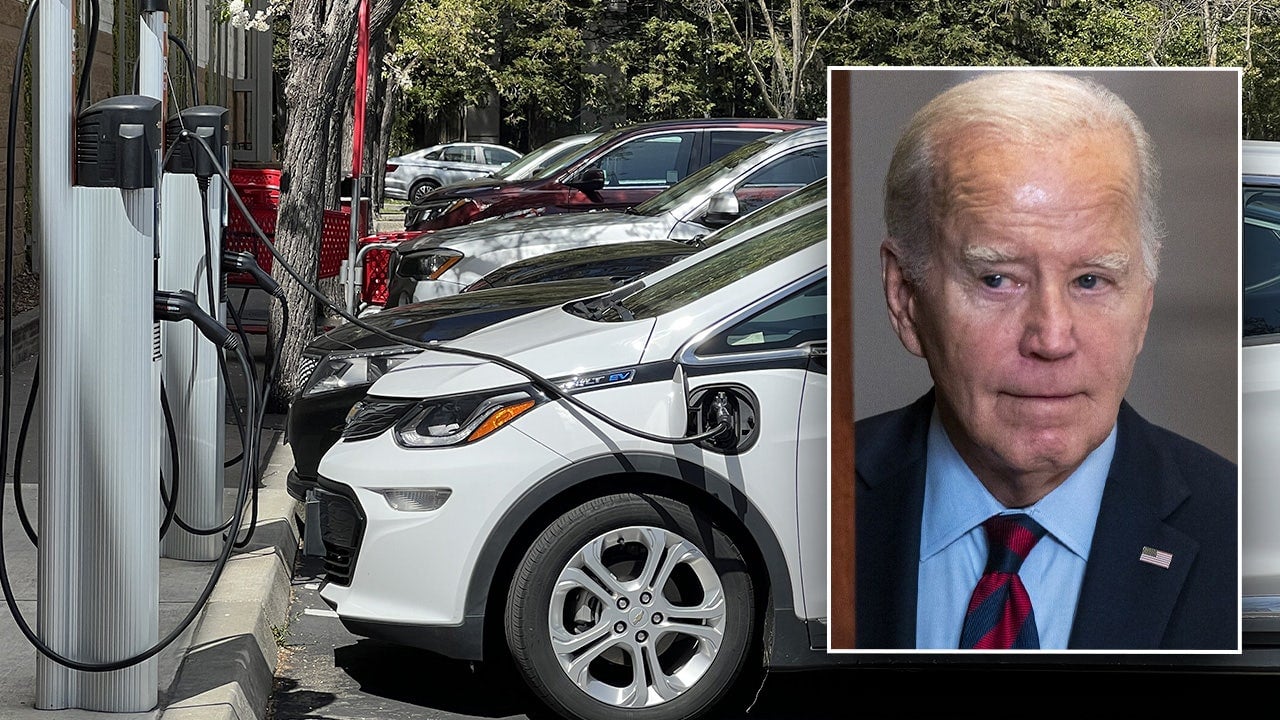
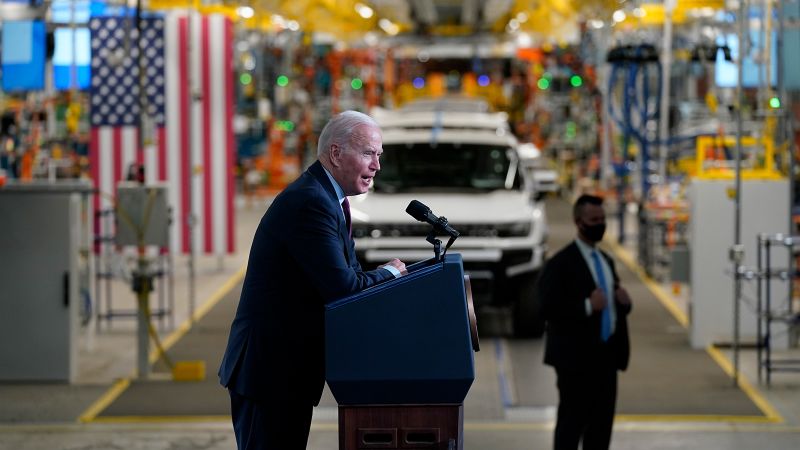
The White House has issued new guidance requiring federal government employees to prioritize using electric vehicles (EV), trains, and public transportation for official business, aiming to fulfill President Biden's commitment to lead by example in tackling climate change. The guidance applies to the federal government's annual business travel purchasing power of $2.8 billion and its status as the largest employer in the nation. The goal is to accelerate the transition to clean transportation, create union jobs, and promote healthier communities. The guidance includes renting EVs when cost-competitive, using rail for trips under 250 miles, and using public transportation for local travel. Rental car and ride-share companies have also committed to supporting these goals.
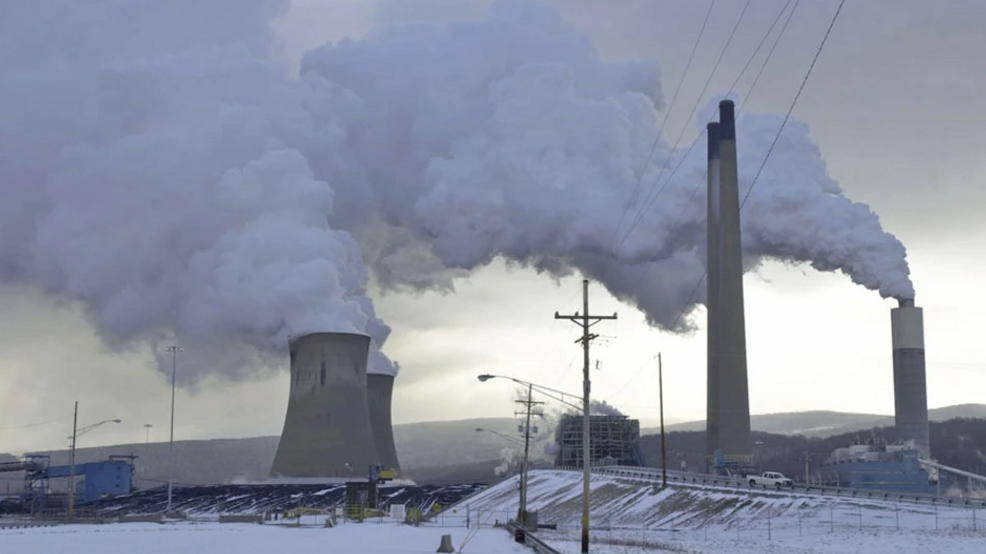
Pennsylvania Governor Josh Shapiro's administration is appealing a court ruling that blocked a state regulation requiring power plant owners to pay for their greenhouse gas emissions. While Shapiro did not commit to enforcing the regulation if the appeal is successful, he urged lawmakers to develop an alternative plan. Republicans criticized the appeal, hindering meaningful discussions on energy and environmental policy. The regulation aimed to make Pennsylvania the first major fossil fuel-producing state to adopt a carbon-pricing program, but opponents argued it required legislative approval. Environmental advocacy groups support the appeal, while opponents warn of increased electricity bills and job losses.

The Biden administration has weakened regulations protecting wetlands after a Supreme Court ruling limited the federal government's jurisdiction over them. The new rule requires wetlands to be more clearly connected to other bodies of water, departing from previous federal rules. The ruling in favor of an Idaho couple seeking to build a house near a lake prioritized property rights over clean water concerns. Environmental groups argue that the new rule weakens protections for wetlands and restricts the federal government's ability to safeguard critical waters. The change takes effect immediately and comes as two hurricanes approach the coasts. The power of the Clean Water Act has fluctuated depending on the political party in the White House.

The Biden administration has weakened regulations protecting wetlands, citing a Supreme Court ruling that limited the federal government's jurisdiction over them. The new rule requires wetlands to be more clearly connected to other bodies of water, departing from previous federal rules. The Supreme Court ruling favored property rights over clean water concerns, narrowing the reach of environmental regulations. The rule change responds specifically to the court's decision and is final. Environmental groups have pushed for a broader definition to protect more waters, while developers and agriculture groups have sought to limit federal power. The new rule takes effect immediately and removes the "significant nexus" test for federally protected waters.
The U.S. Environmental Protection Agency (EPA) and the U.S. Department of the Army have announced a final rule amending the definition of "waters of the United States" to conform with the recent Supreme Court decision in Sackett v. EPA. The amendments remove certain aspects of the 2023 rule that were deemed invalid by the Supreme Court, providing clarity and a path forward for Clean Water Act implementation. The rule will take effect immediately, allowing the Army Corps of Engineers to resume issuing jurisdictional determinations. The agencies will continue to work with state, Tribal, and local partners to protect and restore the nation's waters while ensuring economic opportunities and agricultural activities.
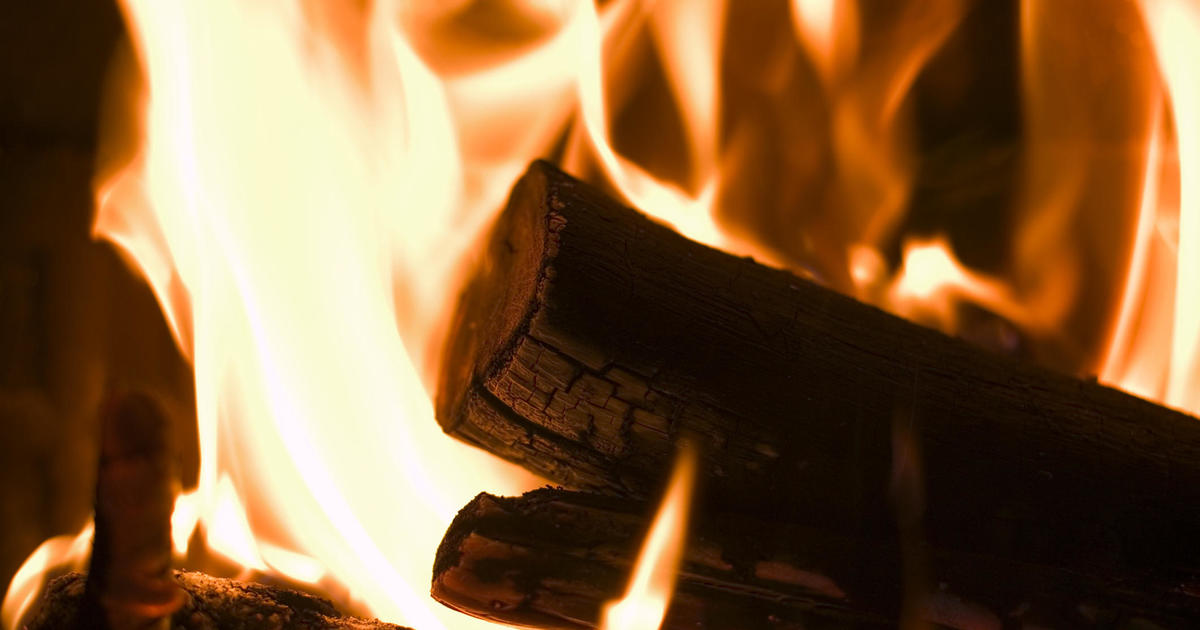
Attorneys general from 10 states, including Minnesota, are planning to sue the U.S. Environmental Protection Agency (EPA) over its failure to review and enforce emissions standards for residential wood-burning stoves. The states argue that the EPA's current standards are inadequate and that its testing and certification program is ineffective. They claim that programs aimed at replacing older stoves with cleaner models may not actually improve air quality if the newer stoves do not meet cleaner standards. The EPA's Office of Inspector General has previously found flaws in the agency's performance standards for wood heaters, stating that certification tests may not accurately reflect real-world conditions and could result in the sale of stoves that emit too much pollution.