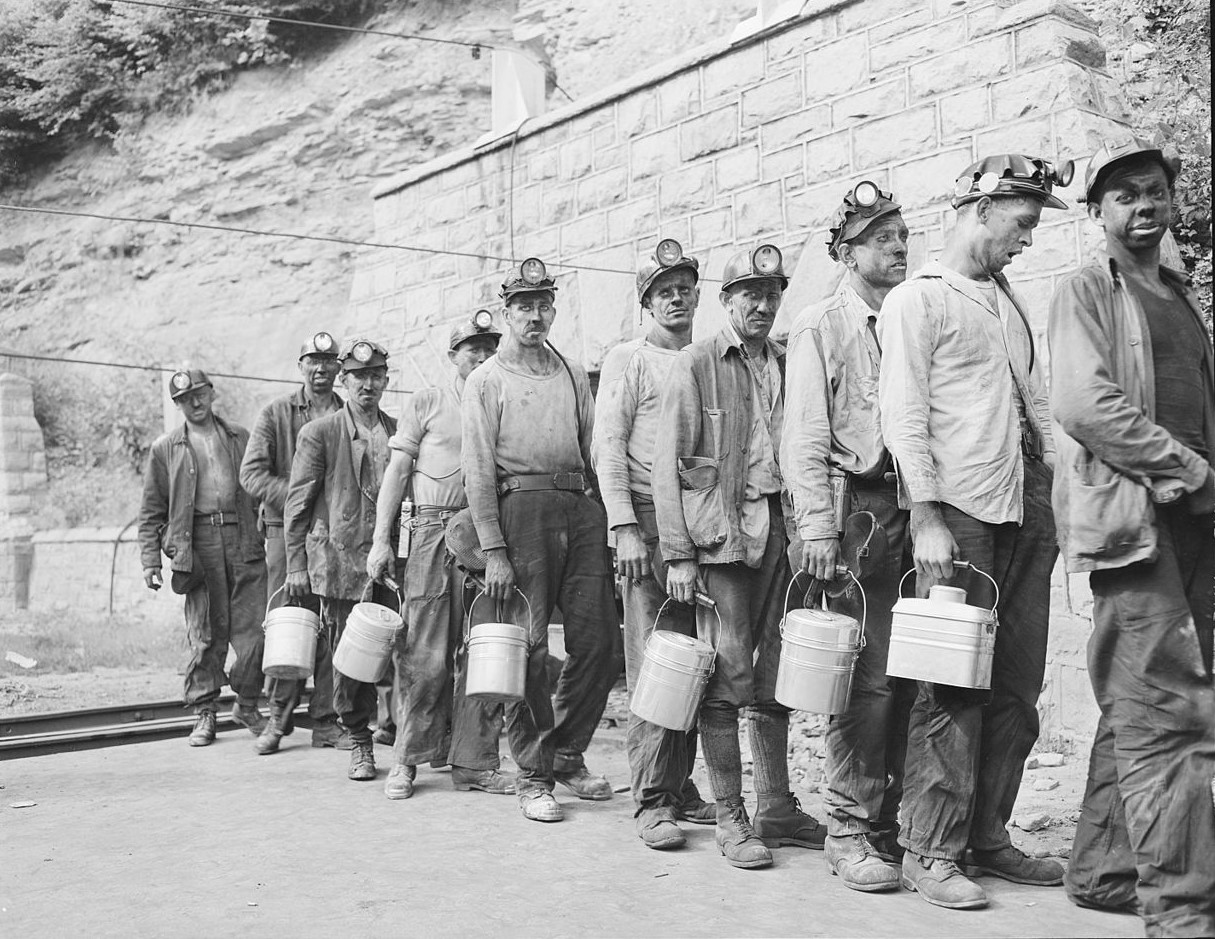
The Trump administration extended the operation of two Indiana coal power plants until 2026 and granted additional time for coal plants to manage toxic waste, as part of efforts to support the struggling coal industry amid broader climate policy shifts.
A North Dakota law mistakenly included two fictional minerals, friezium and stralium, likely as a prank or clerical error by coal industry lawyers involved in drafting the bill, raising concerns about legislative oversight and accuracy.
The Department of Energy is actively implementing President Trump's energy policies, focusing on achieving American energy dominance through initiatives like revitalizing the coal industry, advancing nuclear energy, reducing dependence on foreign critical minerals, and modernizing nuclear deterrence, with recent achievements in nuclear materials recovery and collaborations to further scientific and energy advancements.
A Texas lawsuit accuses major investment firms like BlackRock, Vanguard, and State Street of illegally conspiring to reduce coal production to fight climate change, but BlackRock denies the allegations, claiming they are unfounded and ignore the long-term decline of the coal market.
Eleven states, led by Texas, have filed a lawsuit against major money managers BlackRock, Vanguard, and State Street, accusing them of colluding to reduce coal supply and increase electricity prices through ESG (environmental, social, and governance) investing strategies. The lawsuit claims these firms used their collective influence to push environmental initiatives that decreased coal production, leading to higher utility costs for residents. This legal action represents a significant conservative pushback against ESG investing practices.
Eleven Republican attorneys general, led by Texas, have filed a lawsuit against BlackRock, Vanguard, and State Street, accusing them of conspiring to restrict the coal market by pushing climate policies, thus violating antitrust laws. The lawsuit claims these asset managers have formed a cartel to limit coal supply, raise energy prices, and harm American energy production. BlackRock has dismissed the lawsuit as baseless, asserting its investments are focused on financial returns for clients.
Keyser, West Virginia, a traditional coal mining area, is experiencing an energy transition with the construction of wind turbines. While some residents take pride in the coal industry, the decline in coal jobs began long before the arrival of wind turbines. The shift to renewables is accelerating, but there are concerns about the distribution of benefits and job opportunities. The political dynamics surrounding renewable energy funding in a predominantly conservative state with ties to coal are described as paradoxical, and while some have transitioned from coal to wind jobs, it's not representative of the broader workforce shift.
Coal producers are facing difficulties in obtaining insurance coverage as dozens of insurers restrict their cover for the coal industry due to pressure from shareholders, governments, and environmental groups. This has led to increased costs and the need for self-insurance, tying up funds on the balance sheets of coal companies. The dwindling supply of insurance has resulted in rising premiums, making financing more challenging. While some coal producers are finding workarounds and production continues to rise, industry analysts warn that the lack of insurance coverage could leave companies vulnerable to large costs in the event of accidents or disasters. The International Energy Agency forecasts a surge in global coal supplies by 2023, but the availability of insurance for thermal coal assets is expected to continue shrinking.
Documentary filmmaker Elaine McMillion Sheldon explores the socioeconomic relationship between Appalachia and its central resource, coal, in her new film "King Coal." Through intimate and philosophical storytelling, Sheldon captures the decline of the coal industry and its impact on the region's communities. The film highlights the intergenerational perspectives of Central Appalachians, including Sheldon's coal miner grandfather, as they grapple with the loss of their once-dominant industry and search for a new direction. Sheldon also focuses on the role of children in shaping the future of Appalachia and challenges the myths surrounding coal's significance.
The European Union's climate chief, Frans Timmermans, has expressed concern over China's expansion of the coal industry, citing the contradiction between China's plans to increase renewable energy use and the construction of new coal-fired plants. China, the world's largest producer of renewable energy, aims to make one-third of its power supply renewable by 2025. However, power shortages and challenges to electricity grids, along with water shortages impacting hydropower generation, have led to increased reliance on coal. China's carbon emissions, accounting for 26.1% of global emissions, have prompted calls for more ambitious targets from European and American officials.
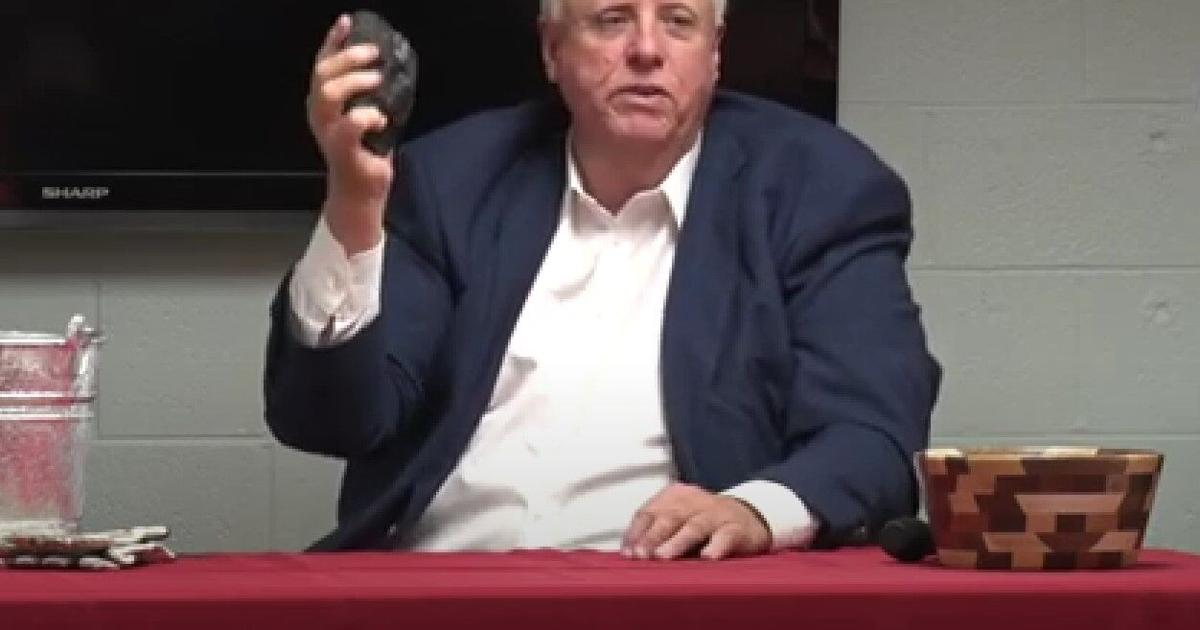
West Virginia Governor Jim Justice has announced his candidacy for the Senate, challenging incumbent Democrat Joe Manchin. Both men have deep connections to the state's coal industry, with Justice having profited from family businesses in the fossil fuel industry across Appalachia. Justice's entrance into the race sets up a potential collision between two politicians with personal ties to an energy industry that President Joe Biden and other world leaders have promised to largely replace with renewable power. Recent polling shows Justice is the strongest candidate vying for the Republican nomination to challenge Manchin.
West Virginia Governor Jim Justice signed four pro-coal industry bills into law, with the support of the West Virginia Coal Association, at a coal-fired power plant. This comes just days after a United Nations climate panel released a report calling for deep emissions reductions to combat climate change. Justice rejected concerns about the environmental impact of the bills, referring to them as "environmental whatever."