President Trump plans a significant aid package for U.S. soybean farmers affected by China's boycott of American soybeans amid ongoing trade tensions, while still seeking a trade deal with China, which is crucial for U.S. agriculture and exports.
The House took a critical step toward approving a long-stalled package of aid to Ukraine, Israel, and other American allies as Democrats supplied the crucial votes to push the legislation past Republican opposition, marking a significant breach of custom. The bipartisan effort, with more Democratic than Republican support, cleared the way for the aid package to be considered on the floor, indicating broad bipartisan backing for the $95.3 billion package. This vote was a major victory for President Biden's priority to fund Ukraine and a triumph against isolationist forces within the GOP, but it also imperiled Speaker Mike Johnson's position as he had to turn to Democrats to push through the plan over his party's objections.
Former President Donald Trump stated that Ukraine's survival is important to the United States, just days before the Republican-led U.S. House of Representatives is set to vote on a $61 billion aid package for Ukraine. While not explicitly endorsing the package, Trump criticized America's European allies for not contributing enough to support Ukraine. This marks a shift in tone from his previous refusal to express support for Ukraine in its conflict with Russia. Trump's comments came after a meeting with Polish President Andrzej Duda, where they discussed Duda's proposal for NATO members to spend at least 3% of their GDP on defense, as opposed to the current 2% requirement.
House Republicans have introduced four bills, including aid for Ukraine, Israel, and the Indo-Pacific region to counter Chinese aggression, with a total of about $95 billion. The aid package includes support for Ukraine's defense against Russia, assistance for Israel's defense against Iran and its proxies, and measures to counter China's actions in the Indo-Pacific region. Additionally, the package includes a hot-button bill that could lead to a possible nationwide ban of TikTok and comprehensive sanctions against Iran, as well as empowering the executive branch to seize and transfer frozen Russian assets held in the US to Ukraine. President Joe Biden has expressed support for the aid package, and the House is expected to vote on the bills on Saturday.
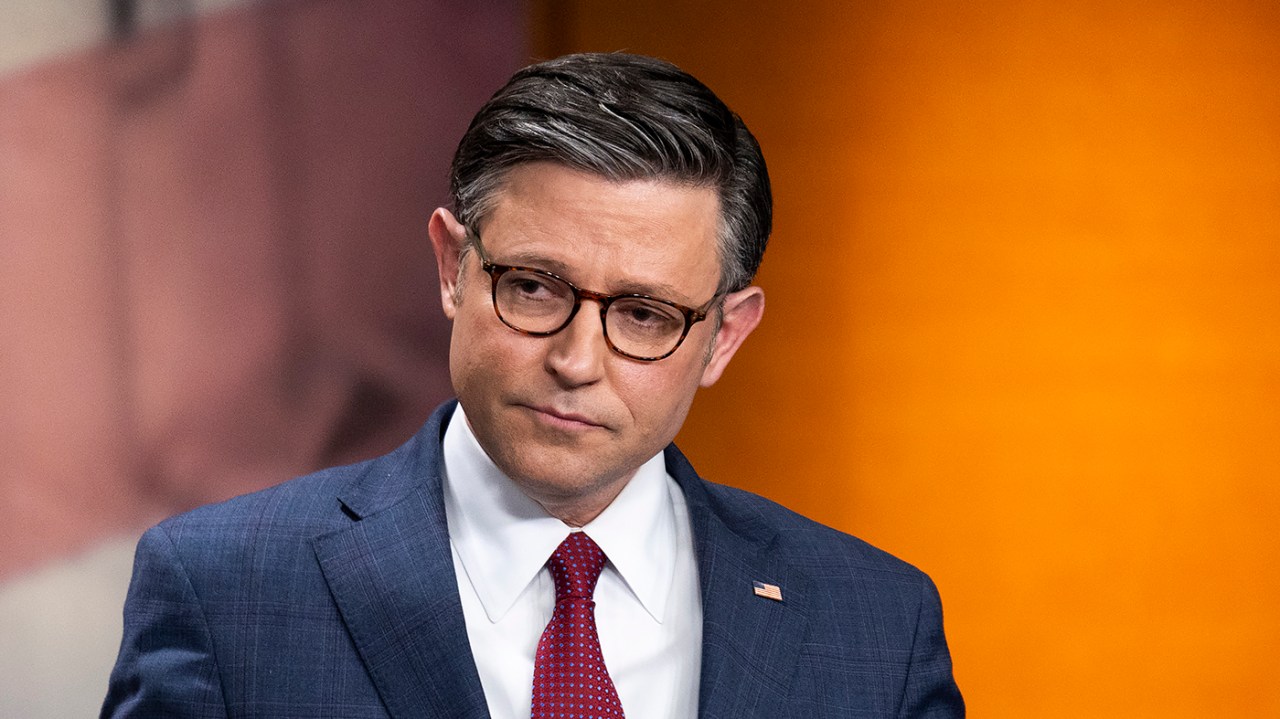
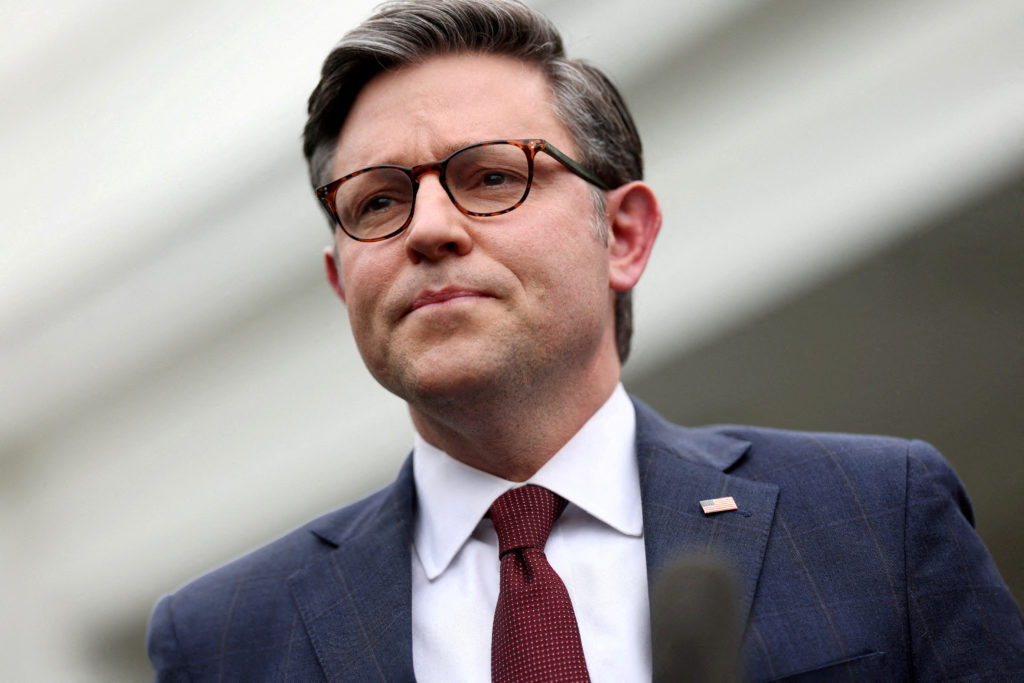
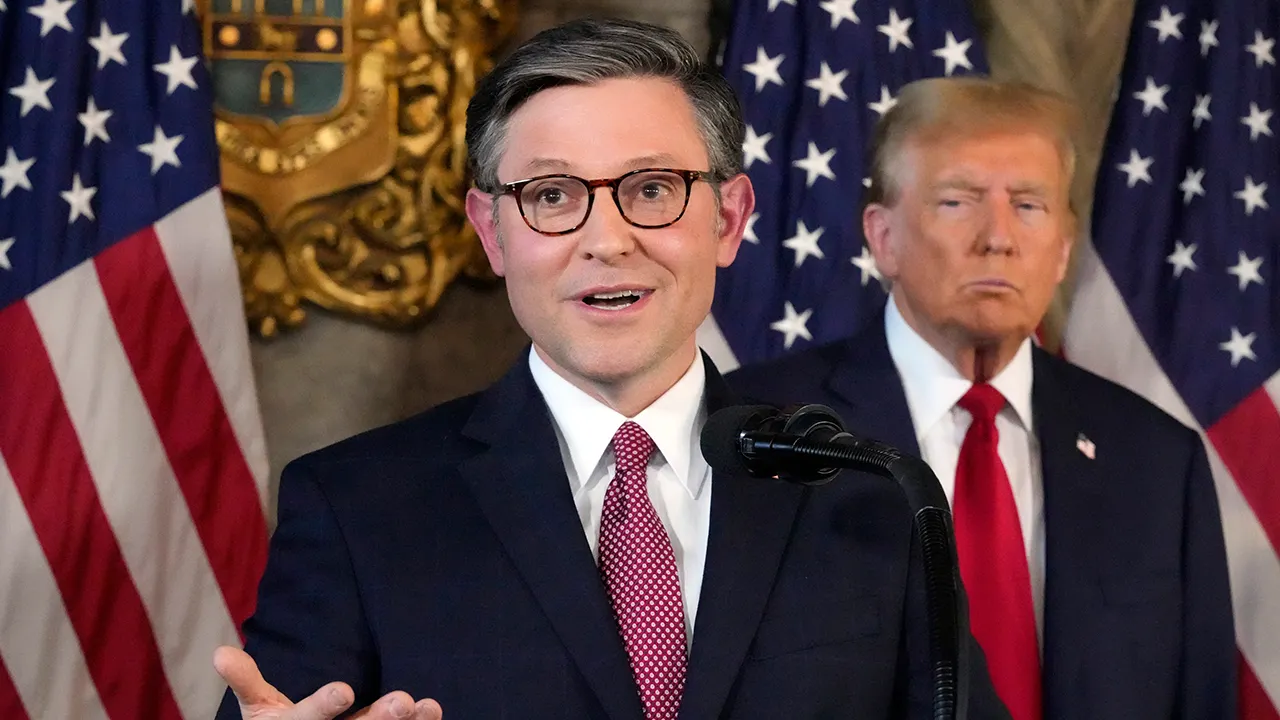
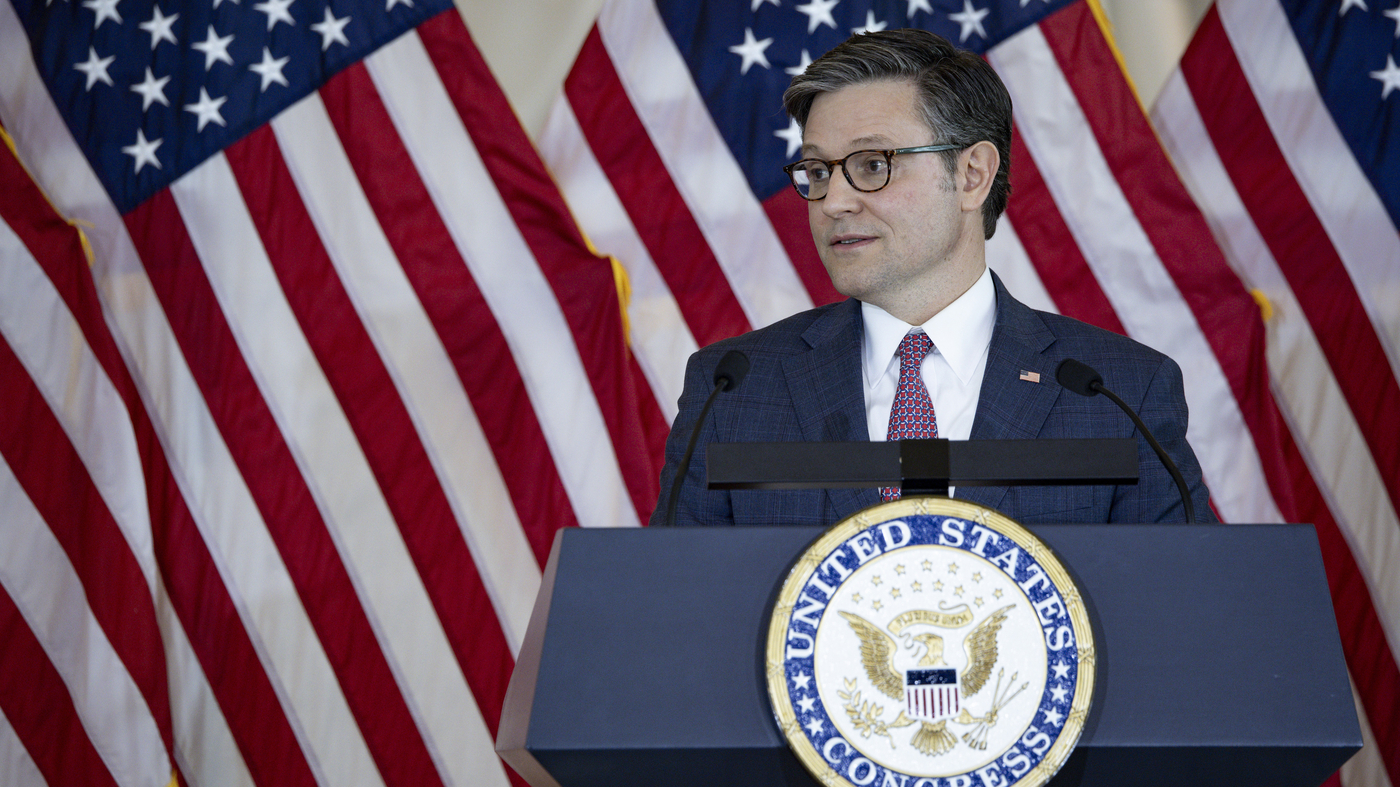
House Speaker Mike Johnson is pushing for a $95 billion national security aid package for U.S. allies, including Ukraine and Israel, following recent attacks by Iran. Concerns about the urgency of aid delivery to Ukraine, which is facing a Russian military advantage, and the need to replenish Israel's defense systems have prompted calls for swift action from Congress. The aid package faces challenges in terms of timing and potential delays, but there is bipartisan support for providing assistance to both Ukraine and Israel.
US House speaker Mike Johnson unveils a complex plan for passing wartime aid for Israel, Ukraine, and Taiwan, rejecting pressure to approve a Senate package and facing opposition from conservative lawmakers. The $95bn aid package, including $14bn for Israel and $60bn for Ukraine, has been delayed for over two months, despite mounting pressure following recent conflicts in the Middle East and eastern Europe. Johnson's strategy involves separate votes on aid for each country and foreign policy proposals, but it deviates from the Senate package, clouding its prospects for passage in Congress.
House Speaker Mike Johnson proposes a complex strategy for passing aid for Ukraine, Israel, and Taiwan, deviating from the Senate's $95 billion aid package and facing opposition from both conservative and progressive lawmakers. Pressure mounts from global conflicts, including Iran's missile strike on Israel and escalating tensions in Ukraine. President Biden urges the House to act, while Democratic leaders push for the Senate-passed bill. Divisions within the House and pressure from both sides complicate the path to passing the aid package.
House Speaker Mike Johnson is proposing a complex strategy to pass aid for Ukraine, Israel, and Taiwan, deviating from the Senate's $95 billion aid package. Pressure is mounting as conflicts in Israel and Ukraine escalate, with President Biden urging immediate action. Johnson's approach has sparked division among House Republicans, with some pushing to oust him as speaker. Democratic leaders are pressuring Johnson to take up the Senate-passed bill, while progressive Democrats are hesitant due to concerns about aid to Israel.
House Speaker Mike Johnson plans to bring a spending package to the House floor this week, including aid for Israel, Ukraine, and Taiwan. The package, facing political pressure, aims to provide support for U.S. allies and humanitarian aid for civilians in Ukraine and Gaza, as well as funding to replenish U.S. weapons provided to Taiwan. Johnson is urged to put a bill approved by the Senate onto the House floor and is considering structuring some of the funding for Kyiv as loans. Pressure from the White House and Senate, as well as a recent attack on Israel by Iran, has increased the urgency to pass the aid package.
House Speaker Mike Johnson is facing pressure from fellow GOP lawmakers as he seeks to advance a $95 billion national security package that includes aid for Israel, Ukraine, and allies in Asia. Johnson aims to push for the aid this week, with Senate Majority Leader Chuck Schumer emphasizing the importance of helping Israel and Ukraine. Johnson has been in discussions with the White House and former President Donald Trump, and faces challenges from both hardline conservatives and progressive Democrats in his efforts to secure bipartisan support for the aid package.
The House of Representatives plans to prioritize legislation supporting Israel following Iran's recent attack on the country, prompting a shift in the legislative schedule. Lawmakers are calling for a proper response and aid for Israel, with bipartisan support for passing a national security supplemental bill to provide essential aid to Israel and Ukraine. The shape of the aid package remains unclear, but there are bipartisan calls for immediate action to support Israel in the aftermath of the Iranian attack.
Former Secretary of State Mike Pompeo and the president of the Hudson Institute urged Speaker Mike Johnson to approve more aid to Ukraine, emphasizing the importance of supporting Kyiv in its fight against Russia. They argued that protecting Ukraine is crucial for American freedom and values, and called on Johnson to lead in providing assistance. The letter comes as Congress returns to address pressing issues, with Johnson expected to take up Ukraine funding and aid to other allies. The urgency for Ukraine funding has grown as Kyiv struggles against a larger Russian army, and the Biden administration emphasizes the need to provide more weapons to Ukraine promptly.
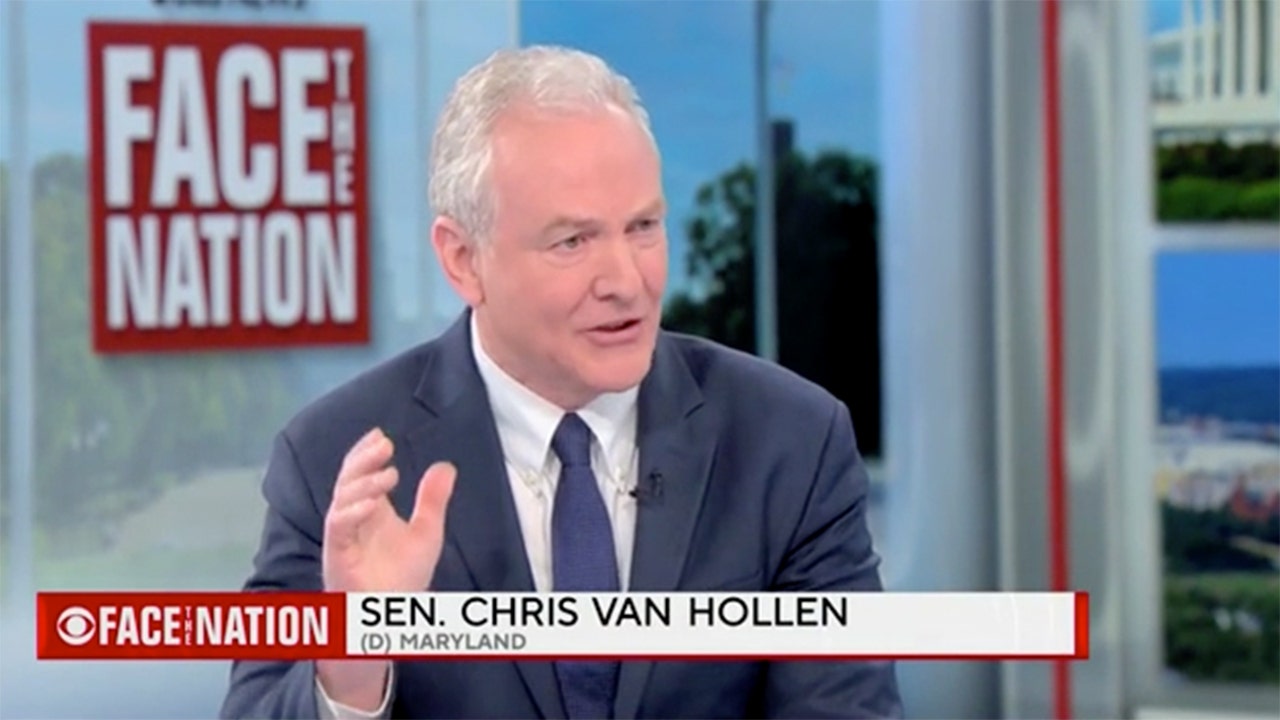
Democratic Senator Chris Van Hollen expressed uncertainty about the White House's position on conditioning aid to Israel amid the humanitarian crisis in Gaza, emphasizing the need for enforcement of President Biden's national security memorandum. Van Hollen also highlighted the $14 billion aid package for Israel held up in the House of Representatives and called for the administration to adhere to its own policy. White House national security communications adviser John Kirby indicated that President Biden had warned Israeli Prime Minister Benjamin Netanyahu about potential changes in U.S. policy if improvements in the humanitarian situation in Gaza are not seen.
A new video aired on Al Jazeera shows Israeli forces shooting an unarmed Palestinian man who was collecting an airdropped aid package in northern Gaza, leaving his lifeless body to be approached by dogs.
Speaker Mike Johnson (R-La.) plans to move a package including aid for Ukraine with "important innovations" when the House returns from recess, aiming for bipartisan support and emphasizing the need to build consensus in a historically narrow House majority. The package may include extending a loan to Ukraine, the REPO for Ukrainians Act, and promoting natural gas exports to weaken Vladimir Putin's war effort. House Intelligence Committee Chair Mike Turner (R-Ohio) expressed confidence in overwhelming support for Ukraine funding upon Congress's return.