The article discusses the potential for an energy crisis in the US driven by rising costs, increased demand from AI data centers, and delays in renewable energy projects, but also highlights the possibility that advancements in battery technology and smarter grid utilization could prevent such a crisis.
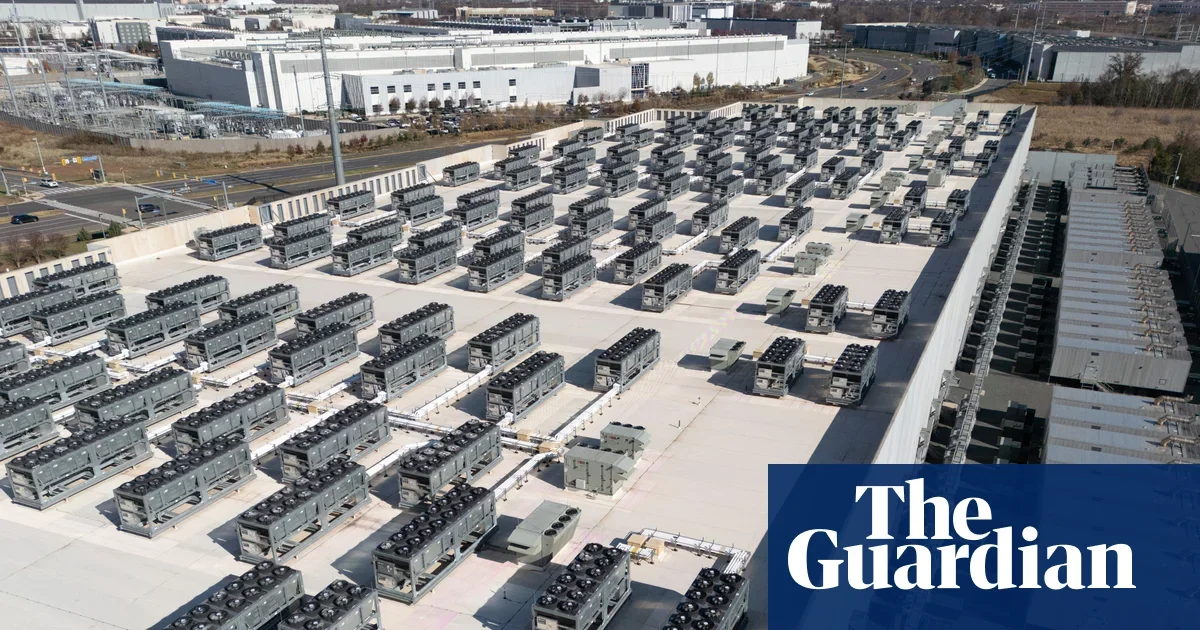
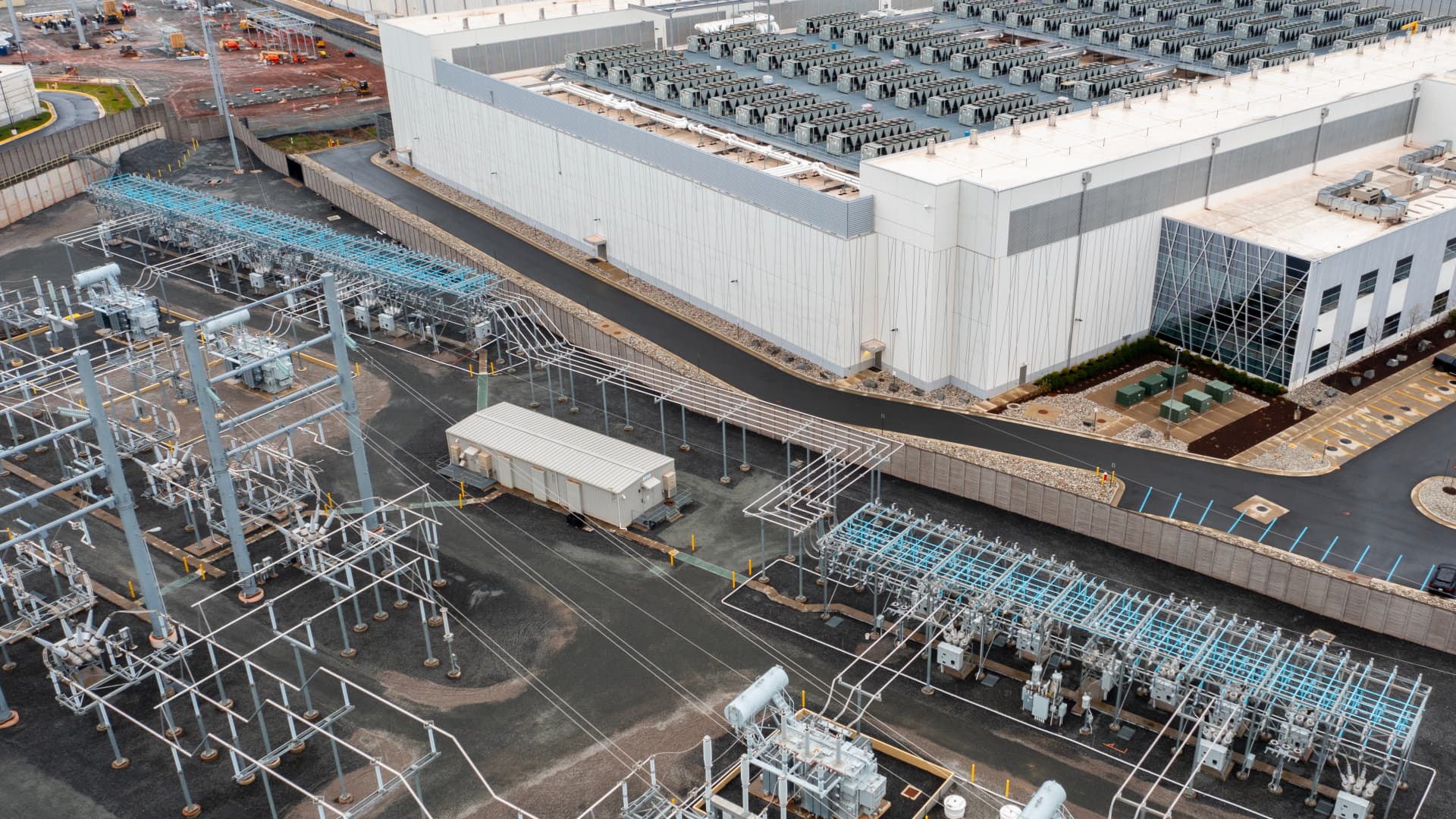
Major tech companies like Google, Microsoft, and Meta are investing heavily in AI data centers, but face growing local opposition due to environmental concerns and rising energy costs, which could slow growth and push projects abroad. The surge in data center construction is straining the US energy grid, raising electricity prices, and sparking political and community resistance, especially in states like Pennsylvania. Solutions such as targeted electricity rates, renewable energy, and nuclear power are being explored to address these challenges, but the industry must navigate local opposition and infrastructure constraints to sustain AI growth.
Democratic senators are investigating whether major tech companies are passing the high energy costs of their data centers onto American consumers, amid concerns over rising electricity bills, environmental impact, and lack of transparency and regulation. They seek more information from companies like Google, Microsoft, Amazon, and Meta, and highlight the growing energy consumption and climate costs associated with data centers.
Rising electricity prices, driven mainly by the expansion of AI data centers, are causing political backlash in the US, with Democrats criticizing the current administration and local officials demanding that the tech industry bear more of the costs for the increased energy demand, amid broader debates over energy policies and affordability.
A survey by AlixPartners highlights a surge in investment and valuation in data centers fueling AI development, but warns of potential industry distress due to rising energy costs, competition, and technological disruptions, with concerns about long-term demand and financial sustainability.
Households across the U.S. are facing rising electricity bills due to significant utility rate increases, with over $34 billion in rate hike requests in 2025, leading to economic hardship and becoming a key political issue ahead of upcoming elections.
The rapid growth of AI-driven data centers is significantly increasing electricity demand and wholesale energy prices, especially near data center hubs like Baltimore, leading to higher utility bills for consumers across the US, raising economic and political concerns about fair cost distribution and energy sustainability.
Despite campaign promises to lower costs, Trump's tariffs and policies have led to increased prices for groceries, electricity, and other essentials in the US, disproportionately affecting low- and middle-income families and contradicting his promise to make America affordable again.
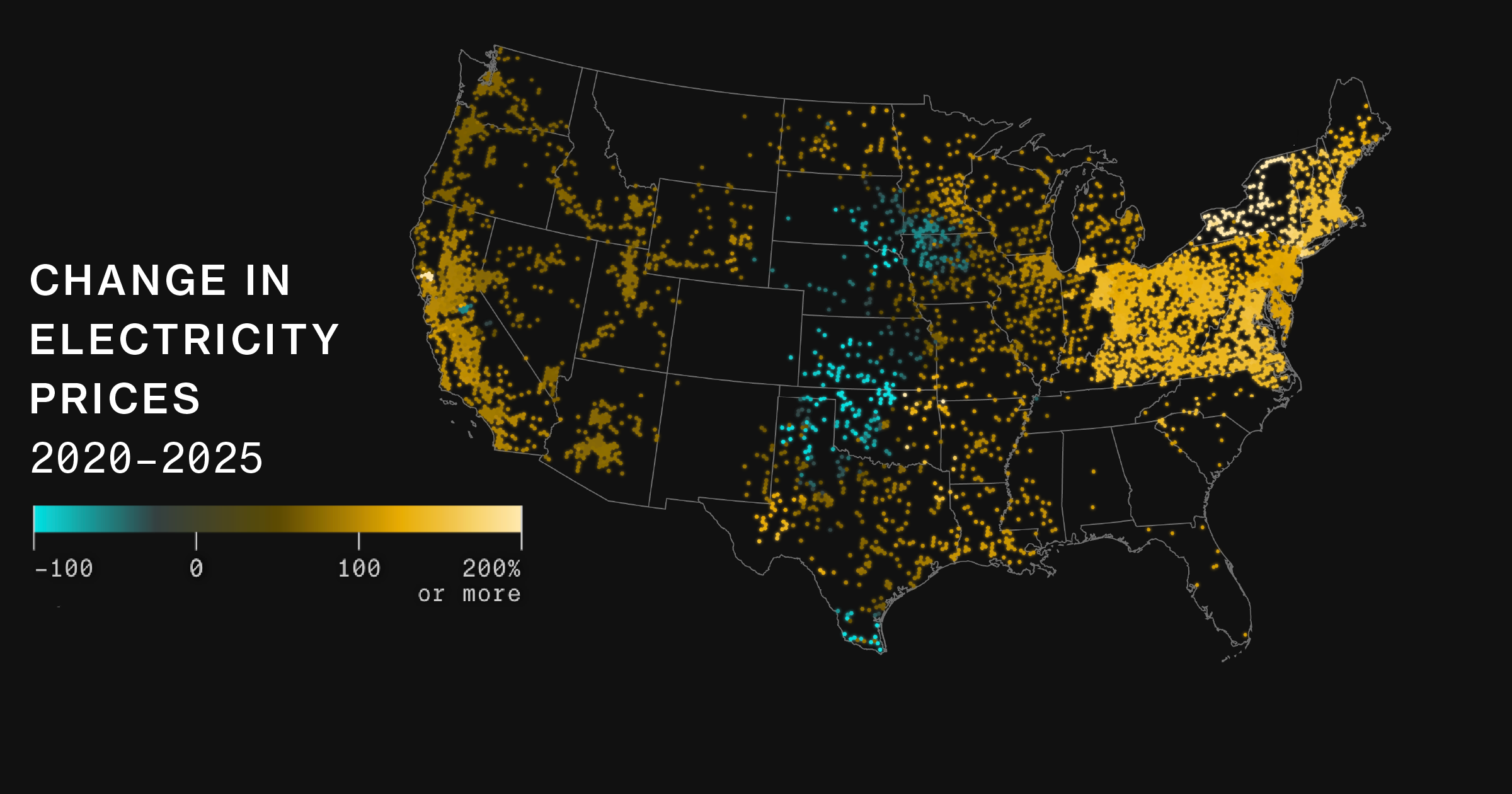
Electricity prices in the US are rising more than twice as fast as inflation, driven by factors like increased demand from data centers and higher natural gas prices, leading to significant financial strain on households, especially in Florida where power bills can exceed $400 monthly despite energy-saving investments.
Rising electricity bills are increasingly linked to the energy demands of data centers operated by major tech companies, prompting states to consider policies to ensure these companies pay a fair share of the costs, amid concerns that regular consumers are subsidizing the energy needs of Big Tech.
Rising electricity bills are increasingly linked to the energy demands of data centers operated by major tech companies, prompting states to consider higher charges and regulatory changes to ensure these corporations contribute fairly to infrastructure costs, amid broader concerns about the impact on ratepayers and the energy grid.
Florida Power & Light proposes a nearly $10 billion rate hike over four years, which could be the largest in U.S. history, to fund grid reliability, renewable energy projects, and infrastructure, sparking concerns from environmental groups and advocates about affordability and shareholder profits.
The US plans to increase tariffs on India to 50% over its purchases of Russian oil, citing concerns about Russia's use of India as a 'release valve' for its exports amid the Ukraine conflict. India has criticized the move as unjustified and hinted at retaliation, arguing that its purchases are necessary for affordable energy. The US aims to pressure India to reduce Russian oil imports, but the move risks escalating trade tensions and impacting global energy prices.
The rise of AI and increased energy demands have led to higher electricity bills for millions of households across the eastern US this summer, with significant monthly increases in cities like Trenton, Philadelphia, Pittsburgh, and Columbus.
The cost of electricity in the US's largest market has hit a record high due to increased demand from AI data centers and delays in new power plant construction, leading to higher energy prices for consumers, with PJM procuring energy supplies at a 22% increase from the previous year.