
defense5.37 min read
Border Drone Downed by LOCUST Laser, Extending Airspace Restrictions
4 hours ago•Source: The War Zone

The latest defense stories, summarized by AI

The Pentagon reportedly approved OpenAI's safety rules for deploying AI in classified settings, though no contract has been signed, signaling a shift away from Anthropic in military use debates. OpenAI wants cloud-only confinement, ongoing security monitoring, and researchers with security clearances to advise on risks, while opposing mass surveillance and autonomous weapons; the move could boost OpenAI politically even as Anthropic faces criticism from defense officials.

Breaking Defense•11 hours ago
The Guardian•16 hours ago

The Defense Department used a high-energy laser to shoot down a drone near Fort Hancock, Texas, triggering an FAA airspace closure and renewing scrutiny of cross-agency coordination in counter-drone operations, following a similar incident earlier this month near El Paso involving a balloon.

The Defense Department says it used counter-UAS authorities to shoot down a U.S. Customs and Border Protection drone with a laser near Fort Hancock, Texas; a temporary FAA flight restriction was issued around the area, no commercial aircraft were affected, and lawmakers criticized the apparent lack of coordination between agencies.

With 14 months left in his term, Macron aims to move from rhetoric to action on France’s nuclear arsenal, proposing a more integrated European deterrent—from deploying nuclear-capable jets to possibly hosting warheads—while insisting Paris would retain control. Berlin and Warsaw have warmed to a broader European security role, though domestic politics, notably Marine Le Pen’s National Rally, and risks of a future reversal complicate the plan. The speech will test how far a new European nuclear architecture can be locked in without unsettling NATO cohesion or triggering costly commitments that only France would shoulder. The outcome hinges on political feasibility and whether leaders want a substantive shift or a cautious, symbolic gesture.

Germany's parliament tightens oversight on a multibillion-euro drone contract for Stark and Helsing after scrutiny of Peter Thiel's minority stake in Stark, imposing spending caps and requiring renewed parliamentary approval for large orders. The seven-year framework starts with a €268.6 million fixed order and could reach €2.86 billion if all optionals are exercised, with follow-ons and any orders above €1 billion requiring updated needs, pricing documentation and renewed parliamentary approval, plus qualification/serial-readiness checks.

Czechia’s new government proposes cutting core military spending to 1.8% of GDP in 2026 (2.1% total with 0.34% funded from other ministries) to free funds for health and social programs, a move that could strain NATO unity and U.S. patience even as Prague pledges it will still meet the alliance’s goal of reaching 2% of GDP and, ultimately, the 2035 plan for 5% defense spending, albeit through accounting tricks and delayed procurements.
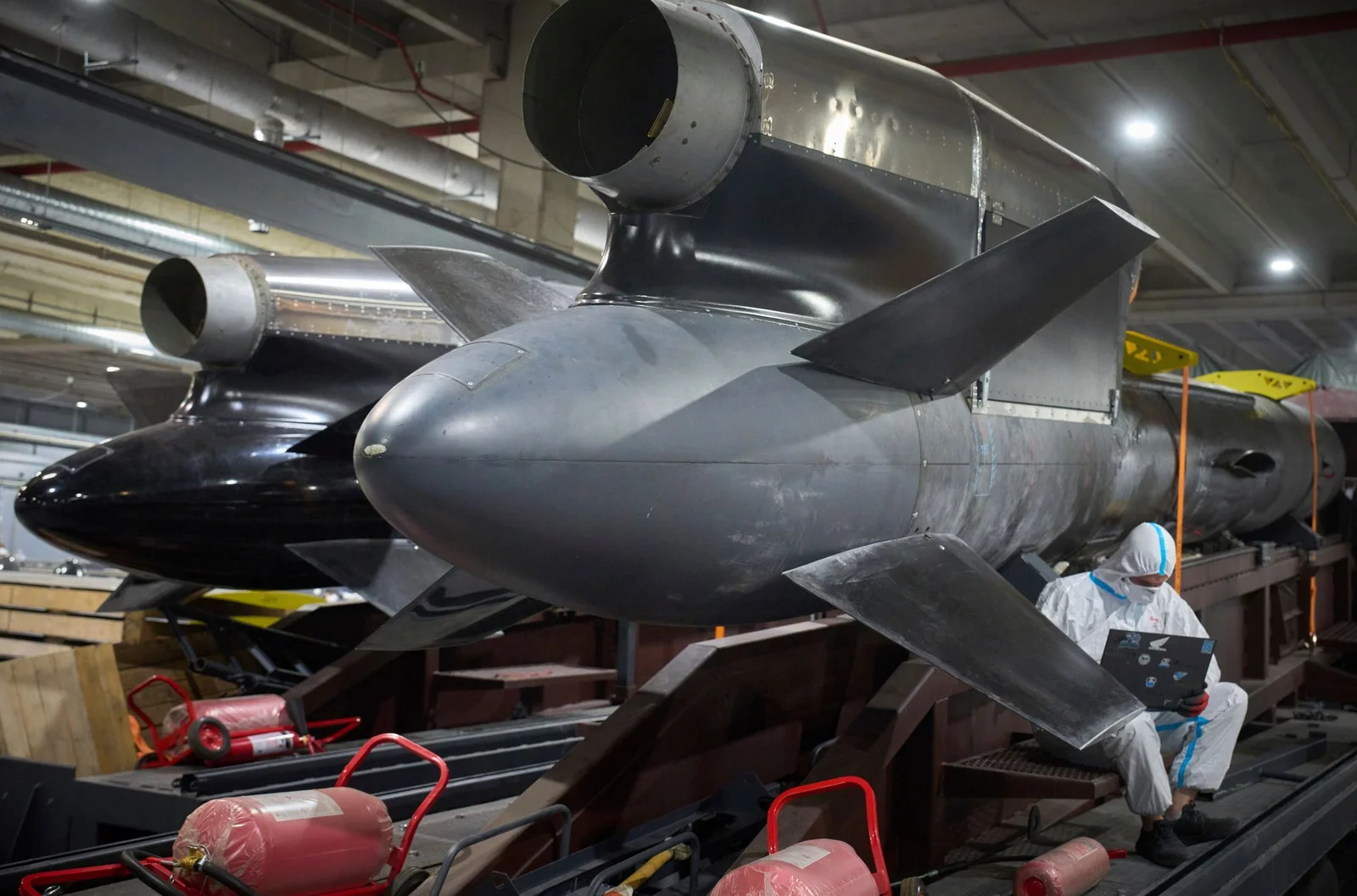
Ukraine has stepped up use of domestically produced Flamingo cruise missiles since late 2025, including an overnight strike on Russia’s Votkinsk missile plant, signaling a potential shift toward deep-strike capability against high-value targets. Analysts say Flamingo could complement long-range drones, but its deployment depends on Fire Point’s production capacity and ongoing secrecy around the program, as well as recent attacks on Fire Point that have affected rollout; the initiative remains under scrutiny in Ukraine and among observers.

The Army’s acquisition chief told Congress that the Mesquite, Texas 155mm artillery production facility has not produced a shell yet and is far from the 100,000-round-per-month goal, with current output around 56,000 per month. The government-owned plant, operated by General Dynamics OTS, is still being scaled up and not fully operational; negotiations continue on production lines, quantities, and possible industry investment. Lawmakers urge a quick path to progress or a plan to move on from the contract if necessary.

German lawmakers in coalition scrutinize Peter Thiel’s stake in Stark as Germany weighs a seven-year drone framework worth up to about €2.9 billion, starting with an initial fixed order of €268.6 million; redactions of pricing and quantities raise oversight concerns, while Defense Minister Pistorius says Thiel is not a key stakeholder and Parliament must approve the deal, potentially with safeguards before a vote.

A Defense Department inspector general report finds four military working dogs died between 2021 and 2023 due to aging, unsatisfactory kennel conditions and a caretaker shortage, with mold and extreme weather cited at several bases. Autopsies attributed the deaths to pneumonia, not neglect, per an Air Force official. The IG also found about 200+ dogs at Joint Base San Antonio Lackland were in non-training status and receiving far less daily physical/social activity than required due to staffing gaps. The Air Force agreed to hire more caretakers and to reduce the number of dogs in non-training status while developing a plan to upgrade kennels to meet standards; DoD operates over 2,200 working dog teams across 182 locations.
The Air Force and Northrop Grumman agreed to boost annual B-21 Raider production by 25% using $4.5 billion from FY2025 reconciliation to accelerate delivery of the stealth bomber fleet, preserving cost and performance discipline. With 2025 deliveries on schedule and a planned 2027 ramp at Ellsworth AFB, the B-21 remains central to nuclear modernization and long-range strike, enabling faster fielding of combat capability to deter and defeat emerging threats.