PJM's 2026/2027 capacity auction secured 134,311 MW of generation and demand response, with prices at the FERC cap of $329.17/MW-day, reflecting a response to rising demand and a tightening supply-demand balance, and indicating ongoing investment and reforms in the regional power grid.
The DOE warns that shutting down fossil fuel power plants could increase the risk of blackouts by up to 100 times by 2030, as renewables are seen as less reliable for baseload power, prompting political debates over energy policy and grid stability.
The Trump administration invoked emergency powers to keep the Eddystone Generating Station in Pennsylvania operational, citing grid reliability concerns, despite plans for its closure, amid broader debates over fossil fuel plant retirements and energy policy.
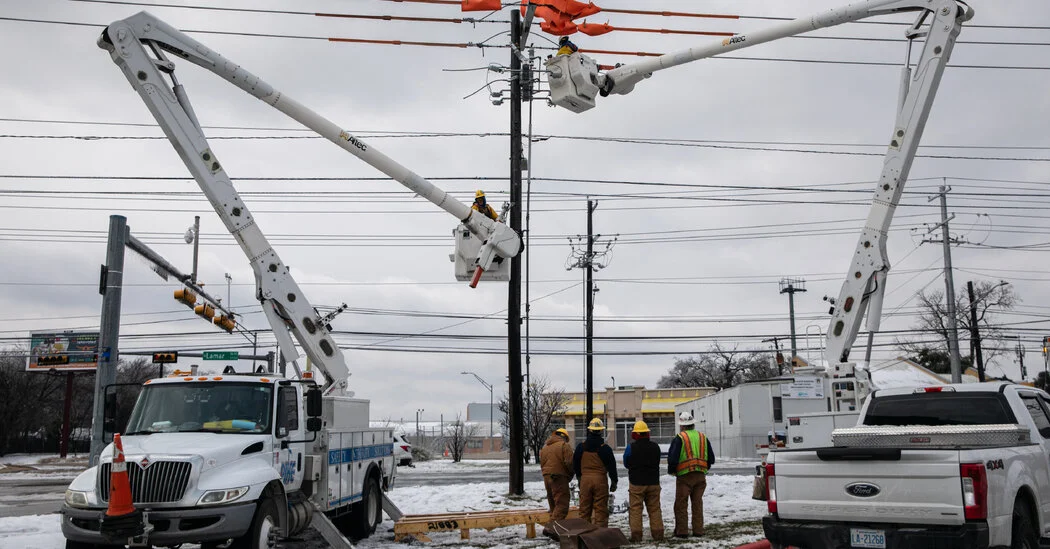
Entergy Louisiana and Entergy New Orleans have initiated periodic power outages as directed by MISO to prevent more severe grid failures, affecting over 1.3 million customers, with efforts to restore normalcy as soon as possible.
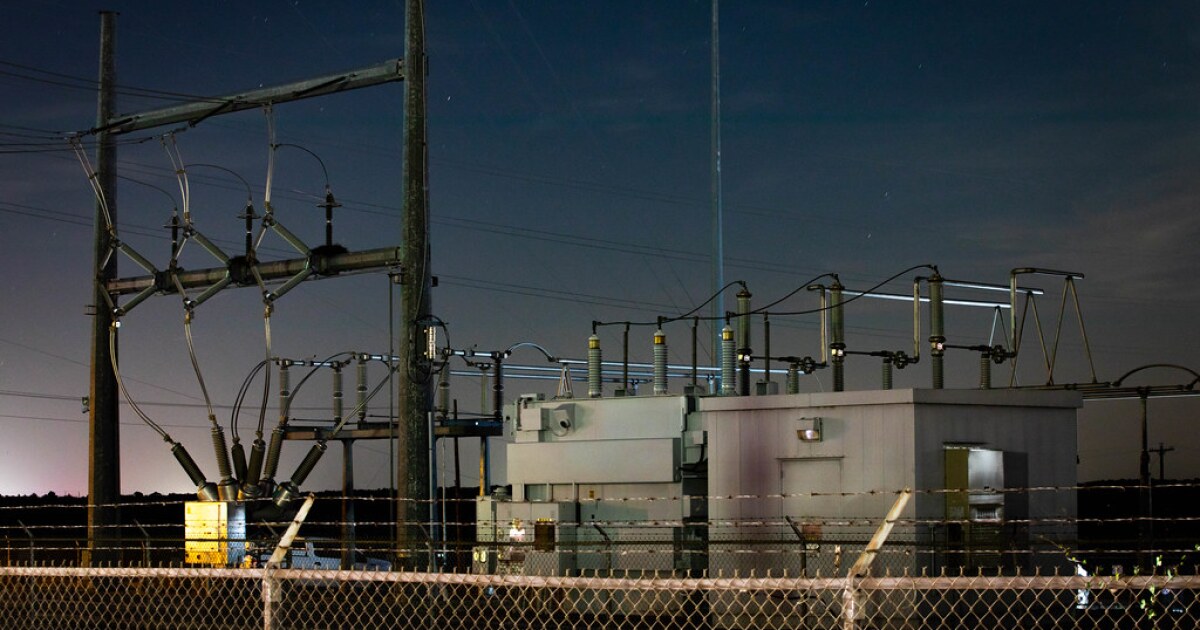
The U.S. Department of Energy (DOE) has finalized energy efficiency standards for distribution transformers, aiming to bolster the nation's power grid, support domestic manufacturing jobs, and deliver billions in energy savings. The updated standards, with a longer compliance timeline of five years, are projected to save American utilities and businesses $824 million annually in electricity costs and increase demand for core materials like grain-oriented electrical steel (GOES). The move is expected to protect and create jobs in Pennsylvania and Ohio, reduce carbon emissions, and enhance the efficiency of the electrical grid, while aligning with President Biden's industrial policy goals.
ERCOT has canceled a program aimed at increasing power reserves ahead of winter due to limited responses from energy companies. The program was introduced as a precautionary measure to mitigate risks during extreme weather conditions. Despite the cancellation, ERCOT believes there is potential for expanding grid demand response through industrial, commercial, and residential entities and will work with the Public Utility Commission of Texas to explore incentives and product designs. ERCOT has made improvements to the grid since the 2021 winter storm, including weatherization inspections and additional ancillary services.
Texas voters have approved a constitutional amendment creating the Texas Energy Fund, which will inject $10 billion into energy infrastructure, including $7.2 billion for power plant construction. The Public Utility Commission of Texas will oversee the fund, a new responsibility for the agency. However, doubts remain about the effectiveness of the incentive program in spurring investment in natural gas power plants, as underlying market realities make building new plants a risky bet. The money will be distributed as low-interest loans, but there are concerns about the ability to recoup the investment due to advances in energy technology and the transition away from fossil fuels. The Texas Energy Fund will also support energy resilience projects and grid overhauls.
Texas voters will decide on Proposition 7, which aims to allocate billions of dollars to support natural gas power plants. Proponents argue that it will improve the state's electric grid, which failed during a severe winter storm in 2021. Opponents view it as a taxpayer giveaway to the fossil fuel industry and question its effectiveness in enhancing reliability. The proposition creates the Texas Energy Fund, providing low-interest loans for new gas-powered plants, completion bonuses, and repairs. It also allocates funds for backup power and power infrastructure outside the Electric Reliability Council of Texas (ERCOT) jurisdiction. Environmental advocates oppose the measure, emphasizing the need to transition away from fossil fuels.
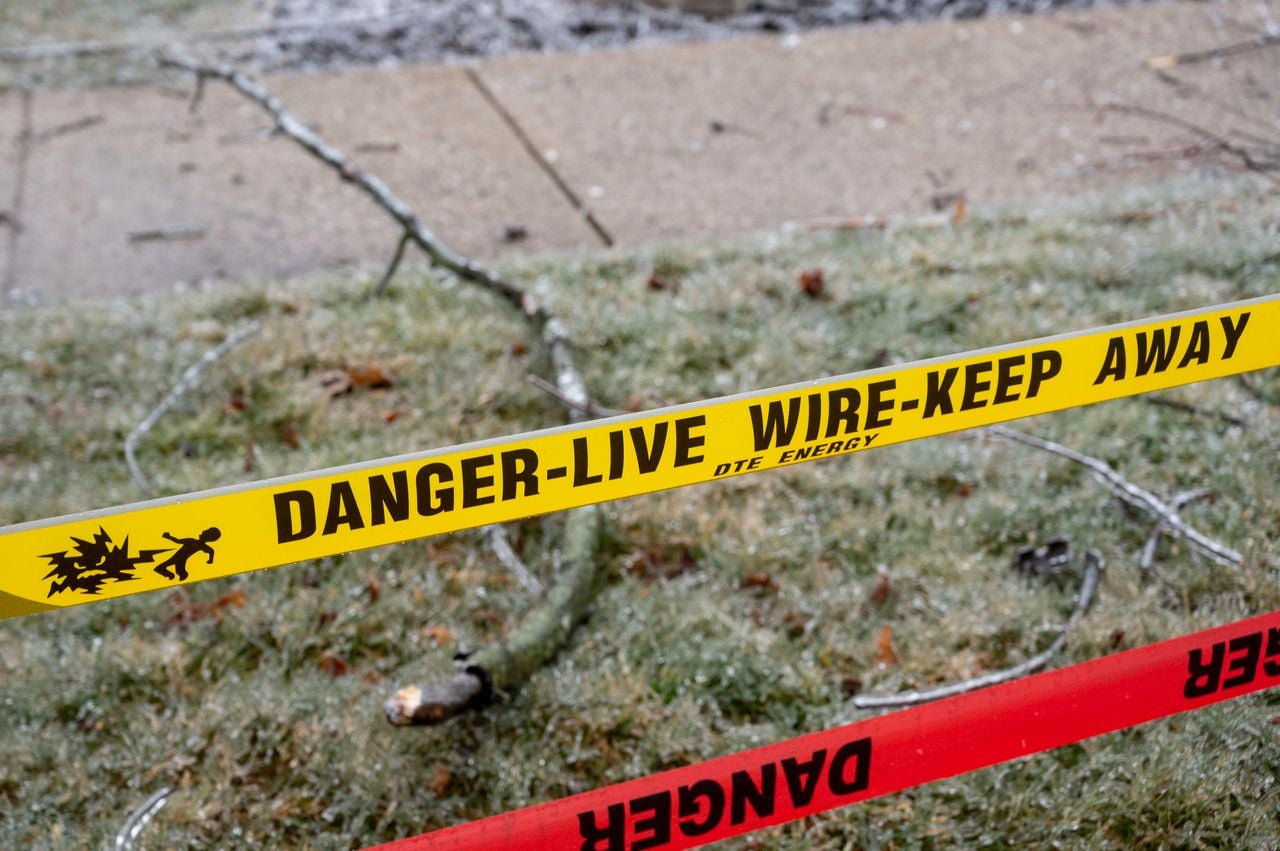
Michigan regulators are considering tying utility earnings to grid reliability in a "straw proposal" aimed at penalizing utilities for repetitive and lengthy power outages. The proposal could include financial penalties for utilities with long outages and connect the company's earnings to how quickly electricity is restored, particularly during major storms. The move comes as Michigan's utilities struggle to keep the power on amid climate change, with bad weather and fallen trees frequently causing power outages. The proposal has gained traction among residents who have voiced complaints about lost heat, spoiled food, and wasted work hours. The Michigan Public Service Commission will accept comments on the proposal until September 22.
The Electric Reliability Council of Texas (ERCOT) has asked Texans to conserve electricity for the third consecutive day due to tight grid conditions caused by low wind and potentially low solar generation, along with high demand. ERCOT has set 10 new all-time peak demand records this summer and is implementing various measures to maintain grid reliability, including using reserve power, requesting reductions from large electric customers, and urging government agencies to reduce energy use. If outages occur, ERCOT states they are local and not related to overall grid reliability.
Energy expert Doug Lewin evaluates the Texas power grid and ERCOT's reliability as the state experiences record-breaking heat and increased energy demand. ERCOT and energy providers have asked Texans to conserve during peak hours, as the strain on the power grid continues.
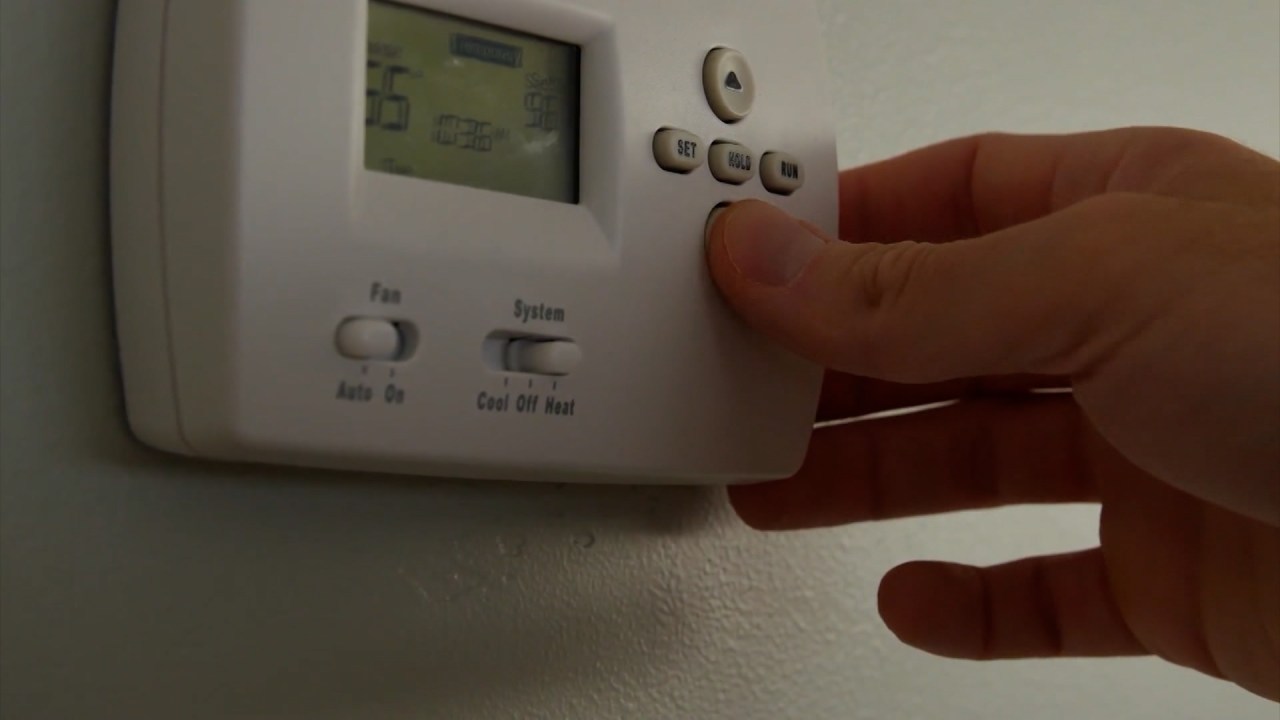
Energy expert Doug Lewin criticizes ERCOT's repeated requests for Texans to conserve energy, calling it "ridiculous" and suggesting the need for a Residential Demand Response Program instead. Lewin argues that voluntary incentives and automated thermostats could be used to reduce demand during peak times, providing comfort to residents while also addressing grid reliability issues. He emphasizes the importance of improving the grid's resilience for both summer and winter seasons, as ERCOT continues to set new peak demand records. Lewin questions the effectiveness of conservation calls and highlights the need for alternative solutions.
As Texas faces a historic heat wave, big battery storage is playing a crucial role in keeping the grid online. The recent scaling of renewable energy and energy storage has prevented blackouts by providing clean power as gas and coal plants were taken offline. Long-duration energy storage (LDES) paired with renewable energy ensures critical applications stay online during extreme strain on the grid. However, there is currently limited LDES deployment at scale in Texas, highlighting the need for policy and regulation to support its expansion. The LDES market has significant growth potential and can provide relief to congested transmission and distribution lines while ensuring 24/7 clean power and cost reductions.
The increasing reliance on wind and solar power in the U.S. is posing new challenges for the electric grid. The complexity of the grid, which operates as a single electrical circuit, is rapidly growing due to the integration of renewable energy sources. This presents engineering challenges and potential risks of blackouts. There is a need for more research focused on the complexities of the evolving grid to prevent large-scale blackouts that could have significant economic consequences. However, funding and talent are being diverted towards expanding the grid and edge-of-the-grid technologies, reducing the focus on core grid research. Additionally, the protection of grid information since 9/11 hinders reproducibility and replicability of results. Synthetic models and data could be a partial solution, but further research is needed.
ERCOT has issued a weather watch alert from Sunday to Friday, June 30, due to higher forecasted temperatures and electricity demand. The power grid conditions are expected to be normal, but people are advised to monitor grid conditions. The Texas Legislature needs to take positive action to add resilience and reliability to the grid, according to an energy fellow and economics lecturer at the University of Houston. A new June peak demand record was set on June 19, indicating the possibility of a new all-time peak demand record next week.