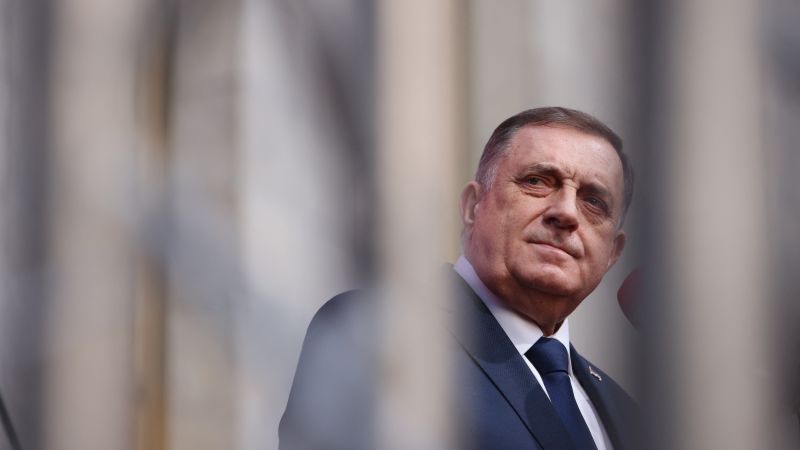
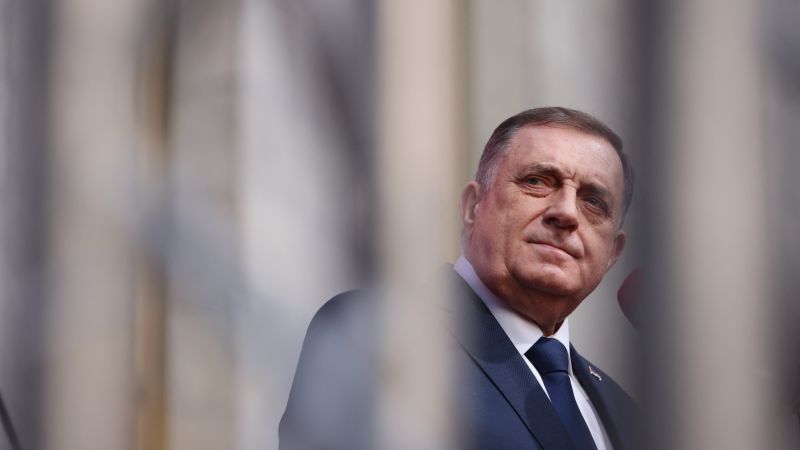
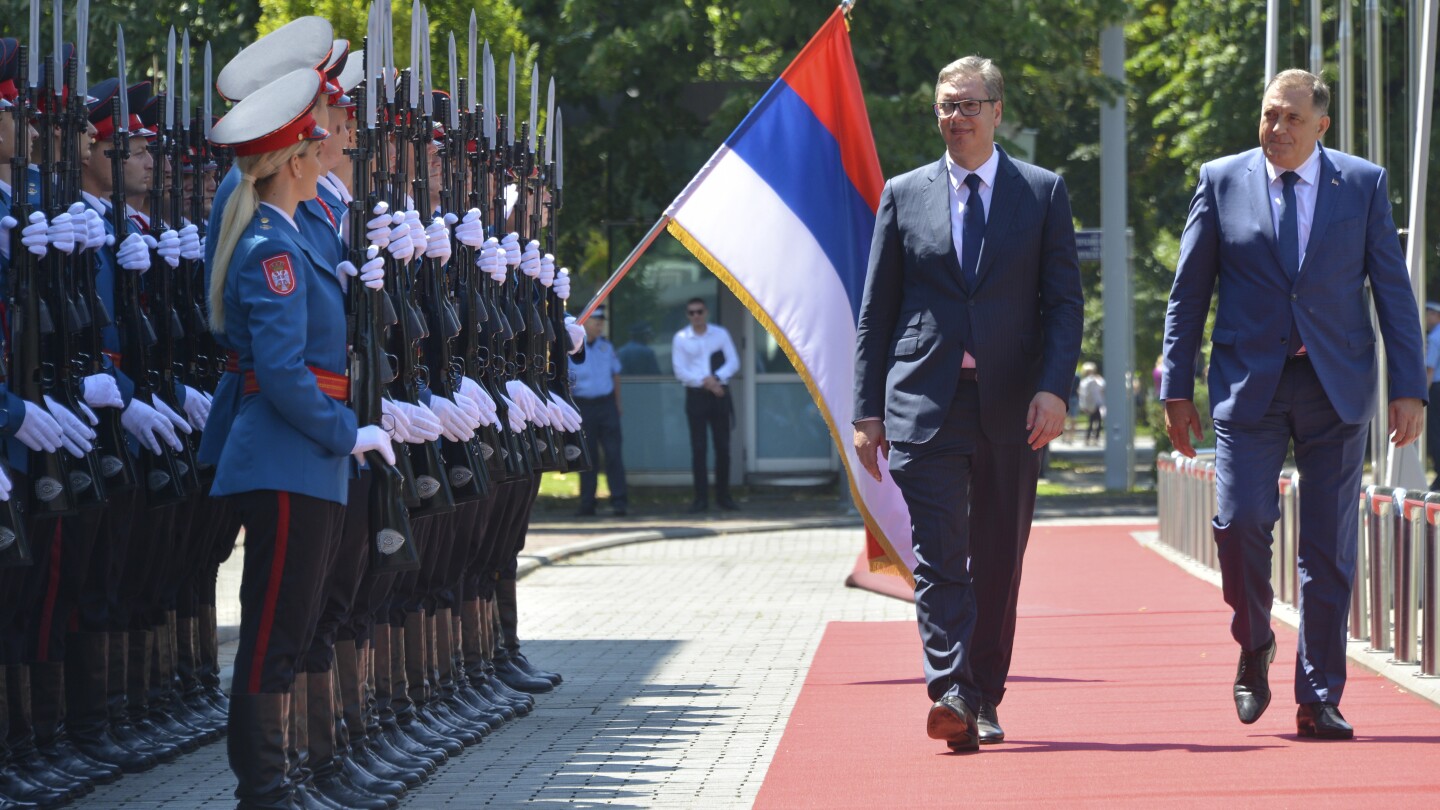
Milorad Dodik, a key nationalist leader in Bosnia's Republika Srpska, faces removal from office after a court upheld his prison sentence, challenging his longstanding efforts to weaken Bosnia's institutions and threatening potential unrest amid international concerns over regional stability.
Milorad Dodik, a key nationalist leader in Bosnia's Serb-majority Republika Srpska, faces removal from office after a court upheld his prison sentence, challenging his long-standing efforts to weaken Bosnia's institutions and threaten secession, with potential regional destabilization and international repercussions.
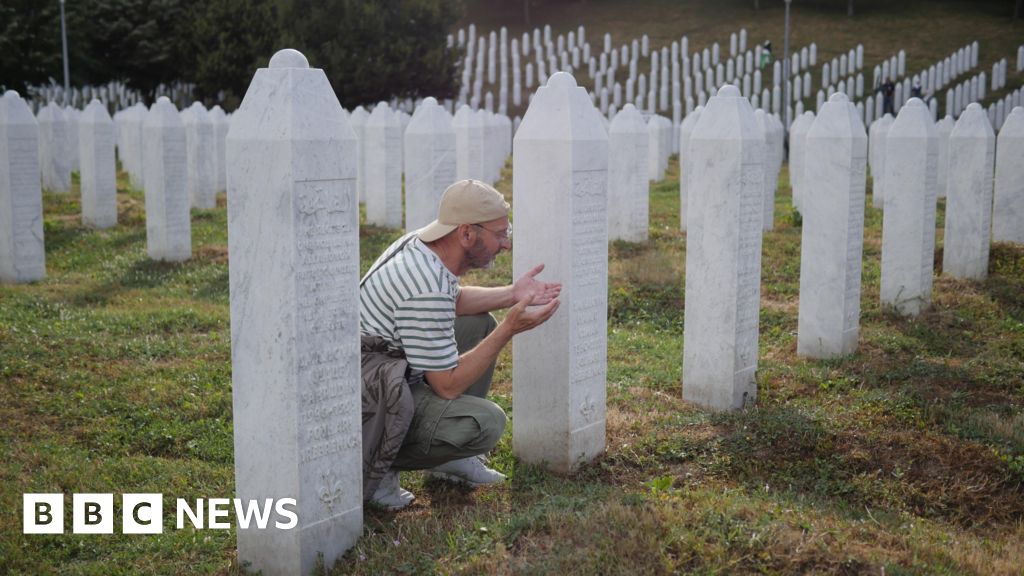
The article reflects on the 30-year aftermath of the Srebrenica massacre, highlighting ongoing ethnic divisions, political manipulation, and the challenges of reconciliation in Bosnia and Herzegovina, despite international recognition of the genocide and efforts to remember the victims.
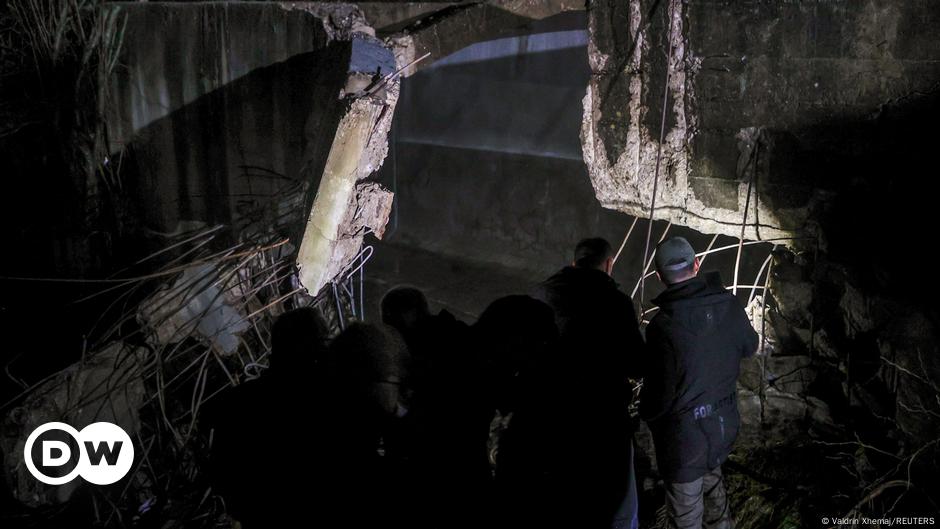
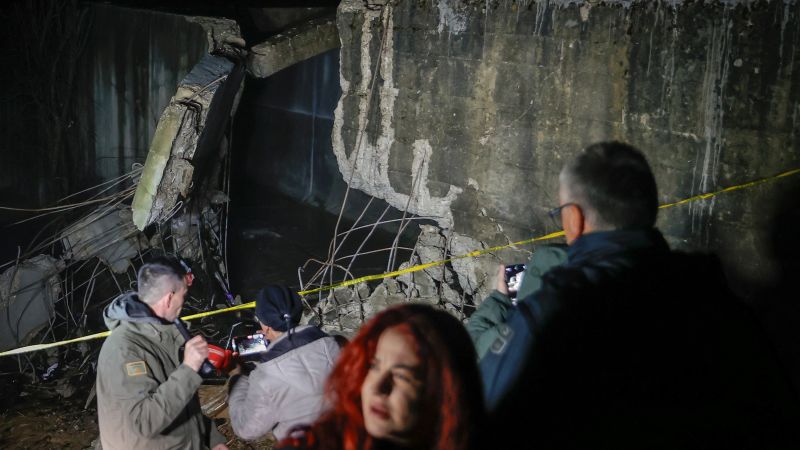
An explosion damaged a canal supplying water to Kosovo's main coal-fired power plants, prompting Prime Minister Albin Kurti to accuse Serbia of orchestrating a "terrorist act." The blast, which occurred near Zubin Potok, threatens Kosovo's electricity supply and has heightened ethnic tensions between Kosovo and Serbia. Several arrests have been made, and a large cache of weapons was seized. Both the EU and the US condemned the attack, emphasizing the need for accountability.
An explosion damaged a canal in northern Kosovo, affecting water supply to two major power plants and drinking water for the capital, Pristina. Kosovo's Prime Minister Albin Kurti labeled it a "terrorist act" by Serbia, though no evidence of Serbian involvement has been found. The incident exacerbates existing ethnic tensions between Kosovo and Serbia, with recent attacks in northern Kosovo adding to the unrest. The EU condemned the attack, highlighting its impact on water supply.
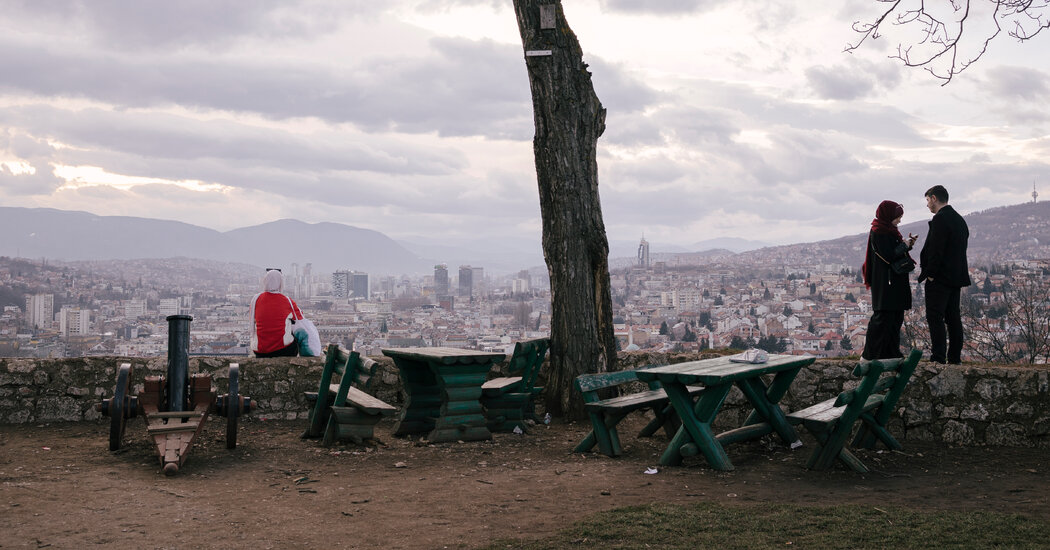
Bosnia is facing a peacetime exodus as a result of low birth rates and emigration, driven by ethnic tensions and frustration with corruption. The country's rural areas, including the village of Socice, are experiencing a significant decline in population, with only 15 people remaining compared to over 400 in 1992. This trend reflects a broader demographic crisis in Eastern and Central Europe, fueling the rise of ethnonationalist politicians who oppose the dilution of native populations.
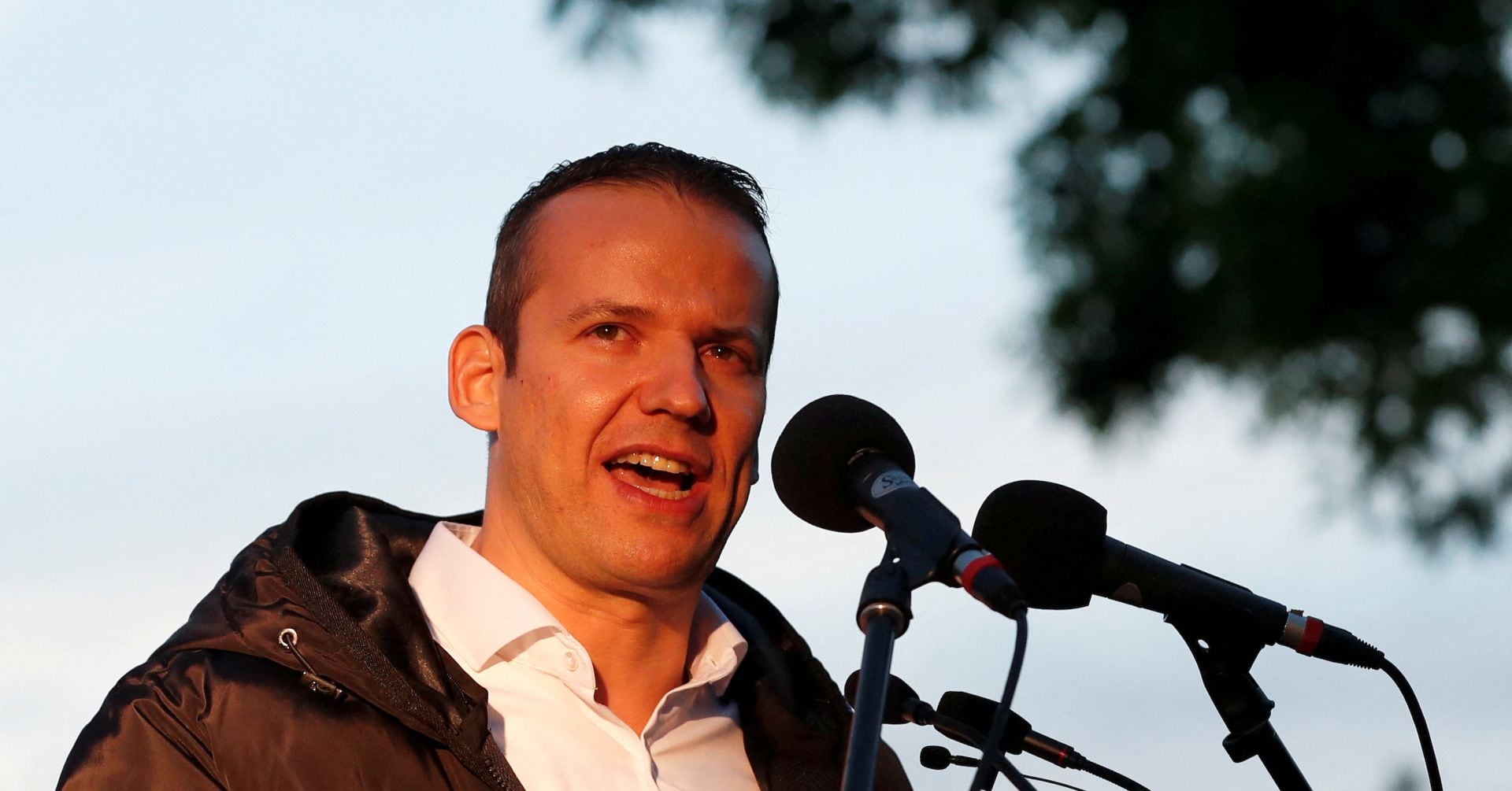
Hungary's far-right Our Homeland party, led by Laszlo Toroczkai, stated that they would lay claim to a western region of Ukraine, home to about 150,000 ethnic Hungarians, if Ukraine loses its statehood due to Russia's invasion. This announcement was made at a conference where far-right leaders from Germany's AfD and the Dutch Forum for Democracy were also present. The Hungarian government, however, has expressed support for Ukraine's sovereignty and territorial integrity, and Hungarian Foreign Minister Peter Szijjarto is set to meet with Ukrainian officials to address the ongoing tensions.
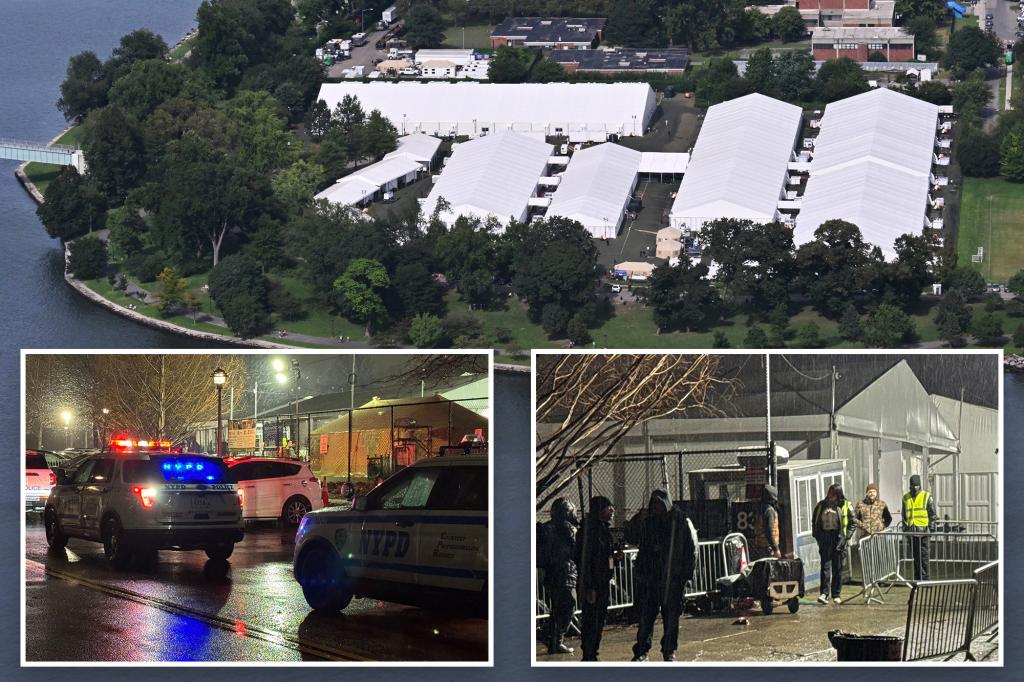
A fatal stabbing at the Randall’s Island tent city in NYC was reportedly sparked by a dispute over a woman, with law-enforcement sources revealing that the victim was attacked by four people, resulting in his death. Asylum-seekers at the shelter described a tense environment filled with armed rivals and divided "camps" based on ethnicity, leading to frequent conflicts and petty crimes. The incident occurred amidst heightened tensions, with another altercation at a migrant intake center in the East Village resulting in two arrests and injuries to police officers.
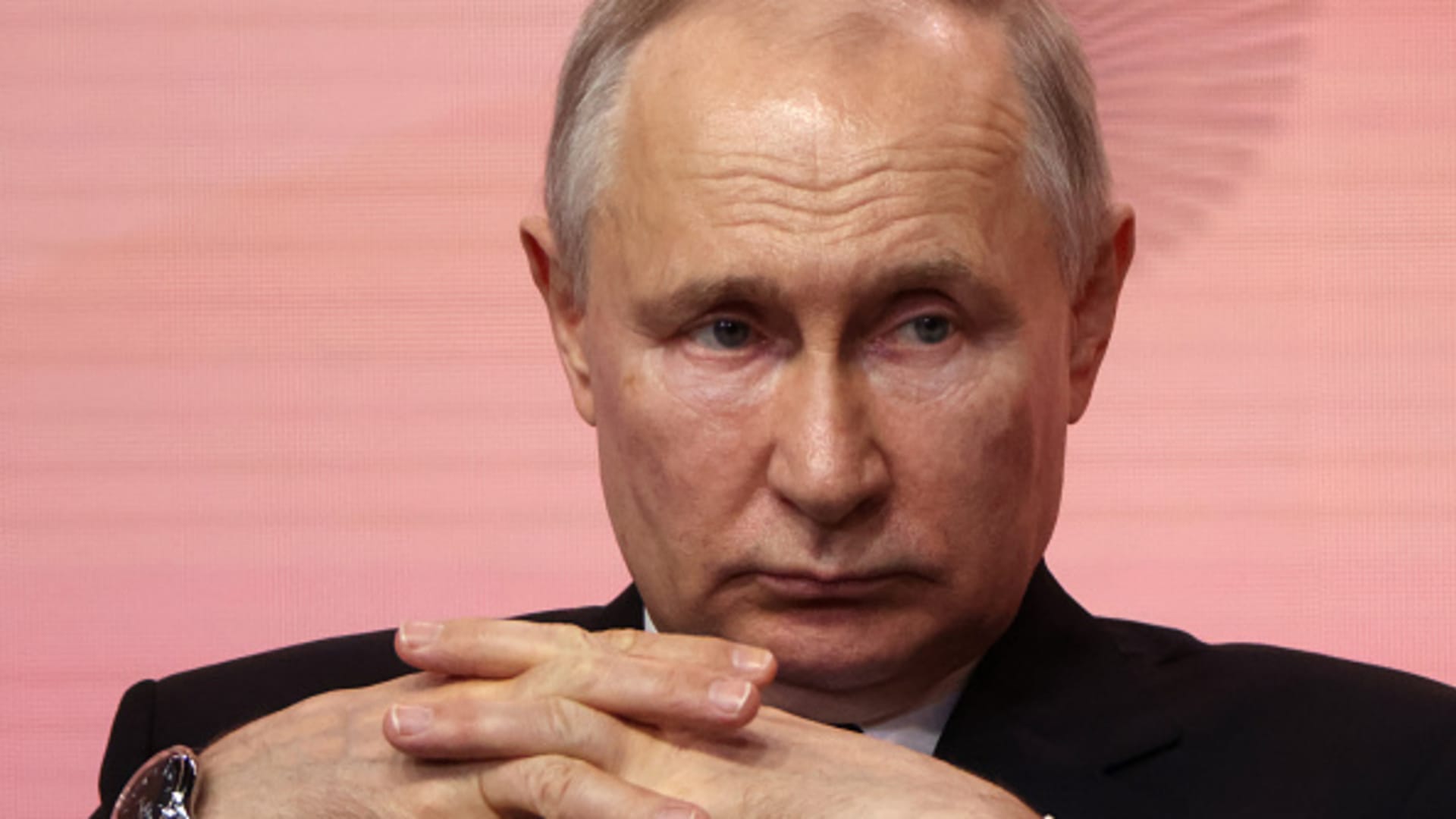
Russian President Vladimir Putin accused the West and Ukraine of orchestrating an anti-Israel riot in an airport in the Russian republic of Dagestan, claiming they stood to benefit from a divided Russia. The U.S. and Ukraine rejected the allegations, calling them "absurd." The incident has highlighted rising ethnic tensions in Russia, particularly between the Jewish and Muslim communities. Russia is under pressure to confront these tensions and navigate its alliances in the Middle East.
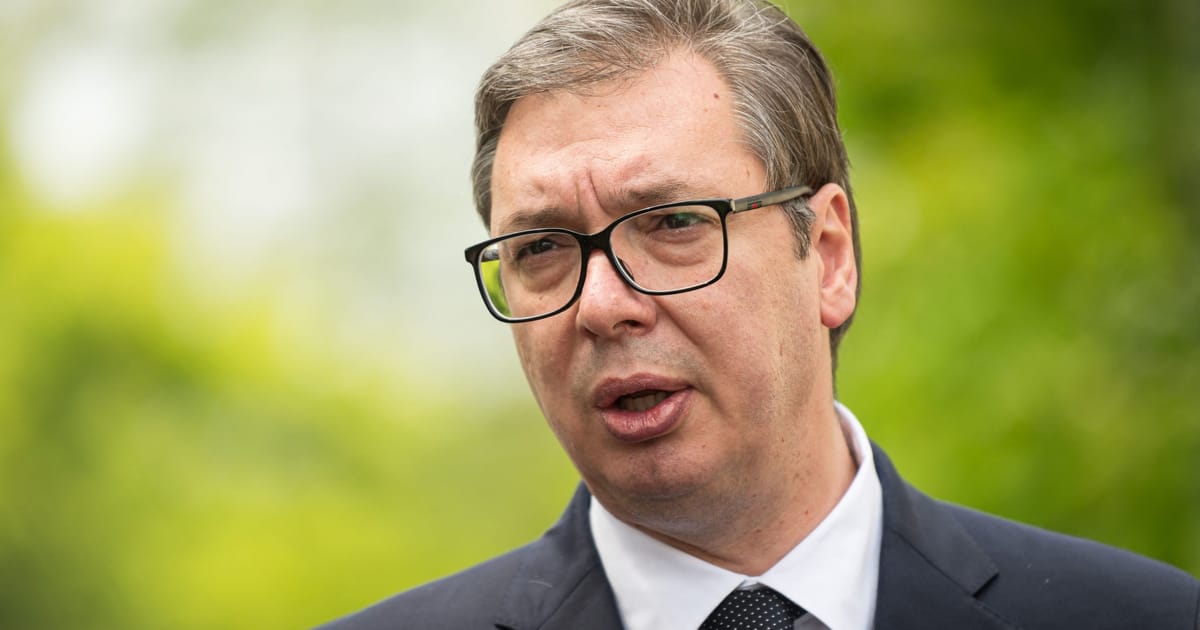
Serbian President Aleksandar Vučić met with the Russian Ambassador to discuss the aftermath of an attack at a Serbian Orthodox monastery in northern Kosovo. Kosovo accused Serbia of orchestrating the attack, while Serbia denied involvement and blamed Kosovo for ethnic cleansing. The international community condemned the attack, urging both sides to de-escalate tensions. As the search for remaining gunmen continues, Kosovan forces have blocked off the village and recovered the body of a fourth attacker and a large cache of weapons.
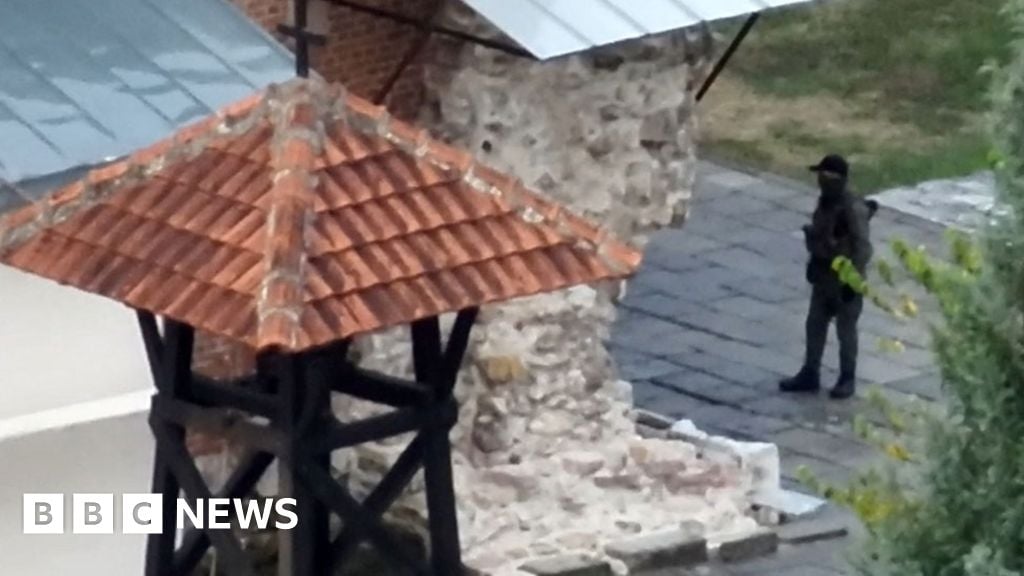
Russia is closely monitoring the tense situation in Kosovo, where ethnic Serb gunmen stormed a village and barricaded themselves in a monastery. Russia, which does not recognize Kosovo as an independent country, supports Serbia and accuses local authorities of bias against the Serbs. The situation remains potentially dangerous, with ethnic tensions between Albanians and Serbs persisting in the region.
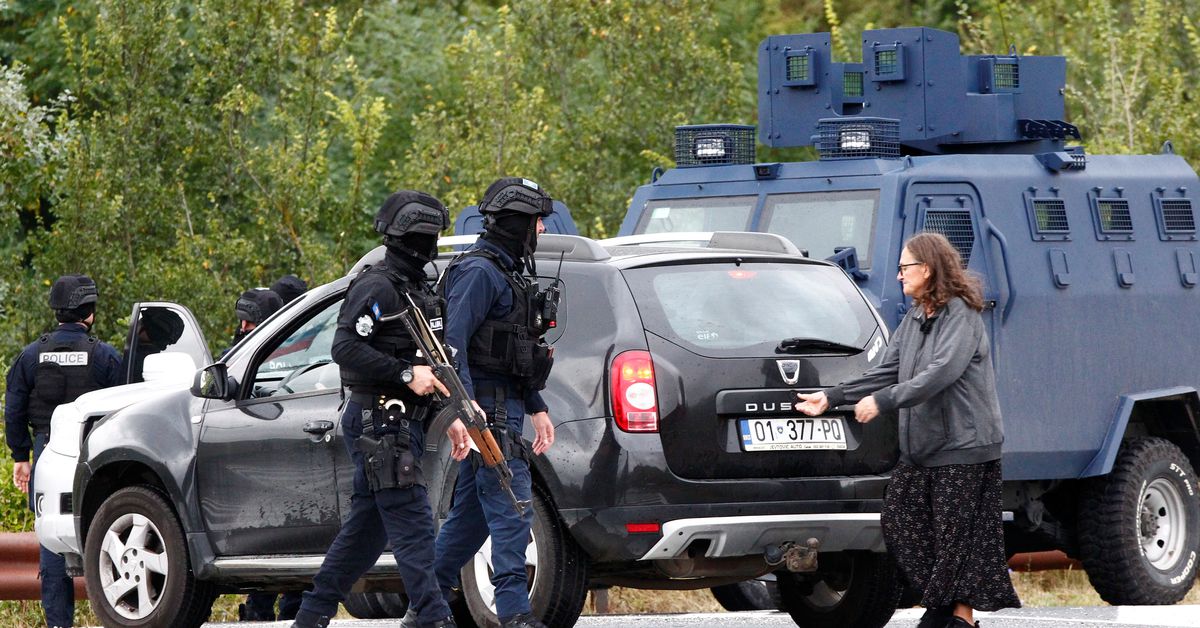
Kosovo and Serbia are engaged in a dispute over a deadly confrontation between ethnic Serb gunmen and police in northern Kosovo. One policeman and three gunmen were killed during a siege of a Serbian Orthodox monastery. Kosovo's Prime Minister accused Serbia of supporting the armed group, while the Serbian President blamed Kosovo officials for the deaths. The clash marks a significant escalation in tensions between the two sides, following months of mounting hostility. Kosovo declared independence in 2008, but Serbia and its allies China and Russia do not recognize it.
A curfew has been imposed in the city of Kirkuk, Iraq, following deadly clashes between Kurdish and Arab residents during rival protests. The protests were sparked by the handover of local security headquarters to the Kurdish party. At least one civilian was killed and eight people were injured. Kirkuk has long been disputed between the federal government in Baghdad and the autonomous Kurdish region. Prime Minister Mohamed Shia al-Sudani ordered extensive security operations and called on all parties to prevent further strife and maintain security and stability in the region.
Ethiopian authorities have conducted mass arrests of hundreds, possibly thousands, of people in the capital, Addis Ababa, following deadly unrest in the Amhara region. The arrests come after local militia fighters known as Fano seized control of major towns, which were later retaken by the military. The state-appointed Ethiopian Human Rights Commission has called on federal authorities to cease the detentions, as activists claim that ethnic Amharas are being targeted. Lawyers and witnesses have reported that suspects are being held at police stations, schools, and makeshift detention centers. The Ethiopian parliament is set to vote on granting formal approval to extraordinary measures that allow authorities to arrest suspects without a warrant, conduct searches, and impose curfews.
Serbia's President Aleksandar Vucic announced that Serbia will ignore US sanctions imposed on Bosnian Serb officials accused of undermining a 1995 peace agreement. The sanctioned officials, including a member of the Bosnian presidency and the prime minister of the Serb entity in Bosnia, will still be welcome in Serbia. The US Treasury sanctioned the officials for their alleged involvement in drafting a law that undermines the unity of Bosnia. Vucic and Bosnian Serb leader Milorad Dodik claim that the sanctions are aimed against Serbs in general, while the US Embassy in Sarajevo denies this, stating that the sanctions were imposed due to actions threatening the stability and territorial integrity of Bosnia.