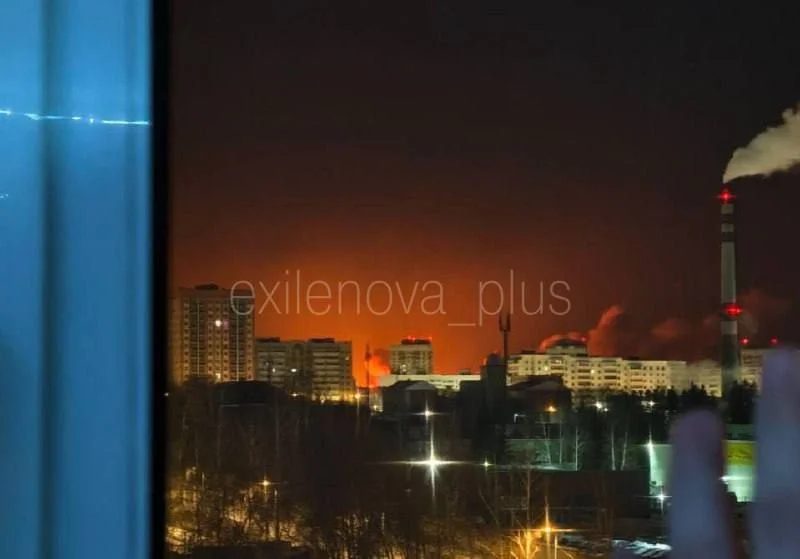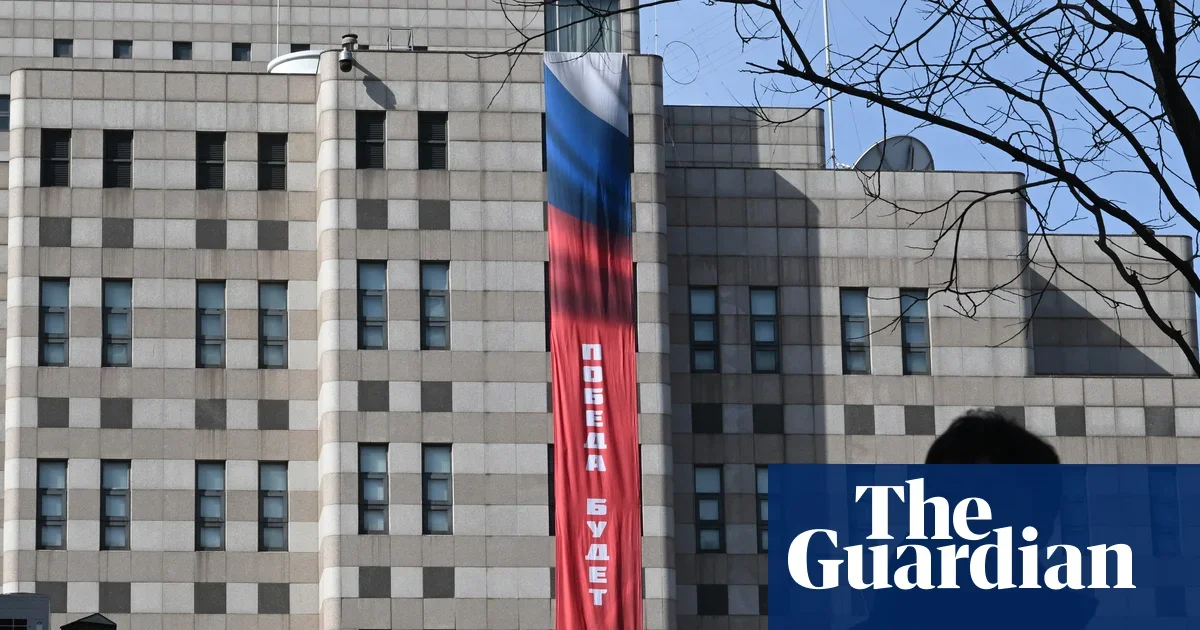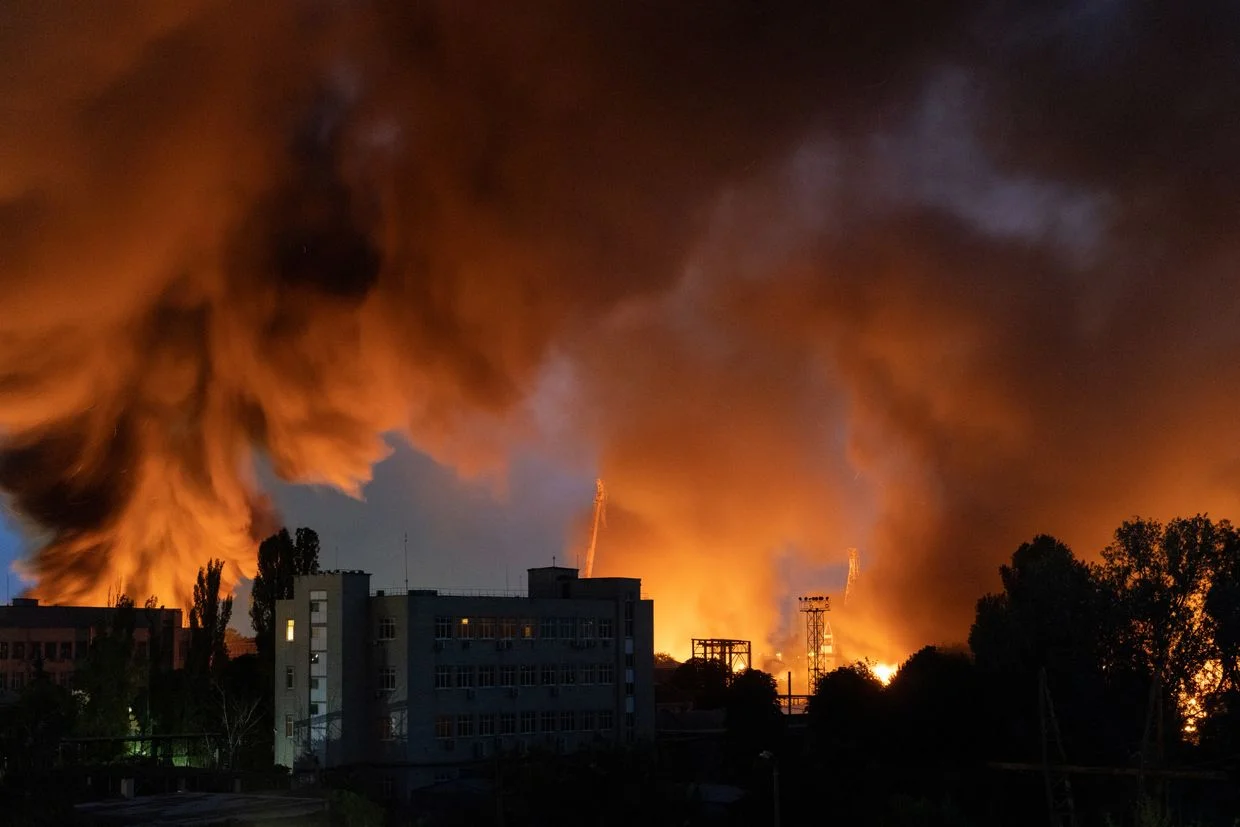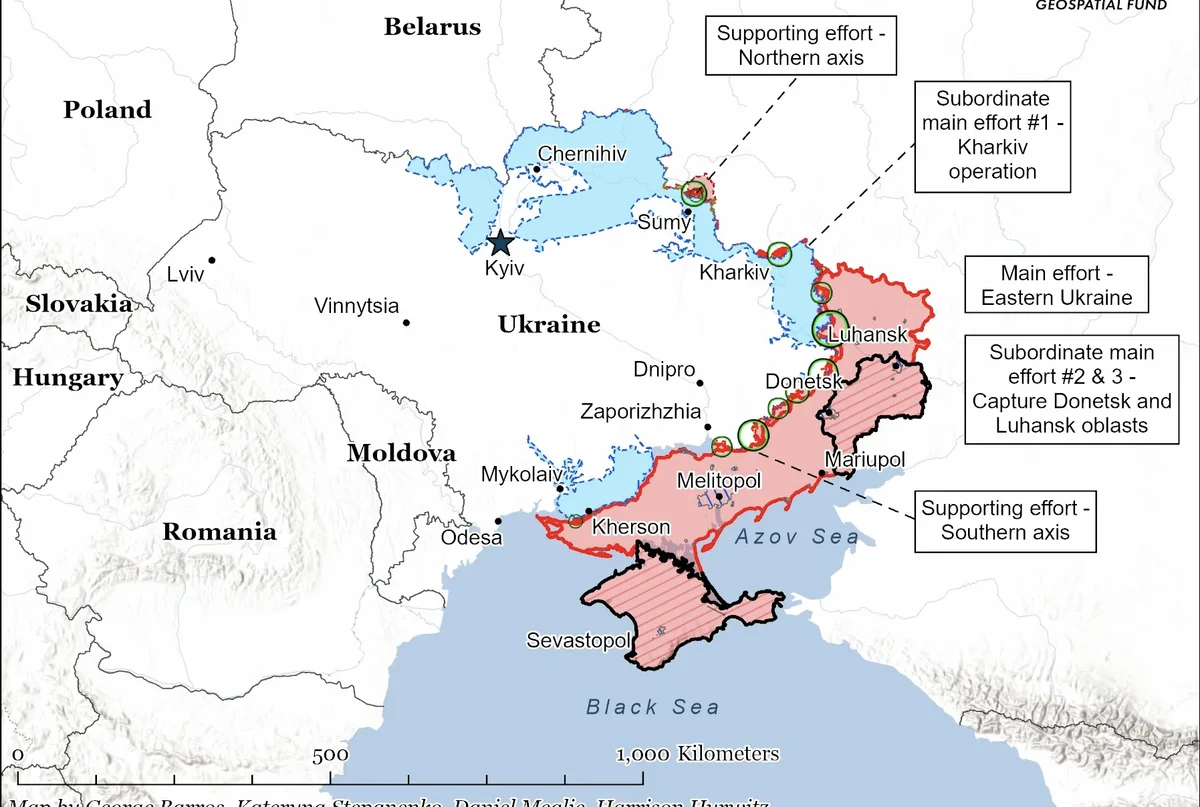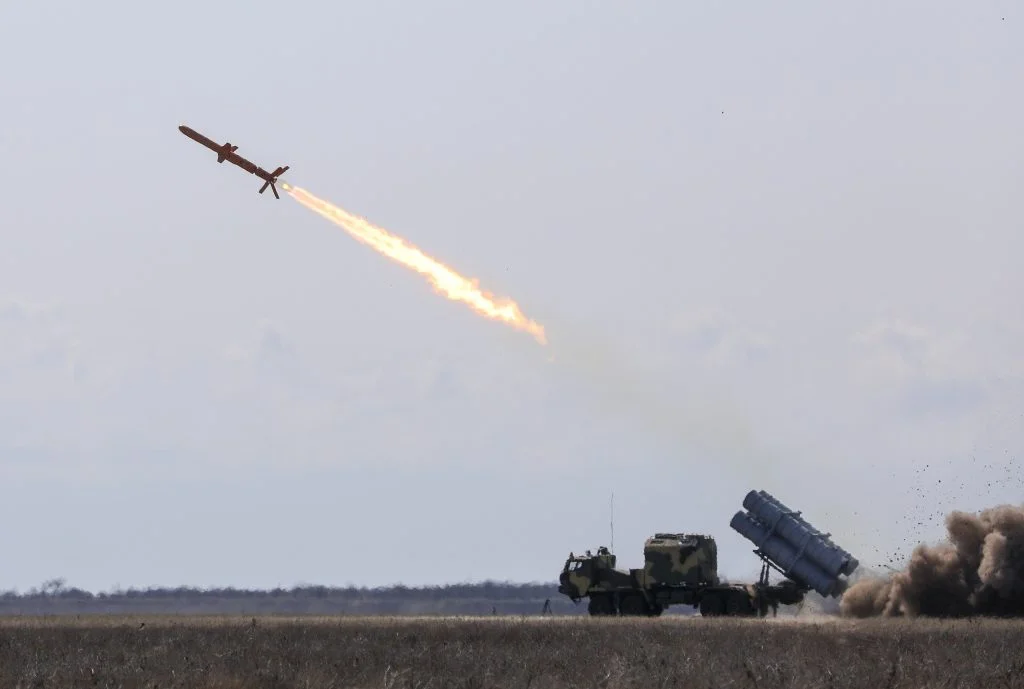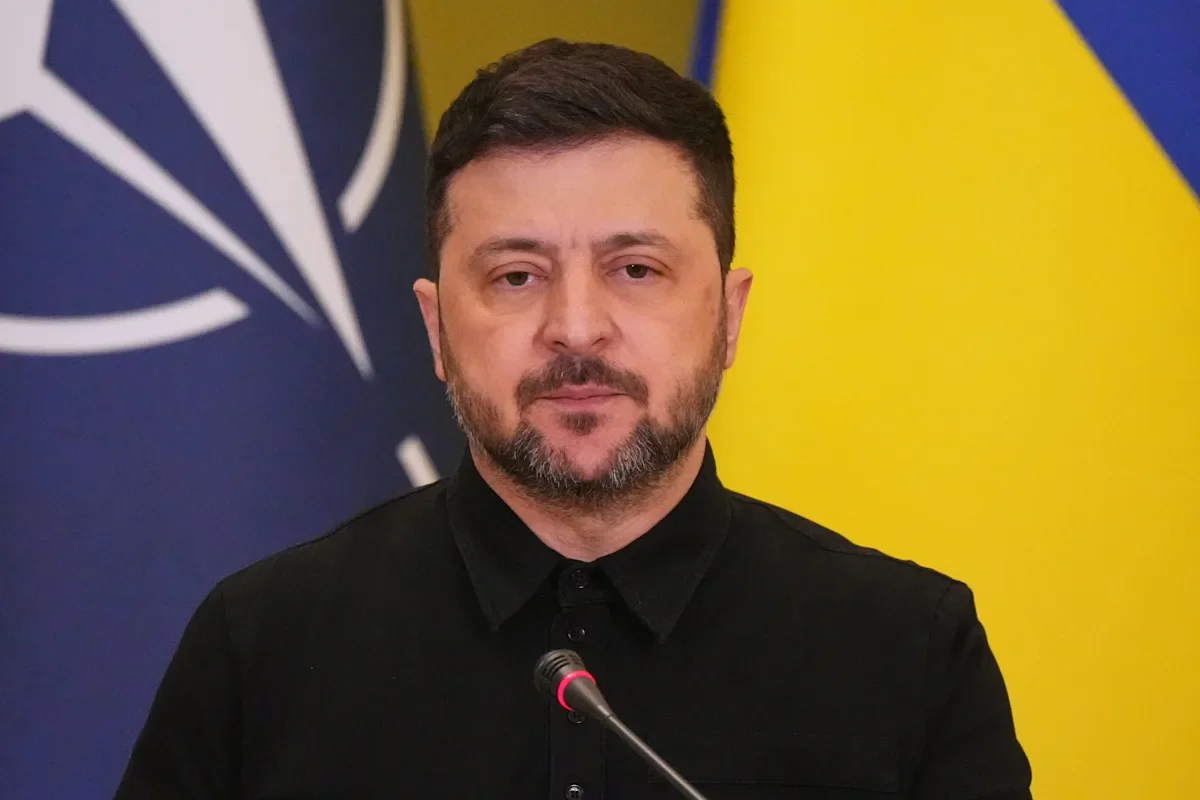
Over one million people in southeastern Ukraine are without heat and water due to Russian air strikes damaging critical infrastructure, as Ukraine faces a harsh winter and intensified attacks aimed at crippling its energy supplies. Ukrainian President Zelensky calls for Western support and warns of potential new strikes, while diplomatic efforts continue to seek an end to the conflict, which remains unresolved with ongoing territorial disputes.
Former Google CEO Eric Schmidt is launching Bolt Data & Energy to develop AI data centers in West Texas, leveraging land and energy resources from Texas Pacific Land, with plans to expand from natural gas to renewable and nuclear energy, aiming to support the growing global demand for AI compute capacity.
Ukrainians are coping with ongoing power and heating blackouts caused by Russian attacks on energy infrastructure, employing measures like portable batteries, generators, and adapting daily routines, while remaining resilient and hopeful for international support.
Ukraine's unmanned forces conducted a drone strike on the Syzran oil refinery in Russia's Samara region, targeting its primary oil processing unit, which could significantly impact diesel production for Russia and support Ukrainian efforts to weaken Russian logistics and energy infrastructure. The attack also damaged a power substation, causing outages, while Russia claimed to have shot down Ukrainian drones.
The article highlights three stocks—Starwood Property Trust, Western Midstream Partners, and Verizon—that offer high dividend yields up to 10.3%, supported by strong financial profiles, making them attractive options for boosting passive income in 2026.
Russia launched a large-scale drone and missile attack on Ukraine's energy facilities just before the winter holidays, causing casualties and widespread power outages amid ongoing conflict and negotiations.
Russia launched a large-scale attack on Ukraine with over 650 drones and 38 missiles, causing at least three deaths, widespread power outages, and damage to infrastructure across 13 regions, amid ongoing tensions and peace negotiations.
Russia launched a missile attack on Kyiv and Ukraine's energy infrastructure following Miami peace talks, causing power outages and prompting Poland to deploy jets to defend its airspace amid ongoing tensions in the Ukraine conflict.
Alphabet is acquiring data center and energy infrastructure firm Intersect Power for $4.75 billion to expand its renewable energy projects and support its growing data center needs, with the deal expected to close in the first half of next year.
Alphabet is acquiring Intersect Power for nearly $5 billion to expand its data center energy capacity and support its AI development efforts, focusing on renewable energy sources and infrastructure to ensure reliable and affordable power for its operations.
Alphabet is acquiring data center and energy infrastructure company Intersect for $4.75 billion to expand capacity and enhance energy solutions, with the operations remaining independent, and the deal expected to close in the first half of 2026.
Ukrainian forces conducted a series of strikes on Russian territory, targeting an oil terminal, pipelines, ships, and military assets, as part of an effort to disrupt Russia's war capabilities and undermine its negotiating position, while Russia continued targeting Ukraine's energy infrastructure amidst ongoing conflict.
China is aggressively advancing its AI industry through massive investments in energy infrastructure, a national project to develop cutting-edge semiconductors, and the deployment of advanced AI products, positioning itself to potentially surpass the US in AI technology, despite challenges in US data center development and energy supply.
Russian missile and drone attacks have left hundreds of thousands of Ukrainians without power, as Zelenskyy reports ongoing efforts to restore services amid continued hostilities and diplomatic negotiations for peace.
The report warns that a downturn in the tech sector, particularly affecting AI and data center investments, could lead to a market correction that strains energy infrastructure and financing structures. It highlights risks such as cash flow uncertainty, GPU collateral value fluctuations, tenant churn, and complex interlinked liabilities, advising policymakers to prepare strategies for managing potential sector downturns and repurposing distressed assets.