Tag

Honeybees

All articles tagged with #honeybees

science3 months ago

Superfood Boosts Honeybee Conservation and Global Health

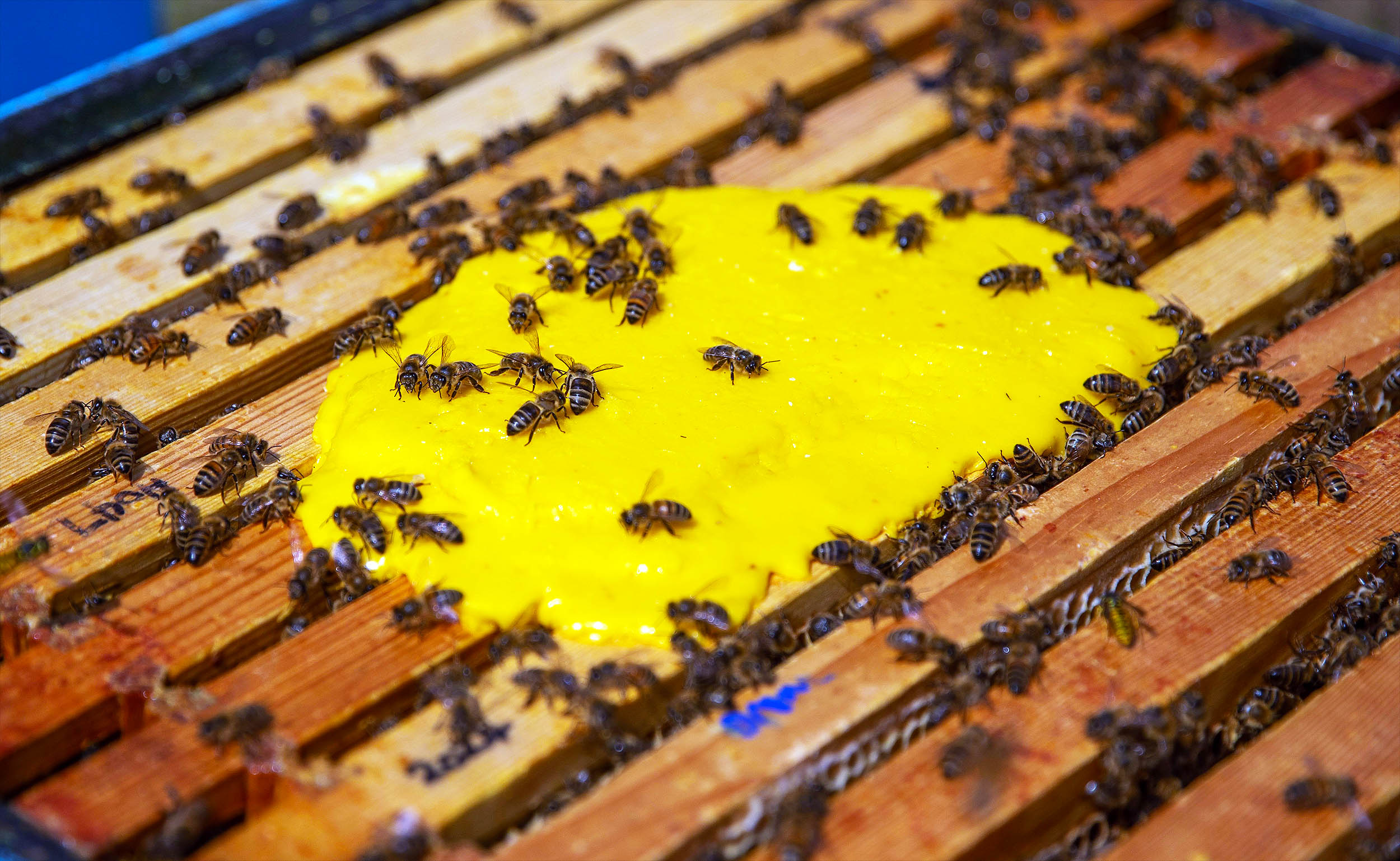
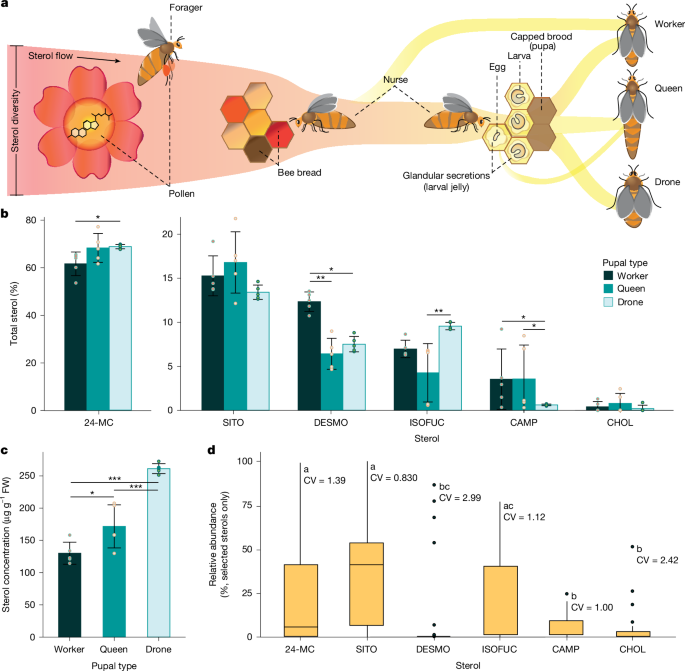
A new study highlights the importance of specific sterols in honeybee diets, particularly 24-methylenecholesterol, which is crucial for brood development. Researchers used genetic engineering to produce these sterols in yeast, creating a potential supplement to support bee colonies during pollen shortages, thereby improving colony resilience and sustainability.

environment1 year ago

Minnesota Honeybee Decline Linked to Mites and Warm Fall

Minnesota beekeepers are experiencing sudden disappearances of honeybee colonies, likely due to varroa mite infestations exacerbated by an unusually warm fall. The mites, which spread viruses among bees, have been a persistent issue, and the extended egg-laying season has allowed them to proliferate. This situation differs from "colony collapse disorder," as the entire hive, including the queen, vanishes. Despite these challenges, beekeepers like Kirk Nelson remain committed to their operations, planning to start new hives in the spring.

science1 year ago

"Study Confirms: Tapping Hive Reveals Honeybee Colony Health"

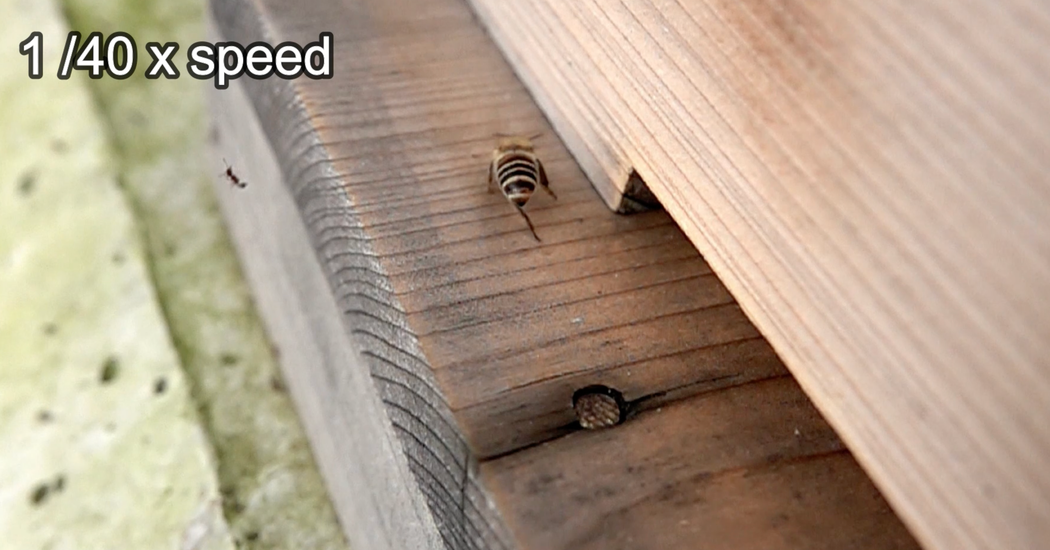
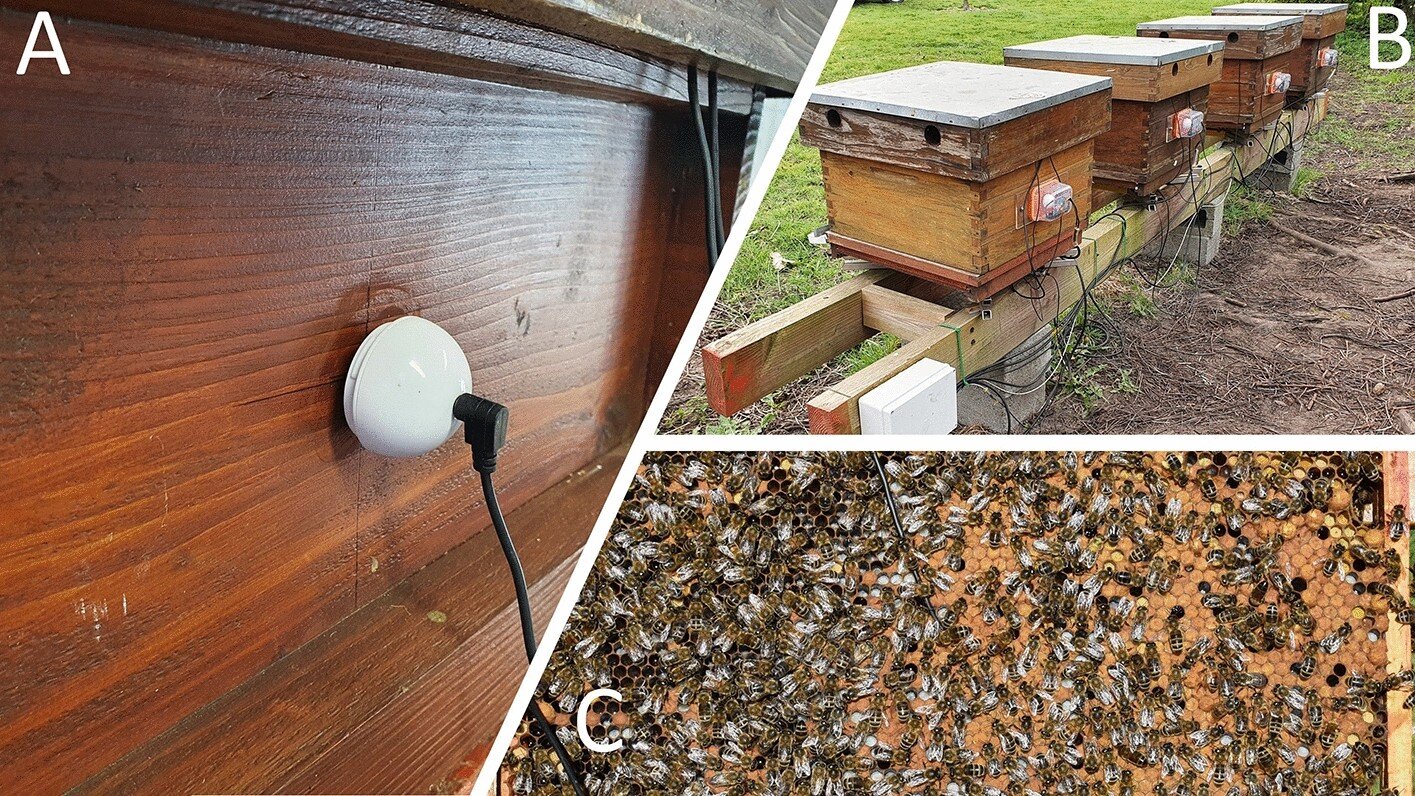
A study by scientists at Nottingham Trent University has confirmed that monitoring the reaction of honeybee colonies to a gentle vibrational pulse can reveal their health and activity levels without the need for invasive inspections. By using an accelerometer embedded within hives, the researchers found that bees' responses to the pulse varied throughout the year, indicating their level of activity and restfulness. This non-invasive method could provide valuable insights for beekeepers and potentially lead to the development of a device for real-time monitoring of honeybee colonies.

science-and-environment2 years ago

Unveiling the Truth: Do Honeybees Really Insulate Their Colonies Against Cold?

A study at the University of Leeds challenges the traditional theory that honeybees naturally insulate their colonies against the cold. The research suggests that clustering, where bees huddle together, may actually cause thermal stress and increase heat loss. The study calls for a revision of beekeeping practices to improve bee welfare and raises awareness about the complex interaction between colony enclosure, thermofluids, and honeybee behavior. The findings indicate that clustering is a survival behavior in response to an existential threat, resulting in increased stress and potential harm to the bees. The researcher urges further debate on the ethical treatment of insects and the need for changes in beekeeping practices.

biology2 years ago

Cracking the Centennial Enigma: Unveiling the Molecular Dice that Determine Bee Sex

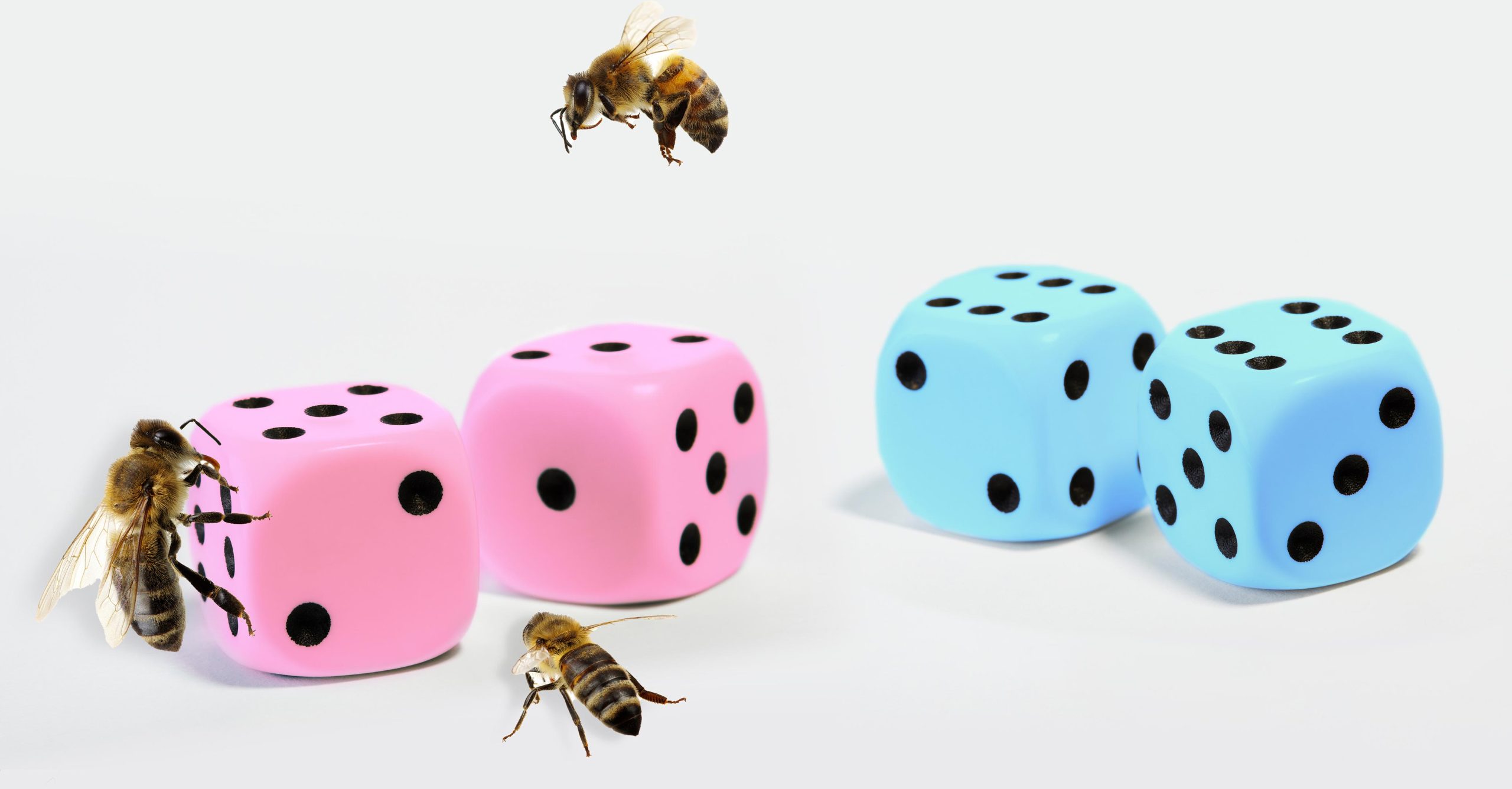
Researchers from Heinrich Heine University Düsseldorf have identified a key gene, known as Csd (Complementary sex determiner), and the molecular mechanism associated with it, solving a genetic mystery that has persisted for over a century. The Csd gene, which can have over 100 variations, plays a crucial role in determining the sex of bees. When two different variants of the Csd gene are present, a female bee develops, while the presence of the same variants results in a male bee. The study sheds light on the intricate process of bee sex determination and may contribute to advancements in bee breeding.

environment2 years ago

Beekeepers Work to Stabilize Honeybee Population Amid High Death Rates

Beekeepers in the US lost nearly half of their managed honeybee colonies in the year ending April 1, according to an annual survey by the University of Maryland and Auburn University. The 48% loss rate was the second highest on record, but the number of colonies remained relatively stable due to beekeepers using costly and time-consuming measures to create new colonies. Honeybees are crucial to the food supply, pollinating more than 100 crops, but parasites, pesticides, starvation and climate change are causing large die-offs.

health2 years ago

Bee attacks injure two in Los Angeles neighborhood.

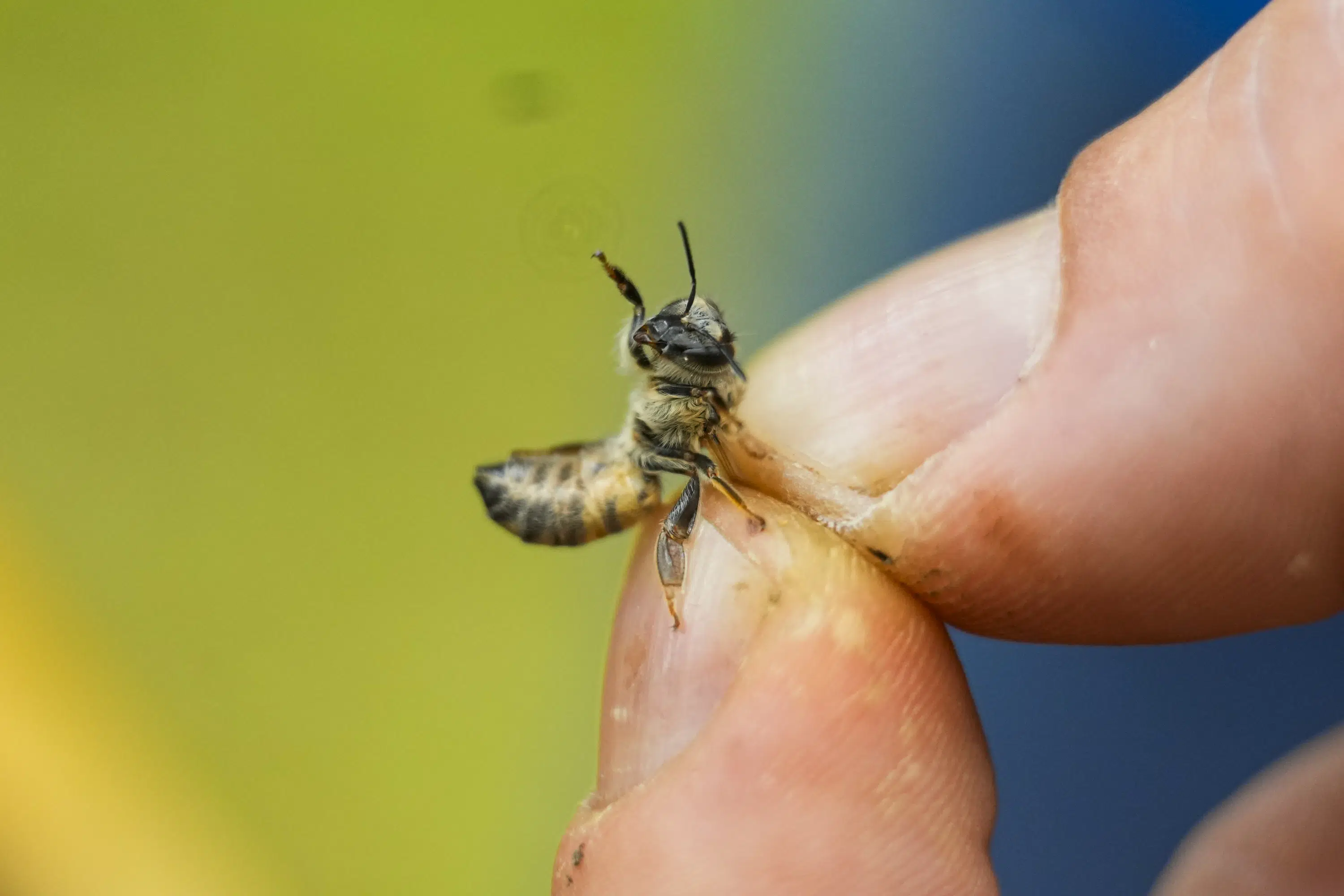
At least two people, including a police volunteer, were hospitalized after being attacked by a group of aggressive bees in Los Angeles. Experts suggest that the attack could have started when someone disturbed a hive of feral bees. Bees sting to defend themselves or their colony, and their stinger releases an alarm pheromone that attracts other bees nearby. To avoid being attacked by bees, experts advise running away as fast as possible, not covering your face, and not playing dead.