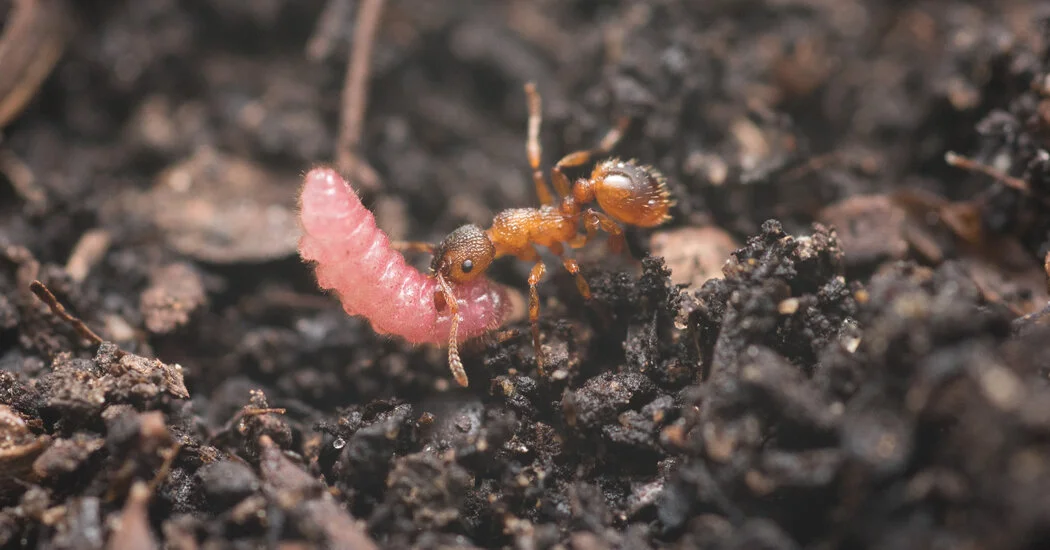
Lycaenidae caterpillars have evolved to manipulate ants through rhythmic acoustic and chemical signals, enabling ants to raise them in their colonies until they metamorphose into butterflies, a striking example of interspecies deception and mutualism.
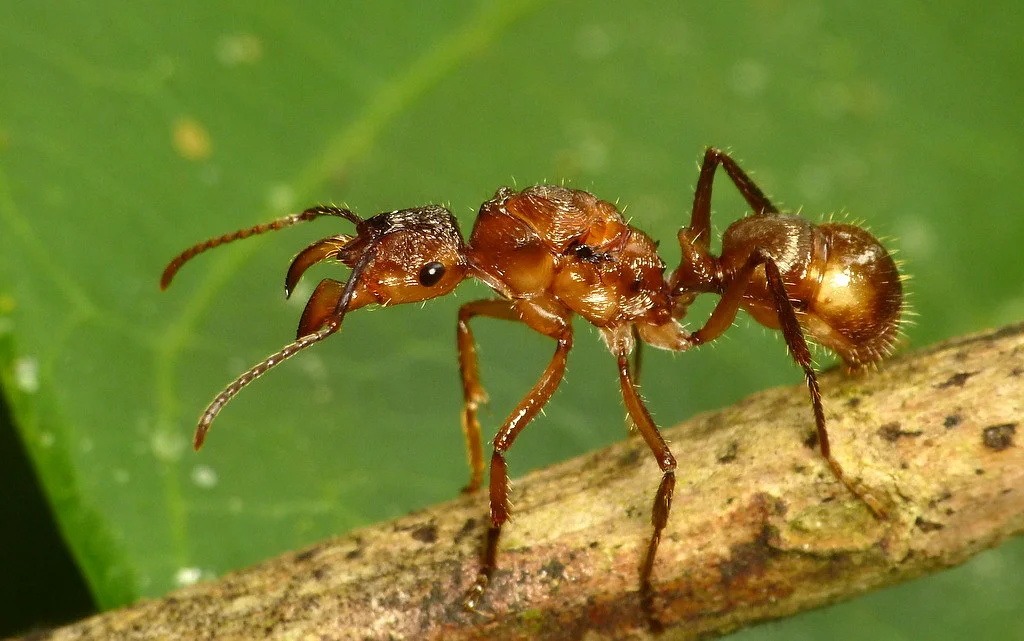
Scientists documented a Japanese plant, Vincetoxicum nakaianum, that mimics the smell of injured ants to attract flies that inadvertently pollinate it, revealing a sophisticated form of floral deception based on scent rather than visual cues.
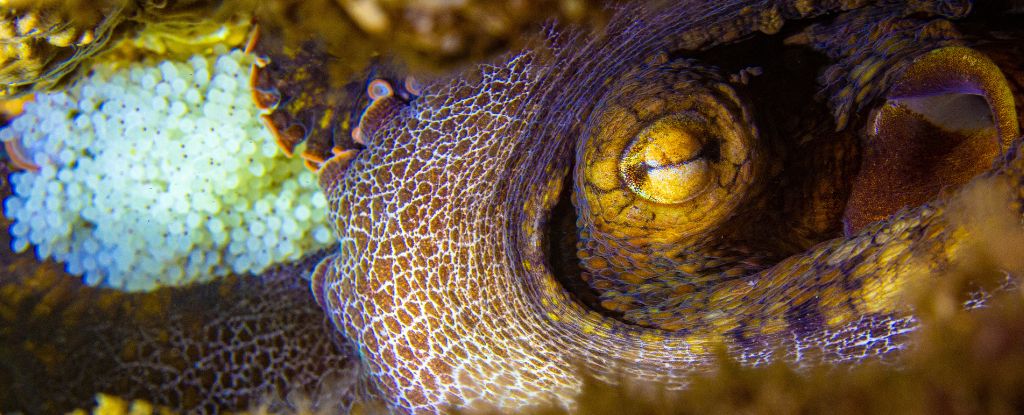
A study reveals that octopuses can taste chemical cues from microbes on surfaces like prey and eggs, which helps them decide what to hunt or nurture, highlighting the role of microbiomes in animal behavior.
Cornell scientists have discovered that goldenrod plants exhibit a form of intelligence by sensing nearby plants through far-red light ratios and adapting their responses to herbivores. This adaptive behavior, including emitting chemicals to signal neighboring plants to produce defenses, challenges traditional notions of intelligence and suggests that plants can process environmental information and respond flexibly.
Scientists have captured rare footage of a three-way between some tardigrades, involving two males who were seemingly drawn to a female as she defecated. The males both stuck at it for about 30 minutes before one moved on. The remaining male continued mating with the female for a further hour. Tardigrades have rich and varied sex lives, with some marine species being bisexual and exhibiting far more complex copulation behaviors than researchers expected. Investigations have even allowed us to visualize the cloaca, revealing it’s covered by a triangular pouch with one opening.