Scientists documented a Japanese plant, Vincetoxicum nakaianum, that mimics the smell of injured ants to attract flies that inadvertently pollinate it, revealing a sophisticated form of floral deception based on scent rather than visual cues.
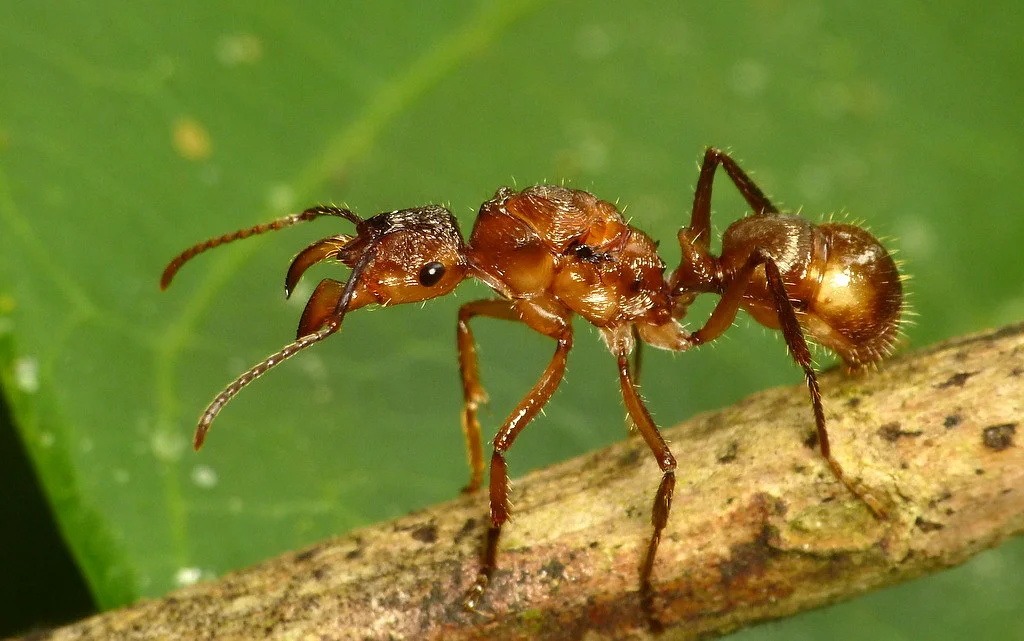
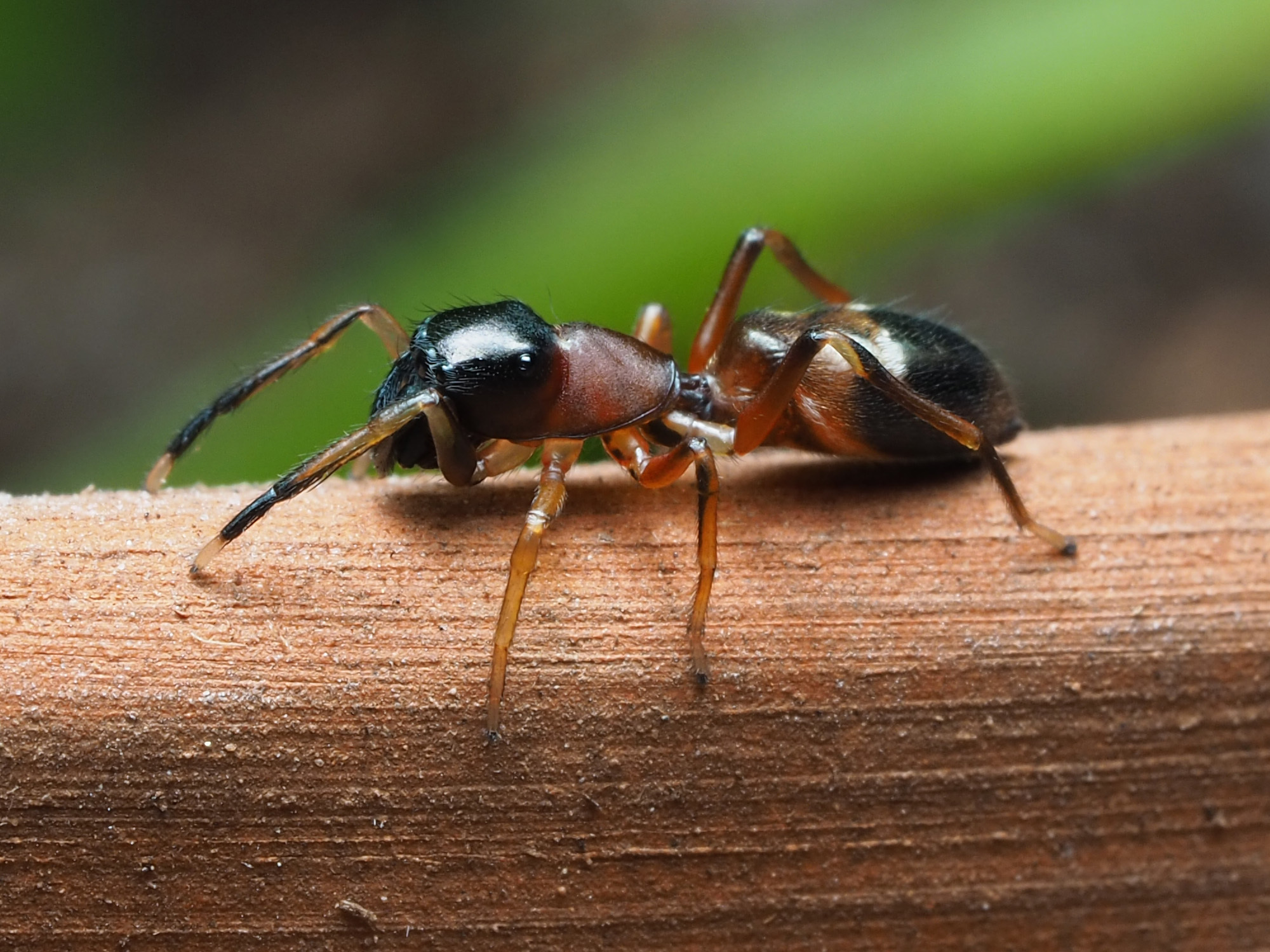
Evolution has led many arthropods to mimic ants, with over 2,000 species resembling the small, stoic marchers for survival benefits. While some mimics closely resemble ants, others are poor lookalikes, prompting scientists to explore the reasons behind imperfect impersonation. A study comparing ant-mimicking insects and spiders found that both groups exhibited a range of accuracy, challenging the theory of evolutionary constraints. The research sheds light on the complexity of mimicry and the different perspectives of predators, suggesting that what may seem like imperfect mimicry to humans could be effective in deceiving potential predators.
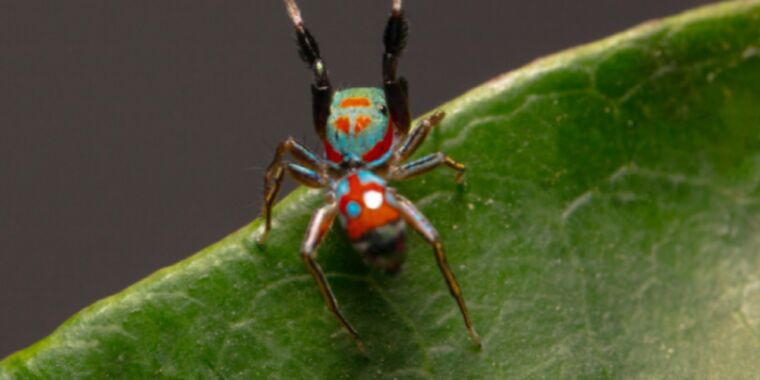
Researchers have discovered that the colorful jumping spider Siler collingwoodi mimics the walk of ants to evade predators. The spider's "stop-and-go" walking pattern is similar to that of ants, which involves extending its first pair of legs up and forward, essentially mimicking an ant's antenna. The spider also bobbed its abdomen, which is similar to the smaller ant species that were roughly the same size as the spider. The spider relies on a combination of imperfect ant mimicry and coloration camouflage to ward off predators.