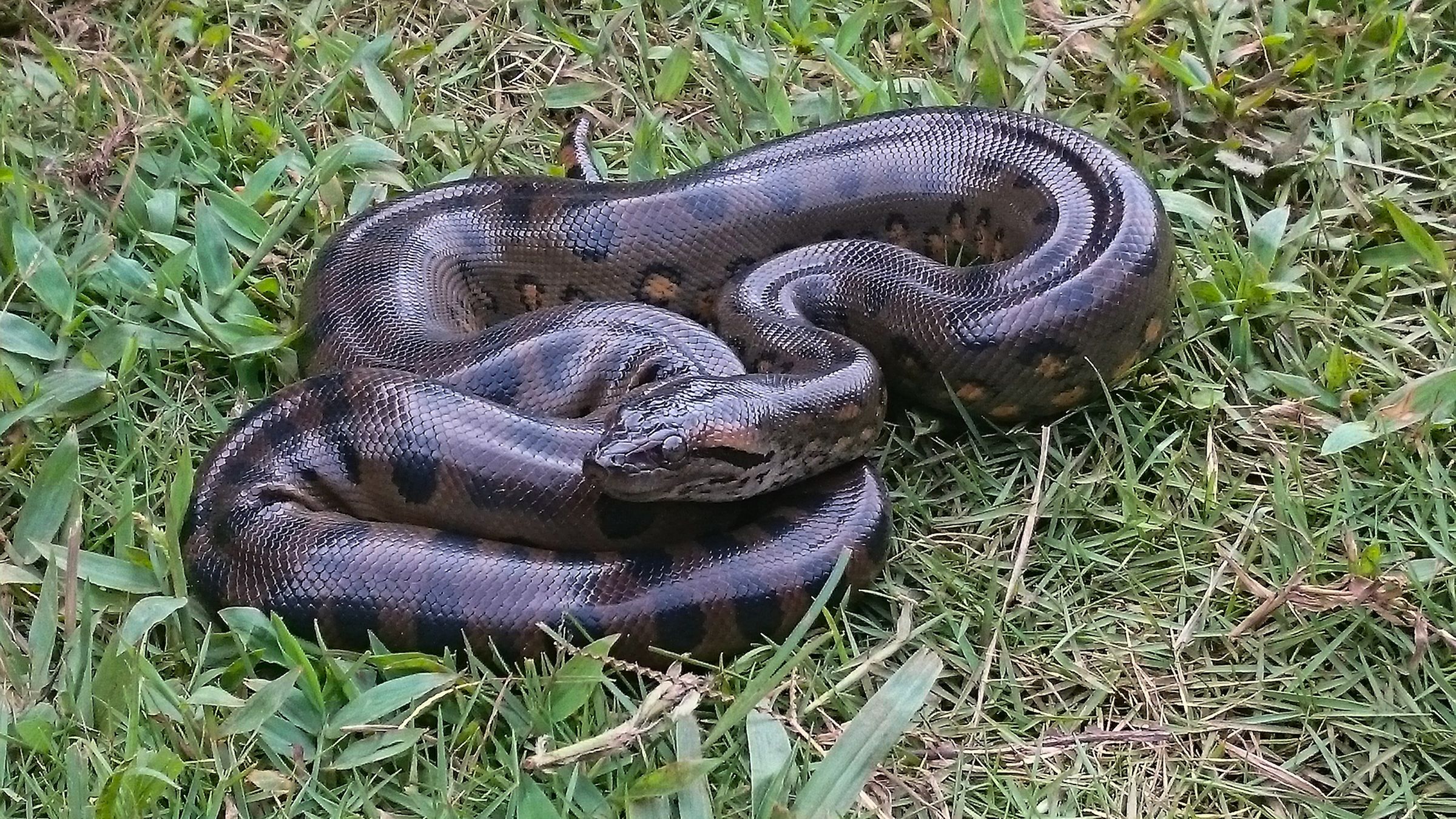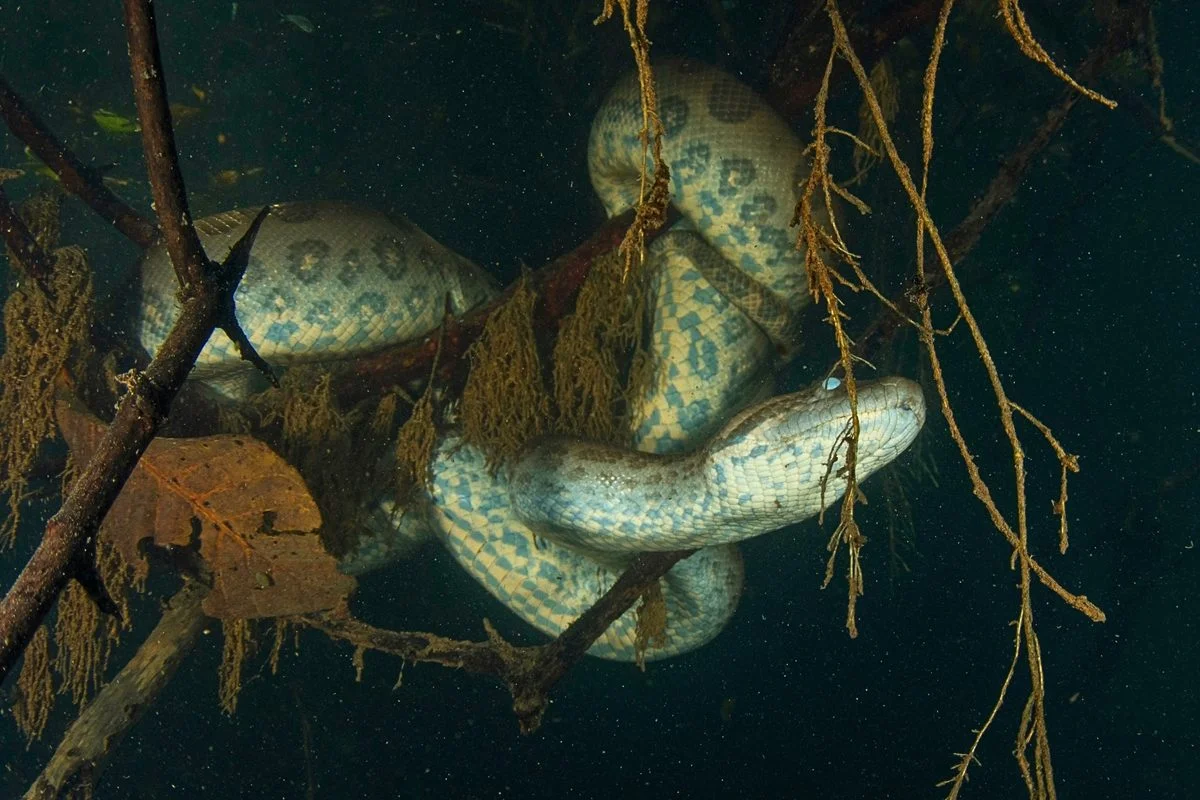
A study reveals that anacondas have maintained an average length of 13-16 feet for the past 12 million years, indicating their size has remained remarkably constant since the Miocene epoch, despite environmental changes and other species going extinct.
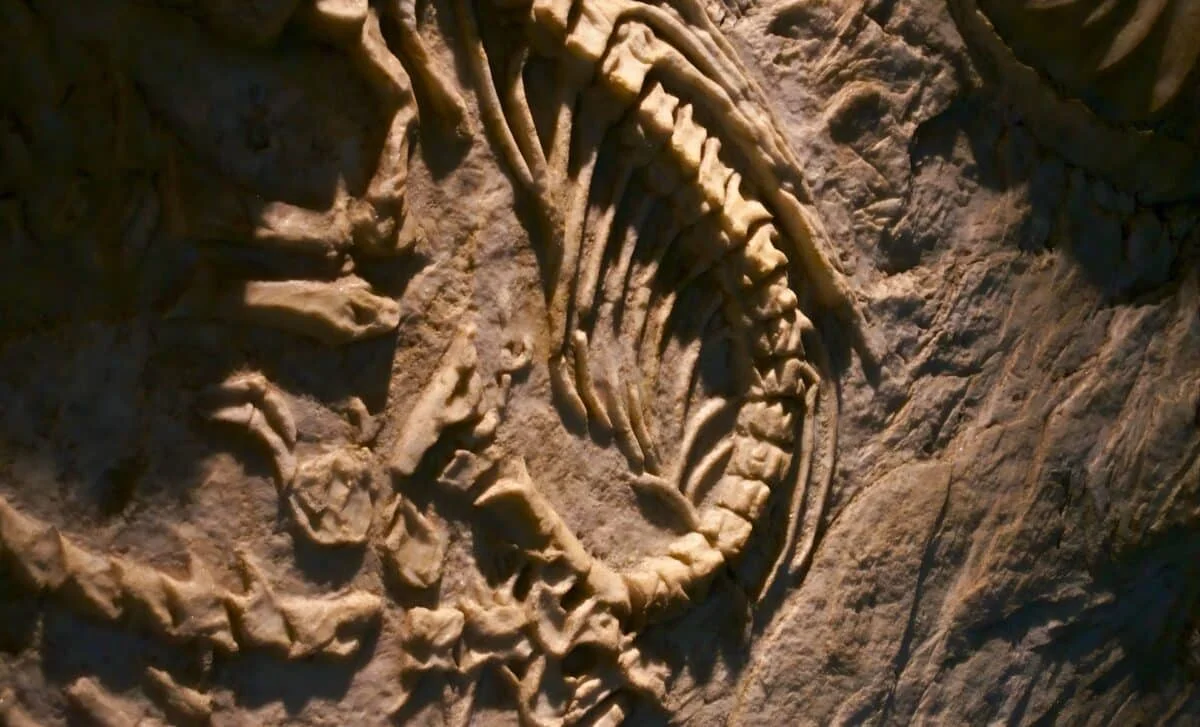
Scientists discovered fossils of giant anacondas in Venezuela, revealing they reached about 5.2 meters in length around 12.4 million years ago, and surprisingly, their size has remained unchanged since then, despite climate changes and other reptiles evolving differently. The findings shed light on the evolution and persistence of these massive snakes in South America.
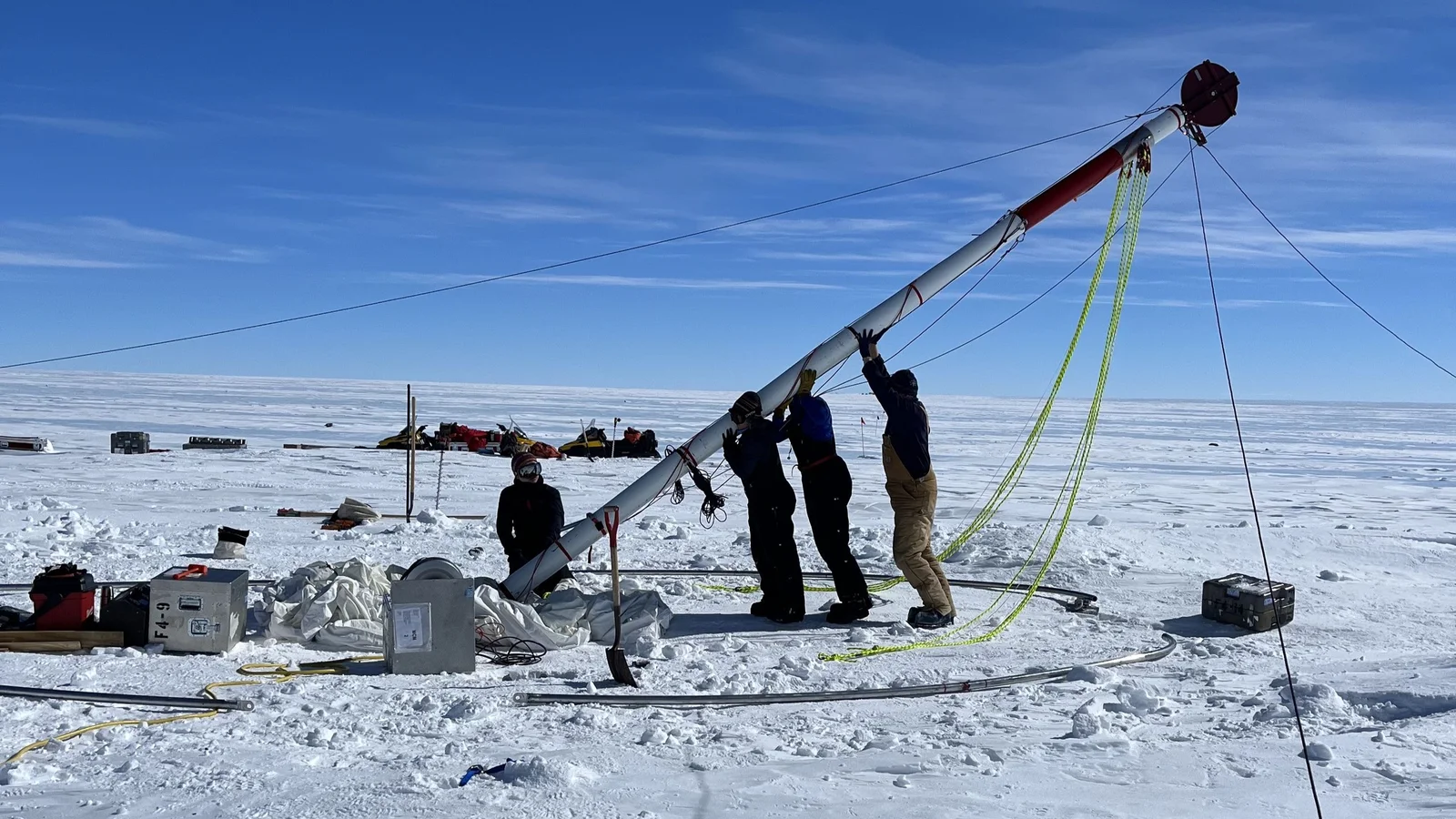
Scientists have discovered the oldest directly dated ice in Antarctica, dating back 6 million years to the Miocene era, providing valuable insights into Earth's ancient climate and atmospheric conditions, which can help understand natural climate drivers and the impact of human-induced warming.
Scientists discovered ancient geological deposits in Greenland's caves indicating the Arctic was once much warmer and wetter, with climate shifts occurring rapidly in response to CO₂ levels, serving as a warning for current climate change impacts.
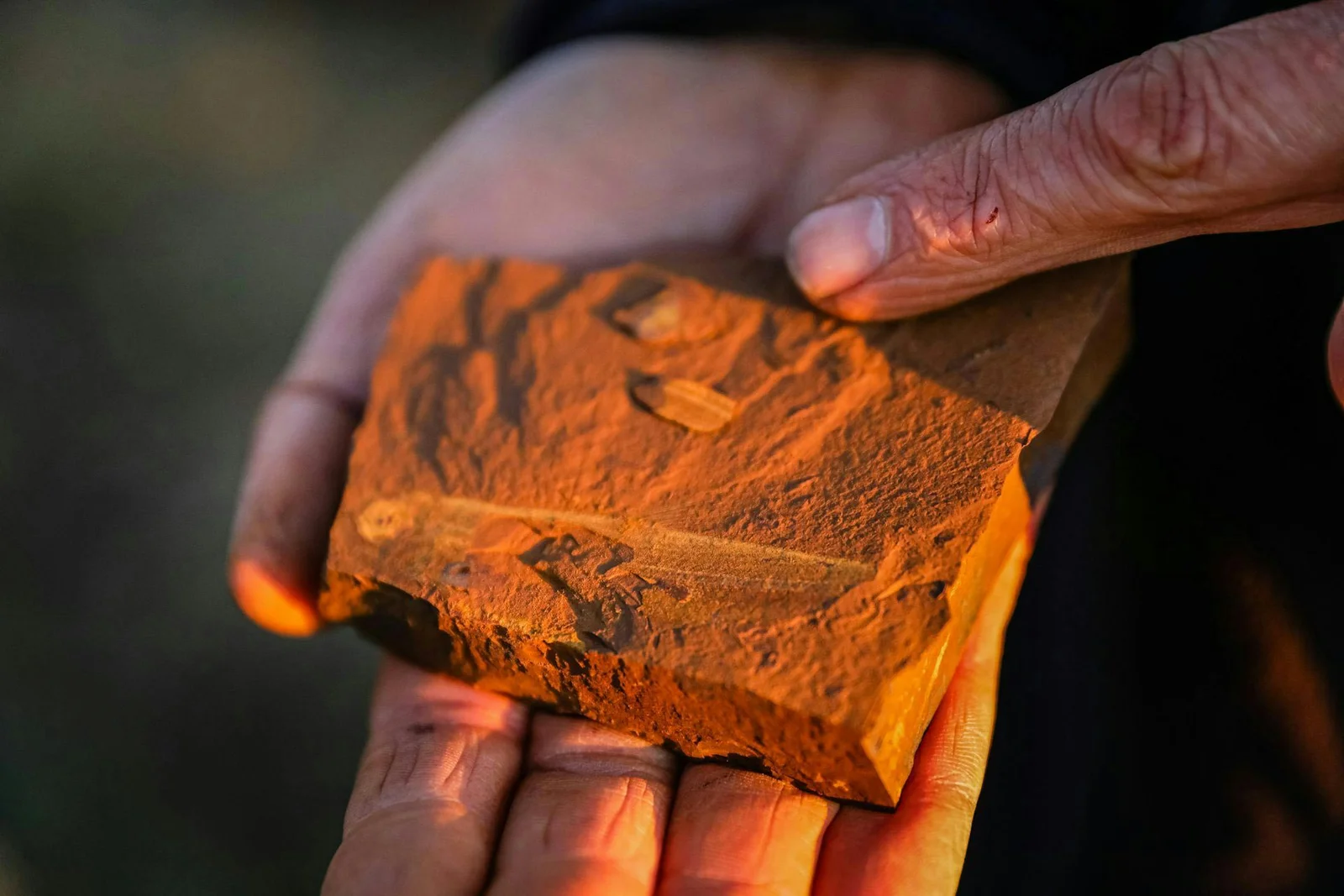
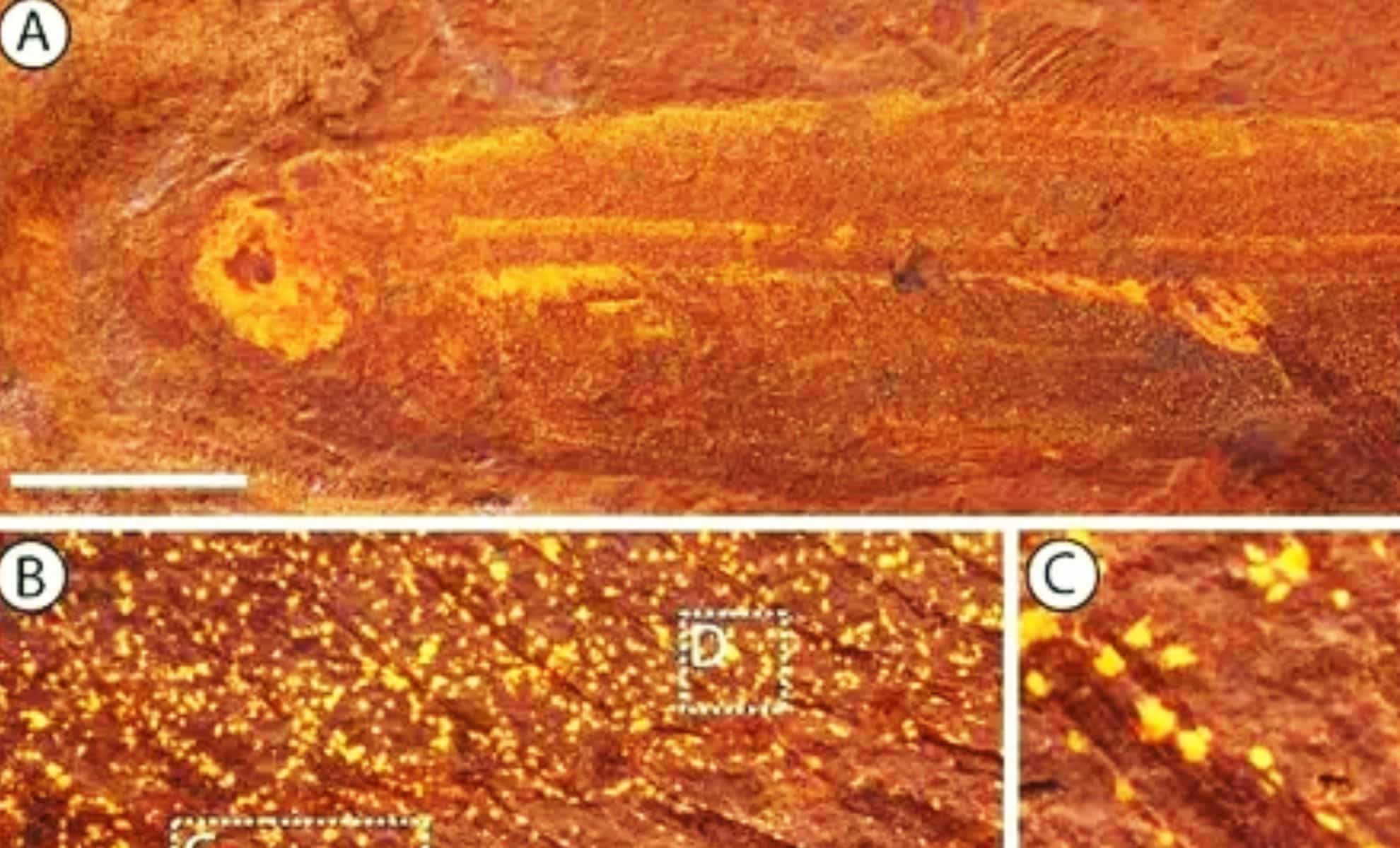
A 15-million-year-old fish fossil with its last meal still intact was discovered in Australia, providing unprecedented insights into ancient ecosystems, fish behavior, and the role of iron in fossil preservation.
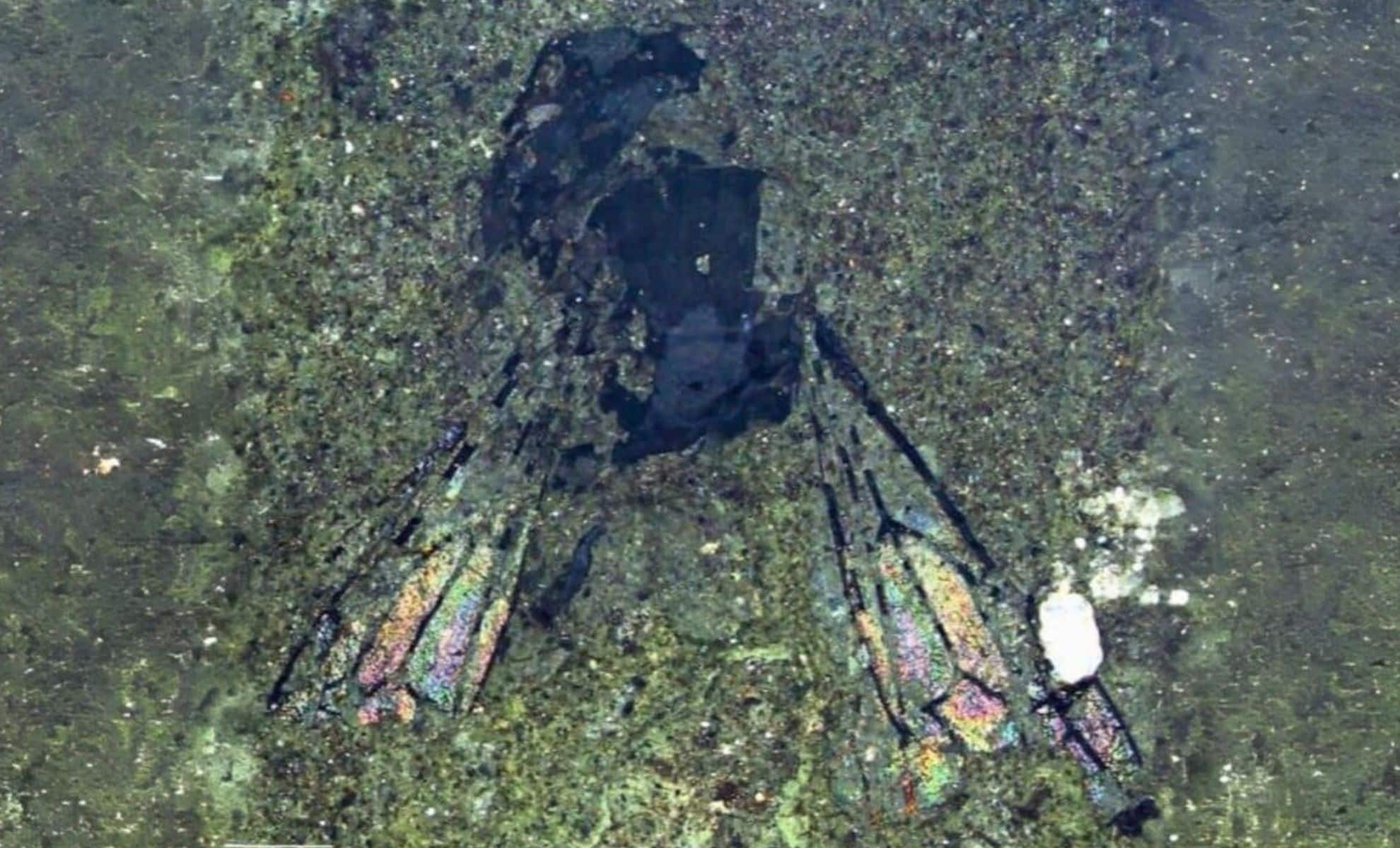
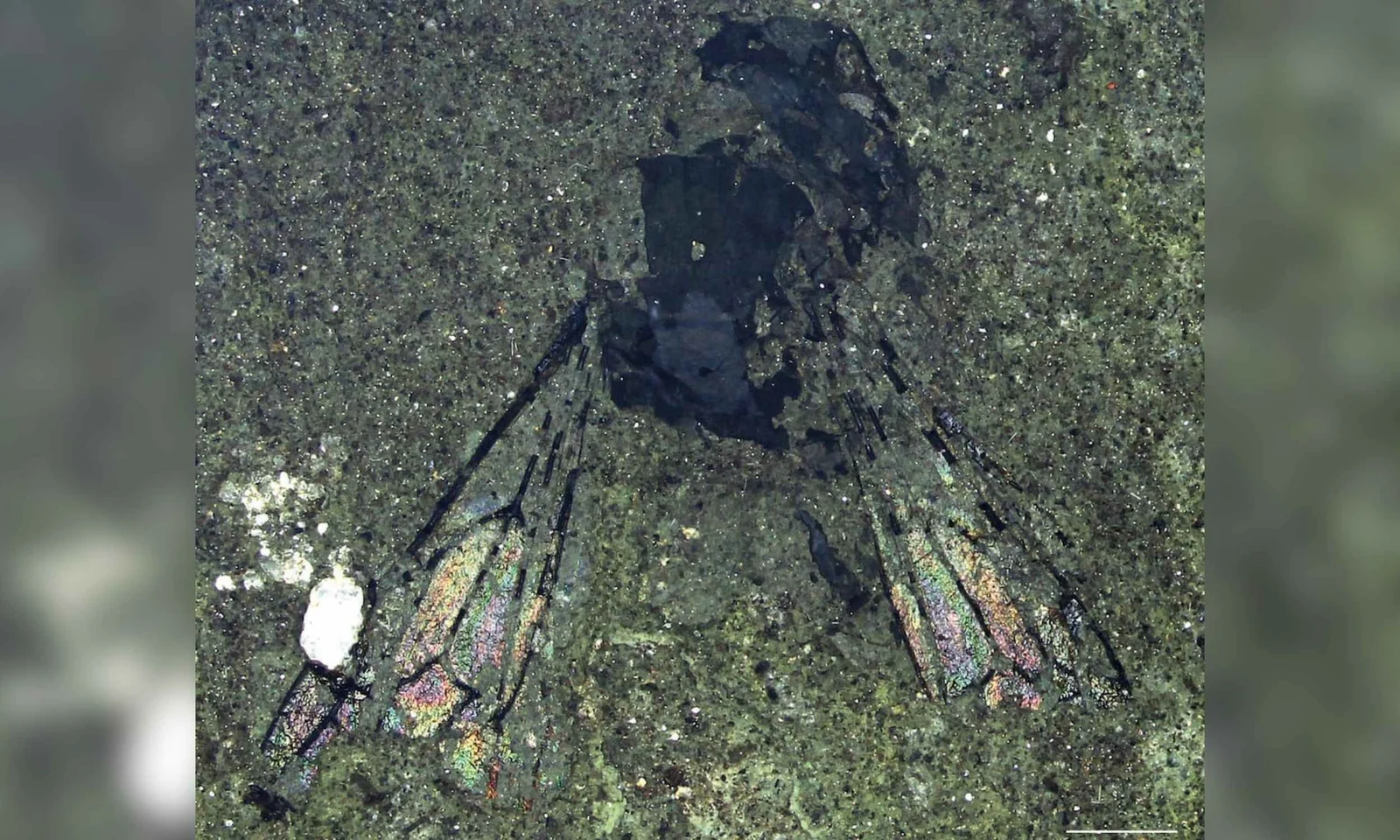
Scientists discovered a 14.6-million-year-old bee fossil in New Zealand, providing rare insight into the region's ancient pollinators and raising questions about the evolutionary history and diversification of bees in Zealandia.
Scientists discovered a 14.6-million-year-old bee fossil in New Zealand that challenges existing theories about bee migration and evolution, suggesting earlier and possibly multiple arrivals of bees to the region, and providing new insights into ancient pollination and landmass changes.
Researchers in New Zealand have discovered exceptionally well-preserved fossilized whiteflies from the Miocene period in a lake near Dunedin. These tiny insects, found attached to a fossilized leaf, offer a rare glimpse into the ancient biodiversity of the South Pacific. The discovery is significant as it represents the first of its kind in New Zealand and only the third globally, highlighting the importance of insects in understanding ancient ecosystems.
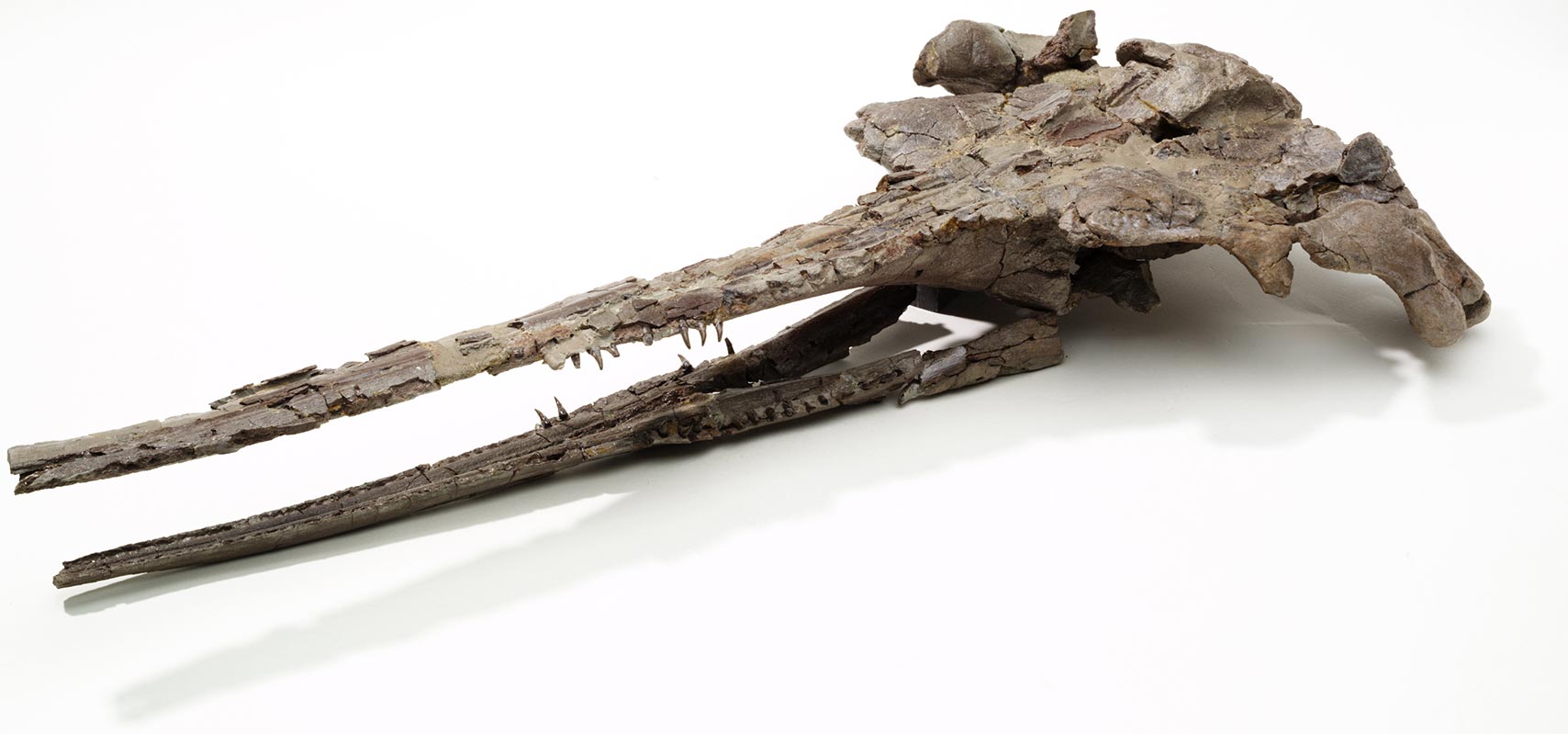
Researchers have discovered a new prehistoric dolphin species, Romaleodelphis pollerspoecki, from 22 million years ago in present-day Austria. This species, identified from a fossil skull, shows early evidence of echolocation abilities similar to modern dolphins. The discovery provides insights into the evolution of toothed whales and their auditory capabilities. The study, published in the Journal of Vertebrate Paleontology, highlights the dolphin's advanced hearing, which may have aided in communication and predator evasion.
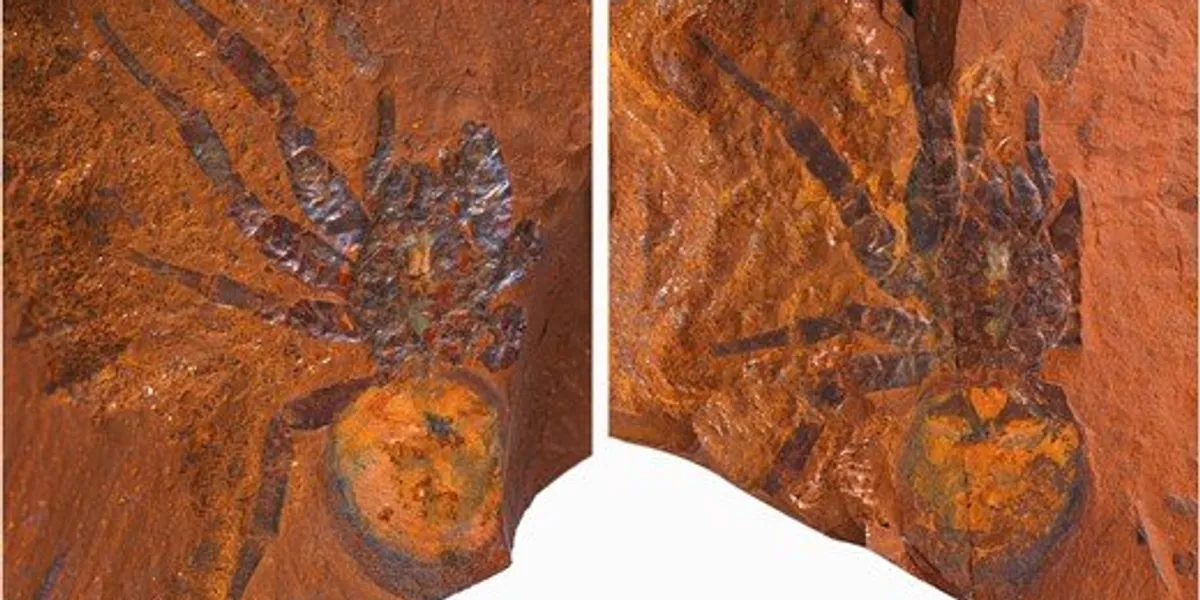
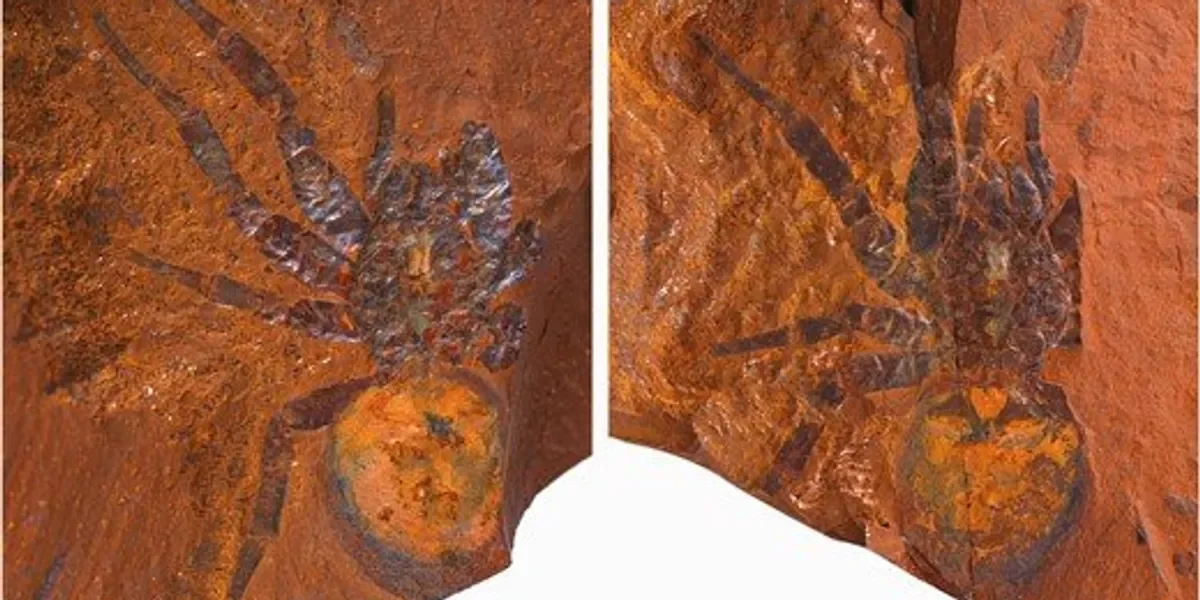
Scientists have discovered a fossilized giant trapdoor spider, named Megamonodontium mccluskyi, in New South Wales, Australia, marking only the fourth spider fossil found on the continent. This Miocene-era spider, five times larger than its modern relatives, provides insights into the region's past rainforest climate and the evolutionary history of spiders. The discovery, published in the Zoological Journal of the Linnean Society, highlights the spider's significance as the first fossil of the Barychelidae family found worldwide, offering clues about past environmental conditions and potential climate change impacts.
Scientists have discovered a fossilized giant trapdoor spider, named Megamonodontium mccluskyi, in New South Wales, Australia, which is five times larger than its modern relatives. This rare find, only the fourth spider fossil in Australia, provides insights into the evolutionary history and past climate of the region, indicating it was once a lush rainforest. The discovery, published in the Zoological Journal of the Linnean Society, highlights the spider's significance as the first fossil of the Barychelidae family found worldwide.
Scientists have discovered an astonishing 15-million-year-old spider fossil in Australia, making it the second largest spider fossil ever found. The fossil belongs to a new genus and species of brush-footed trapdoor spider called Megamonodontium mccluskyi, which was around five times larger than its living relatives. This fossil is significant because it is the first fossil of its kind ever discovered and provides valuable insights into the evolution of spiders. The discovery will help fill gaps in our knowledge of spider evolution and offers a glimpse into the lifestyle and characteristics of ancient spiders.