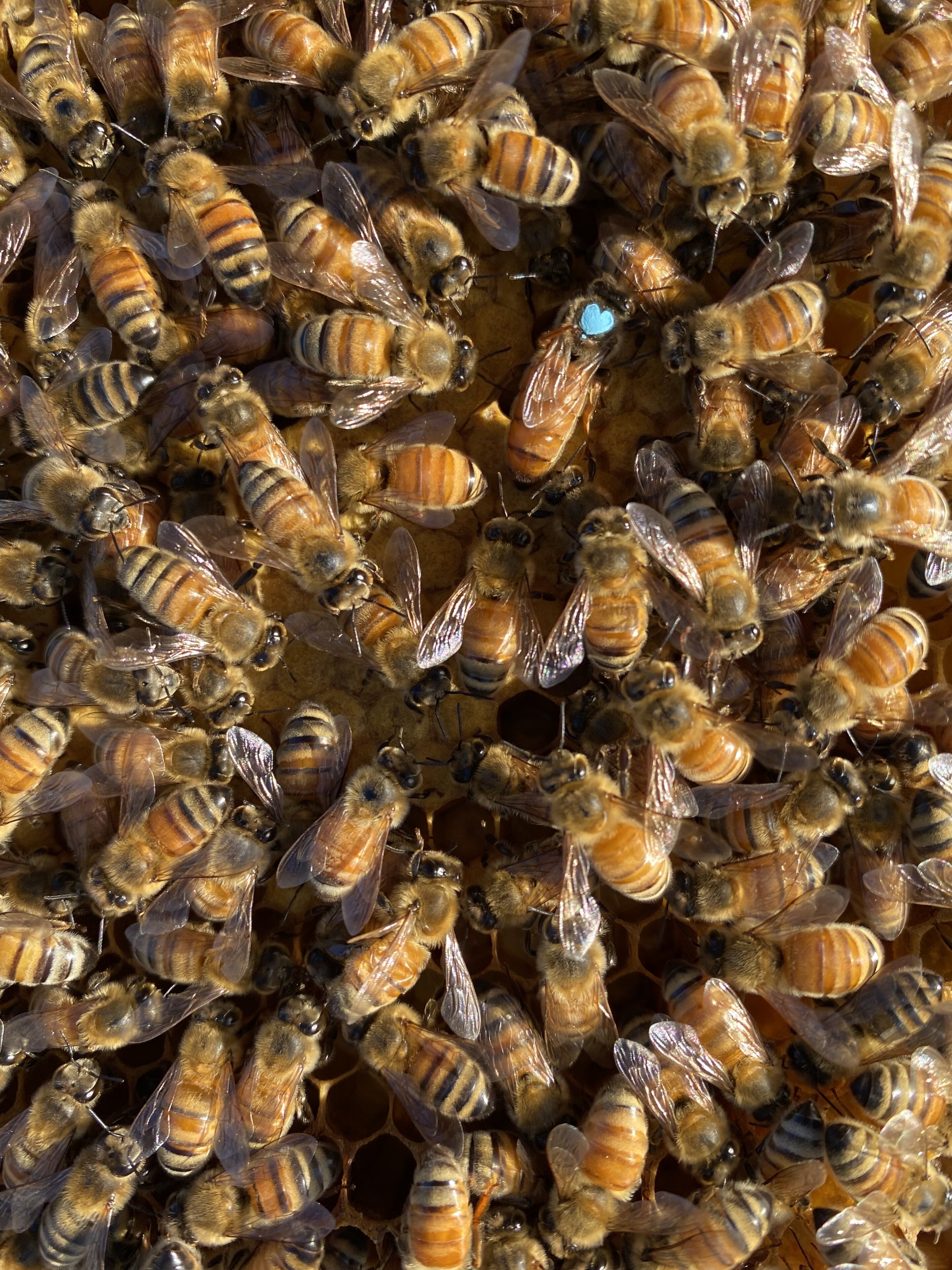
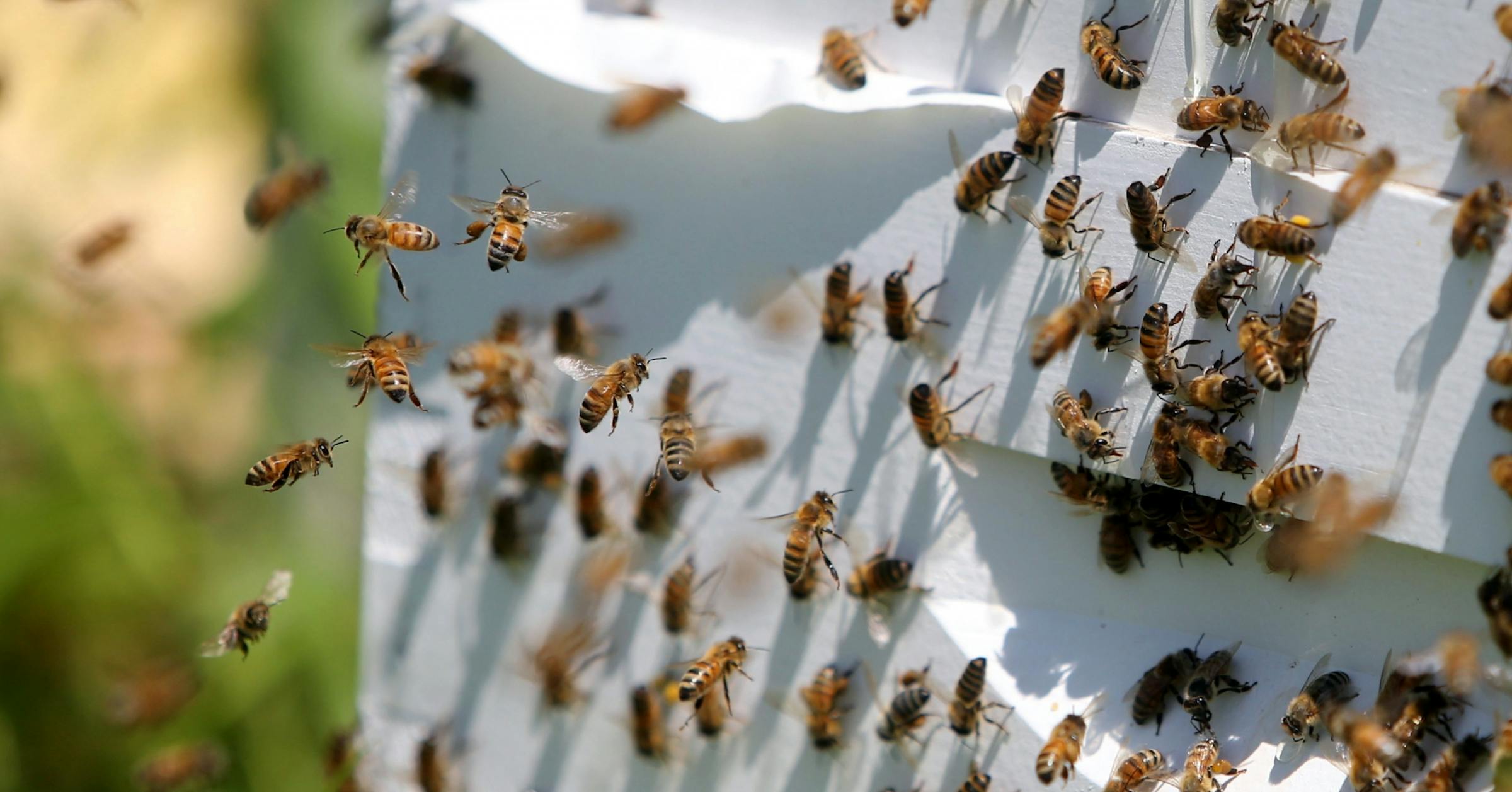
Research shows that viral infections weaken honey bee queens by reducing egg production and pheromone levels, prompting worker bees to replace them. This process, known as supersedure, can disrupt hive stability and productivity, but supplementing colonies with synthetic pheromones like methyl oleate may help manage and prevent premature queen replacement, offering new strategies for beekeepers to maintain healthy colonies.
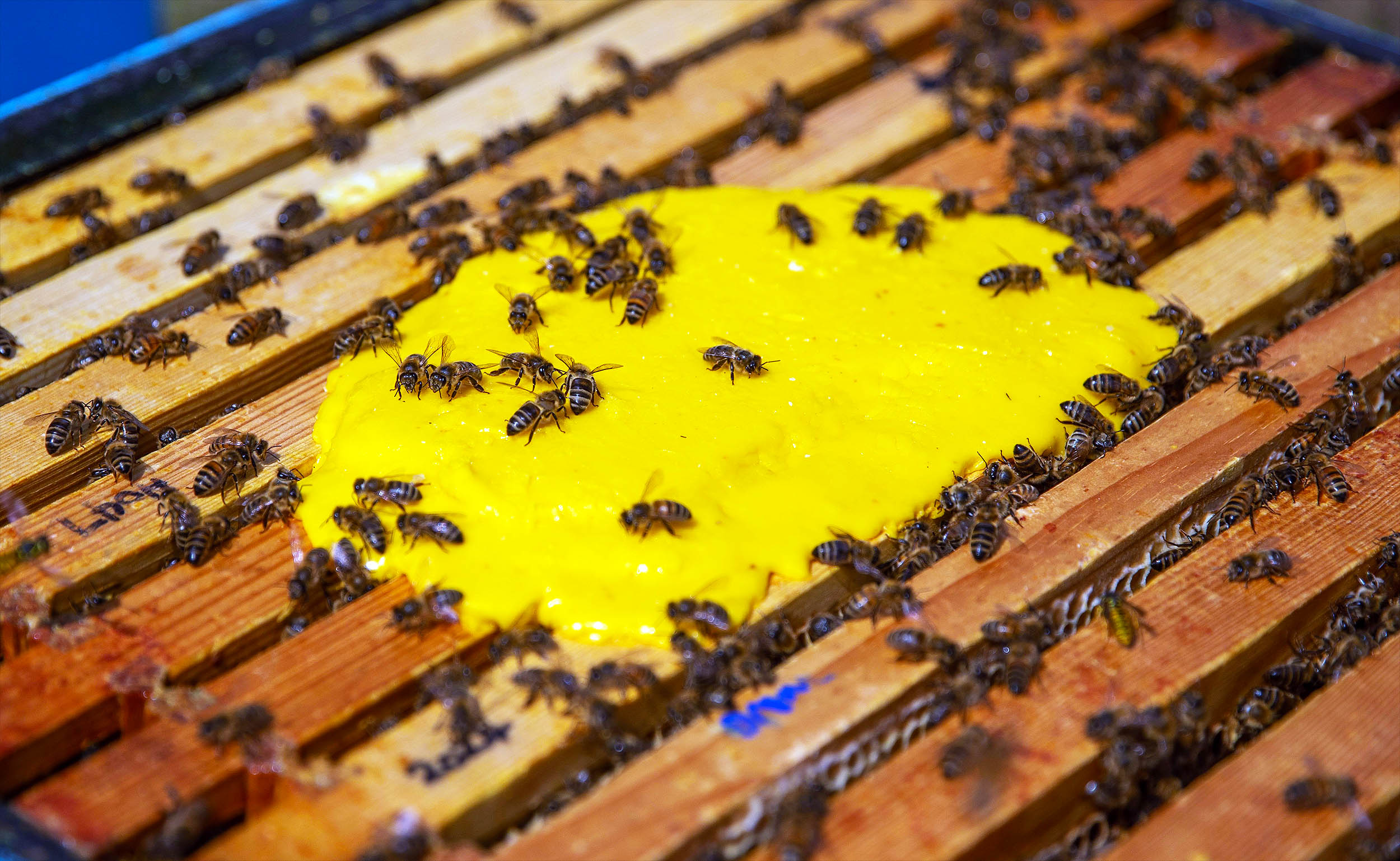
A new study highlights the importance of specific sterols in honeybee diets, particularly 24-methylenecholesterol, which is crucial for brood development. Researchers used genetic engineering to produce these sterols in yeast, creating a potential supplement to support bee colonies during pollen shortages, thereby improving colony resilience and sustainability.
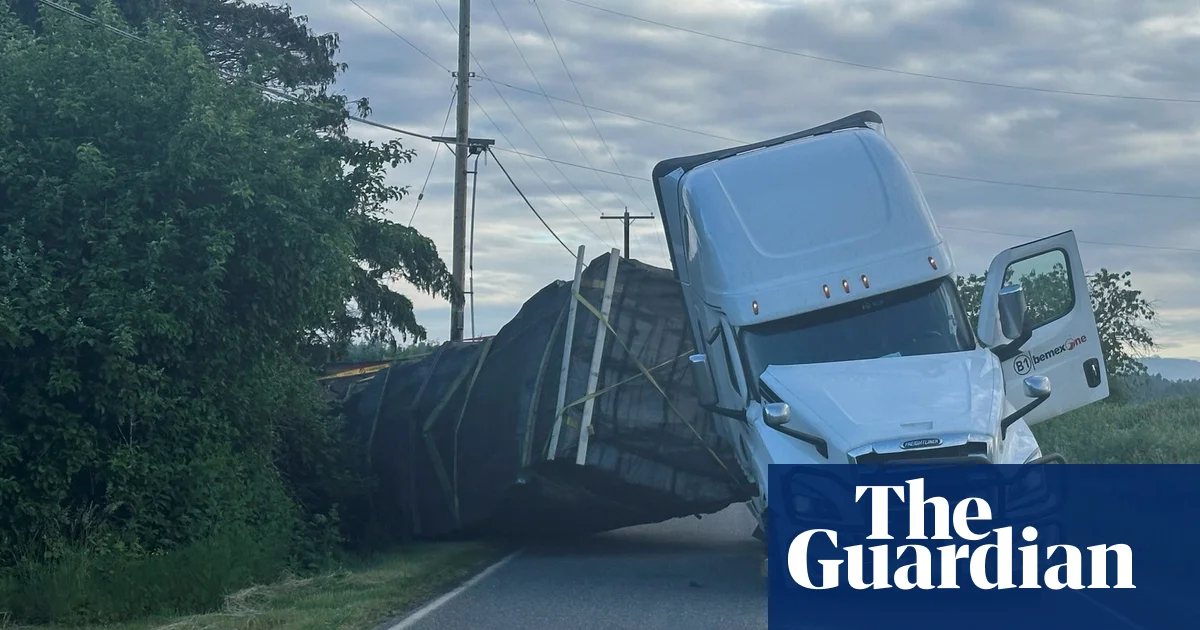
A truck carrying 250 million honeybees overturned near the US-Canada border in Washington, causing the bees to escape and swarm, leading to a rescue effort by local authorities and beekeepers to recover and secure the bees, highlighting the importance and fragility of bee populations.
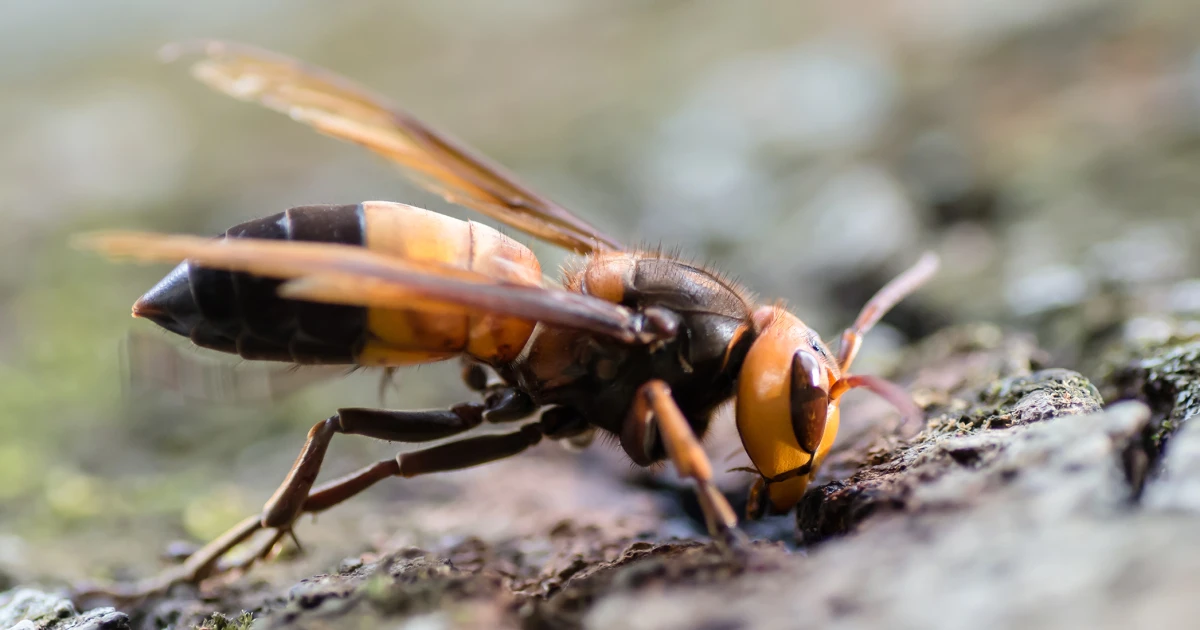
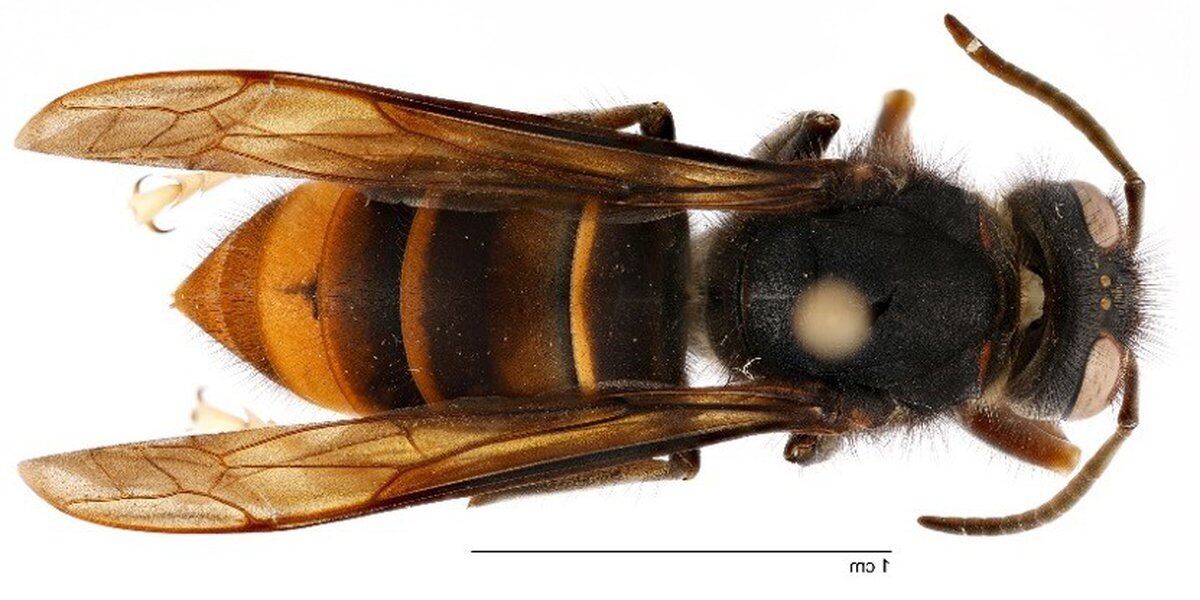
Southern giant hornets, also known as "murder hornets," have been discovered in Europe for the first time, with sightings in northern Spain since 2022. Researchers are urgently searching for the hornets' nest to prevent ecological disruption, as these hornets are known to decimate beehives and could impact local ecosystems. The hornets likely arrived via cargo ships, and their presence raises concerns about the need for enhanced biosecurity measures at ports to prevent further invasions.
Minnesota beekeepers are experiencing sudden disappearances of honeybee colonies, likely due to varroa mite infestations exacerbated by an unusually warm fall. The mites, which spread viruses among bees, have been a persistent issue, and the extended egg-laying season has allowed them to proliferate. This situation differs from "colony collapse disorder," as the entire hive, including the queen, vanishes. Despite these challenges, beekeepers like Kirk Nelson remain committed to their operations, planning to start new hives in the spring.
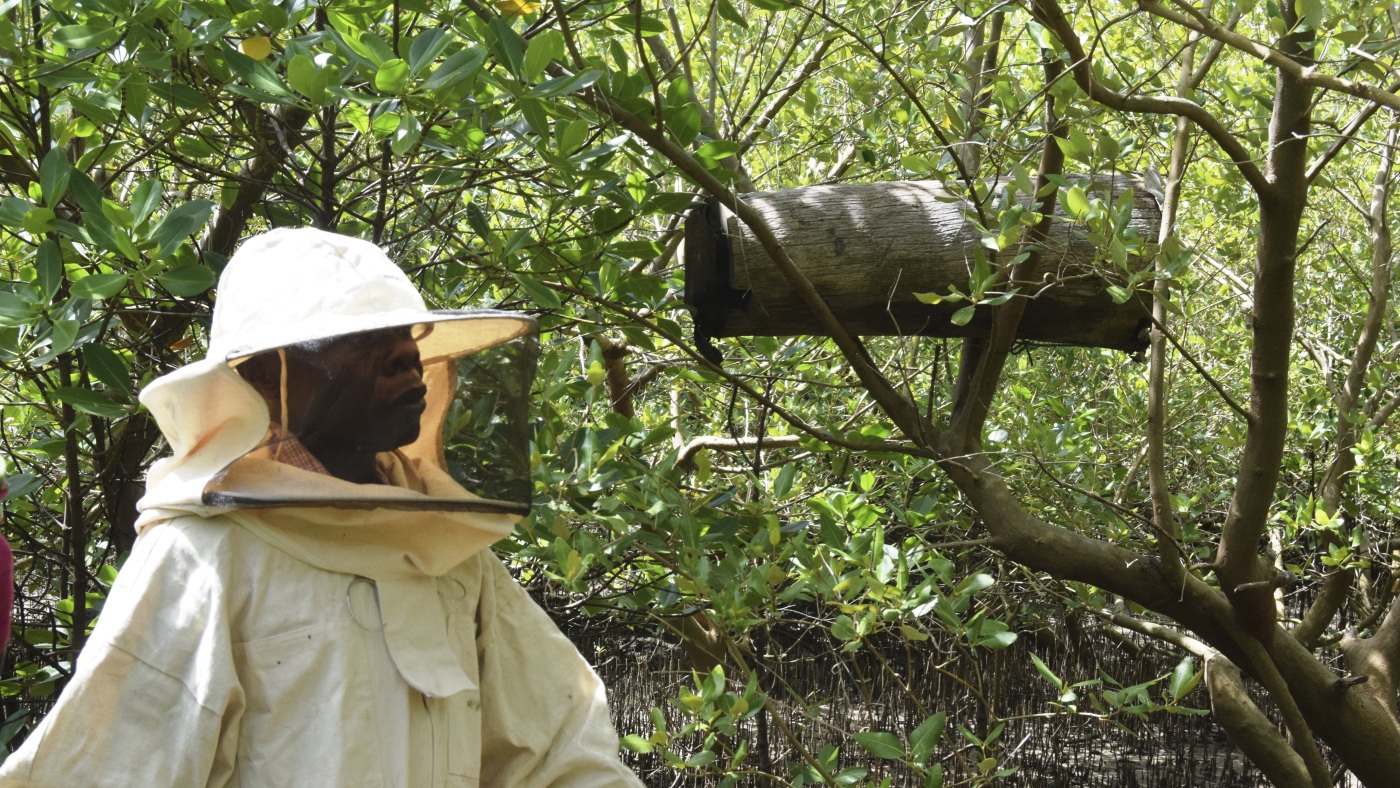
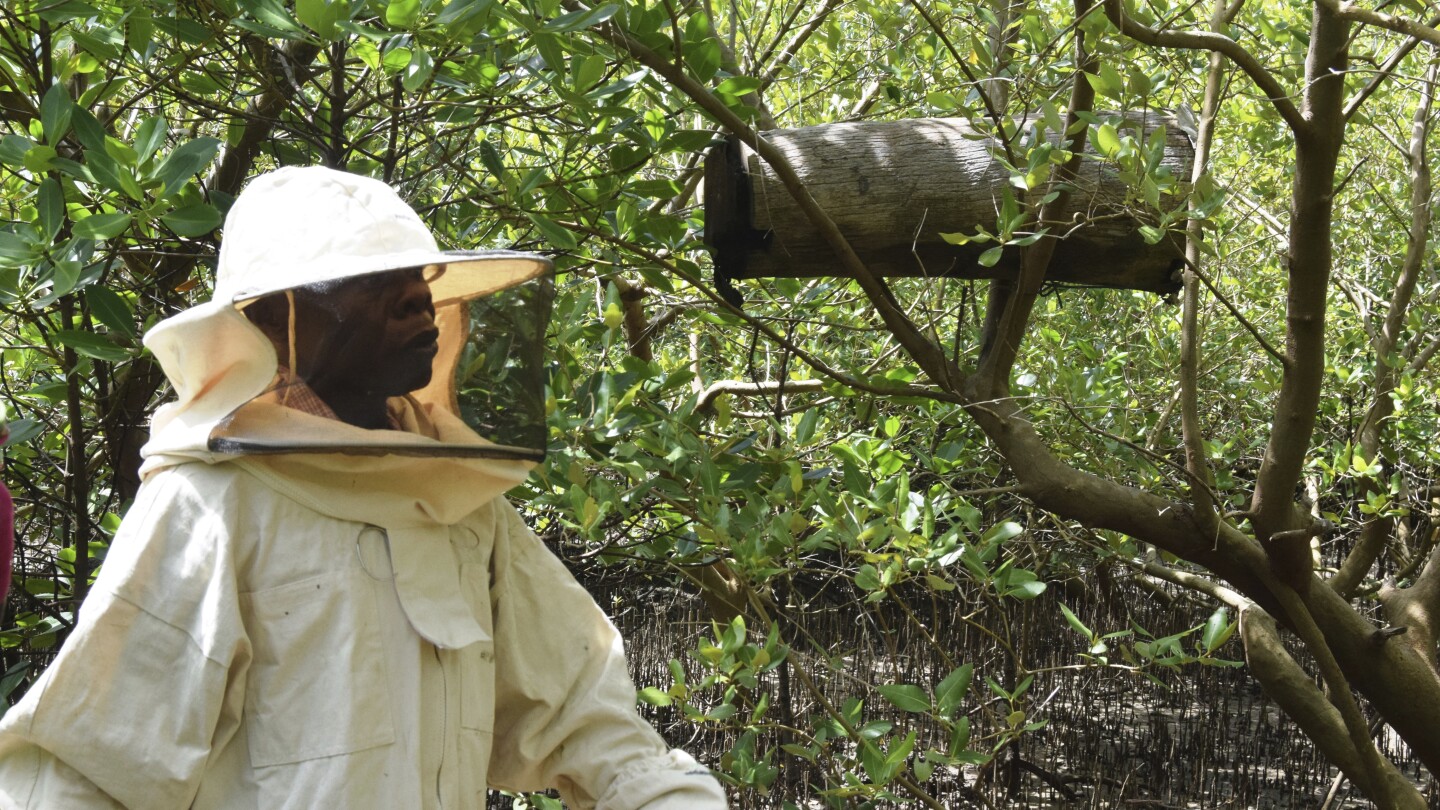
In Mombasa, Kenya, Peter Nyongesa and the Tulinde Mikoko group are using hidden beehives to protect mangroves from illegal logging. The bees act as natural deterrents, attacking loggers who attempt to cut the trees. This initiative not only helps conserve the mangroves, which are crucial for preventing erosion and mitigating severe weather impacts, but also provides income through the sale of high-quality mangrove honey. Despite challenges in measuring the tactic's effectiveness, the integration of beekeeping with conservation efforts shows promise in safeguarding these vital ecosystems.
In Mombasa, Kenya, local conservationists are using hidden beehives to deter illegal logging of mangroves, which are crucial for preventing erosion and mitigating severe weather impacts. The initiative, part of a broader community effort, also generates income through the sale of high-quality mangrove honey. Despite challenges in measuring its effectiveness, the project integrates livelihood support with environmental conservation.
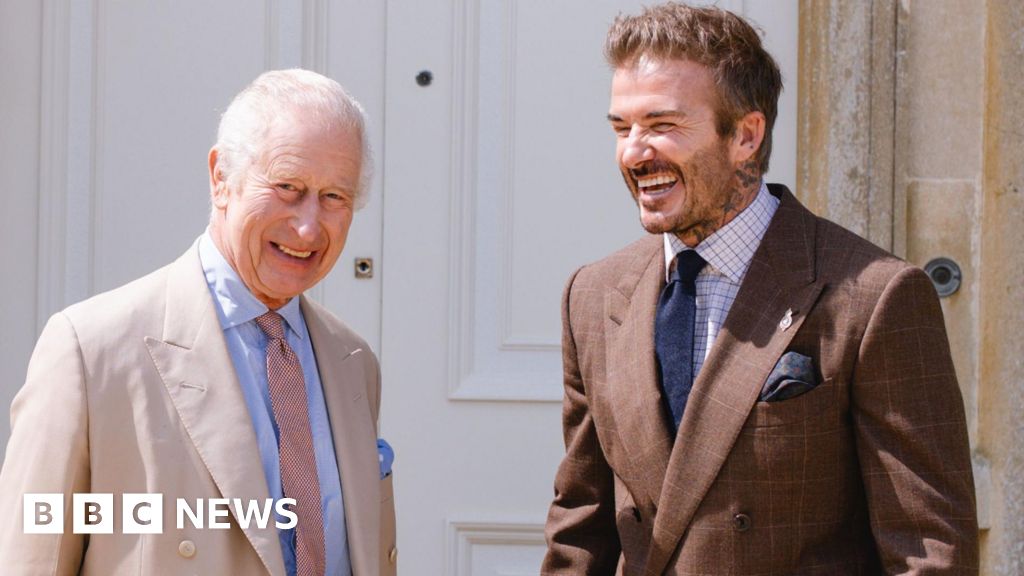
David Beckham recently met with King Charles at Highgrove to discuss the work of The King's Foundation and exchanged beekeeping tips. Beckham has been appointed as an ambassador for the foundation, focusing on education and access to nature for young people. The meeting also highlighted Beckham's interest in rural skills and his ongoing passion for beekeeping, as seen in a recent Netflix documentary.
King Charles and David Beckham bonded over beekeeping during a private meeting at Highgrove, where Beckham was named a King’s Foundation ambassador. Meanwhile, Prince Andrew is reportedly refusing to leave the Royal Lodge, leading to increased isolation and tension with King Charles.
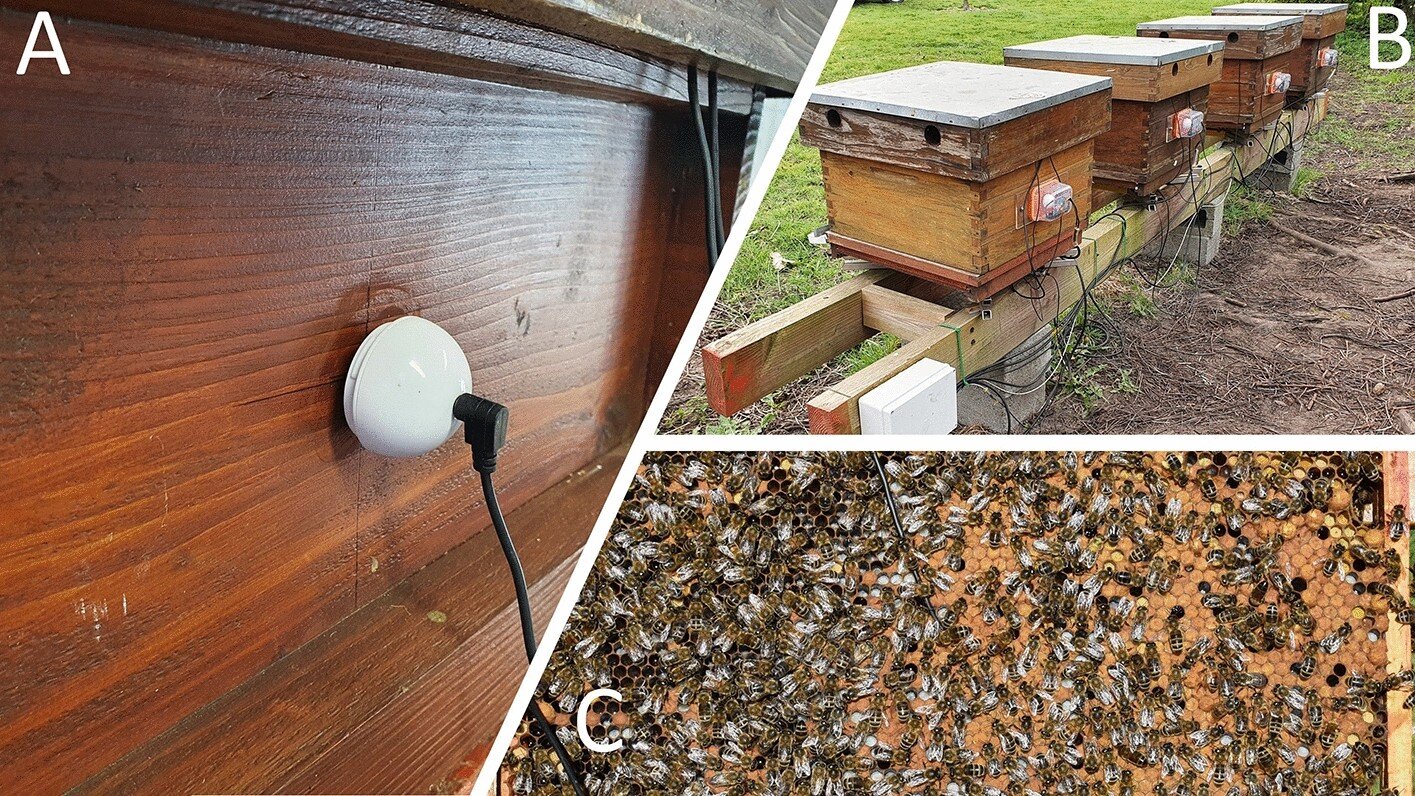
A study by scientists at Nottingham Trent University has confirmed that monitoring the reaction of honeybee colonies to a gentle vibrational pulse can reveal their health and activity levels without the need for invasive inspections. By using an accelerometer embedded within hives, the researchers found that bees' responses to the pulse varied throughout the year, indicating their level of activity and restfulness. This non-invasive method could provide valuable insights for beekeepers and potentially lead to the development of a device for real-time monitoring of honeybee colonies.
David Ayer's new action film "The Beekeeper" features Jason Statham as a beekeeping secret agent, with real bees involved in the filming. Ayer revealed in an interview that Statham learned beekeeping for the role and was never stung, while Ayer himself got stung multiple times. The film has received mixed reviews, but the concept of Statham as a bee master has garnered attention.
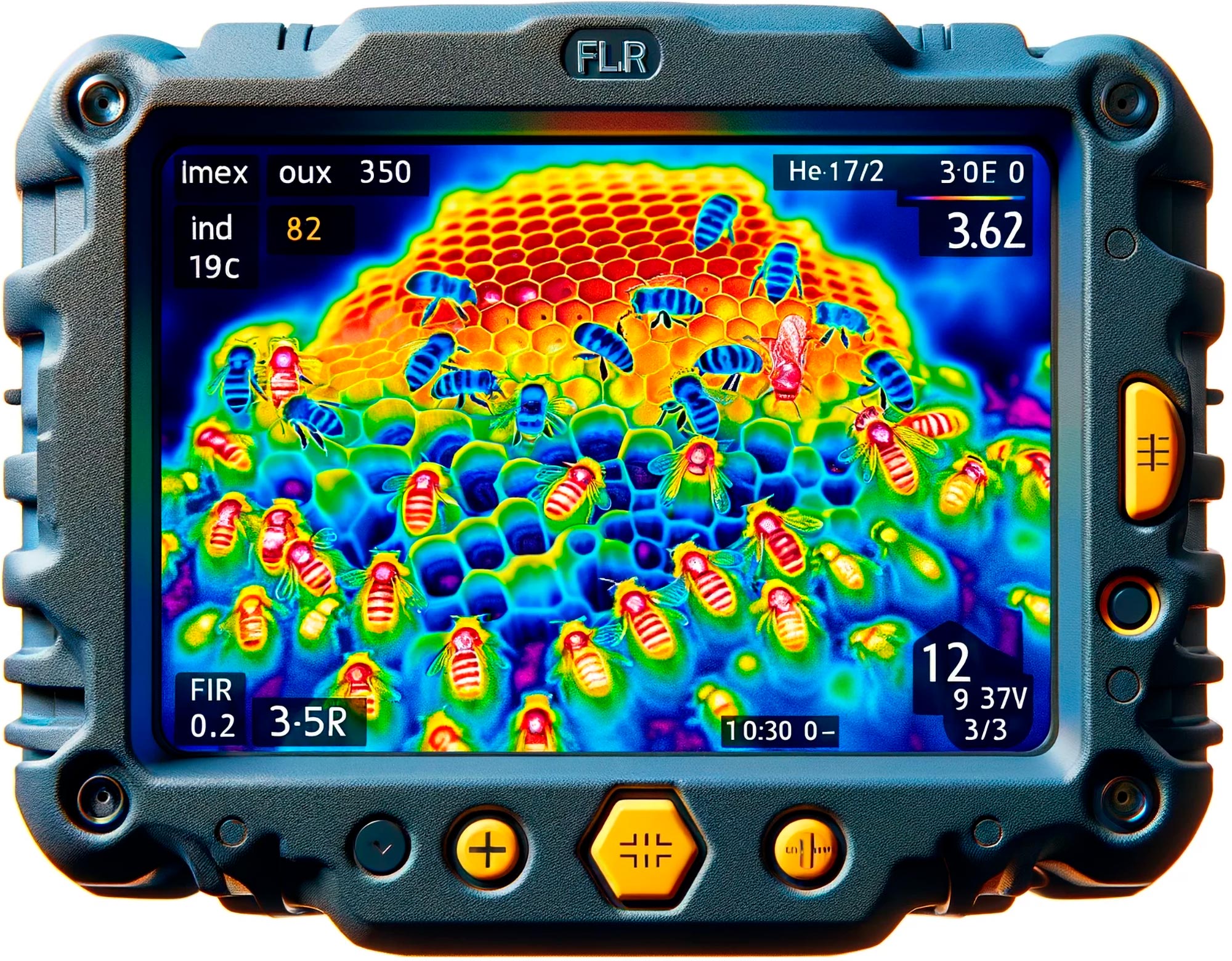
A study at the University of Leeds challenges the traditional theory that honeybees naturally insulate their colonies against the cold. The research suggests that clustering, where bees huddle together, may actually cause thermal stress and increase heat loss. The study calls for a revision of beekeeping practices to improve bee welfare and raises awareness about the complex interaction between colony enclosure, thermofluids, and honeybee behavior. The findings indicate that clustering is a survival behavior in response to an existential threat, resulting in increased stress and potential harm to the bees. The researcher urges further debate on the ethical treatment of insects and the need for changes in beekeeping practices.
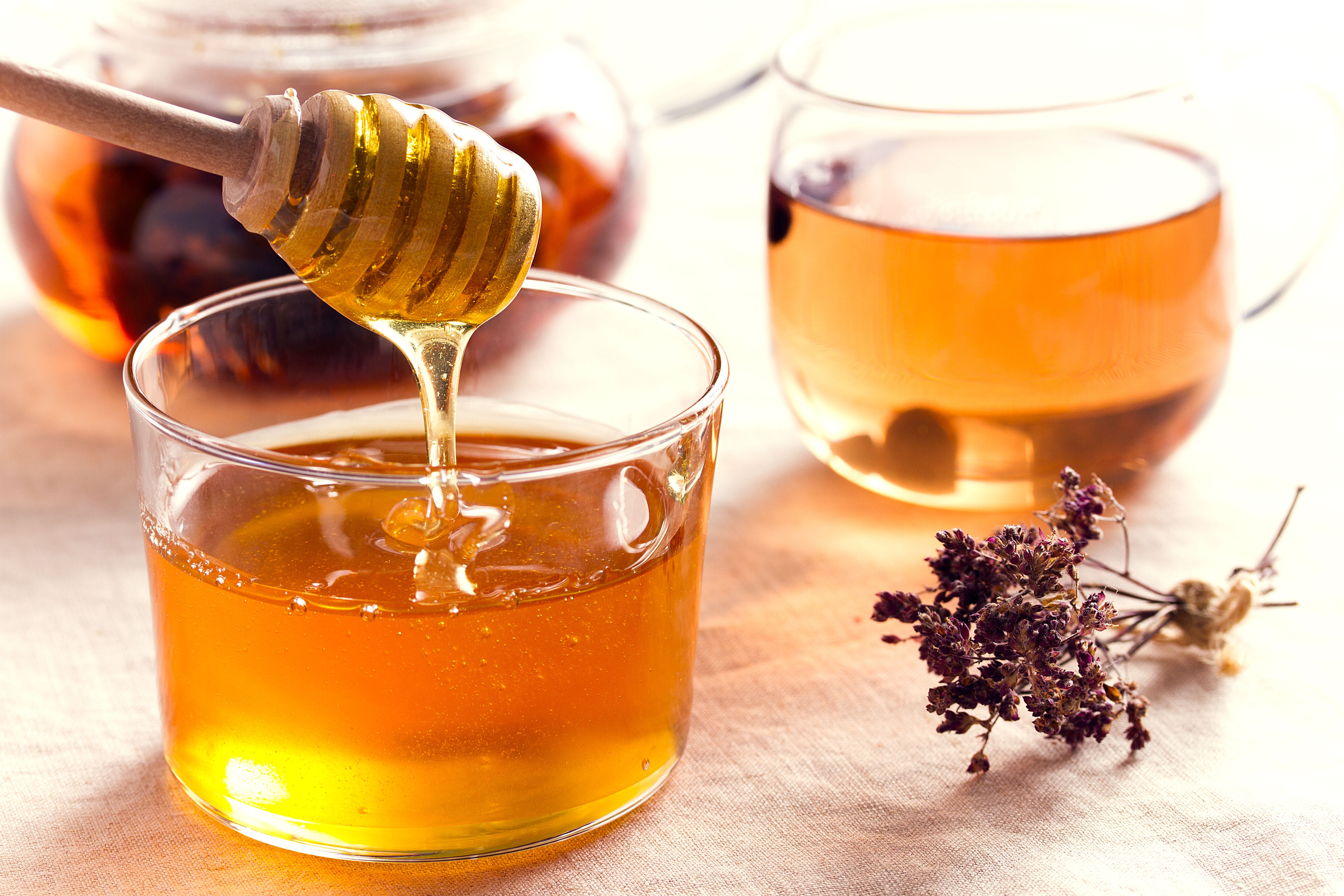
Much of the honey available in grocery stores is fake or adulterated, with up to 70% of U.S. honey being affected. Fake honey is often made by treating or diluting it with additives like sugar or syrup, and even high-end varieties like Manuka can be affected. The lack of enforcement in the honey industry allows producers to mislabel their products. This has negative impacts on bees and beekeepers, as well as the nutritional benefits of honey. To ensure you're getting real honey, support local beekeepers, look for traceability certifications, and use your senses to check for signs of authenticity.
The Georgia Department of Agriculture has issued a warning after the detection of a yellow-legged hornet, an invasive insect species, for the first time in the United States. Beekeepers reported sightings of the hornet in Savannah, Georgia, and officials are concerned about the potential threat it poses to honeybee production, native pollinators, and the agricultural industry. While there is no immediate danger to humans, the authorities are urging people to report any sightings and have a plan in place to eradicate the species if necessary.
Uvalde, Texas celebrated its annual Honey Fest to honor the local beekeeping industry and promote healing in the community after a school shooting that occurred last year. Beekeepers and festival-goers alike emphasized the strong sense of community and resilience shared by both the bees and the townspeople. The festival featured vendors selling honey made by the area's bees, and beekeepers explained the healing properties of honey for humans. The festival served as a step towards a new normal for the community.