Research shows that banana peels, a common kitchen waste, can be turned into effective biofertilizers that promote healthier and taller plants, offering a sustainable alternative to synthetic fertilizers and reducing environmental impact.
Scientists are uncovering the complex, active communication system of plant cell walls, which play a crucial role in growth, defense, and adaptation. Advances in molecular biology reveal how cell wall components like pectin and cellulose send signals that influence plant shape and resilience, opening new possibilities for crop improvement and sustainable agriculture.
Scientists in Taiwan have developed a new biochemical pathway called the McG Cycle that significantly enhances plant growth and carbon fixation, with potential applications in forestry, agriculture, and climate change mitigation, though it raises ecological and ethical concerns.
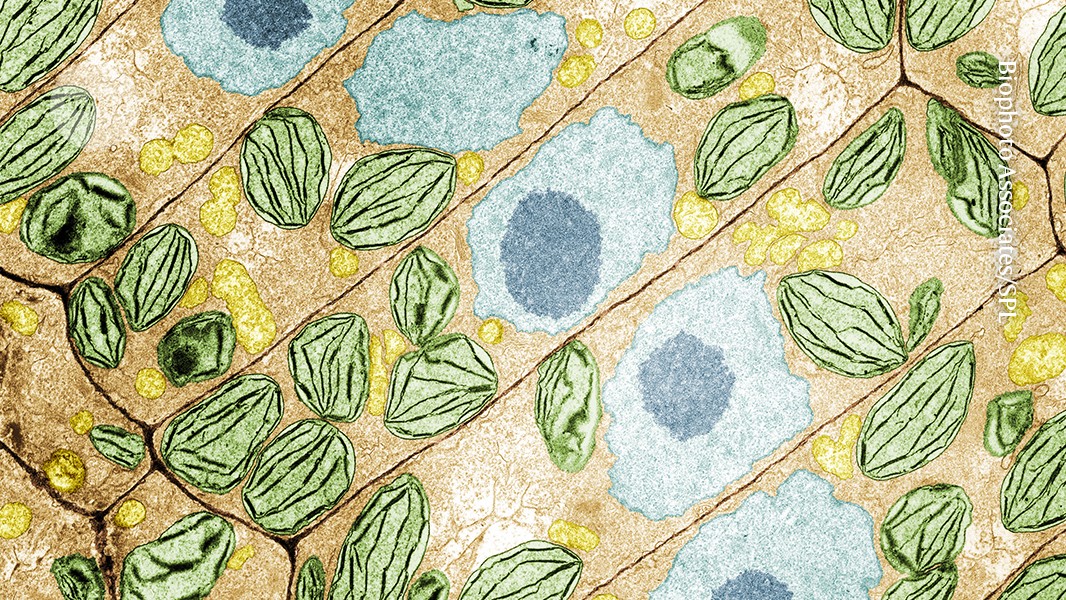
Scientists have uncovered the atomic secrets of photosynthesis, using an advanced microscopy method called cryo-EM to explore the process of chloroplast RNA polymerase transcription. This breakthrough provides insights into plant growth mechanisms and offers potential for improving crop resilience. The study, published in Cell, presents a model and resources for further fundamental discoveries in this field, aiming to aid in the development of more robust crops.
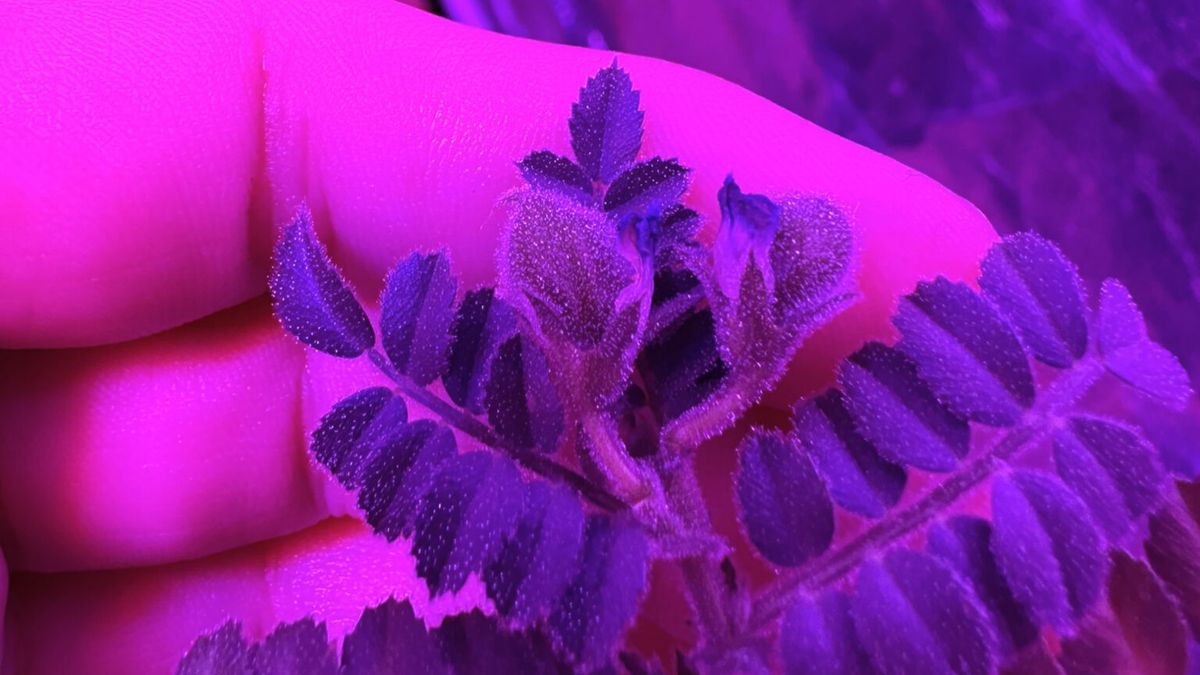
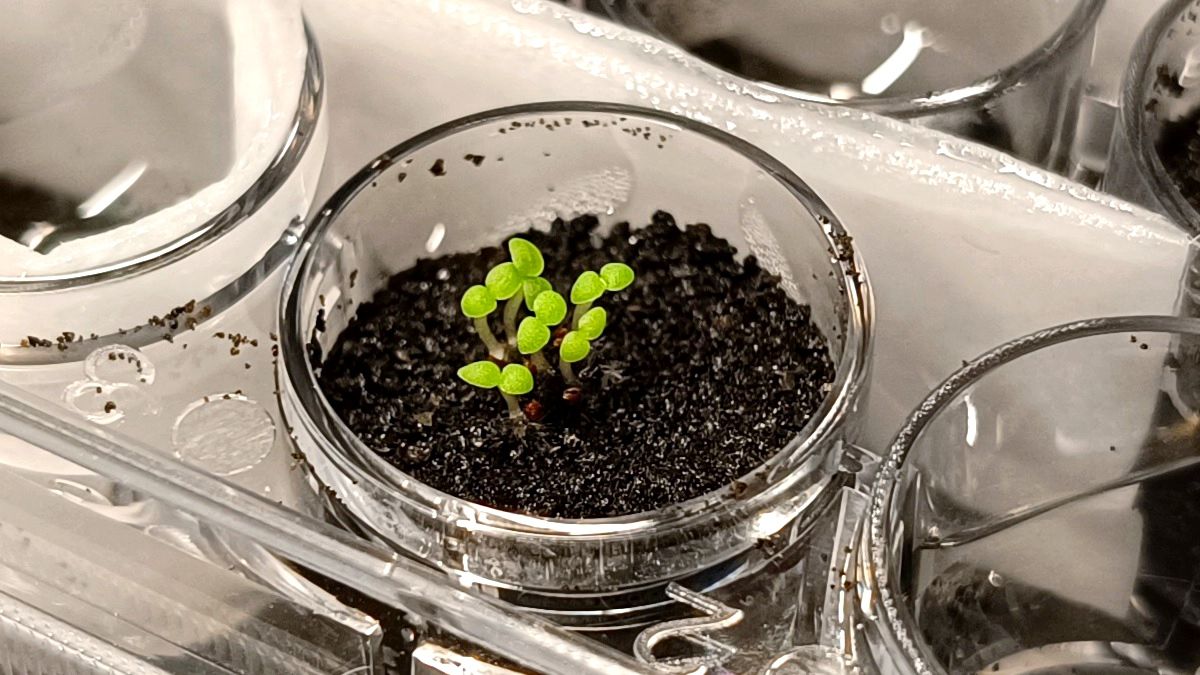
Researchers have successfully grown chickpea seeds in soil similar to that found on the moon, using amended moondust to simulate lunar soil. This achievement could pave the way for reducing dependency on packaged foods during future crewed missions, as plants on the moon could provide a sustainable, nutritious resource for spacefarers. Despite challenges such as poor water retention capacity and longer maturation periods, the study's early results offer a potential method for in-situ plant growth on the moon, with the use of vermiculture reducing the need for resupply missions.
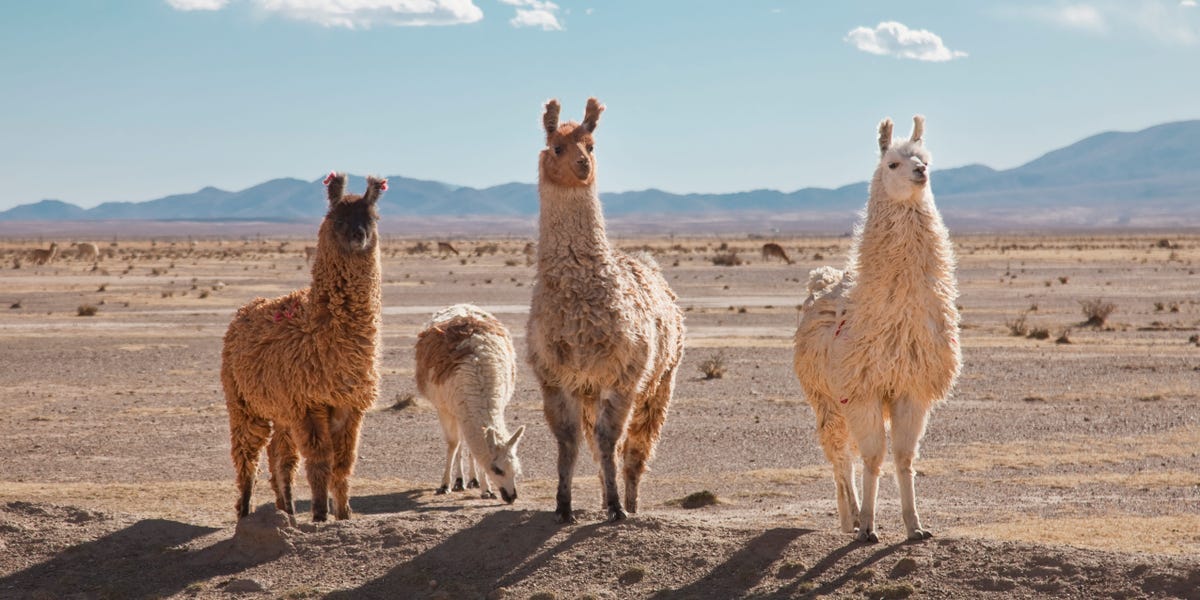
Llamas grazing in areas left barren by glacial melt in the Andes have been found to significantly improve soil fertility and increase plant growth. Over a three-year study, llamas helped introduce four new plant species and increased overall plant cover by 57%. Llama poop, rich in nutrients like carbon and nitrogen, acts as a natural fertilizer and contains seeds from plants the animals have grazed on. This practice, which has been carried out by indigenous farmers for centuries, could help mitigate the destructive effects of climate change-induced deglaciation while benefiting the local economy in Peru.
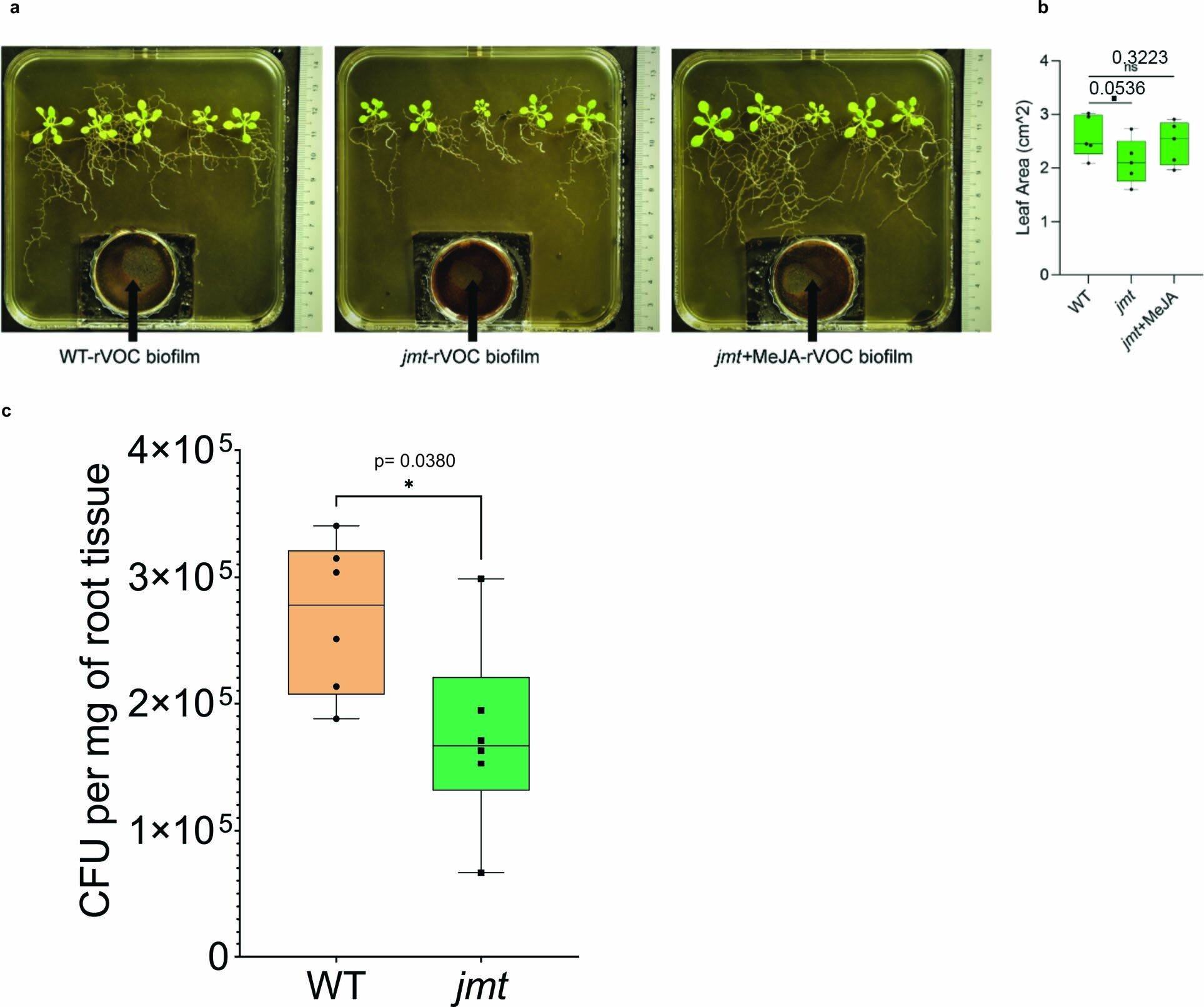
Scientists have discovered that a plant hormone called methyl jasmonate (MeJA) serves as a communication tool between plants and microorganisms in the soil. The release of MeJA by plant roots triggers the formation of biofilms in bacteria, which in turn release volatile compounds that can boost plant growth by up to 30%. This discovery has significant implications for sustainable agriculture, as harnessing these agricultural microbes can enhance crop productivity, reduce the need for synthetic inputs, and mitigate the environmental impact of modern farming practices. Agro-microbials are emerging as a promising strategy to address the challenges of food security and agricultural productivity in the face of climate change and land degradation.
Sugar can be a versatile gardening aid, helping with various plant care issues. It can deter nematodes by decreasing their egg production, attract common pollinators like hummingbirds and bees, eliminate invasive nutsedge by depleting nutrients in the soil, revive dying plants suffering from nutrient deficiencies, get rid of stubborn lawn weeds by depleting nitrogen in the soil, make cut flowers last longer by adding sweetness to the vase, encourage healthy growth in plants by feeding soil microbes, boost composting by providing energy to bacteria, repel ants by using it in lethal mixtures, and improve rooting in seedlings and transplanted plants by using it in homemade fermented fertilizer.
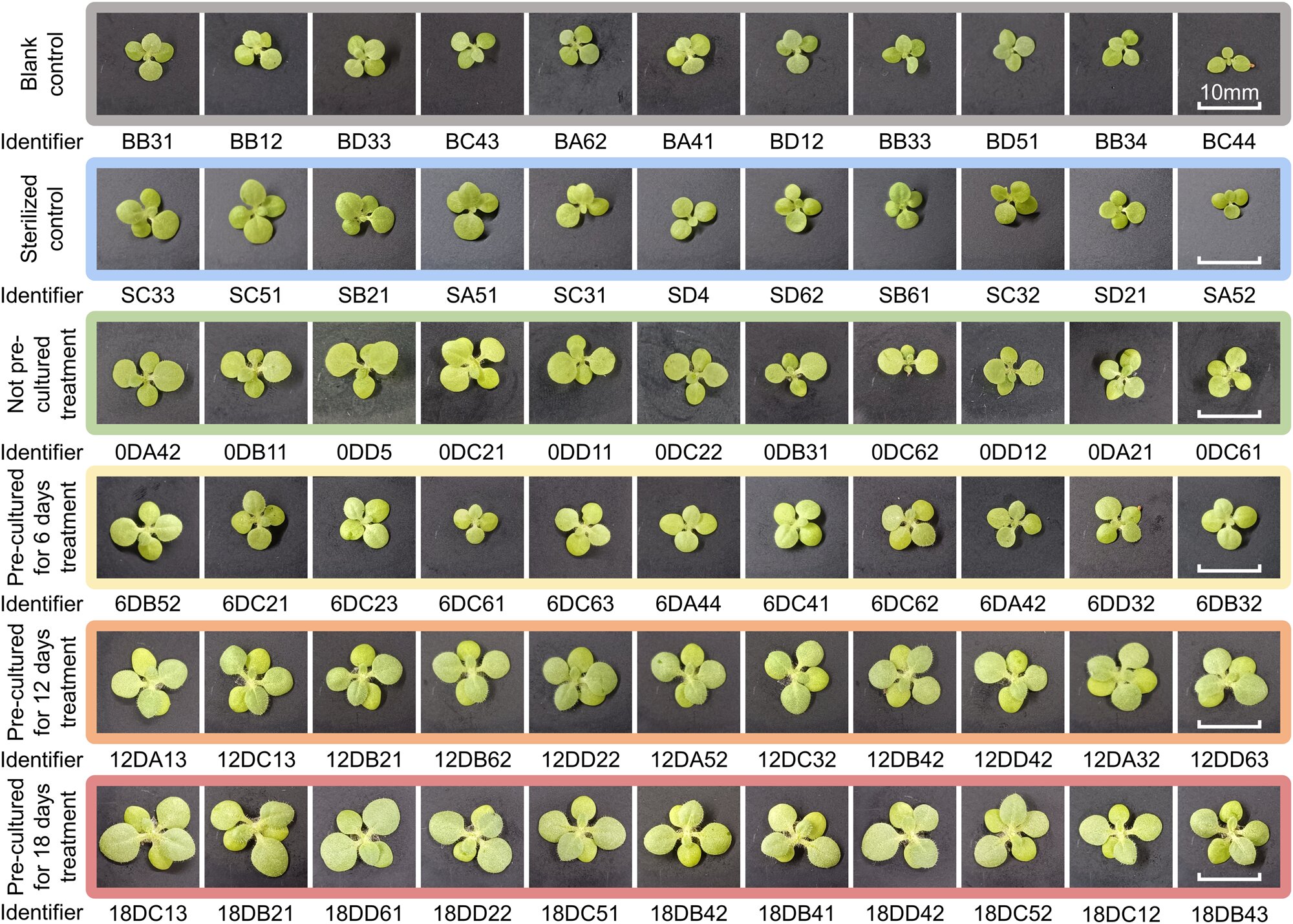
Researchers at China Agricultural University have discovered that adding bacteria to simulated lunar regolith, or moon soil, can increase its fertility for plant growth. By adding three types of bacteria to volcanic material, the researchers found that the soil became more acidic, releasing phosphorus and making it available for plants. The treated soil resulted in plants with stronger roots, longer stems, and larger leaves compared to untreated samples. This finding could be crucial for future lunar missions, as it offers a potential solution for growing food on the moon.
Microbes found on Earth have the potential to unlock vital nutrients in lunar soil, allowing for the growth of plants on the moon. Previous research has shown that lunar soil contains elements necessary for plant growth, raising hopes for sustainable farming on the moon. However, the soil lacks carbon and nitrogen compounds and has insoluble elements that plants struggle to absorb. In a new study, researchers experimented with microbes to convert insoluble phosphorus in simulated lunar soil into a soluble form. The bacteria successfully increased the amount of soluble phosphorus, resulting in improved plant growth. Further research will explore the combination of these bacteria with algae or compost to enhance plant growth on the moon.
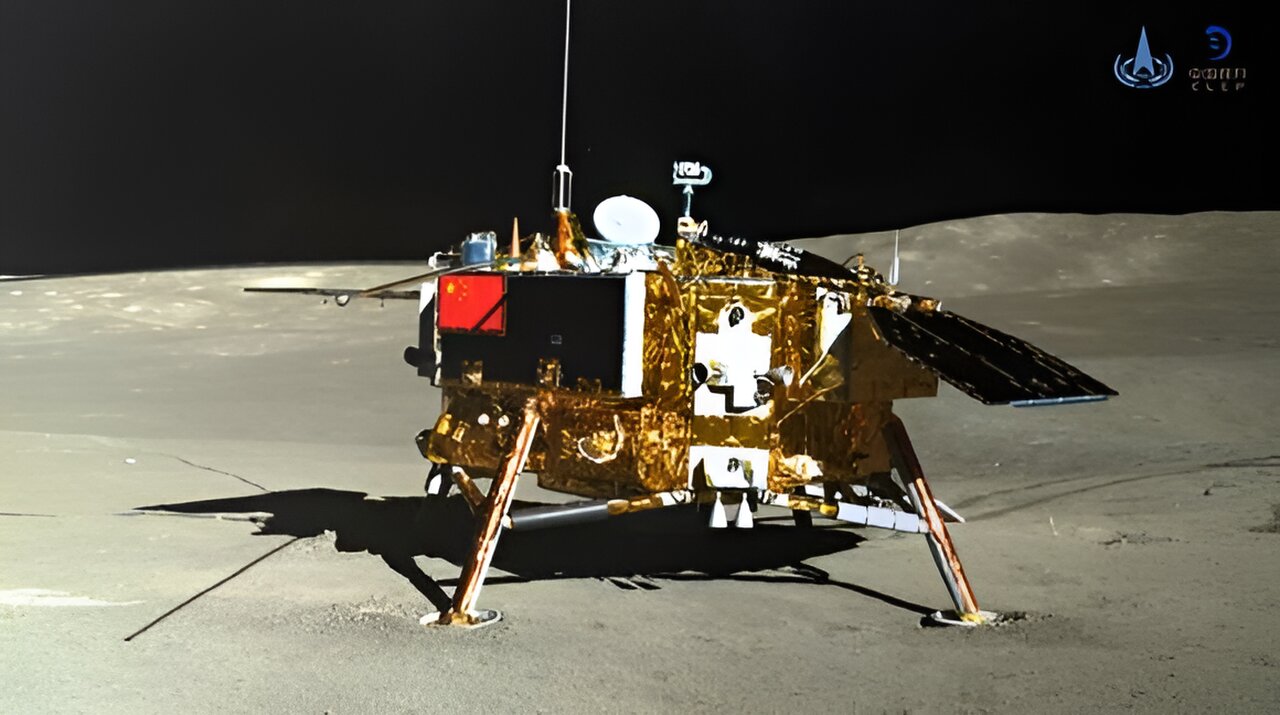
In 2019, China's Chang'e-4 lander successfully conducted an experiment to grow plants on the moon's far side. The Biological Experiment Payload (BEP) carried cotton, potato, arabidopsis, and rape seeds, along with fly eggs, yeast, and water. Despite the challenges of intense radiation, low gravity, and prolonged intense light, the experiment demonstrated that plants can grow on the moon. This research is crucial for developing Bioregenerative Life Support Systems (BLSS) that can sustain future habitats and missions in deep space. The results will inform the establishment of a survival base on the moon, Mars, and other extraterrestrial planets.
The mysterious pink glow illuminating the skies over East Yorkshire, which some believed to be the Northern Lights or even extraterrestrial activity, has been revealed to be caused by LED lights used for growing plants. The UK's largest plant propagator, Plant Raisers, installed the pink LED lights to manipulate day-length and maximize plant growth. The lights have not been visible until now due to an energy crisis that forced the company to invest in LED lights, resulting in the pink hue. The lights have significantly reduced the firm's energy bill and improved plant quality.
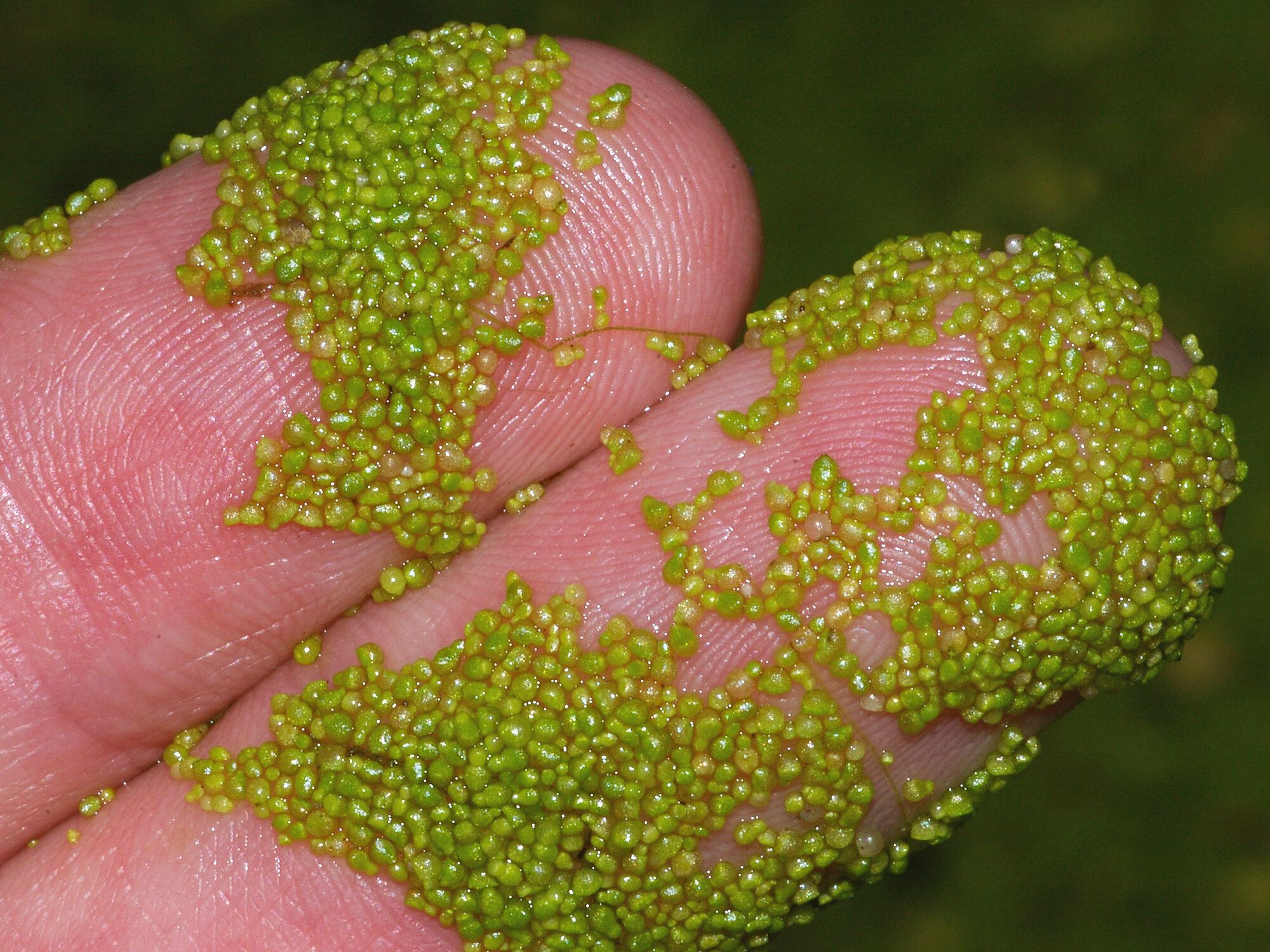
Researchers from Mahidol University in Thailand conducted experiments on watermeal, the smallest flowering plant on Earth, to study its growth and development under hypergravity conditions. Watermeal, which is smaller than duckweed, was subjected to 20 times normal Earth gravity using ESA's Large Diameter Centrifuge. The plant's ability to produce oxygen through photosynthesis and its potential as a nutritious food source for astronauts make it a promising candidate for space-based agriculture. The team aims to understand how watermeal adapts to different gravity environments and plans to conduct detailed chemical analysis on the plant's hypergravity response.
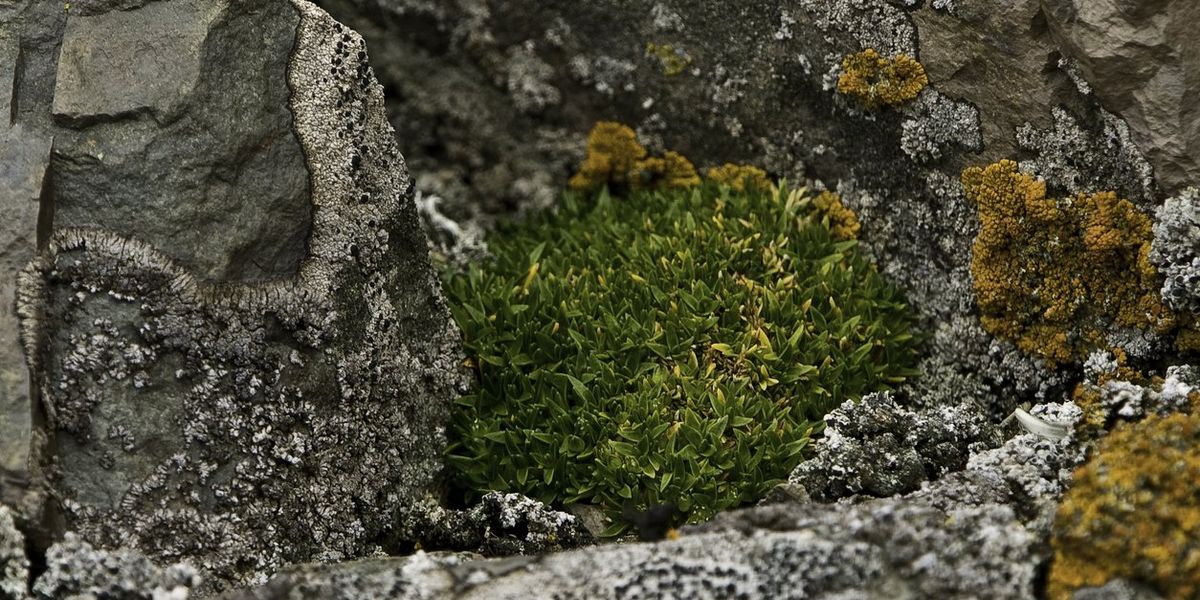
Antarctica is experiencing rapid plant growth, with a surge in population and accelerated growth rates of native plant species due to climate change. Researchers studied the evolution of two indigenous plant species over a decade and found significant growth, potentially driven by rising global temperatures and declining seal populations. This growth poses risks to biodiversity and ecosystems, as invasive species could threaten native plants and reshape the continent's landscape. The findings highlight the urgent need to address climate change and its impacts on delicate ecosystems.
The growth of flowering plants in Antarctica is accelerating due to rising temperatures and melting ice, according to a new study. The Antarctic hair grass and Antarctic pearlwort have experienced significant increases in growth rates over the past decade. This unprecedented growth is attributed to human-induced climate change, which has caused a 3°C rise in temperatures in the region. As the land becomes more habitable, invasive species could colonize the continent, potentially destabilizing local ecosystems and leading to rapid changes in Antarctica's landscape and biodiversity.