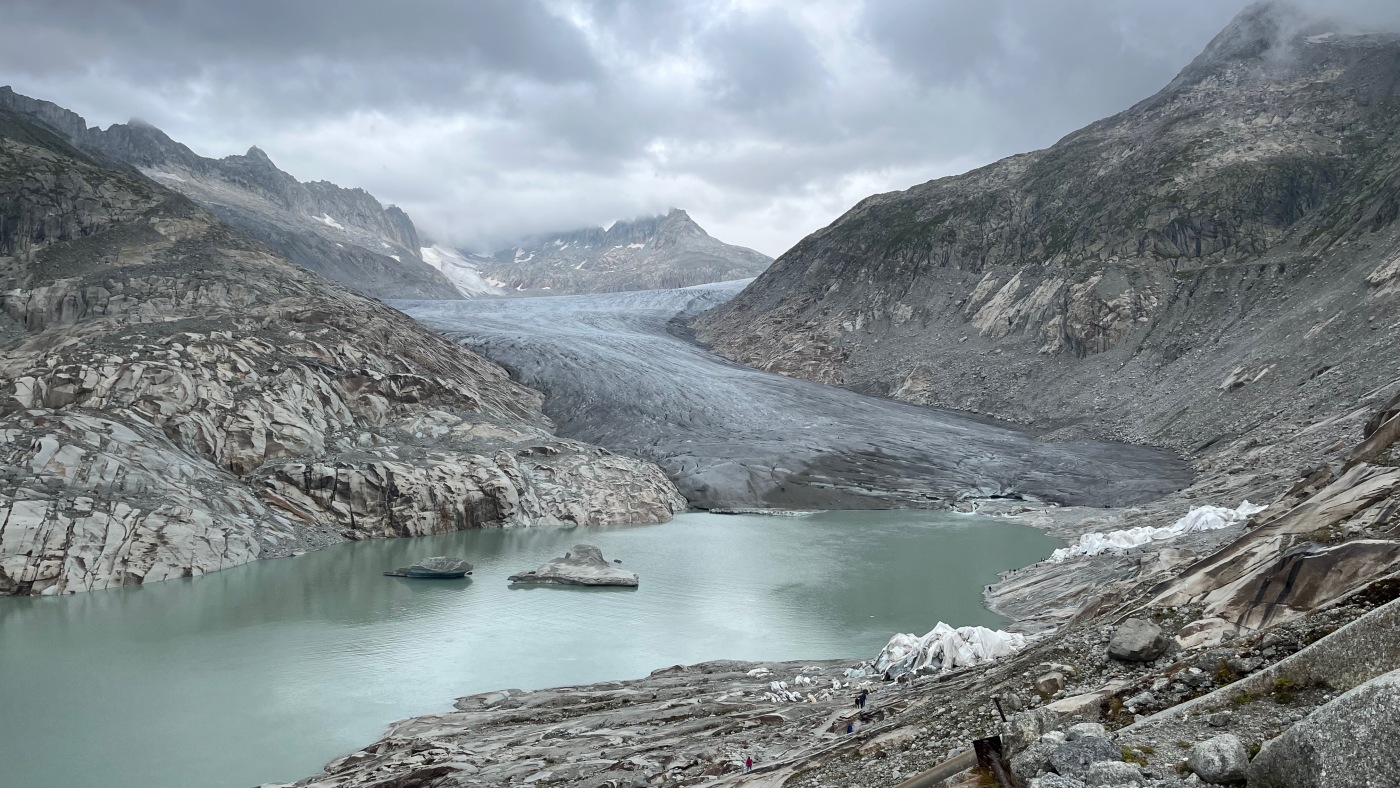
Rapid melting of Swiss glaciers due to climate change threatens the future of Europe's major rivers, with glaciers like the Rhône losing significant ice mass, impacting water supply and ecosystems across the continent.
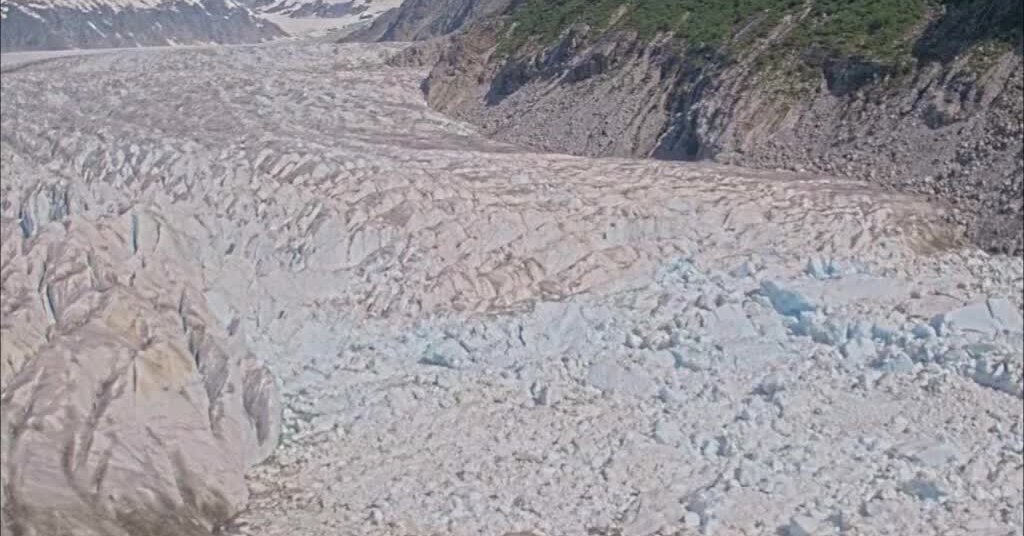
The Mendenhall River in Juneau, Alaska, reached a record high due to a surge caused by melting from an overflowing glacial lake, linked to accelerated glacier melting driven by climate change. This has led to repeated flooding and evacuations, with scientists warning that rising temperatures are increasing the frequency and severity of glacial lake outburst floods, although future risks may change as glaciers continue to retreat.
Alaska's Juneau is facing potential record flooding due to glacial meltwater escaping from a dammed basin by the Mendenhall Glacier, prompting evacuations and a state disaster declaration, as climate change accelerates the shrinking of mountain glaciers and increases the risk of glacial lake outburst floods.
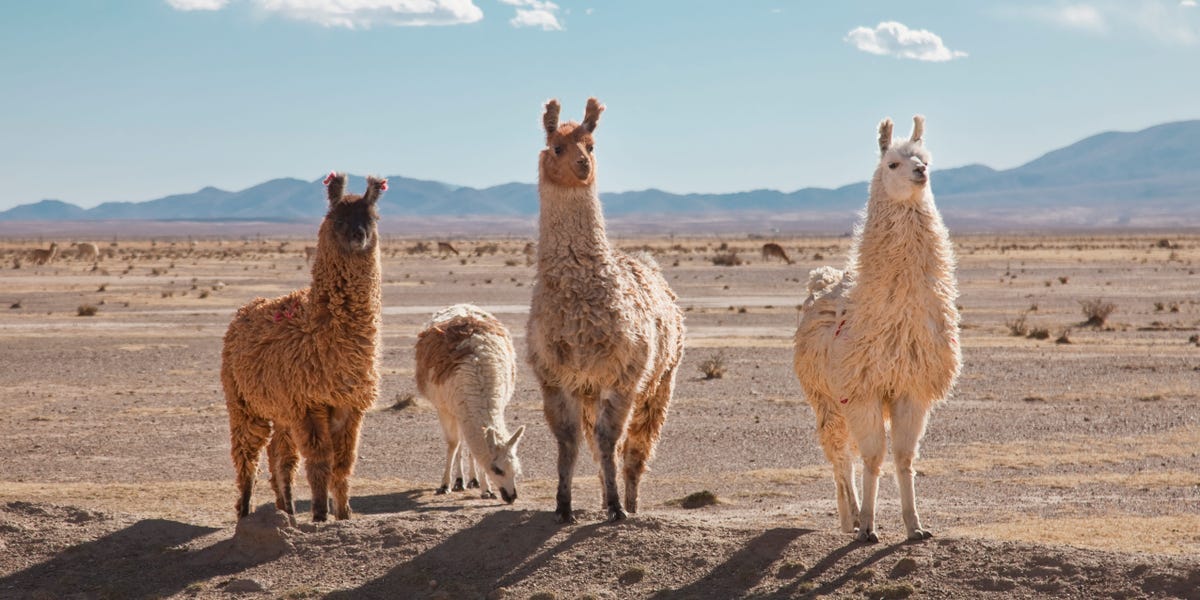
Llamas grazing in areas left barren by glacial melt in the Andes have been found to significantly improve soil fertility and increase plant growth. Over a three-year study, llamas helped introduce four new plant species and increased overall plant cover by 57%. Llama poop, rich in nutrients like carbon and nitrogen, acts as a natural fertilizer and contains seeds from plants the animals have grazed on. This practice, which has been carried out by indigenous farmers for centuries, could help mitigate the destructive effects of climate change-induced deglaciation while benefiting the local economy in Peru.
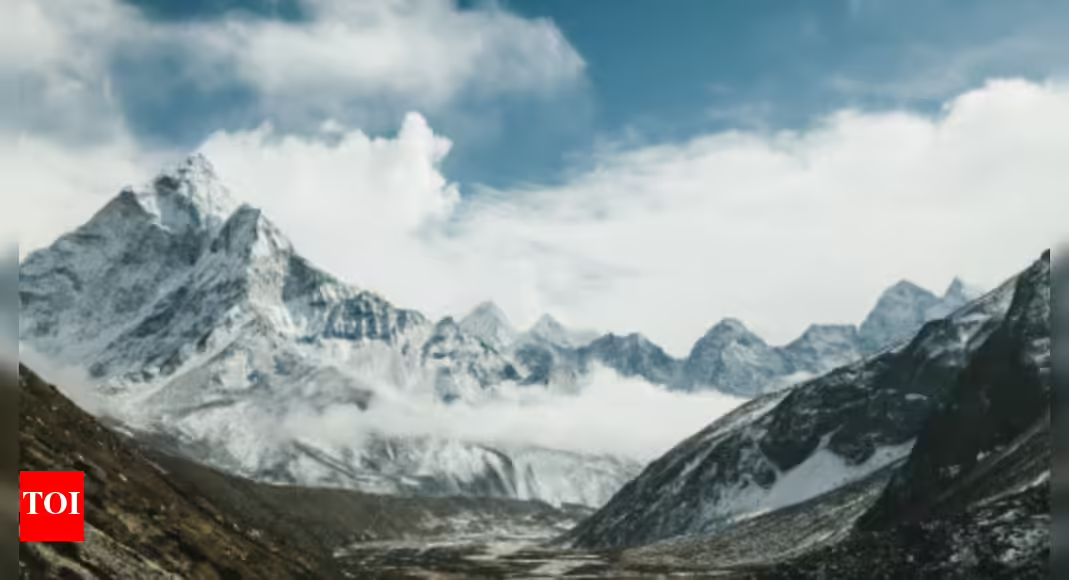
Glacial ice melt in the Himalayas between 2000 and 2020 may be underestimated by approximately 6.5%, and as much as 10% in central Himalayas, as per a new study published in Nature Geoscience. The study found that glacial lakes had increased in number by roughly 47% between 2000 and 2020, resulting in roughly 2.7 gigatonnes of under-water ice loss, adding to the total ice loss numbers.