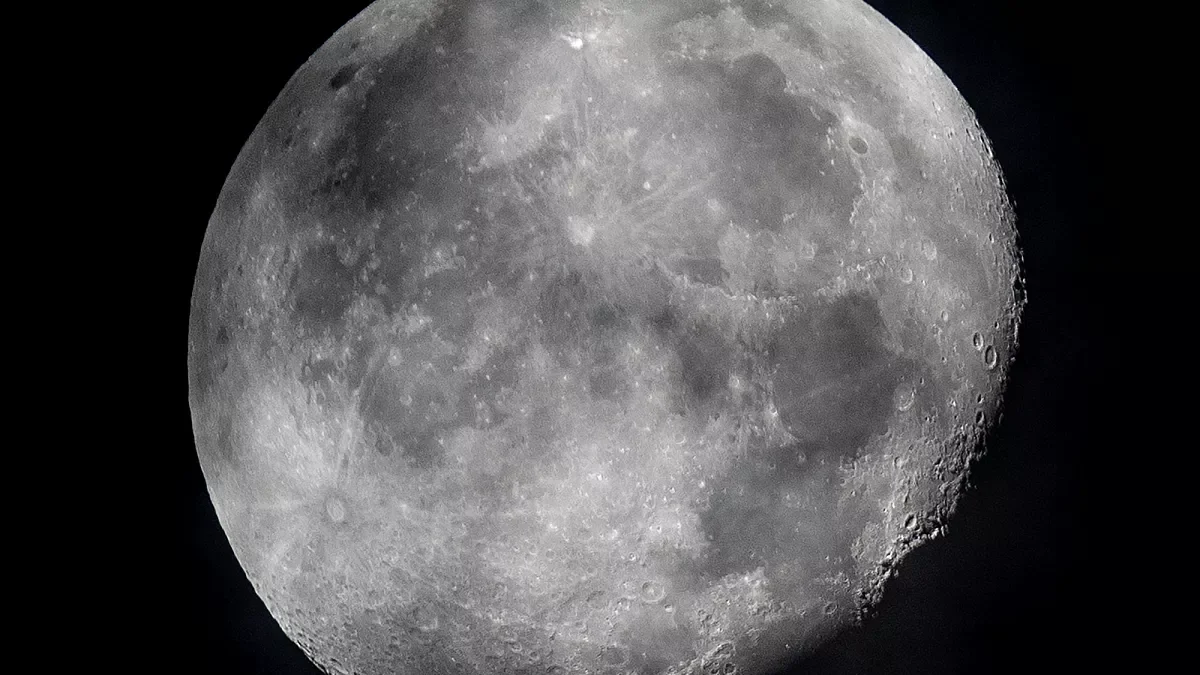
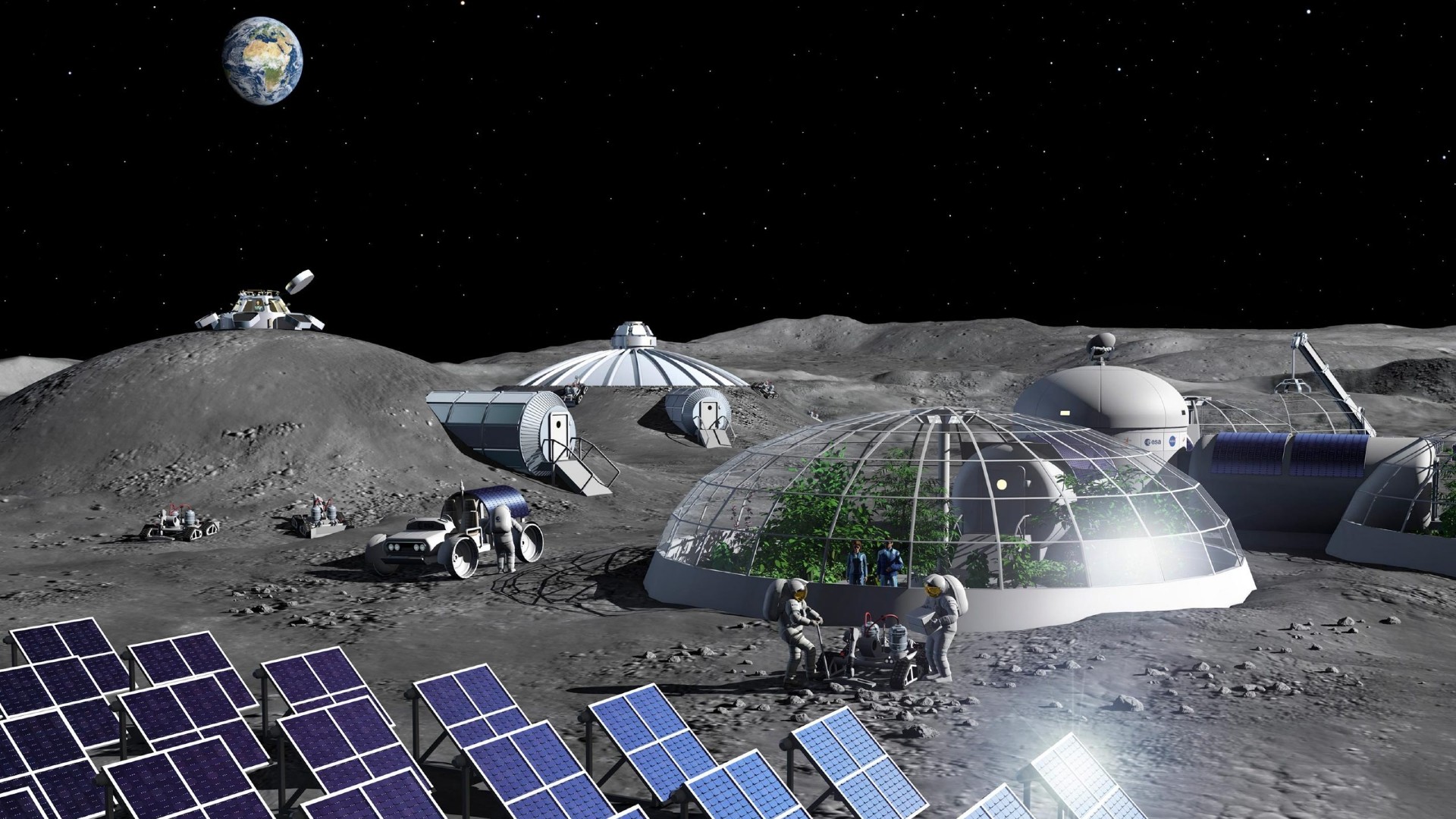
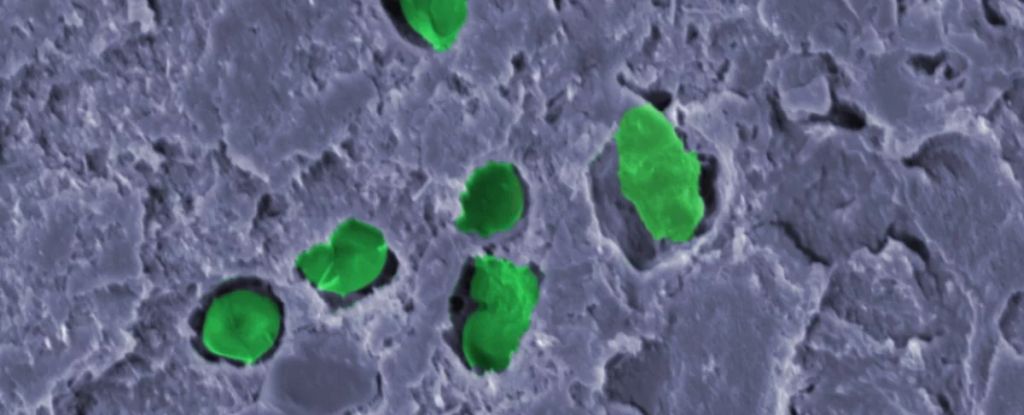
A study suggests lunar soil could be used to extract water and convert CO2 into oxygen and fuel, potentially reducing the costs of moon missions and aiding future space exploration, despite environmental challenges.
Chinese scientists have developed a one-step method to extract water and produce oxygen and methane from lunar soil using sunlight, which could support future lunar bases by reducing the need to transport supplies from Earth, though challenges remain in scaling and environmental conditions.
A study published in Nature Geosciences reveals that metal nodules on the ocean floor release oxygen, challenging the belief that deep-sea oxygen solely originates from surface sources. These nodules, rich in metals like manganese, function like batteries, breaking down water into hydrogen and oxygen. This "dark oxygen" supports deep-sea ecosystems and raises concerns about the environmental impact of mining these nodules for rare metals. The findings prompt a reevaluation of oxygen production processes and the origins of life on Earth.
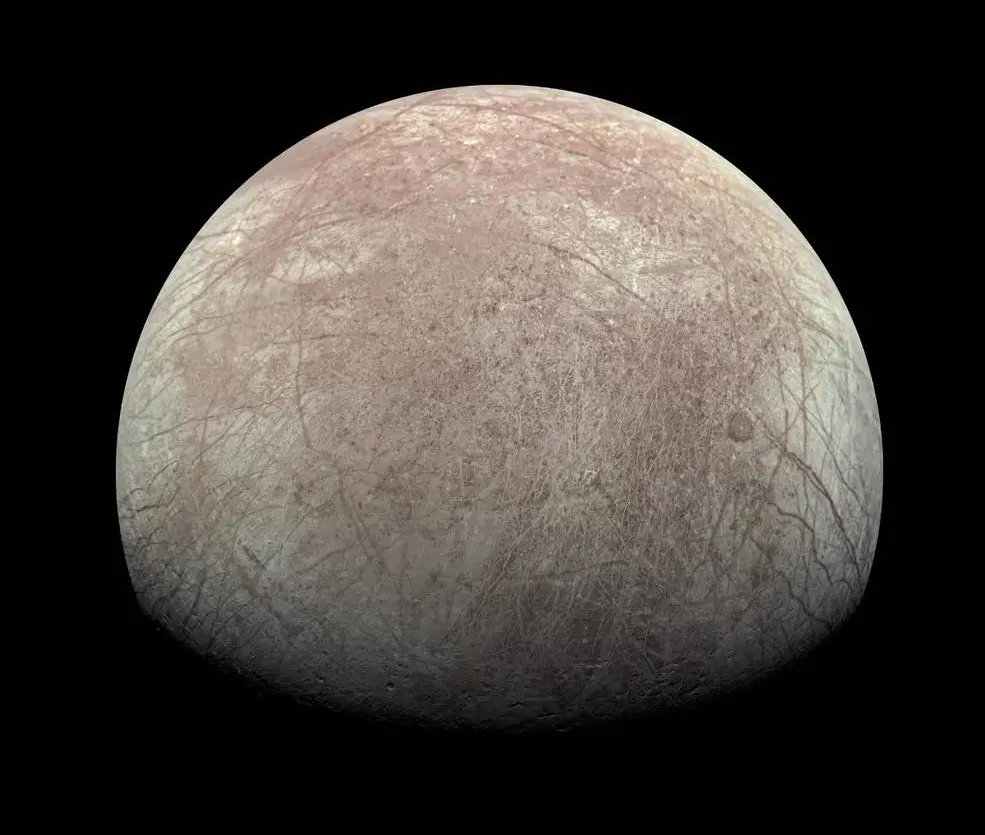
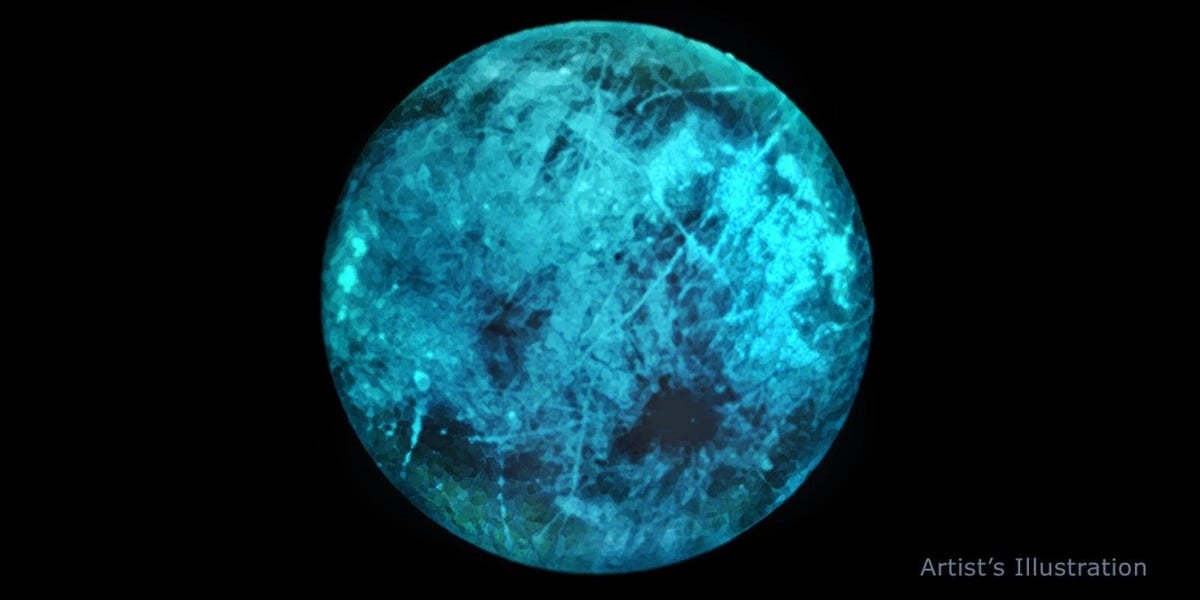
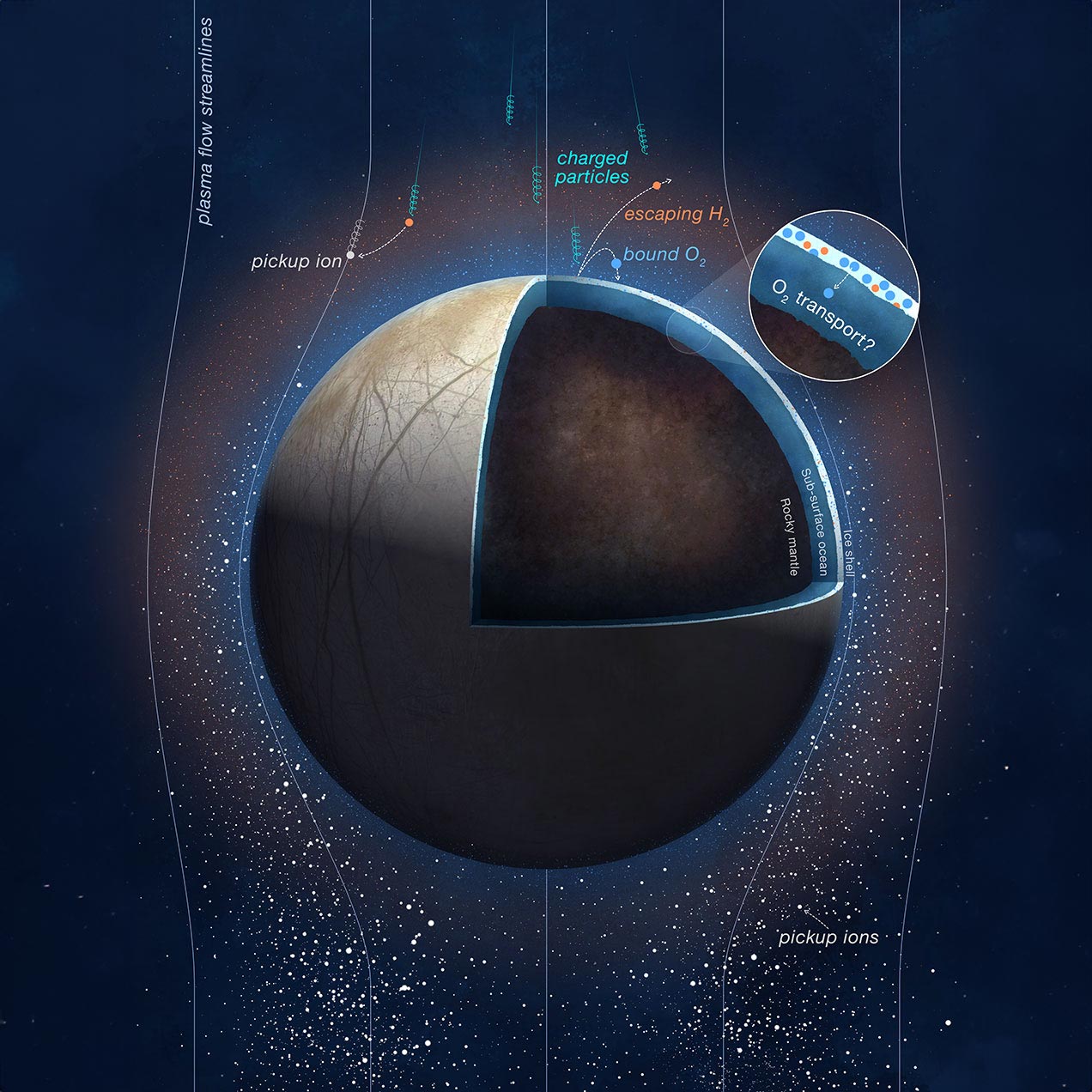
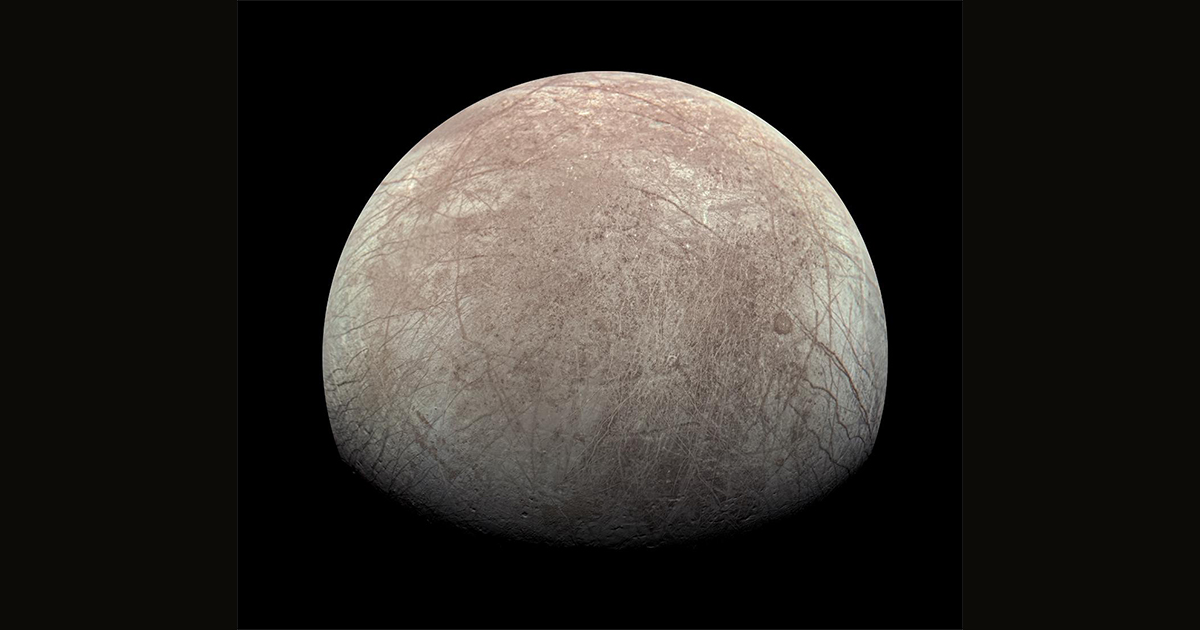
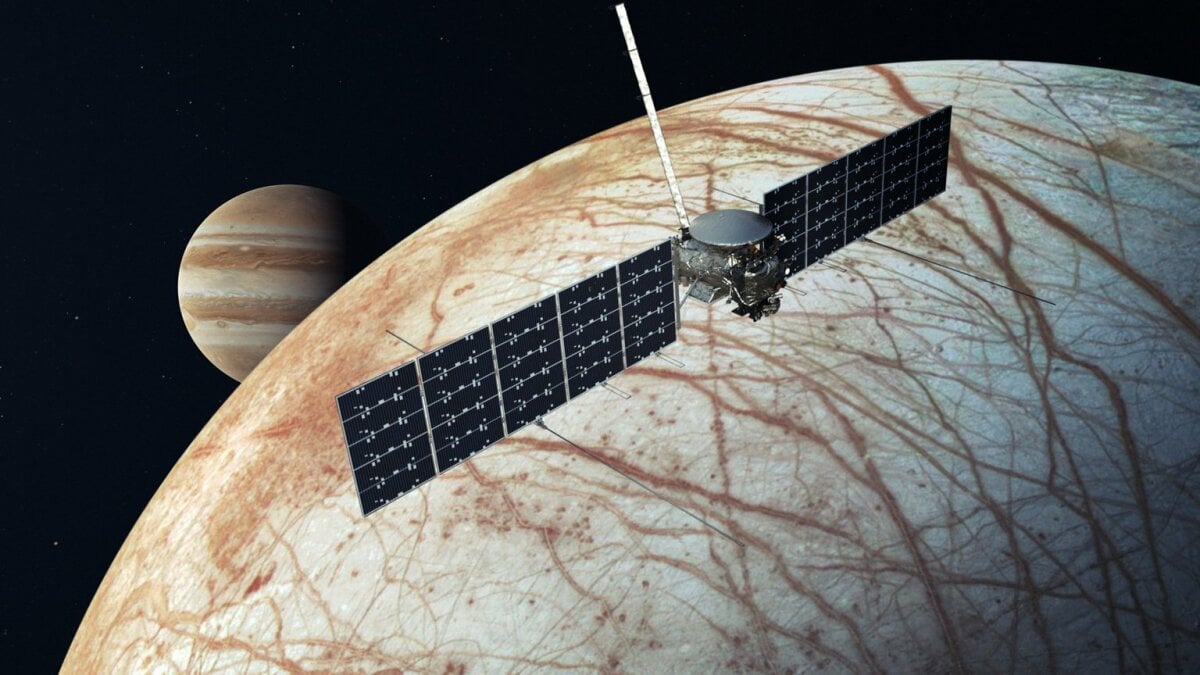
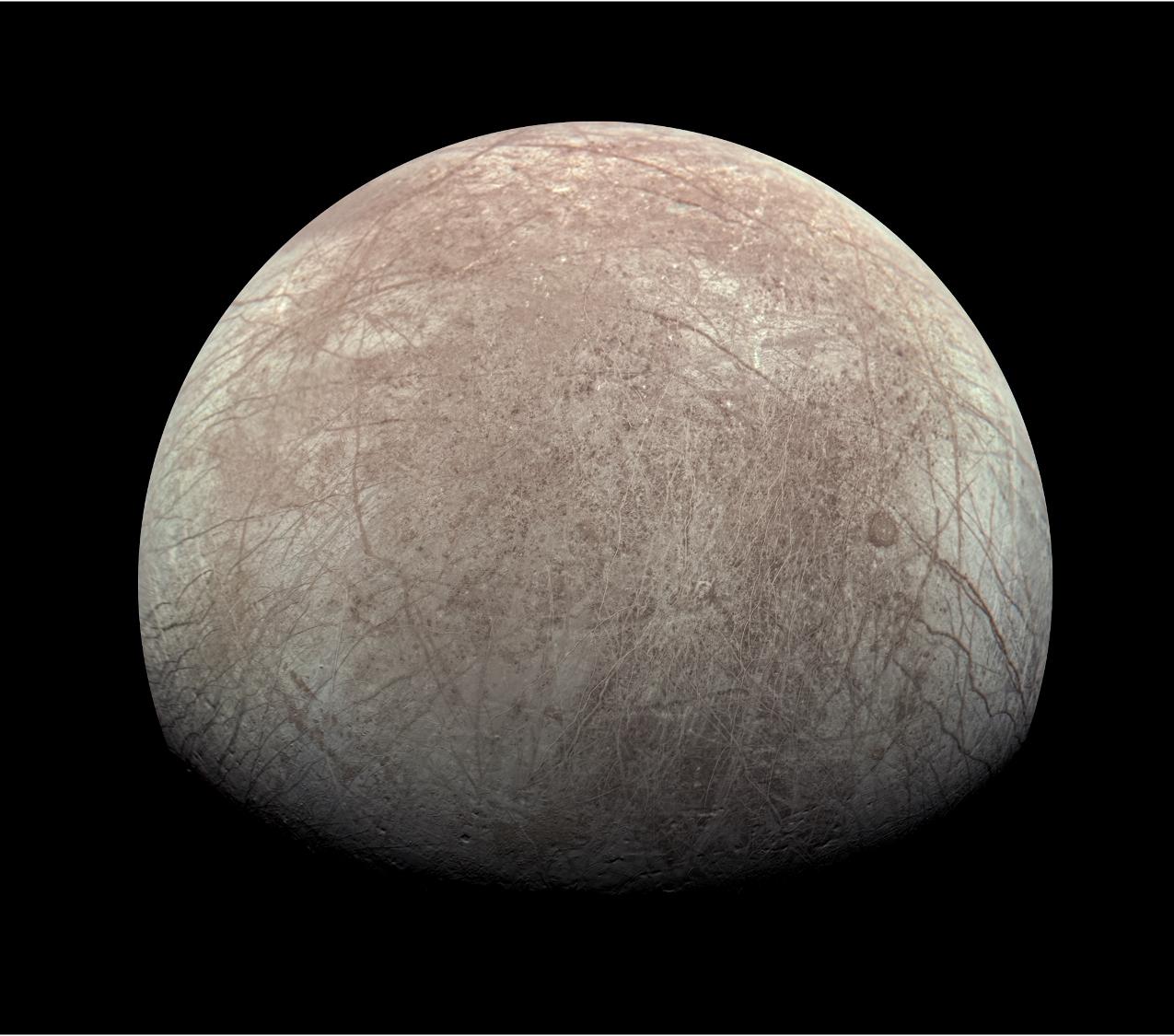
NASA's Juno spacecraft has measured the rate of oxygen production on Jupiter's moon Europa, finding it to be much lower than previously estimated. The observations suggest that charged particles from Jupiter's magnetic field continuously erode Europa's icy surface, producing hydrogen and oxygen. The findings have important implications for future missions to the Jovian system, such as the European Space Agency's Jupiter Icy Moons Explorer (Juice) mission and NASA's upcoming Europa Clipper, which aim to study ocean worlds and their potential to support life.
NASA's Juno mission has found that Jupiter's moon Europa produces 1,000 tons of oxygen every 24 hours, enough to support a million people for a day, but much less than previously thought. This new data may narrow the odds of Europa supporting life in its vast underground ocean, with ongoing missions like Clipper aiming to determine its habitability. The oxygen production on Europa is a result of Jupiter's radiation interacting with frozen water ice on the moon's surface, but it's still unclear how much of it reaches the underground ocean.
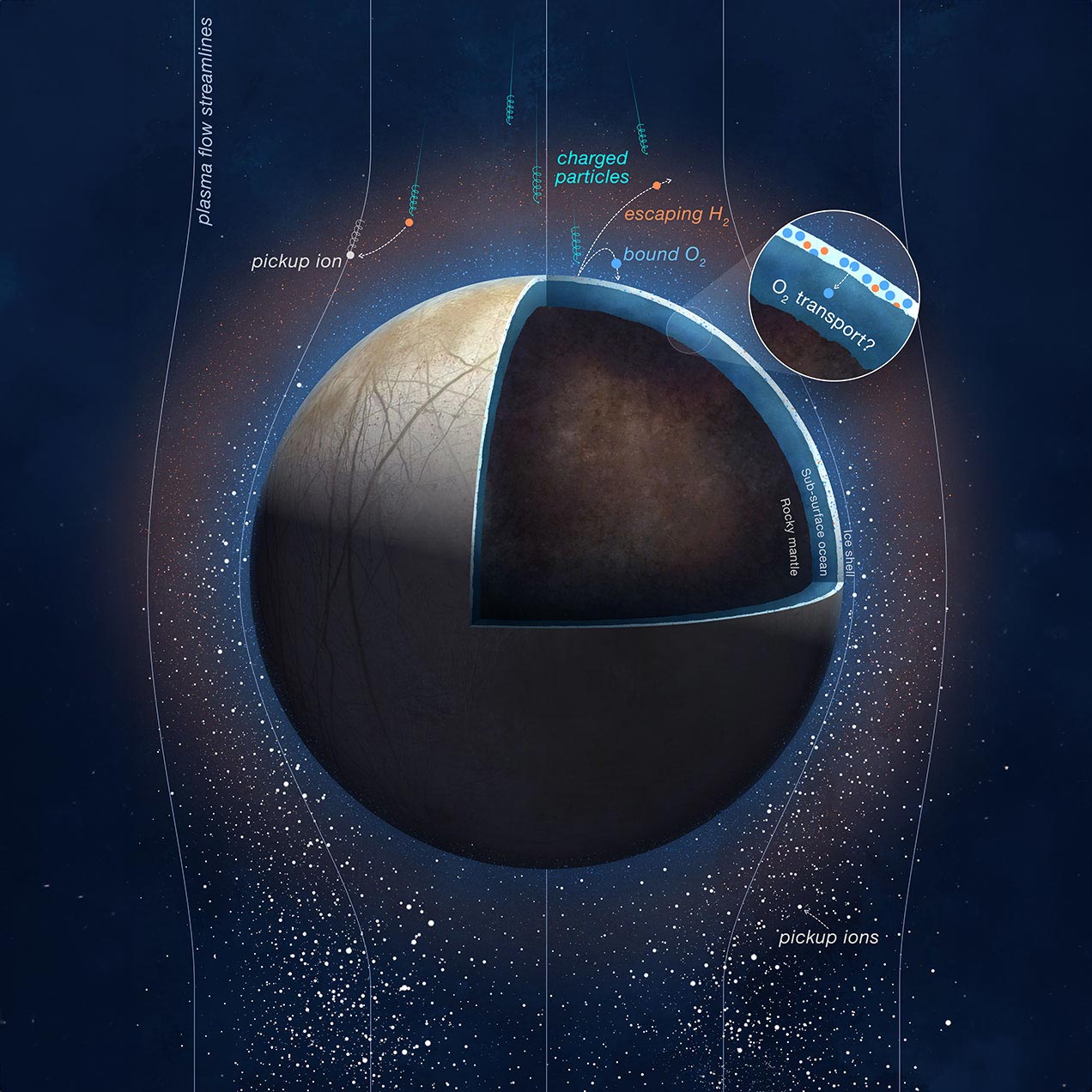
NASA's Juno mission to Jupiter has discovered that Jupiter's moon Europa produces around 26 pounds of oxygen every second, substantially less than previous estimates. This finding was derived by measuring hydrogen outgassing from the moon's surface using data collected by the spacecraft's Jovian Auroral Distributions Experiment (JADE) instrument. Scientists believe that some of the oxygen produced could work its way into Europa's subsurface ocean as a possible source of metabolic energy, raising curiosity about the potential for life-supporting conditions to exist below the moon's surface. Juno's observations provide a tight constraint on the amount of oxygen produced in Europa's icy surface, and this discovery will be further investigated by NASA's Europa Clipper mission when it arrives at Jupiter in 2030.
NASA's Juno spacecraft has revealed surprising findings about the rate of oxygen production at Jupiter's moon Europa, estimating it to be around 26 pounds every second, substantially less than previous studies. This discovery has implications for the potential habitability of Europa, as some of the oxygen produced could work its way into the moon's subsurface ocean as a possible source of metabolic energy. The findings were derived from data collected by Juno's Jovian Auroral Distributions Experiment (JADE) instrument during a close flyby of Europa. The upcoming Europa Clipper mission in 2030 will further investigate Europa's potential for life.
Jupiter's moon Europa is estimated to produce 1,000 tons of oxygen every 24 hours, enough to sustain 1 million humans for a day, but this is significantly less than previously thought. Data from the Juno spacecraft's Jovian Auroral Distributions Experiment (JADE) instrument revealed that Europa is actually producing about 12kg of oxygen per second, challenging previous estimates of 1,000kg per second. Scientists believe some of the oxygen could make its way into Europa's subsurface ocean, making it a promising place to search for habitable conditions beyond Earth. NASA's upcoming Europa Clipper mission in 2030 aims to further study Europa's potential habitability.
NASA's Juno spacecraft has discovered that Jupiter's moon Europa produces around 1,000 tons of oxygen every 24 hours through surface processes, potentially transporting some into its vast ocean. This finding, based on measurements from the JADE instrument, suggests that Europa could harbor conditions suitable for life. NASA plans to launch the Europa Clipper spacecraft in 2024 to further investigate the moon's potential habitability, with arrival expected in 2030.
NASA's Juno mission to Jupiter has measured the rate of oxygen production at the Jovian moon Europa to be around 26 pounds every second, substantially less than previous estimates. The findings, published in Nature Astronomy, were derived from data collected by the spacecraft's Jovian Auroral Distributions Experiment (JADE) instrument. Europa's icy surface is bombarded by charged particles from Jupiter, which split water molecules to generate oxygen, potentially providing a source of metabolic energy for the moon's subsurface ocean. The mission's next target is the volcano-festooned moon Io, with upcoming flybys to gather more data.
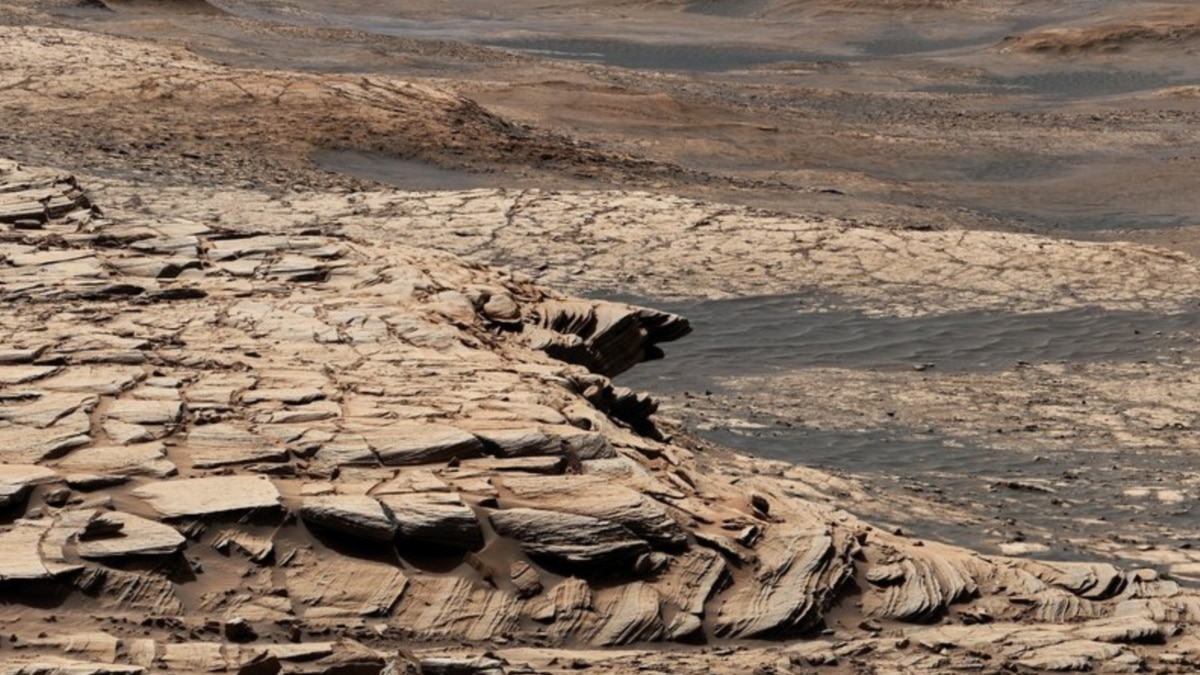
Researchers at the University of Science and Technology of China have developed an AI-equipped robot capable of producing oxygen from Martian materials. The robot, resembling a large box with a robotic arm, analyzed Martian ore and searched through millions of combinations to find an oxygen-evolution reaction catalyst. It can produce 60 grams of oxygen per hour from a single square meter of Martian dirt. The robot's ability to find a path towards any target compound with available materials makes it valuable for synthesizing various catalysts and compounds.
Chinese researchers have developed an AI robot that can produce oxygen from water on Mars. The robot uses chemical reactions to release oxygen from the planet's water supply, potentially providing a way for future space travelers to generate oxygen and rocket fuel on Mars. The system was able to complete the process without human involvement in just two months, a task that would take a human chemist 2000 years. The researchers believe the robot could also be used to produce other useful catalysts on Mars, such as substances to support plant growth for food production.
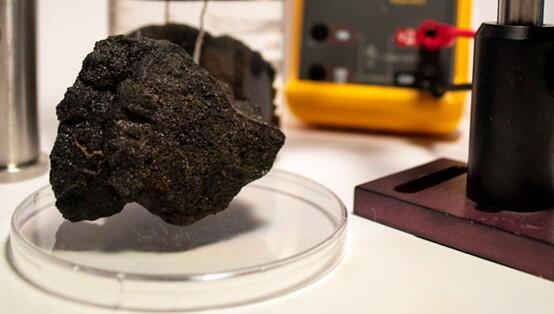
Chinese researchers have developed a robotic space chemist equipped with artificial intelligence and a robotic arm that can create oxygen on Mars using materials from the planet's surface. By analyzing meteorite samples, the machine identified a chemical formula that can cause oxygen to separate from water, a process crucial for sustaining human activity on Mars. This technology could eliminate the need for astronauts to bring oxygen-creating supplies from Earth and could be expanded to produce other chemicals and even plant fertilizer.
An AI chemist has made a significant breakthrough in oxygen production on Mars by identifying an efficient catalyst using material present on the Red Planet. By analyzing the composition of Martian meteorites, the algorithm determined the molecules that could be used to create oxygen evolution reaction (OER) catalysts. The resulting catalyst demonstrated excellent performance, operating steadily for over 550,000 seconds and showing no degradation at below-freezing temperatures. This development brings us one step closer to establishing an oxygen factory on Mars and achieving the dream of human colonization. The AI chemist's success opens up possibilities for applying its capabilities to other chemical discovery challenges on Earth.
Scientists have developed a biocoating, called Green Living Paint, that incorporates desert-dwelling bacteria, Chroococcidiopsis cubana, capable of emitting measurable amounts of oxygen while reducing carbon dioxide levels. The bacteria, known for its ability to survive in extreme environments, could potentially be used to supplement the air in a habitat on Mars. The biocoating, made with a mixture of latex and nanoclay particles, demonstrated consistent oxygen release and CO2 absorption over a 30-day period. While the current oxygen output is not sufficient for a Mars habitat, it could help reduce the amount of oxygen needed to be transported on spacecraft for future missions.