A study analyzing DNA from Napoleon's 1812 army soldiers' teeth revealed that enteric fever and relapsing fever, caused by Salmonella enterica and Borrelia recurrentis respectively, likely contributed to their demise, challenging previous assumptions that typhus was the main cause.
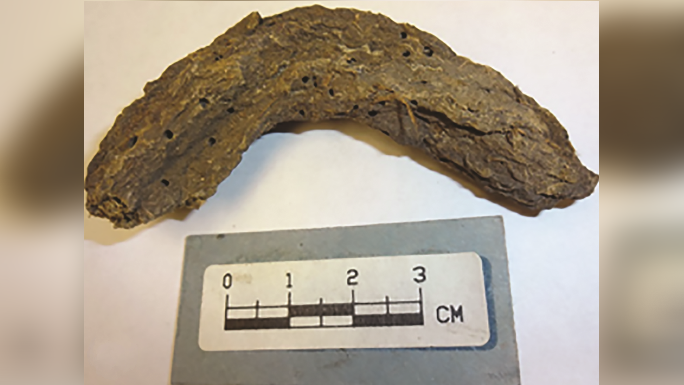
Scientists analyzing 1,300-year-old feces from Mexico's Cave of the Dead Children found evidence of various intestinal pathogens, including E. coli, Shigella, and Giardia, indicating poor sanitation and disease exposure among prehistoric people of the Loma San Gabriel culture.
A recent study has identified additional pathogens in semen that are capable of being transmitted sexually, expanding the understanding of potential risks associated with sexual activity. This research highlights the importance of further investigation into sexually transmitted infections and their prevention.
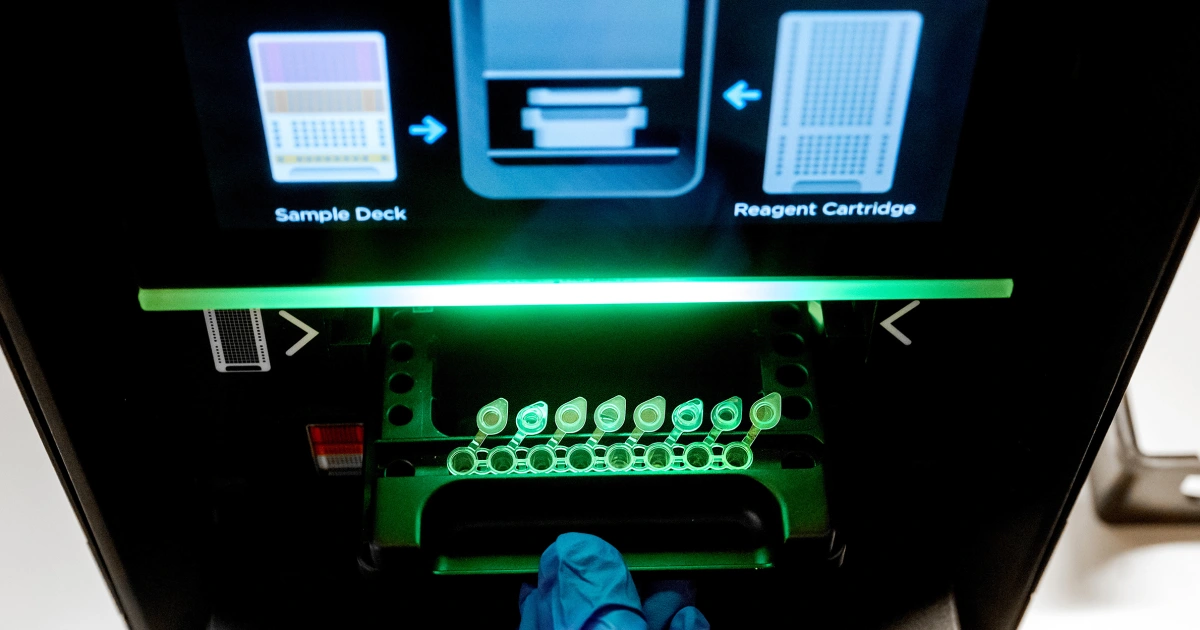
A new diagnostic test developed at UCSF uses DNA sequencing to identify a wide range of pathogens causing illnesses, particularly effective in diagnosing neurological infections like meningitis. Although not FDA-approved and costly, it has shown promise in cases where traditional tests fail. The test, which has a 'breakthrough device' designation, could potentially detect novel viruses and aid in diagnosing complex infections, but its complexity and cost limit widespread use. Researchers aim to reduce costs and improve accessibility for broader hospital use.
A new report from the US Bipartisan Commission on Biosecurity urges immediate action to address biological threats from space exploration, highlighting the risks of extraterrestrial pathogens and the impact of space travel on human immune systems. The report calls for NASA to establish a Planetary Biodefense Board and enhance containment protocols to prevent the spread of potentially dangerous microbes. While some experts believe the risks are low, the Commission stresses the need for proactive measures as space travel becomes more routine.
Scientists have discovered 50,000-year-old viruses in Neanderthal bones, including adenovirus, herpesvirus, and papillomavirus, which still affect humans today. This groundbreaking research suggests that deadly infectious diseases carried by Homo sapiens may have contributed to the extinction of Neanderthals, challenging the long-held belief that superior cognitive abilities were the primary reason for Homo sapiens' dominance. The study highlights the profound impact of pathogens on human history and evolution.
The World Health Organization, in collaboration with major public health agencies and experts, has introduced updated terminology for pathogens that transmit through the air, including those causing respiratory infections like COVID-19 and influenza. The new descriptors aim to provide a common language for discussing the transmission of infectious respiratory particles and include terms such as "infectious respiratory particles" and "airborne transmission." This effort addresses the need for consistent terminology across scientific disciplines and will guide research agendas and public health interventions.
The World Health Organization (W.H.O.) has broadened its classification of how pathogens spread through the air, updating its formal guidelines for classifying the ways that diseases spread. The new report suggests broader categories that do not rely on droplet size or distance spread, potentially leading to more diseases demanding costly control measures. This change comes after a drawn-out global controversy over the classification of Covid-19 as an airborne disease, with the W.H.O. finally acknowledging it in late 2021.
NHS doctor Karan Raj warns that flushing the toilet with the lid open can create a "raging sewage volcano" of pathogens, including E Coli, adenovirus, and norovirus, which can spread onto items like towels and toothbrushes. Research shows that closing the toilet seat can reduce the spread of airborne particles by 30-60%, emphasizing the importance of this simple adjustment in bathroom habits for overall hygiene and health safety.
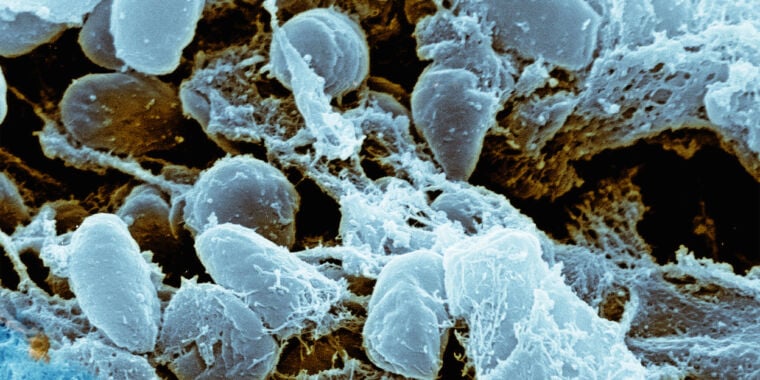
Researchers have discovered that the insect pathogen Yersinia entomophaga uses a unique lytic secretion system to release its large-molecule toxin, YenTc, into its host. This mechanism involves designated "soldier cells" sacrificing themselves and exploding to deploy the poison inside their victim. The study sheds light on how certain bacteria engage in kamikaze chemical warfare, and the findings could potentially lead to the development of treatments targeting similar mechanisms in human pathogens.
The Duke University School of Medicine has temporarily suspended operations at an anatomy training lab after 13 cadavers tested positive for pathogens between 2019 and 2023, in violation of procedures. The school reported low risk to workers due to the use of personal protective equipment and no known infections, but is testing approximately 700 people who may have worked in the lab for Hepatitis B, Hepatitis C, syphilis, and HIV. The lab will reopen once safety protocols are assured.
Earthly bacteria brought to Mars by humans could potentially thrive in the Martian environment, posing a significant threat to future human colonization efforts. A study found that certain bacteria, including pathogens known to cause infections in humans, were able to survive and even grow in simulated Martian conditions. The presence of these bacteria could lead to serious health risks for astronauts, highlighting the need for strict protocols to prevent the spread of pathogens in space exploration missions.
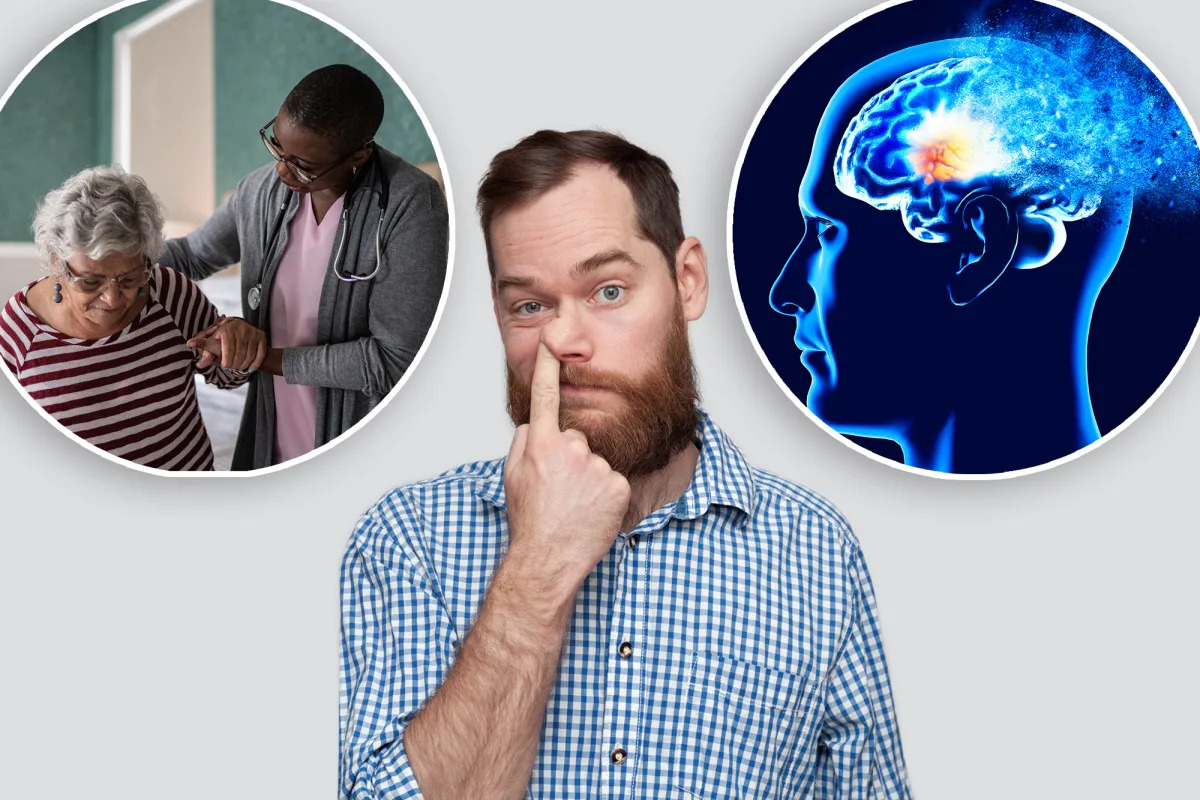
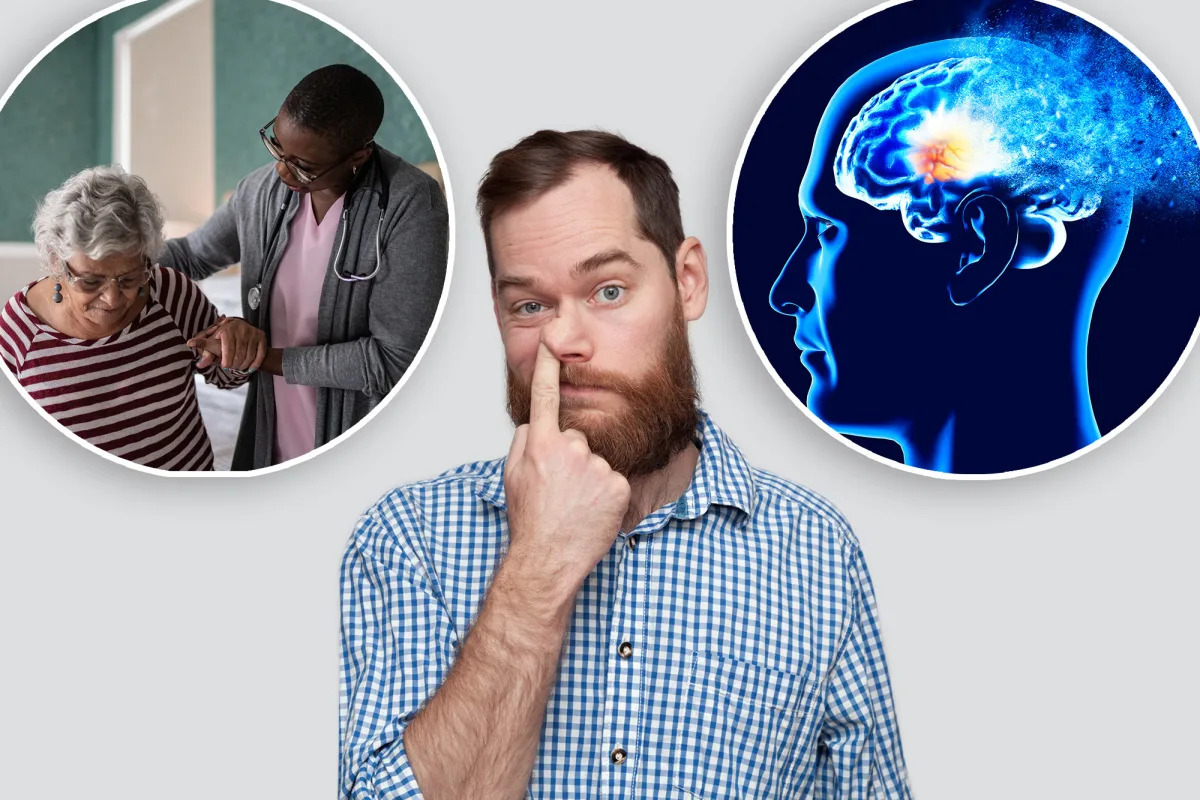
A review of studies suggests that chronic nose-picking may introduce germs into the nasal cavity, leading to inflammation in the brain and potentially increasing the risk of developing Alzheimer's disease. The report, published in the journal Biomolecules, highlights the potential role of pathogens entering the brain through the nose and the olfactory system in causing neuroinflammation associated with Alzheimer's. Researchers emphasize the importance of hand hygiene and urge people to refrain from nose-picking to reduce the risk of chronic, mild brain infections that may contribute to neurodegenerative diseases.
A review of studies suggests that chronic nose-picking may introduce pathogens into the nasal cavity, leading to neuroinflammation and an increased risk of developing Alzheimer's disease. The report, published in the journal Biomolecules, highlights the potential link between nasal germs and brain infections that contribute to neurodegenerative diseases. Researchers emphasize the importance of hand hygiene and urge people to refrain from nose-picking to reduce the risk of such infections.
A review of studies suggests that chronic nose-picking may introduce pathogens into the nasal cavity, leading to neuroinflammation and potentially increasing the risk of developing Alzheimer's disease. The report highlights the importance of hand hygiene and refraining from nose-picking to prevent the potential spread of germs that could contribute to neurological diseases.