Scientists analyzed ancient DNA from soldiers of Napoleon's 1812 Russian campaign and found traces of pathogens causing paratyphoid fever and relapsing fever, suggesting infectious diseases significantly contributed to the disastrous retreat and defeat.
A study analyzing DNA from Napoleon's 1812 army soldiers' teeth revealed that enteric fever and relapsing fever, caused by Salmonella enterica and Borrelia recurrentis respectively, likely contributed to their demise, challenging previous assumptions that typhus was the main cause.
Dr. Peter Hotez, a pro-lockdown virologist, warns that the Trump administration will face multiple infectious disease threats, including a mystery respiratory virus in Congo that has killed nearly 150 people. The outbreak in Congo, affecting mostly teenagers, has prompted a 'maximum alert' and the involvement of UN health officials. Hotez highlights the risks of emerging diseases like bird flu, measles, and whooping cough in the U.S., exacerbated by declining vaccination rates, and urges against cutting disease research funding. The Trump administration's stance on health funding and vaccine skepticism is also noted.
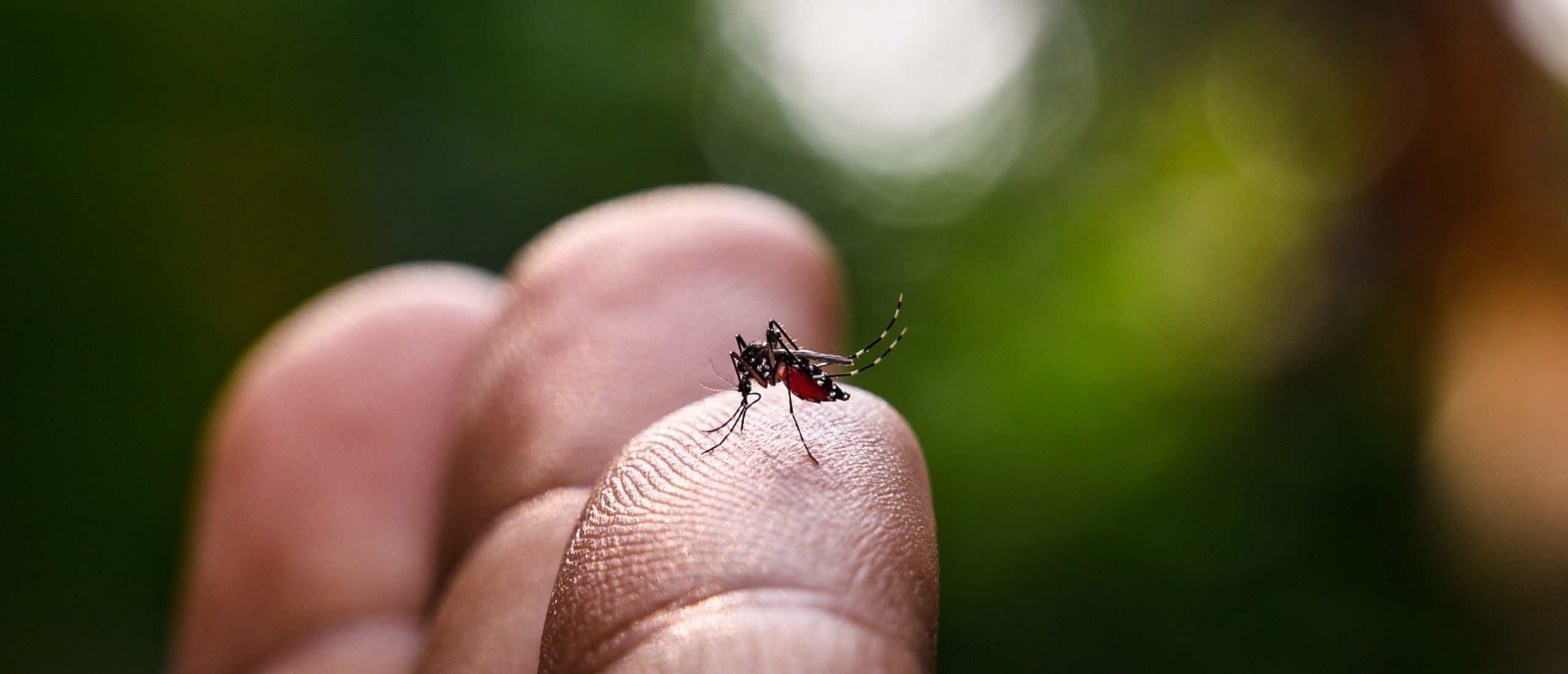
A new warning has been issued about the Oropouche virus, also known as 'sloth fever', after it was transmitted from a pregnant woman to her unborn child, resulting in a stillbirth. The virus, which has spread beyond its usual South American range to Europe and the US, is primarily transmitted by biting insects and has no vaccine or specific treatment. It can cause severe symptoms and potentially fatal outcomes, particularly in pregnancy. Experts emphasize the need for caution in endemic areas and highlight the virus's growing efficiency in infecting humans, possibly exacerbated by climate change.
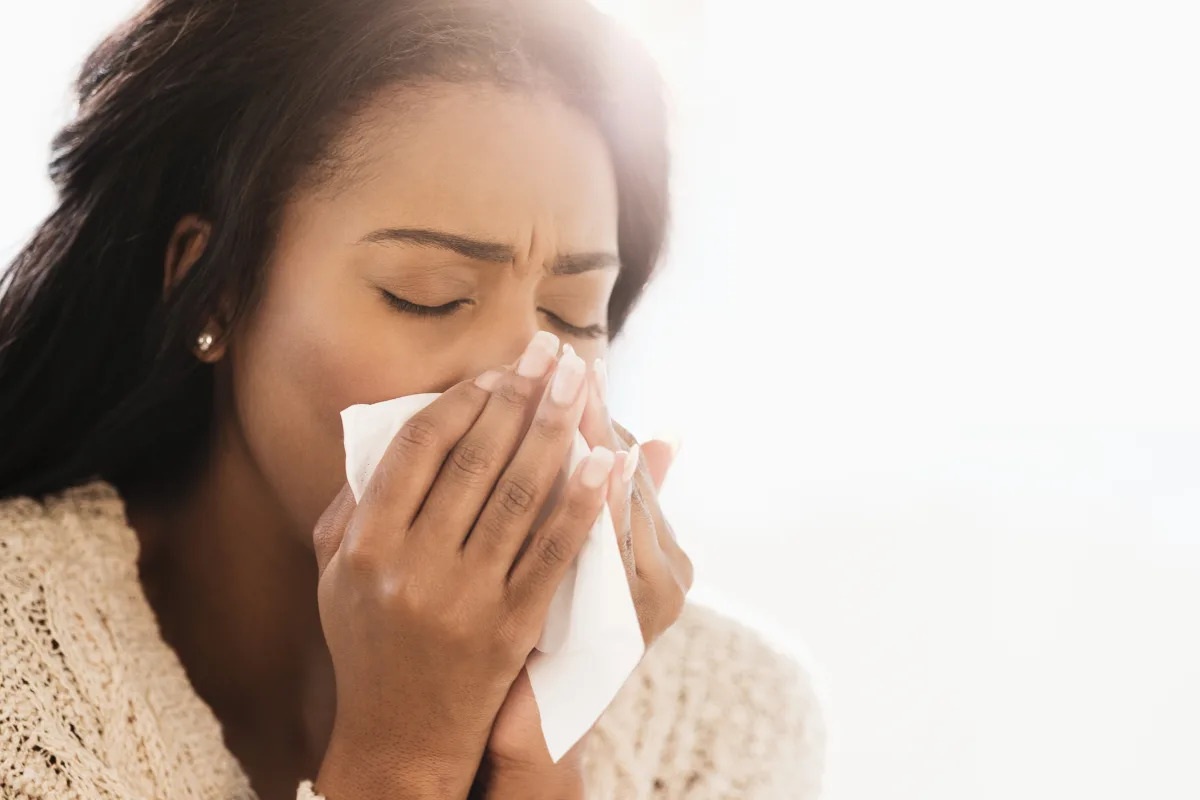
Doctors are advising voters to wear face masks and take precautions at polling stations due to a rise in 'walking pneumonia' cases, alongside flu and Covid risks. Experts recommend wearing masks, maintaining social distance, and sanitizing voting equipment to prevent disease spread, especially for high-risk groups. Despite low current flu and Covid activity, there is a notable increase in walking pneumonia, particularly among children. Mask mandates, previously common during the Covid pandemic, have shown mixed effectiveness in reducing infections.
Long COVID, long flu, and long cold refer to lingering symptoms that persist for more than three months after the initial respiratory infection. While long COVID has been recognized for some time, the concept of long flu and long cold has only recently been identified, with symptoms including a lingering cough, trouble sleeping, and issues with taste and smell. There is no set treatment plan for these long-term illnesses, and they are managed by treating symptoms. Experts recommend seeing a doctor if symptoms persist beyond three months to rule out secondary infections and to receive proper evaluation and care.
The year 2023 was marked by a series of alarming medical stories, including widespread food-borne illnesses like norovirus, listeria, and salmonella, as well as significant increases in sexually transmitted diseases such as syphilis. Global health concerns were heightened by outbreaks of dengue fever, Nipah virus, and the Marburg virus. Additionally, the thawing of permafrost has led to concerns about "time-traveling" pathogens, and instances of leprosy have re-emerged. These events underscore the ongoing challenges in public health and disease prevention.
Experts suggest that while public bathrooms are hot spots for germs due to high traffic and the variety of microbes people carry, the health risks are minimal if proper hygiene is practiced. Key precautions include minimizing contact with high-touch surfaces, thorough hand washing, and not touching your face. Using toilet seat protectors or disinfectant wipes can offer additional safety, but the risk of infection from surfaces like toilet seats is generally low, especially if the skin is intact. The likelihood of contracting respiratory viruses like COVID-19 in a public bathroom is also low due to the short duration of exposure.
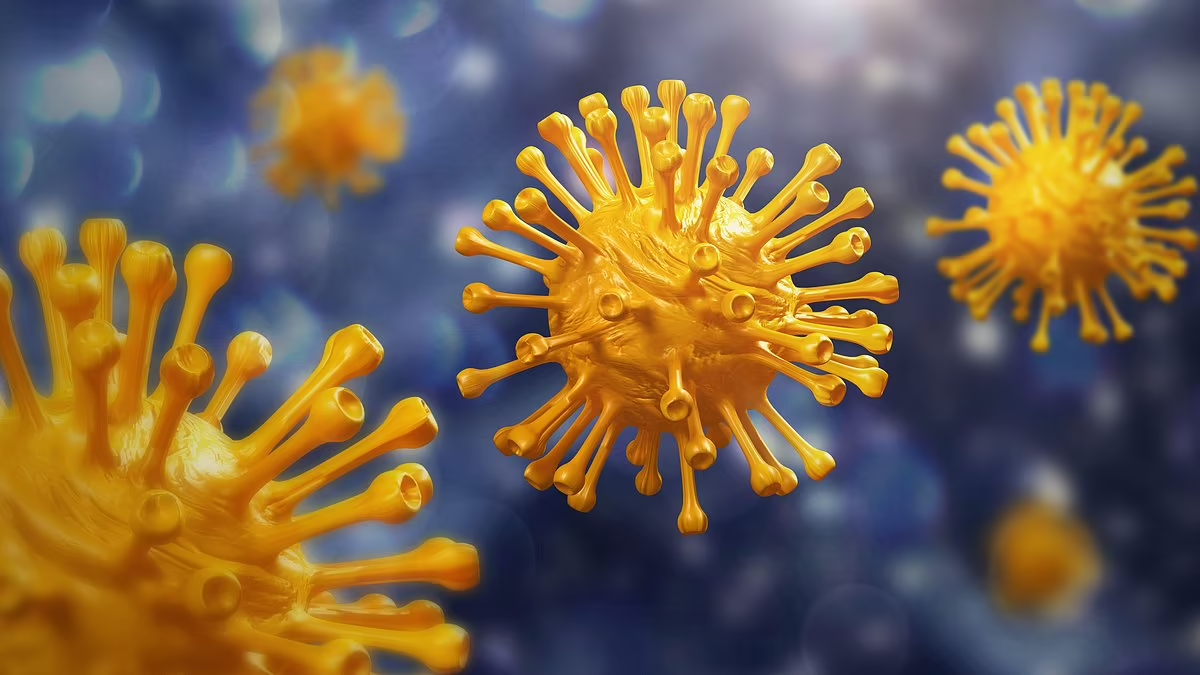
Climate change is causing permafrost to melt, revealing ancient "zombie viruses" that have been perfectly preserved for thousands of years. These long-dormant microbes still possess the potential to infect and spread. As global warming accelerates, the permafrost is thawing increasingly fast, along with the potential for zombie viruses to become infectious again. While these zombie viruses may not pose an immediate threat, their re-emergence is a stark reminder of the potential health risks associated with climate change.