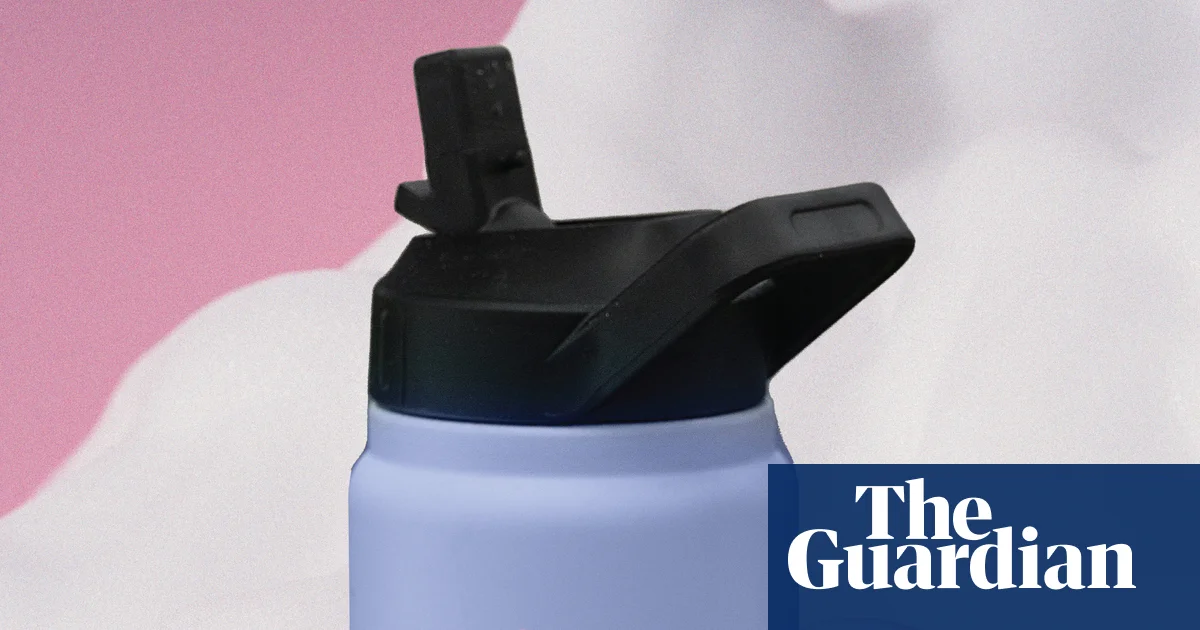
Reusable water bottles can harbor bacteria, viruses, and biofilm if not cleaned properly. Experts recommend washing bottles daily with soap or a diluted bleach solution, cleaning all parts including lids and straws, and drying thoroughly to prevent microbial growth. Using hot water and avoiding antimicrobial soaps are advised, and choosing metal or glass bottles can inhibit bacterial development. Regular cleaning is essential, especially after illness, to prevent reinfection and maintain hygiene.
AIIMS-trained neurologist Dr. Priyanka Sehrawat warns that consuming gol gappa from unhygienic sources can lead to serious infections like Hepatitis A, especially in children, and advises caution and awareness of symptoms such as jaundice and fever. She emphasizes the importance of food safety and hygiene, particularly during outdoor gatherings, to prevent health risks associated with contaminated street food.
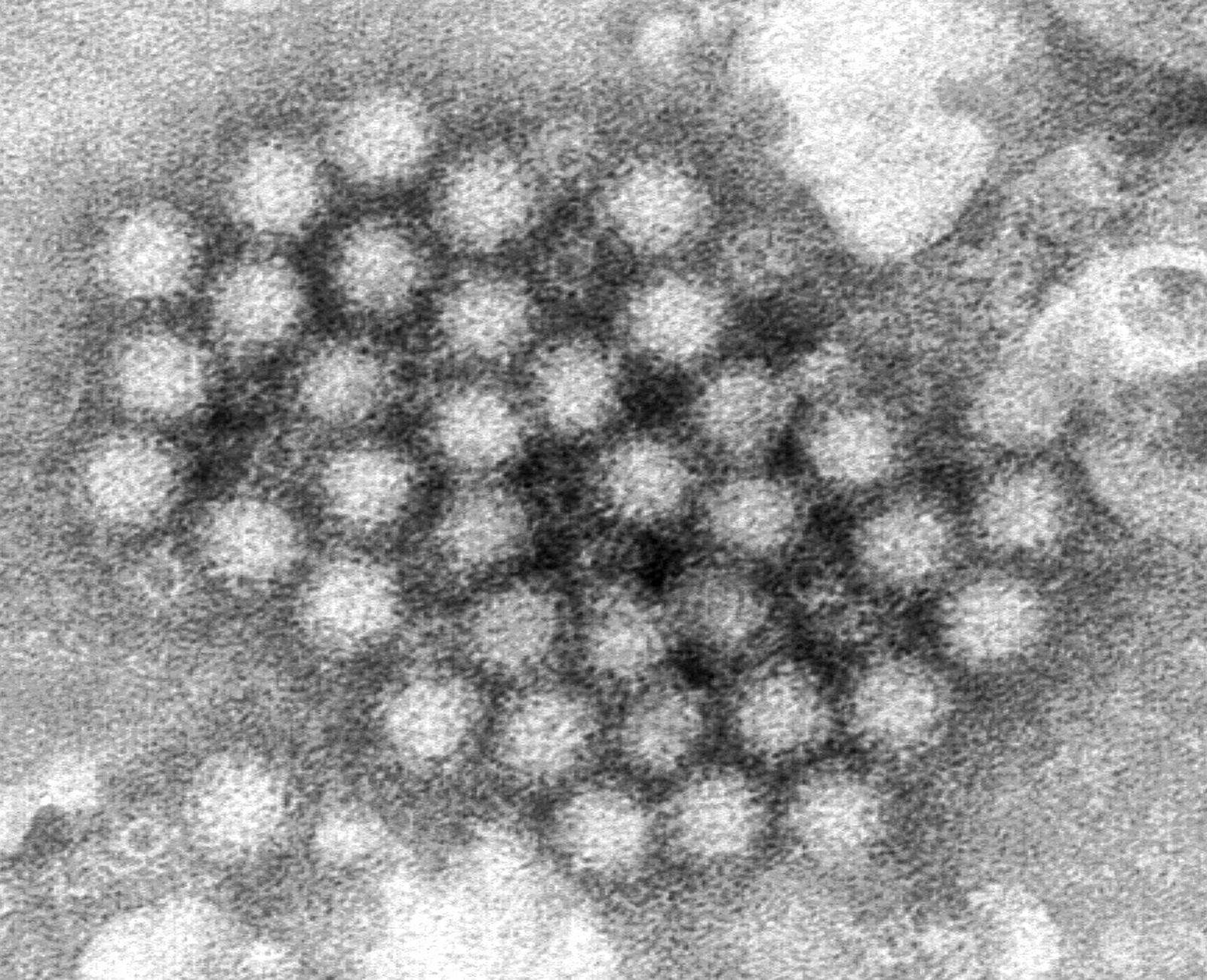
A gastrointestinal illness outbreak at Central Elementary School in Haddonfield, South Jersey, has prompted public health warnings as symptoms like nausea and vomiting spread among students. Experts emphasize the importance of good hygiene, especially during the winter holidays, to prevent further infections, which are often caused by norovirus and can be highly contagious. Precautions include thorough handwashing, cleaning surfaces with effective disinfectants, and staying home until symptom-free for 48 hours to avoid spreading the illness.
Meghan Markle faced criticism from fans and Reddit users for her unhygienic Thanksgiving cooking video, where she was accused of poor kitchen practices and handling raw turkey improperly, despite her efforts to host and volunteer during the holiday.
A study links 20% of urinary tract infections to foodborne E. coli from raw meat, especially poultry, highlighting the importance of proper kitchen hygiene and food safety practices to prevent infections, with a higher risk observed in low-income areas.
A urologist shares five key tips for maintaining a healthy penis: regular exercise to improve blood flow, good hygiene practices, taking pride in one's penis, monitoring urine color for health issues, and ensuring adequate sleep to support testosterone levels and overall well-being.
The article highlights simple morning rituals to support liver health, including staying active, eating blueberries, drinking black coffee, snacking on nuts, and practicing good hygiene to prevent infections like hepatitis, all of which can help reduce the risk of liver diseases such as NAFLD and improve overall liver function.
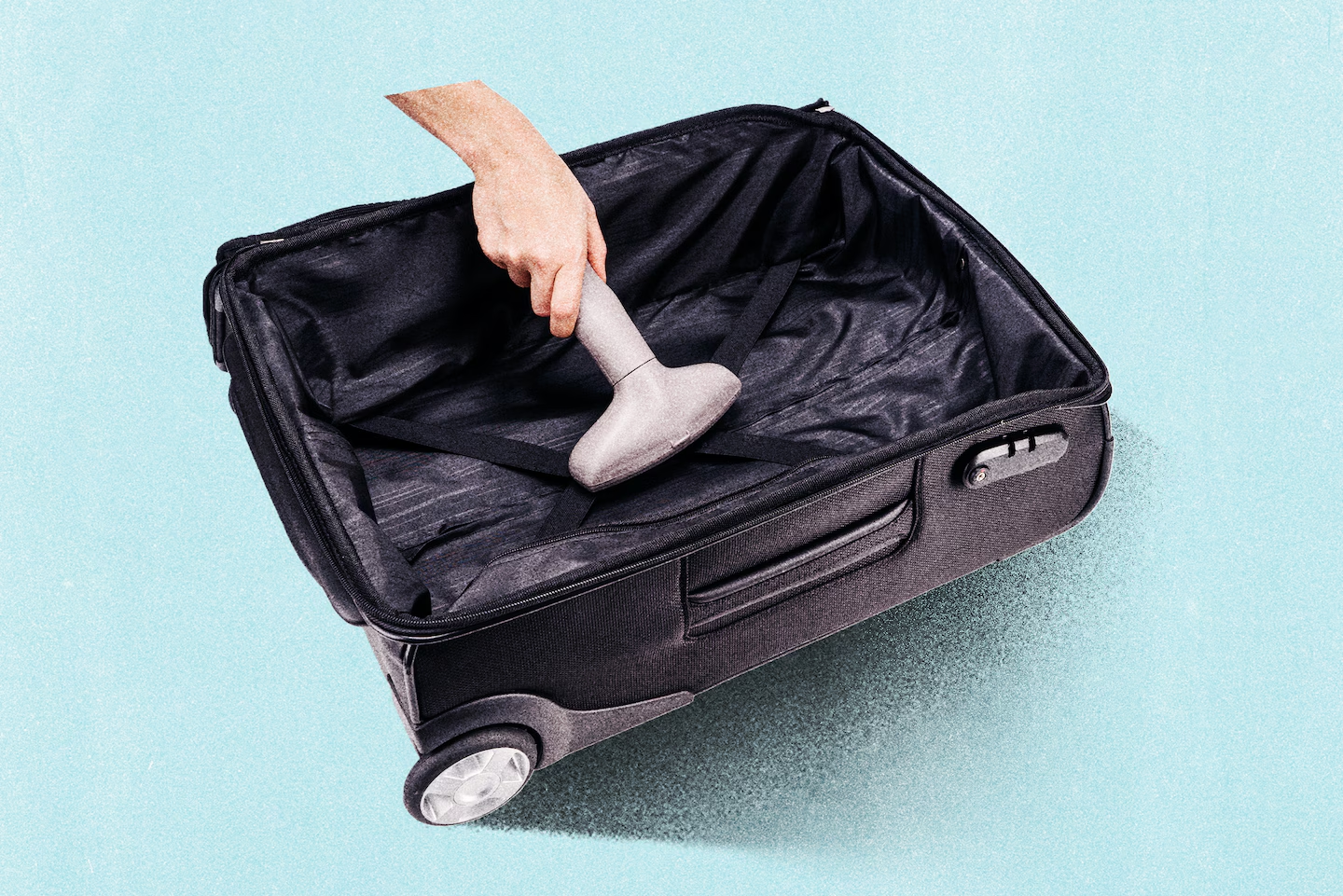
Natalie Exum emphasizes the importance of cleaning travel gear, especially suitcase wheels, which can harbor dirt and germs from various travel environments, highlighting the need for proper hygiene practices for travelers.
A study found that using smartphones on the toilet increases the risk of hemorrhoids by 46%, likely due to longer sitting times and associated sedentary behavior, raising concerns about hygiene and health implications of phone use during bathroom breaks.
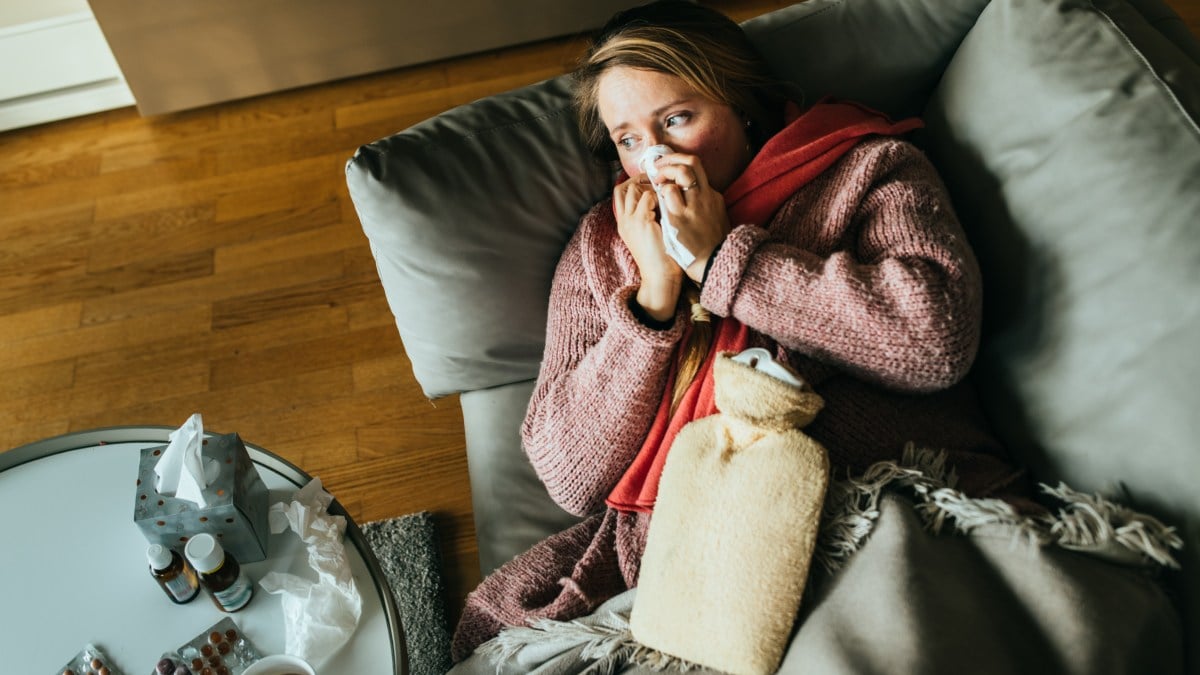
During cold and flu season, it's crucial to avoid behaviors like neglecting rest, going out while sick, skipping hand-washing, ignoring vaccination, and not wearing masks when necessary, as these can increase the risk of spreading illness and complicate recovery. Instead, prioritize rest, stay home when sick, practice good hygiene, get vaccinated, and wear masks to protect yourself and others.
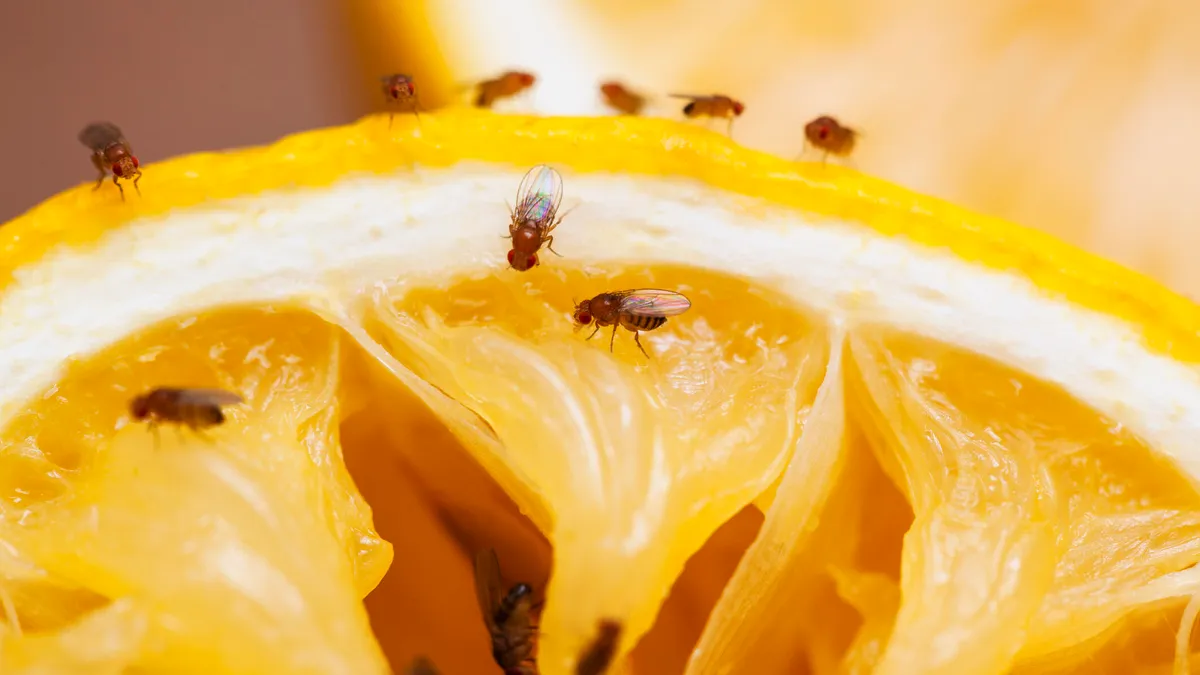
A pest expert explains that fruit flies are attracted to fermented and sugary foods and liquids, and offers simple prevention tips such as frequent garbage disposal, cleaning, and proper storage of produce. To eliminate existing infestations, a vinegar and dish soap trap can be effective. Maintaining cleanliness and reducing moisture are key to preventing these pests in the kitchen.
The article offers 12 practical tips to boost immunity during winter, including maintaining regular exercise, practicing good hygiene, getting flu and RSV vaccines, managing diet and alcohol intake, and ensuring proper sleep and mental health to prevent seasonal illnesses.
Hotel lobbies contain many contaminated surfaces like elevator buttons and check-in counters that can spread germs such as viruses and bacteria. To reduce infection risk, it is recommended to use hand sanitizer, wash hands thoroughly, and avoid touching the face after contact with high-touch areas. Proper cleaning and personal hygiene are key to preventing illness from common hotel germs.
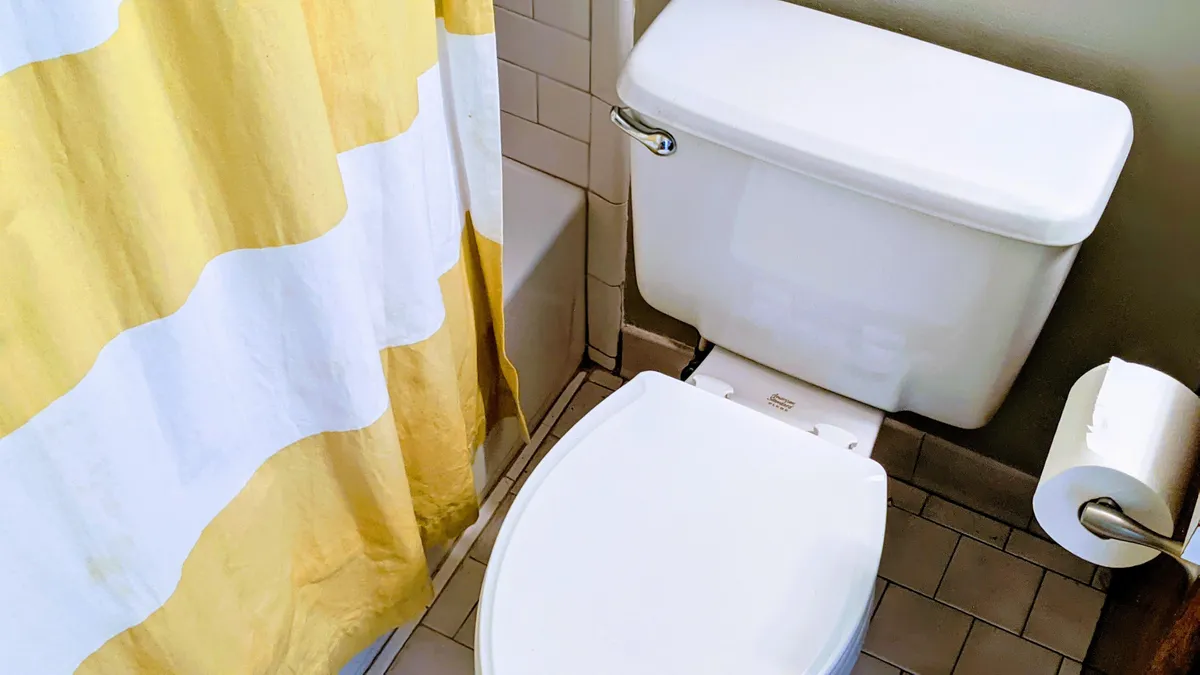
The risk of catching diseases from sitting on toilet seats is extremely low, as most pathogens like STDs and bloodborne viruses do not survive long outside the body. While some viruses like HPV can persist on surfaces for up to a week, transmission typically requires direct skin contact or compromised skin. Good hygiene practices, such as washing hands thoroughly and avoiding touching your face, are more effective than covering seats or squatting. Overall, public and home toilets are generally cleaner than people assume, and maintaining proper hygiene is the best way to prevent illness.
Phones can harbor many germs and should be cleaned regularly to prevent health risks, but using harsh chemicals can damage the device. Experts recommend using 70% isopropyl alcohol wipes and soft cloths, avoiding sprays and abrasive cleaners, and cleaning at least weekly, especially in high-risk environments, to maintain hygiene without damaging the phone.