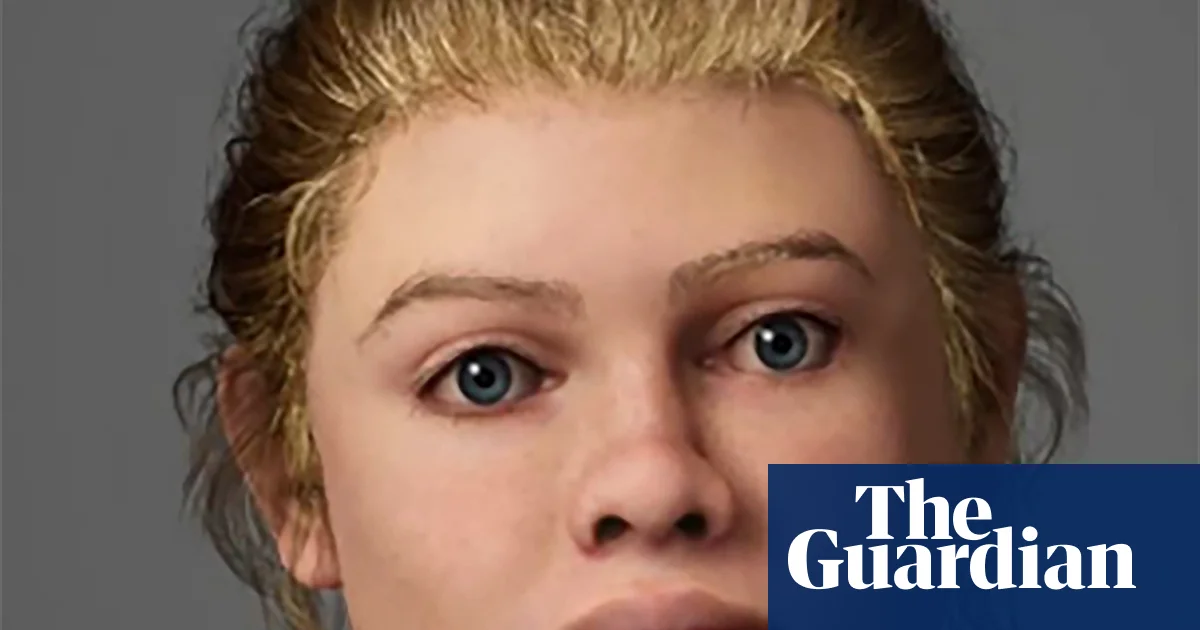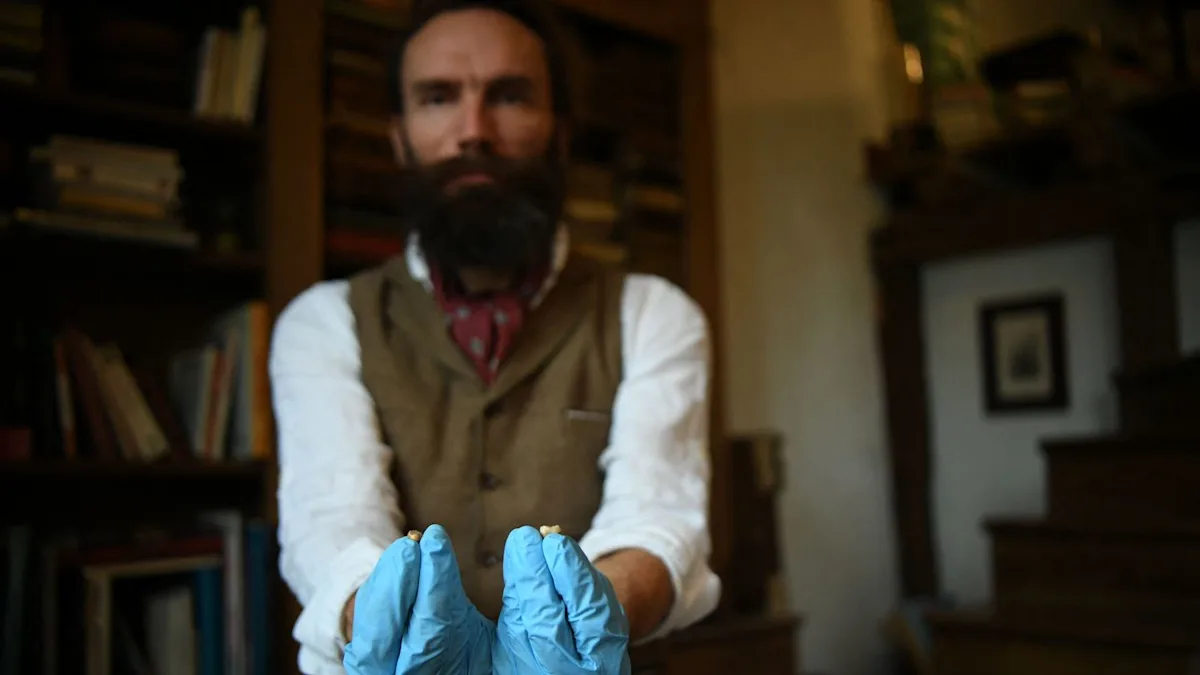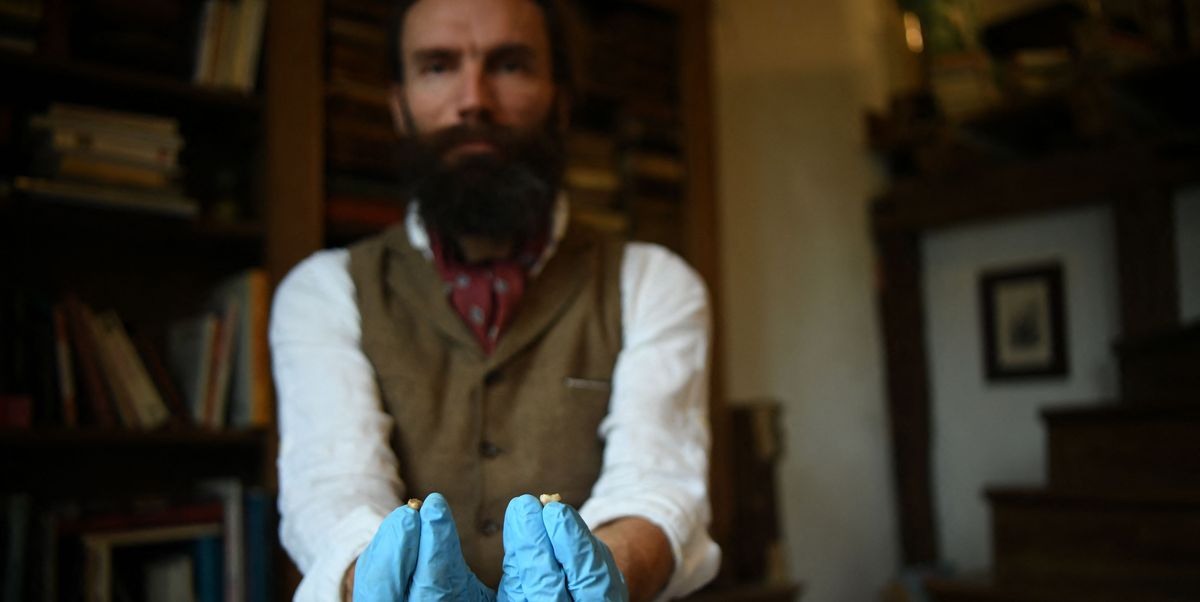
Recent DNA analysis shows that the Beachy Head Woman, once thought to be of sub-Saharan or Cypriot origin, was actually a local from Roman-era southern England, correcting previous misconceptions about her ancestry.
New DNA analysis reveals that the Beachy Head Woman, a Roman-era skeleton found in southern England, was likely a local Briton rather than of Mediterranean or sub-Saharan African origin, resolving a decade-long mystery about her ancestry.
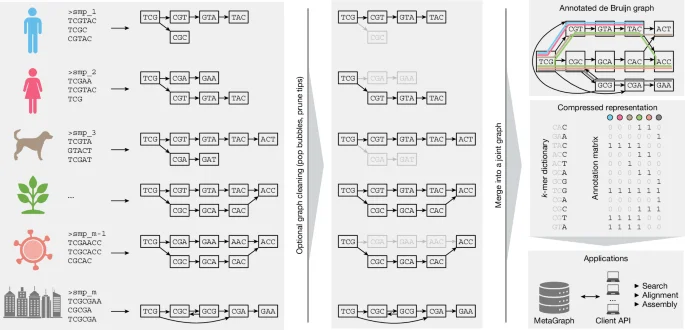
MetaGraph is a new search engine that indexes vast amounts of biological data, including DNA, RNA, and proteins, enabling researchers to efficiently explore and analyze petabases of genetic information across various life forms, thus revolutionizing data accessibility and biological research.
The article discusses MetaGraph, a scalable framework for indexing petabase-scale biological sequence repositories, enabling efficient and accurate full-text search across vast datasets like the SRA and ENA, with potential to revolutionize genomic research and data accessibility.
Researchers in Denmark discovered 130-year-old bacteria in bottles used for butter production, revealing insights into historical dairy practices, including the use of starter cultures like Lactococcus cremoris, and highlighting past hygiene challenges with contamination by bacteria such as Staphylococcus aureus and skin bacteria.
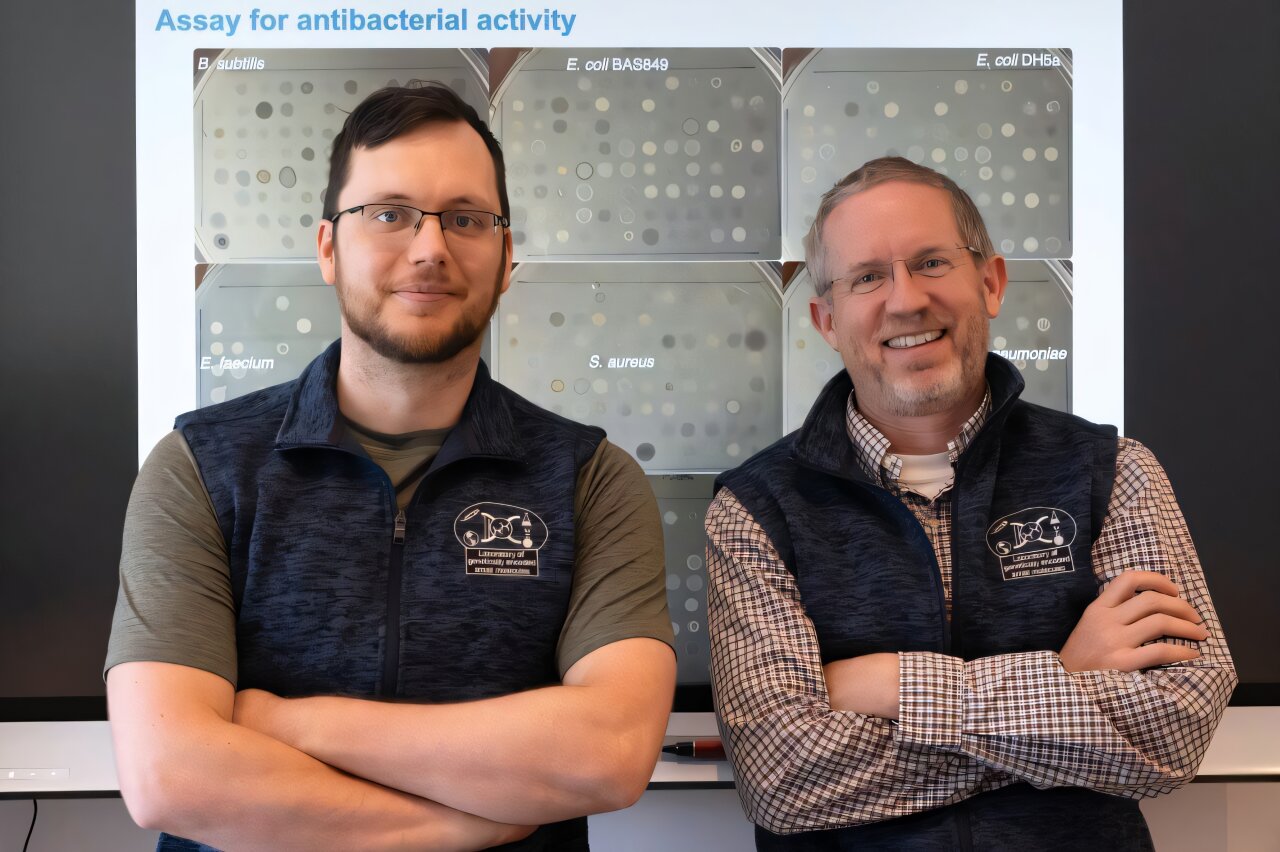
A team at Rockefeller has developed a new method to extract and analyze large DNA sequences from soil microbes, leading to the discovery of hundreds of new genomes and promising antibiotic candidates, potentially revolutionizing microbiology and drug discovery.
Scientists are uncovering a vast number of undiscovered small organisms, known as dark taxa, using advanced DNA sequencing techniques, revealing that much of Earth's biodiversity remains unknown and emphasizing the importance of cataloging all species for ecological and survival reasons.
Scientists sequenced the genome of Thorin, a 42,000-year-old Neanderthal found in France, revealing that this individual was genetically isolated from other Neanderthal groups and showed no interbreeding with modern humans, challenging previous assumptions about Neanderthal populations and human extinction.
Scientists sequenced the genome of Thorin, a 42,000-year-old Neanderthal found in France, revealing that this individual was genetically isolated from other Neanderthal groups and showed no interbreeding with modern humans, challenging previous assumptions about Neanderthal populations and human evolution.
Scientists sequenced the genome of Thorin, a 42,000-year-old Neanderthal found in France, revealing that this lineage remained isolated from other Neanderthals and modern humans for thousands of years, challenging previous assumptions about interbreeding and population interactions in human history.
Scientists sequenced the genome of Thorin, a 42,000-year-old Neanderthal from France, revealing that this lineage remained isolated from other Neanderthals and modern humans for thousands of years, challenging previous assumptions about interbreeding and population interactions in human history.
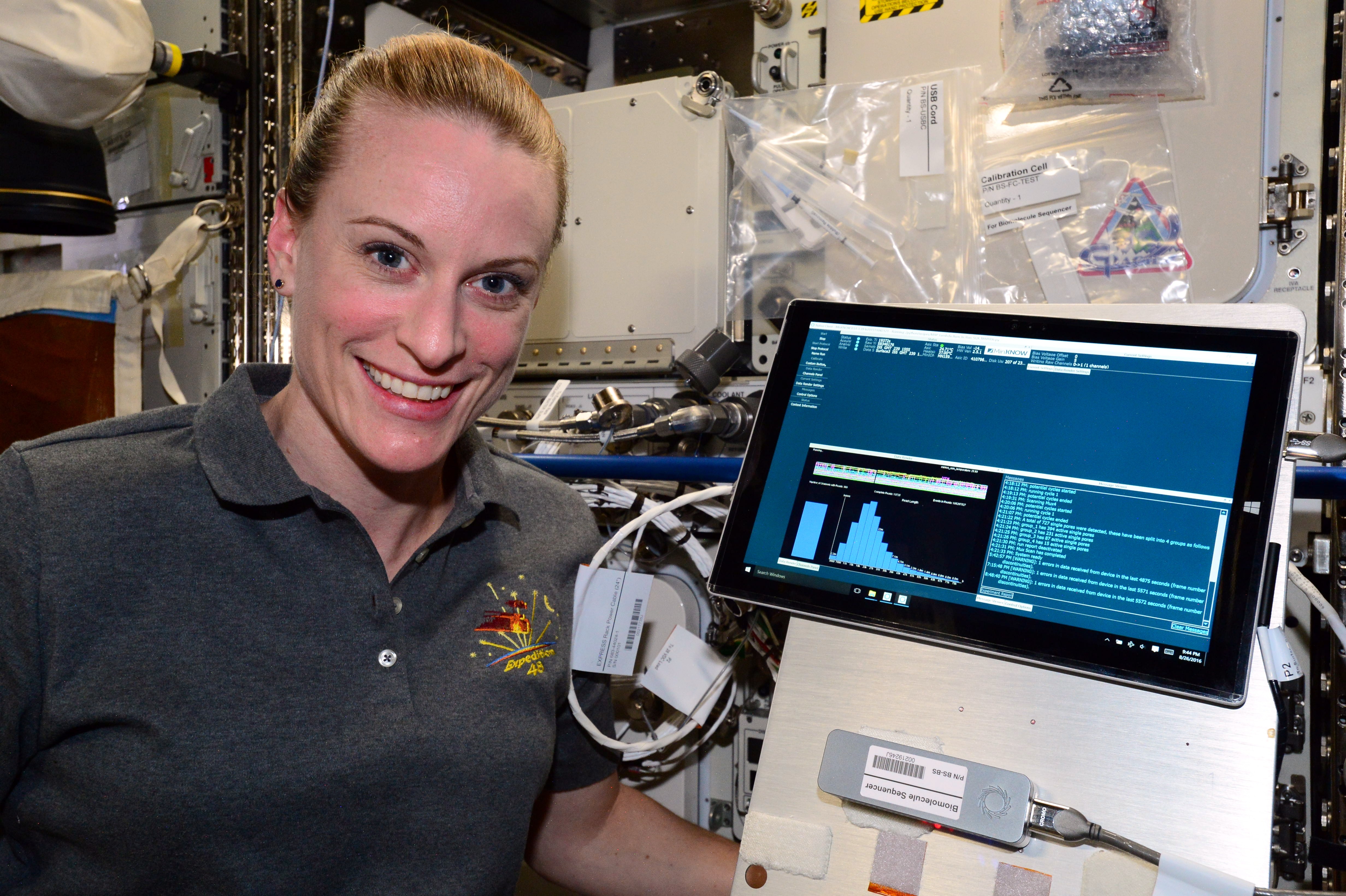
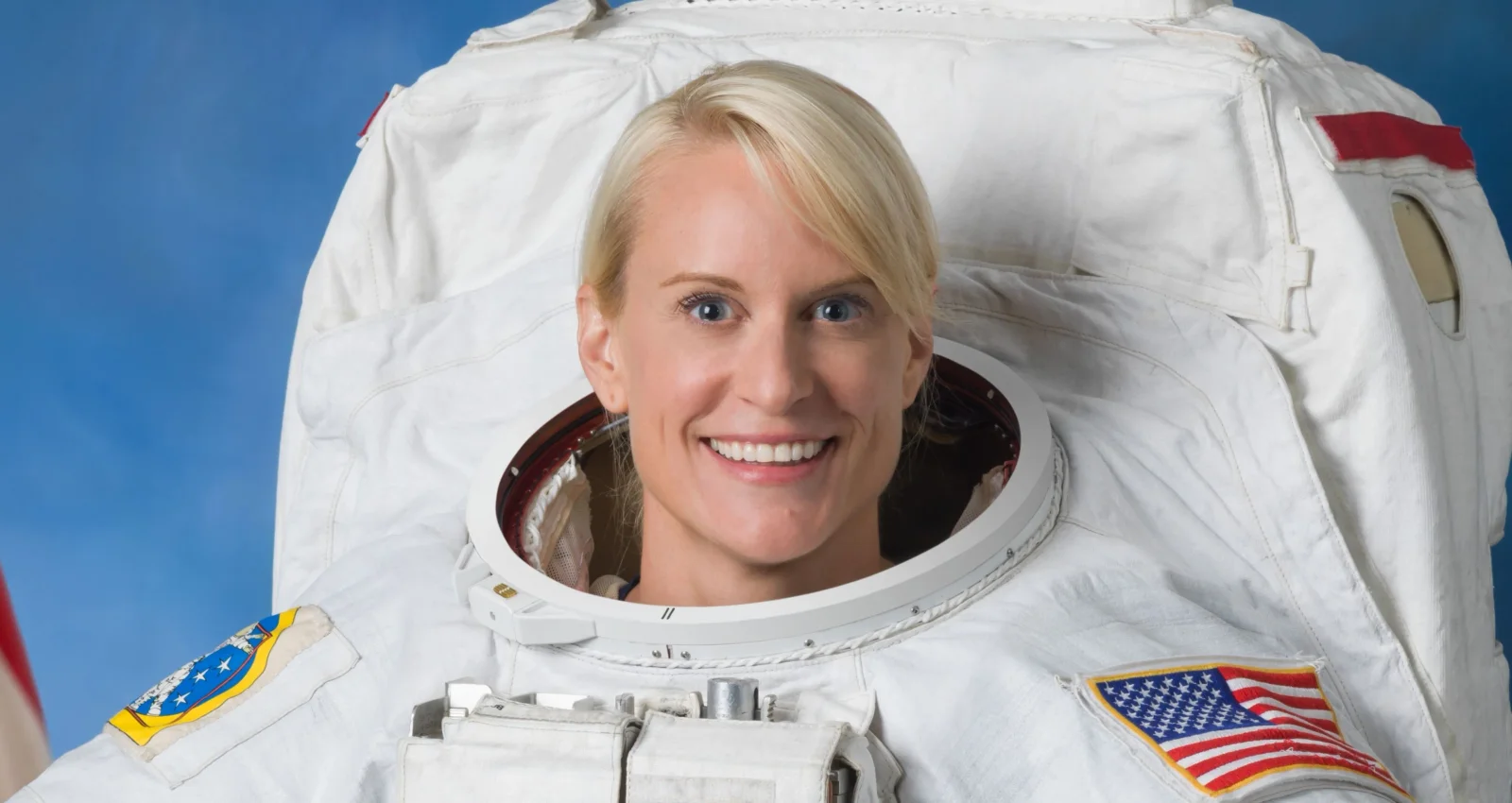
NASA astronaut Kate Rubins, who made history by sequencing DNA in space using the MinION device, has retired after 16 years, two missions, and significant contributions to space science and exploration. Her work has advanced the potential for in-space medical diagnostics and microbial research, and she has participated in multiple spacewalks and scientific investigations. Rubins expressed gratitude for her time in space and looks forward to the ongoing mission of exploration.
NASA astronaut Kate Rubins retired after 16 years, during which she completed two missions on the International Space Station, becoming the first person to sequence DNA in space and contributing significantly to space biology and biomedical research. She also played a key role in developing space suits for future Artemis missions and continues to advocate for innovation at the intersection of biology and space. Her career leaves a lasting legacy in space exploration and scientific advancement.
A new project aims to synthesize a human chromosome, marking progress in synthetic biology and genome engineering, building on the completion of the human genome sequence in 2022.
A new test developed by the University of Cambridge can predict whether chemotherapy will be effective for cancer patients by analyzing tumor DNA, potentially allowing for more personalized and effective treatment plans, and reducing unnecessary side effects.