Tag

Panspermia

All articles tagged with #panspermia

science3 months ago

Russia's 'Noah's Ark' Spacecraft Returns with Living Creatures

Russia's Bion-M No 2 satellite experiment aimed to test the panspermia theory by sending microbes, mice, and seeds into space to see if microorganisms could survive re-entry, potentially supporting the idea that life could spread between planets. The spacecraft crash-landed with some animals perishing, but the experiment provides insights into how space phenomena affect living organisms and the possibility of life transfer across planets.

science4 months ago

Reevaluating Human Origins Beyond Darwinian Theory

The book 'Where Did We Come From? The Origin and Evolution of Life' by Rosenberg and Zilber-Rosenberg explores various theories of life's origins, from religious narratives to scientific hypotheses like chemical evolution and panspermia, and discusses the evolution of Darwinian theory, emphasizing the role of microbes and cooperation in evolution, culminating in their own concept of the hologenome as a key driver of evolution.

science4 months ago

Reevaluating Origins: A Critique of Darwinian Theory

The book 'Where Did We Come From?' by Rosenberg and Zilber-Rosenberg explores various theories of life's origins, from religious narratives to scientific hypotheses like chemical evolution and panspermia, and introduces their own concept of the hologenome, emphasizing the role of microbes in evolution and challenging traditional Darwinian views. The authors also discuss the relationship between science and religion, the evolution of evolutionary theory, and the implications of their ideas for society.

science1 year ago

Earth Bacteria Quickly Colonize Asteroid Ryugu Sample

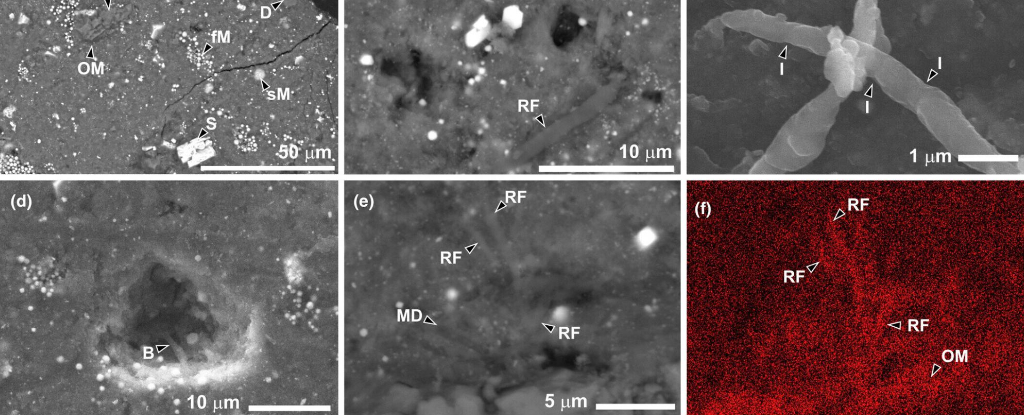
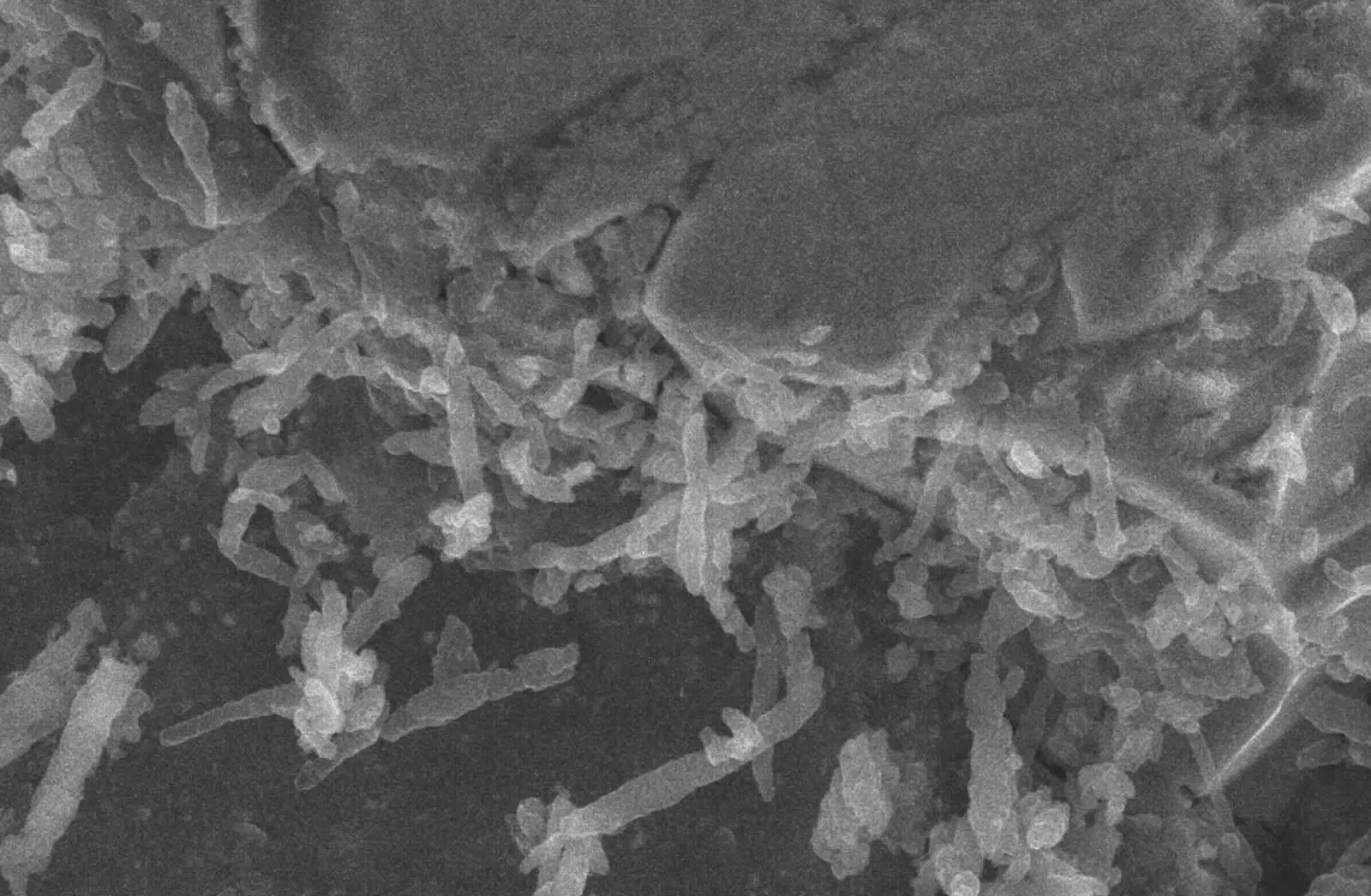
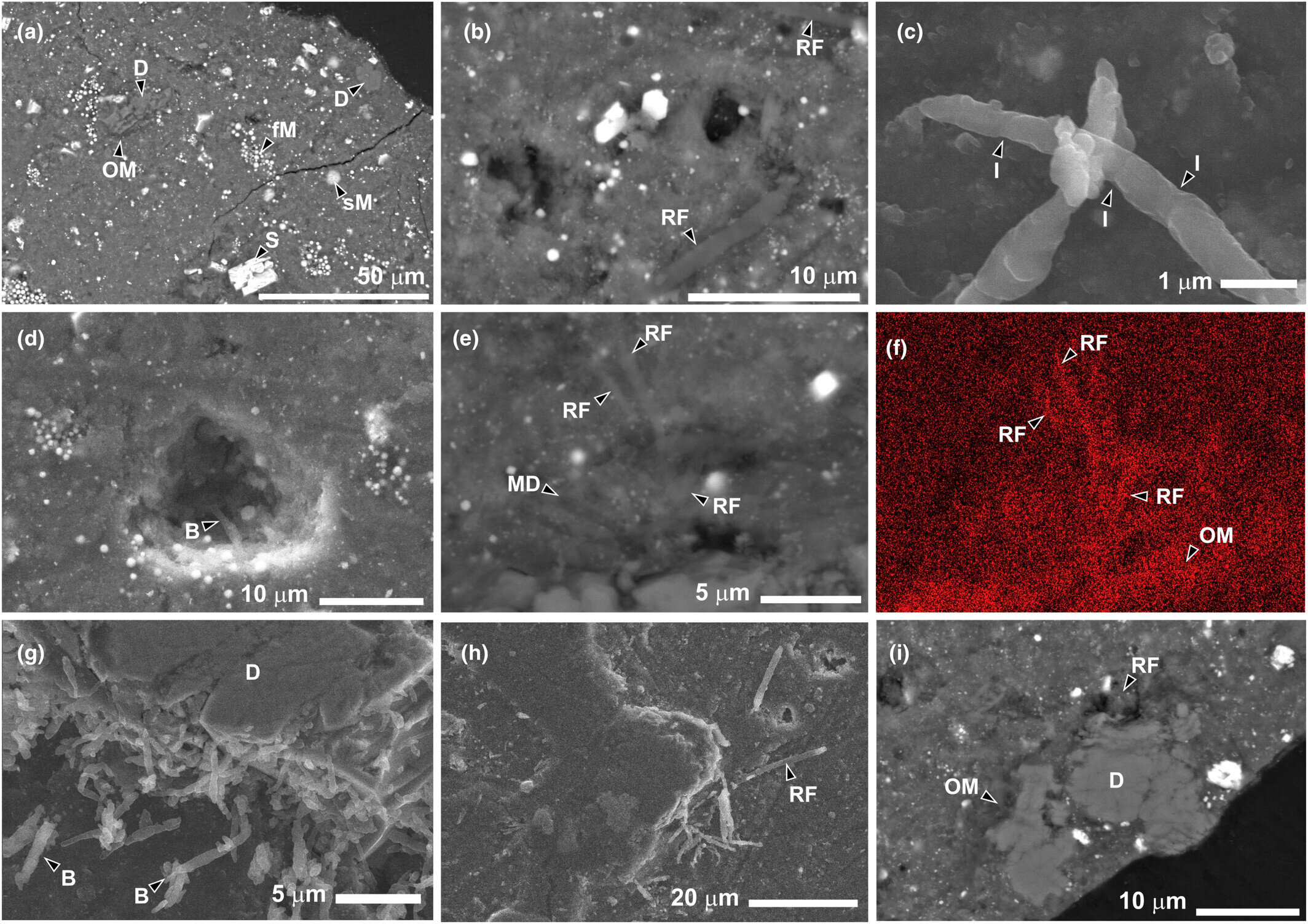
A recent study involving samples from the asteroid Ryugu, collected by the Hayabusa2 mission, found organic matter resembling microbial life. However, the findings likely result from contamination, as the characteristics of the organic material match terrestrial life. This study highlights the challenges of sterilization in space missions and suggests that while panspermia remains unproven, asteroids contain organic materials that could support life beyond Earth.

science1 year ago

Earth Bacteria Found on Asteroid Ryugu Sample

Scientists from Imperial College London found that microbes discovered on samples from asteroid 162173 Ryugu, collected by Japan's Hayabusa 2 mission, are likely Earth-originating rather than extraterrestrial. The study, published in Meteoritics & Planetary Science, suggests that these microbes thrived on the organic material present on the asteroid, highlighting the challenges of contamination in space missions. This finding does not support the panspermia hypothesis, which posits that life could have originated from space.

science1 year ago

Terrestrial Bacteria Thrive in Ryugu Asteroid Sample Despite Precautions

Researchers from Imperial College London found that a sample from asteroid Ryugu, returned by the JAXA Hayabusa 2 mission, was rapidly colonized by terrestrial microorganisms despite strict contamination controls. The study highlights the challenges of preventing Earth microbes from contaminating extraterrestrial samples, as even cleanroom environments are not foolproof. This finding underscores the difficulty of maintaining sample integrity in space missions and suggests that terrestrial life can easily exploit extraterrestrial organic material, supporting aspects of the panspermia hypothesis.

astronomy1 year ago

"Exploring the Seven Most Promising Worlds for Advanced Civilizations"

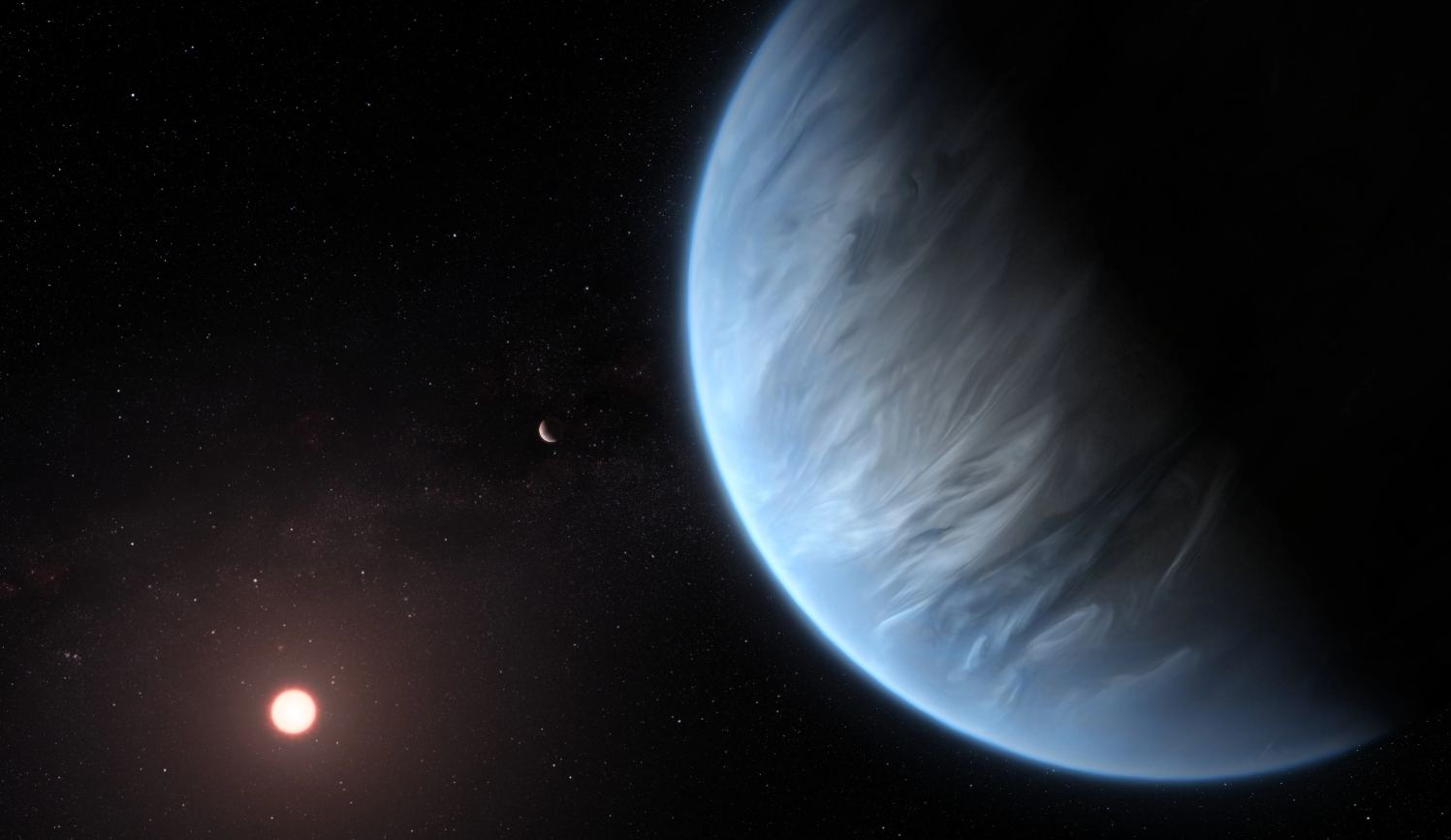
A recent paper identifies seven known exoplanets that could potentially have been the starting point for intentional panspermia, the seeding of life on Earth by an advanced civilization. The study considers factors such as planet size, temperature, habitable zone placement, and age, ultimately narrowing down the candidates to seven exoplanets. Kepler-452 b, with a star and orbit similar to ours, stands out as a potentially interesting focal point for future exoplanet surveys. While speculative, the paper underscores the importance of detailed examination of known exoplanets in the search for advanced civilizations.

science1 year ago

"Study Suggests Life Spreads Through Space on Invisible Particles"

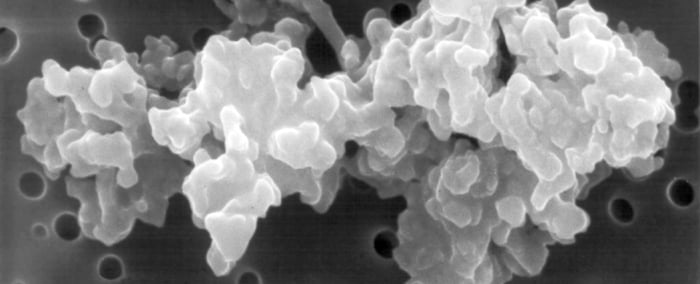
New research suggests that life could spread throughout the galaxy via cosmic dust, a process known as panspermia. The study explores how planetary dust particles could escape their host planet's gravitational pull and travel through interstellar space, potentially carrying life or complex organic molecules to other worlds. While the idea is intriguing, the origins of life and the frequency of its appearance on other planets remain unknown, leaving a stubborn nugget of the unknown at the center of these thought experiments and calculations.

science2 years ago

"Interstellar Object Impacts: The Origins of Life on Earth"

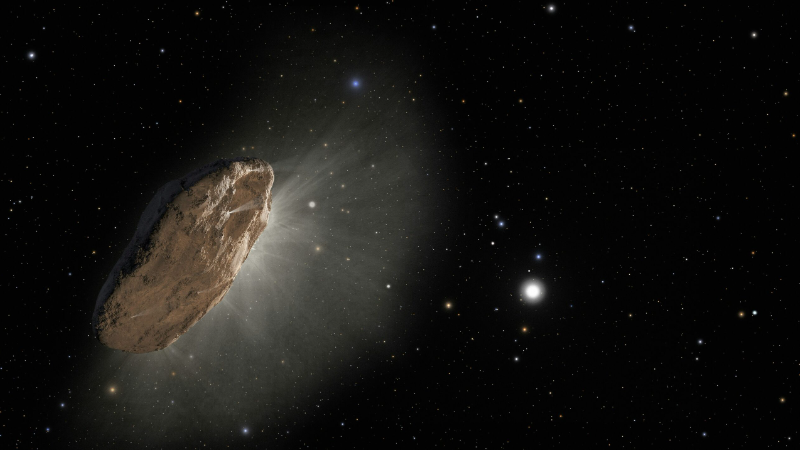
The detection of interstellar objects (ISOs) like 'Oumuamua has sparked debate about whether they could have brought the ingredients for life to Earth. A recent paper by a team of researchers considered the implications of ISOs being responsible for panspermia, the theory that life exists throughout the Universe and is distributed by celestial objects. Their findings suggest that ISOs could potentially seed hundreds of thousands of Earth-like planets throughout the Milky Way. While their results do not prove panspermia, they provide valuable insight and constraints on the possibility that life came to Earth via objects like 'Oumuamua, with significant implications for astrobiology.