Tag

Asteroid Samples

All articles tagged with #asteroid samples

Ancient Meteorite Reveals Human DNA Traces

Originally Published 2 months ago — by Yahoo

Featured image for Ancient Meteorite Reveals Human DNA Traces
Source: Yahoo

Recent findings from NASA and Japan suggest that the building blocks of life, such as amino acids, may have been delivered to Earth via asteroids, supporting the panspermia theory that life or its ingredients could have originated elsewhere in the universe and been transported here, challenging traditional views on the origin of life.
NASA's Bennu Samples Uncover Ancient Origins and Transformation

Originally Published 4 months ago — by NASA Science (.gov)

Featured image for NASA's Bennu Samples Uncover Ancient Origins and Transformation
Source: NASA Science (.gov)

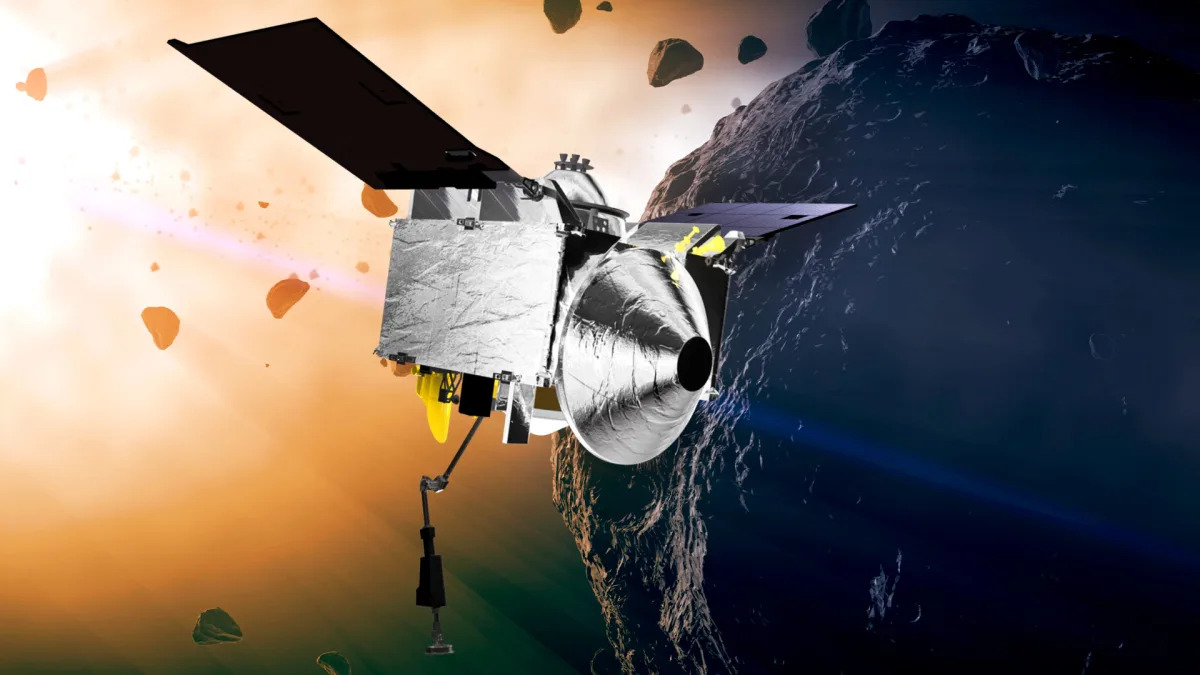
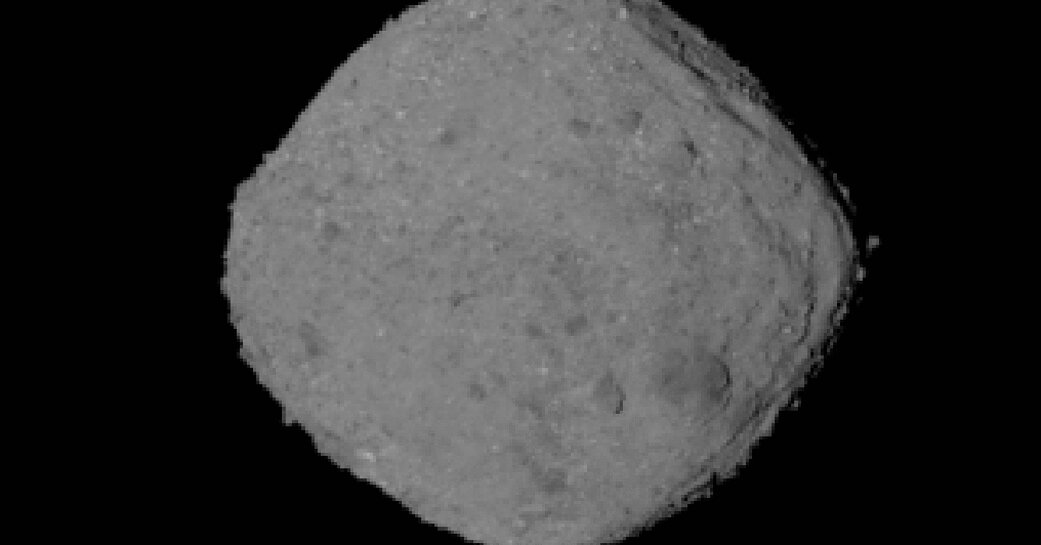
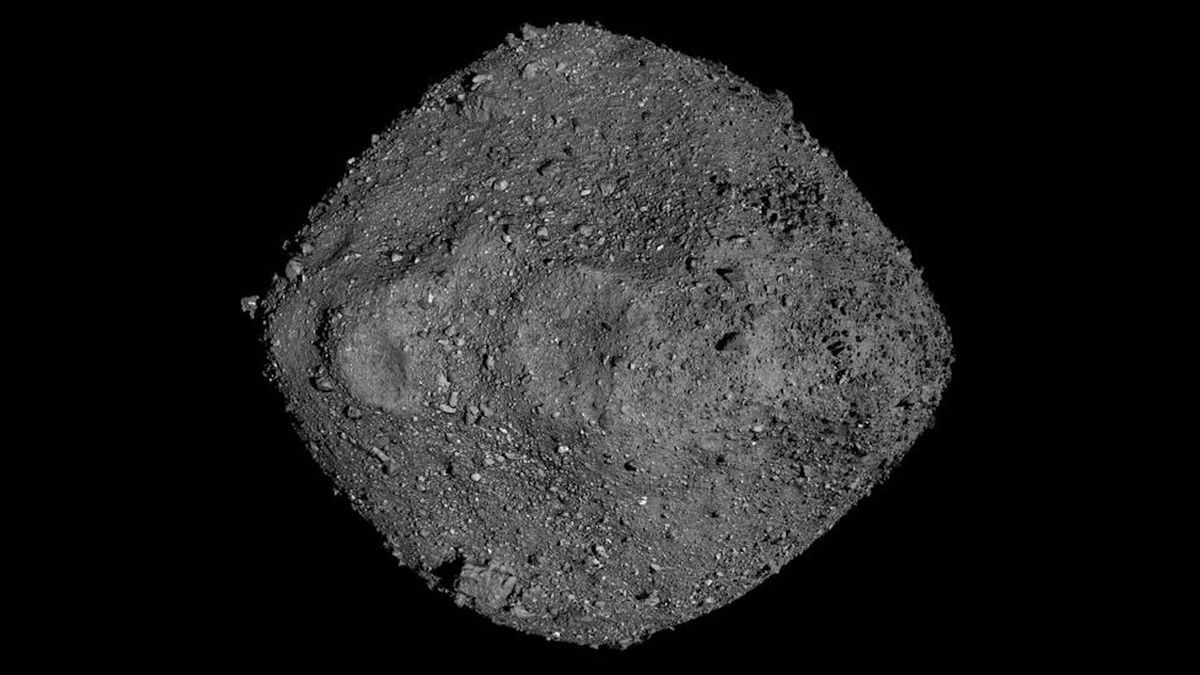
NASA's OSIRIS-REx mission's analysis of Bennu asteroid samples reveals a complex history involving diverse origins, transformation by water and space environment, and signs of impact weathering, providing valuable insights into the early solar system and planetary formation processes.

"Discovery of Organic Matter in Asteroid Sample"

Originally Published 1 year ago — by Yahoo! Voices

Featured image for "Discovery of Organic Matter in Asteroid Sample"
Source: Yahoo! Voices

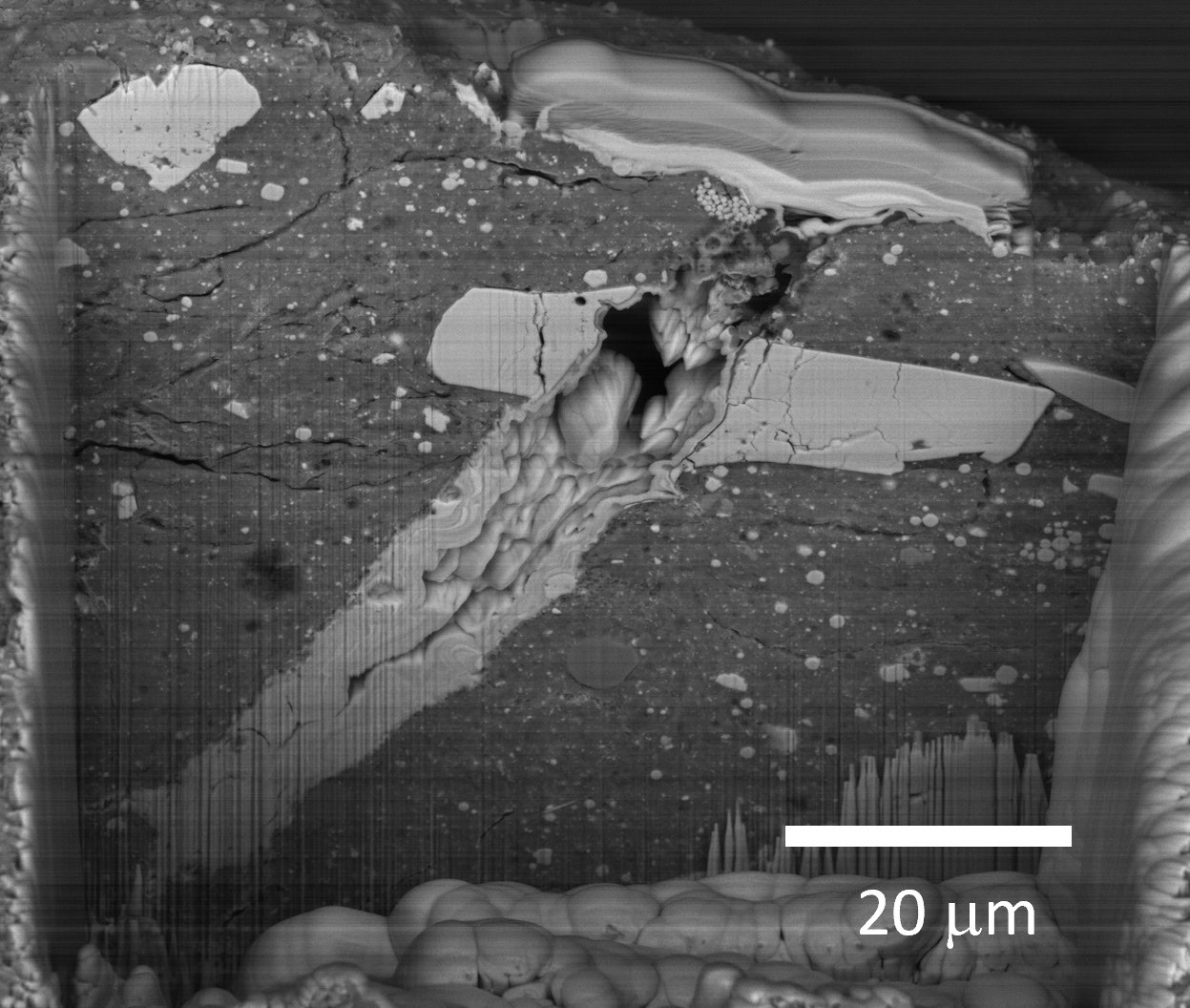
Scientists studying samples from the Ryugu asteroid have discovered cometary organic matter, potentially providing insights into the origins of life on Earth. The samples contain melt splashes with carbonaceous materials resembling primitive organic matter, suggesting that cometary matter was transported to the near-Earth region from the outer solar system. This finding aligns with NASA's discovery of the building blocks of life on asteroid Bennu, indicating the potential for organic matter from space to have contributed to life on Earth.

"NASA's Remarkable Achievements and Breathtaking Images of 2023"

Originally Published 2 years ago — by NASA

Featured image for "NASA's Remarkable Achievements and Breathtaking Images of 2023"
Source: NASA

In 2023, NASA achieved several milestones, including astronaut Frank Rubio spending over a year in space, delivering asteroid samples to Earth, studying a metal-rich asteroid, sharing climate data, and advancing sustainable aircraft. NASA also made progress in preparing for the Artemis missions to the Moon, extended operations of the International Space Station, and made significant discoveries with the James Webb Space Telescope. The agency focused on Earth science, advanced technology innovations, and promoted diversity, equity, inclusion, and accessibility. NASA continued to inspire the next generation of STEM students through various outreach activities.

NASA's Parachute Wiring Error Causes High Drama in Asteroid Sample Return Mission

Originally Published 2 years ago — by Ars Technica

Featured image for NASA's Parachute Wiring Error Causes High Drama in Asteroid Sample Return Mission
Source: Ars Technica

NASA's OSIRIS-REx mission successfully returned asteroid samples to Earth, but not without moments of high drama. During the landing, a parachute malfunction occurred when the drogue chute failed to deploy at the expected time. However, the main parachute eventually opened, leading to a safe landing in the Utah desert. An investigation revealed that the parachute deployment actions occurred out of order due to a miscommunication in the design plans. Despite the mishap, scientists are analyzing the asteroid materials, which have shown promising signs of carbon and water content.

"Queen's Brian May Analyzes NASA's OSIRIS-REx Asteroid Samples in 3D"

Originally Published 2 years ago — by Space.com

Featured image for "Queen's Brian May Analyzes NASA's OSIRIS-REx Asteroid Samples in 3D"
Source: Space.com

Queen guitarist Brian May, known for his interest in astrophysics, has collaborated with NASA's OSIRIS-REx mission to analyze visual data of the asteroid Bennu. May and fellow citizen scientist Claudia Manzoni used a technique called stereoscopy to add a 3D effect to 2D images of the asteroid's surface. The images, taken after the sample's return to Earth, provided an opportunity to study the structure of the asteroid material. Scientists and citizen scientists are eager to examine asteroids like Bennu to gain insights into the formation of the solar system. The OSIRIS-REx spacecraft, now renamed OSIRIS-APEX, will continue its mission to study the near-Earth asteroid Apophis in the future.

NASA's Asteroid Samples Reveal Unexpected Water and Carbon Composition

Originally Published 2 years ago — by Futurism

Featured image for NASA's Asteroid Samples Reveal Unexpected Water and Carbon Composition
Source: Futurism

NASA's OSIRIS-REx spacecraft has collected asteroid samples from Bennu that contain both water and carbon, which are considered the "building blocks of life on Earth." The findings support the theory that asteroids like Bennu may have played a crucial role in the development of life on our planet. The samples, which include carbon-rich, hydrated clay minerals, are the largest carbon-rich asteroid samples ever delivered to Earth. The ongoing analysis of the samples is expected to provide valuable insights into the origins of life.

NASA's OSIRIS-REx mission unveils asteroid samples at selected museums

Originally Published 2 years ago — by Space.com

Featured image for NASA's OSIRIS-REx mission unveils asteroid samples at selected museums
Source: Space.com

NASA has selected three museums in the United States to publicly display small samples of the asteroid material brought back to Earth by the OSIRIS-REx mission. The Smithsonian's National Museum of Natural History, Space Center Houston, and the University of Arizona's Alfie Norville Gem and Mineral Museum will each exhibit a piece of the asteroid Bennu. The samples are expected to go on display as early as mid-November, pending inspection and study by scientists.

NASA's Historic Asteroid Samples Safely Return to Earth

Originally Published 2 years ago — by Yahoo News

Featured image for NASA's Historic Asteroid Samples Safely Return to Earth
Source: Yahoo News

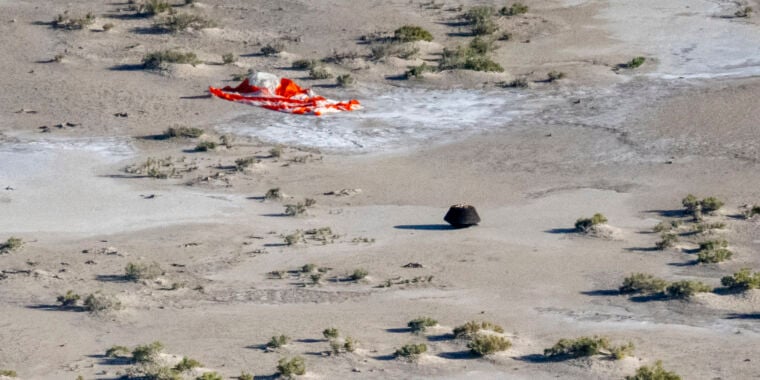
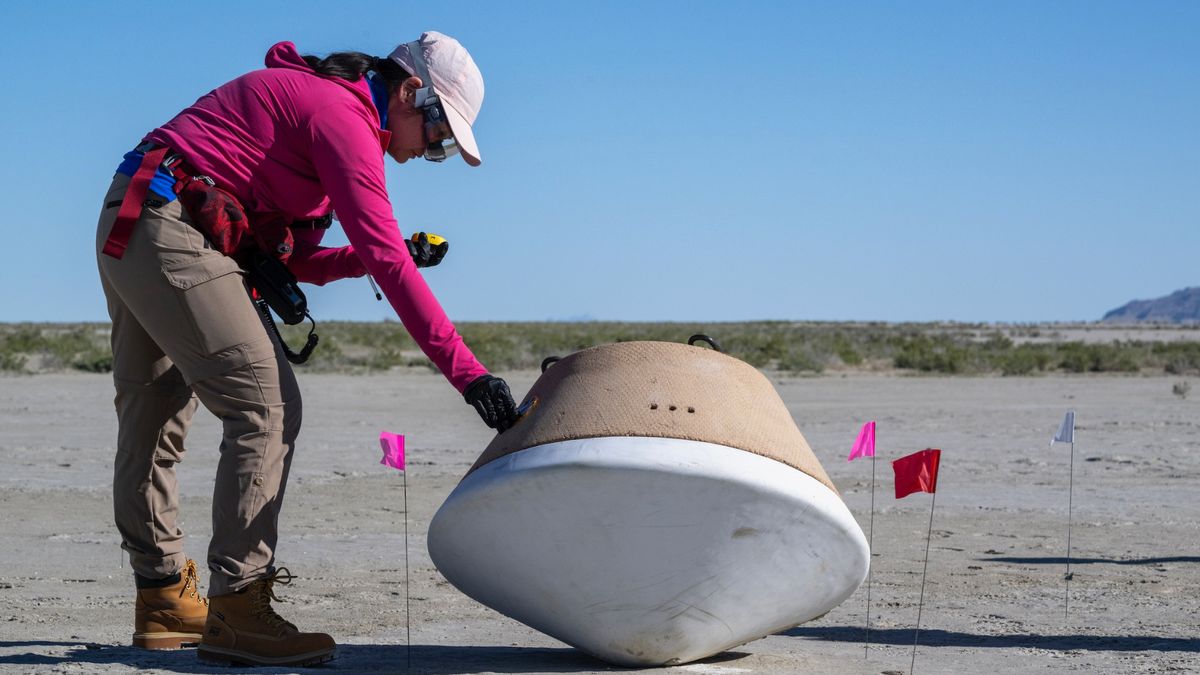
NASA's Osiris-Rex spacecraft successfully released its sample capsule containing asteroid samples from Bennu, parachuting into the Utah desert after a seven-year journey. The capsule landed earlier than expected due to the parachute opening higher than anticipated. The recovery team confirmed that the capsule was intact and had not been breached. The samples, estimated to hold at least a cup of rubble from the carbon-rich asteroid, will help scientists understand the formation of Earth and life. The capsule will be transported to NASA's Johnson Space Center in Houston for further analysis.

"OSIRIS-REx probe successfully delivers largest asteroid sample to Earth"

Originally Published 2 years ago — by Space.com

Featured image for "OSIRIS-REx probe successfully delivers largest asteroid sample to Earth"
Source: Space.com

NASA's OSIRIS-REx probe is set to bring back pristine asteroid samples from the near-Earth asteroid Bennu today. The capsule containing the samples will touch down in Utah, and you can watch the live stream of the landing on NASA's YouTube channel. The mission aims to study the early days of the solar system and investigate the potential delivery of life's building blocks to Earth. The spacecraft will continue its mission with an extended exploration of the potentially hazardous asteroid Apophis in 2029.

NASA's OSIRIS-REx Successfully Delivers Largest Asteroid Sample to Earth

Originally Published 2 years ago — by The New York Times

Featured image for NASA's OSIRIS-REx Successfully Delivers Largest Asteroid Sample to Earth
Source: The New York Times

NASA's OSIRIS-REX mission, which launched in 2016, is set to conclude on Sunday as a capsule containing a sample of rock from the asteroid Bennu is expected to land in a Utah desert. The mission aims to provide insights into the origins of our solar system and the potential for life on Earth. The sample will be analyzed and compared with material from other asteroids, with initial results expected in October. The spacecraft will then embark on a second mission to study the near-Earth asteroid Apophis in 2029.

NASA's OSIRIS-REx Successfully Returns Asteroid Samples to Earth

Originally Published 2 years ago — by Gizmodo

Featured image for NASA's OSIRIS-REx Successfully Returns Asteroid Samples to Earth
Source: Gizmodo

NASA's OSIRIS-REx spacecraft is set to return to Earth on September 24, delivering samples from the asteroid Bennu. The capsule containing the samples will perform a parachute-assisted landing at the Department of Defense's Utah Test and Training Range. This marks NASA's first attempt at retrieving a sample from an asteroid, providing scientists with valuable insights into the origins of life on Earth. After the drop-off, OSIRIS-REx will continue its mission to explore asteroid Apophis, and the mission will be renamed to OSIRIS-APEX.

"OSIRIS-REx Probe Successfully Returns Largest Asteroid Sample to Earth"

Originally Published 2 years ago — by Space.com

Featured image for "OSIRIS-REx Probe Successfully Returns Largest Asteroid Sample to Earth"
Source: Space.com

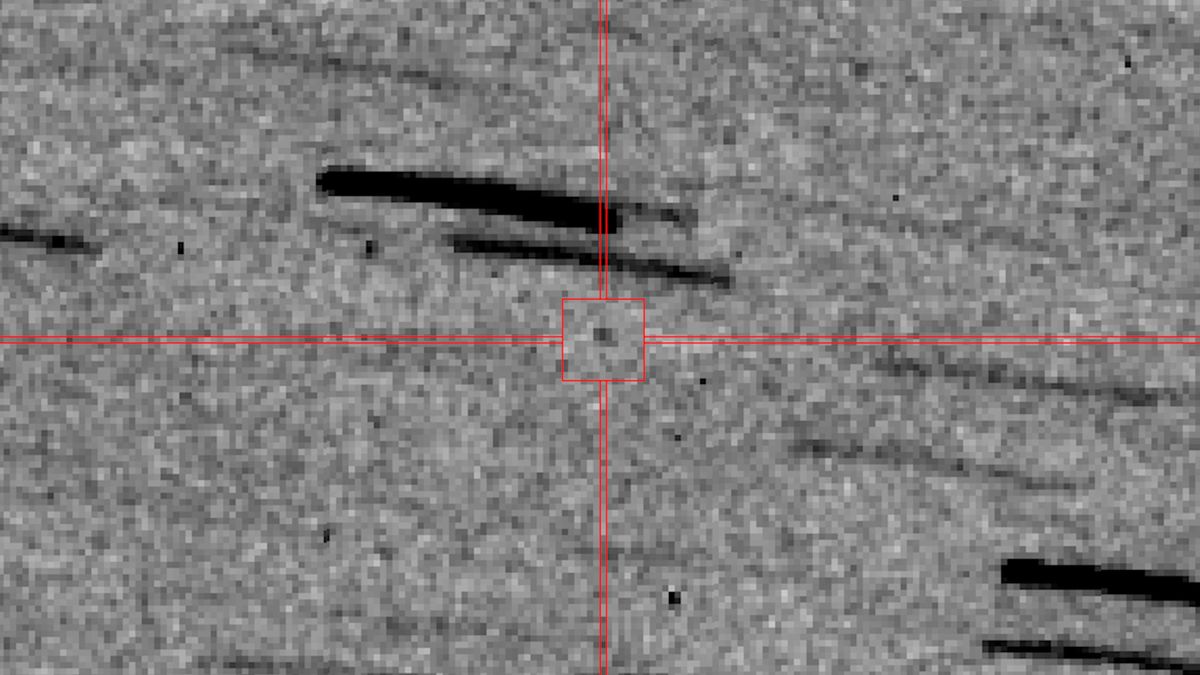
The European Space Agency's Optical Ground Station telescope captured a pixelated image of NASA's OSIRIS-REx probe, which is carrying asteroid samples back to Earth. The photo was taken when the spacecraft was 2.9 million miles away from Earth. OSIRIS-REx is scheduled to release its sample capsule on Sunday, which will then be transported to NASA's Johnson Space Center for analysis. The spacecraft will continue its mission to study the potentially hazardous asteroid Apophis in 2029.

"OSIRIS-REx's Asteroid Samples: Who Will Claim Them?"

Originally Published 2 years ago — by Space.com

Featured image for "OSIRIS-REx's Asteroid Samples: Who Will Claim Them?"
Source: Space.com

NASA's OSIRIS-REx probe is set to release a capsule containing asteroid samples collected from the asteroid Bennu. The capsule is expected to land in Utah and will be transported to NASA's Johnson Space Center in Houston. The samples will be studied by a team of over 200 researchers for two years to gain insights into the early solar system and the role of carbon-rich asteroids in delivering the building blocks of life to Earth. The Canadian Space Agency and the Japan Aerospace Exploration Agency will also receive portions of the sample, while NASA will keep the majority for future study and potential museum displays.

Discovery of Preserved Presolar Silicate Grains in Ryugu Samples

Originally Published 2 years ago — by Phys.org

Featured image for Discovery of Preserved Presolar Silicate Grains in Ryugu Samples
Source: Phys.org

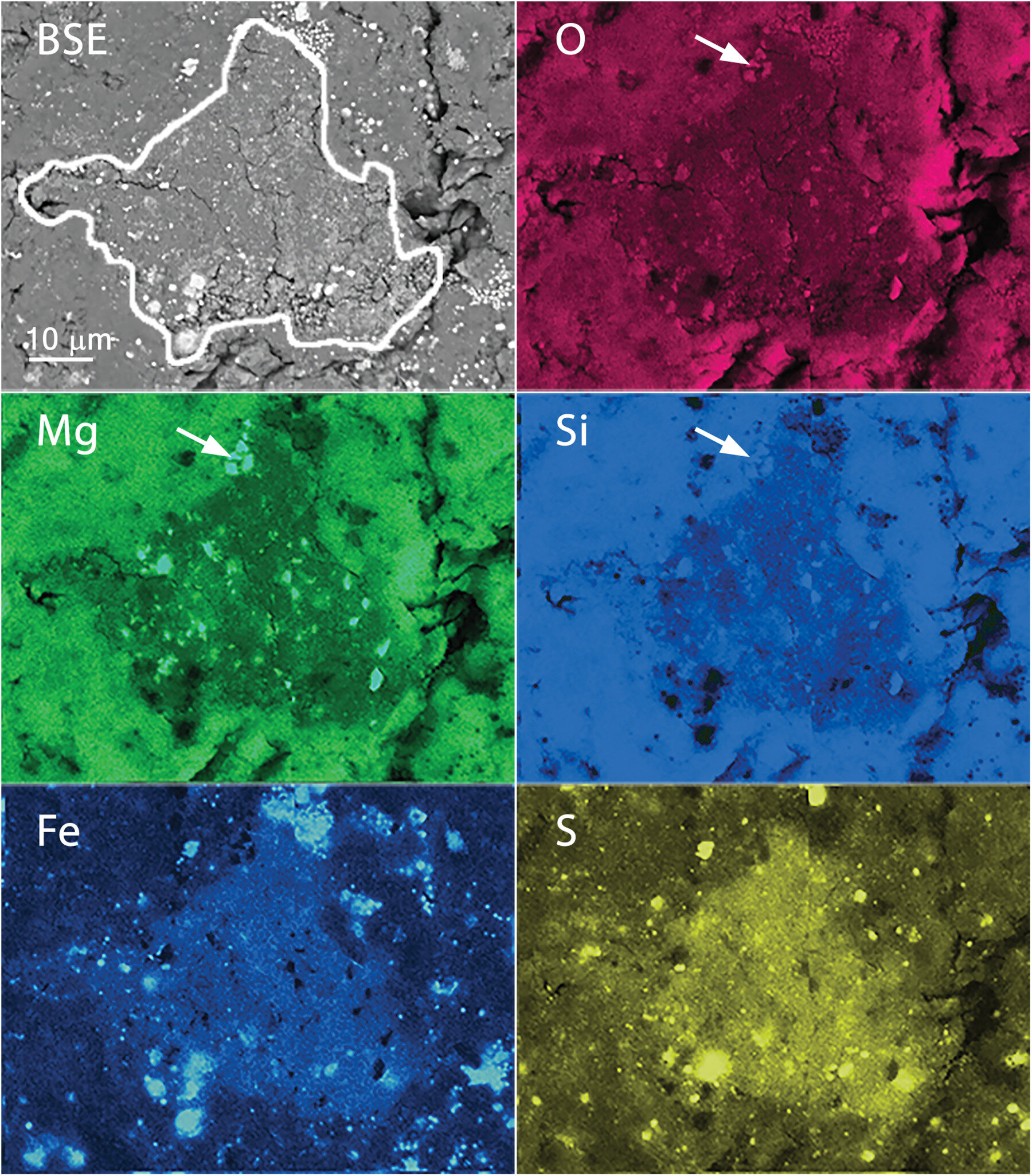
Preserved presolar silicate grains have been discovered in surface samples collected from the Ryugu asteroid by the Hayabusa2 space probe. The unique fragments of rock, known as clasts, were found to have different chemical compositions compared to their surroundings and contained evidence of presolar grains. The presence of these grains suggests that they originated from another location in the solar system, possibly the Kuiper Belt, and somehow became embedded in the rubble field where Ryugu was located.