Tag

Hayabusa2

All articles tagged with #hayabusa2

science3 months ago

Japan's Hayabusa2 Targets Tiny, Fast-Spinning Asteroid for Sample Return

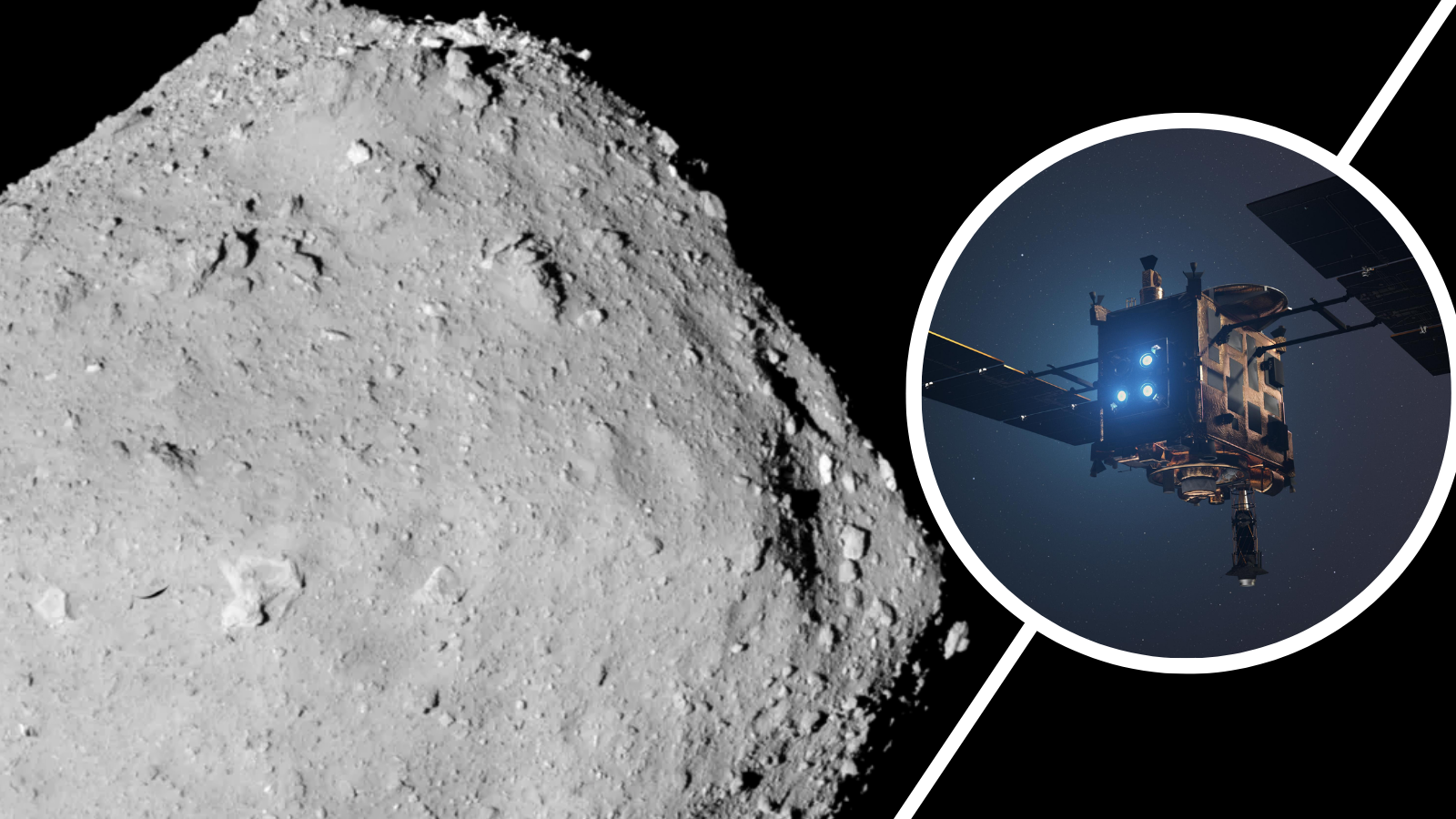
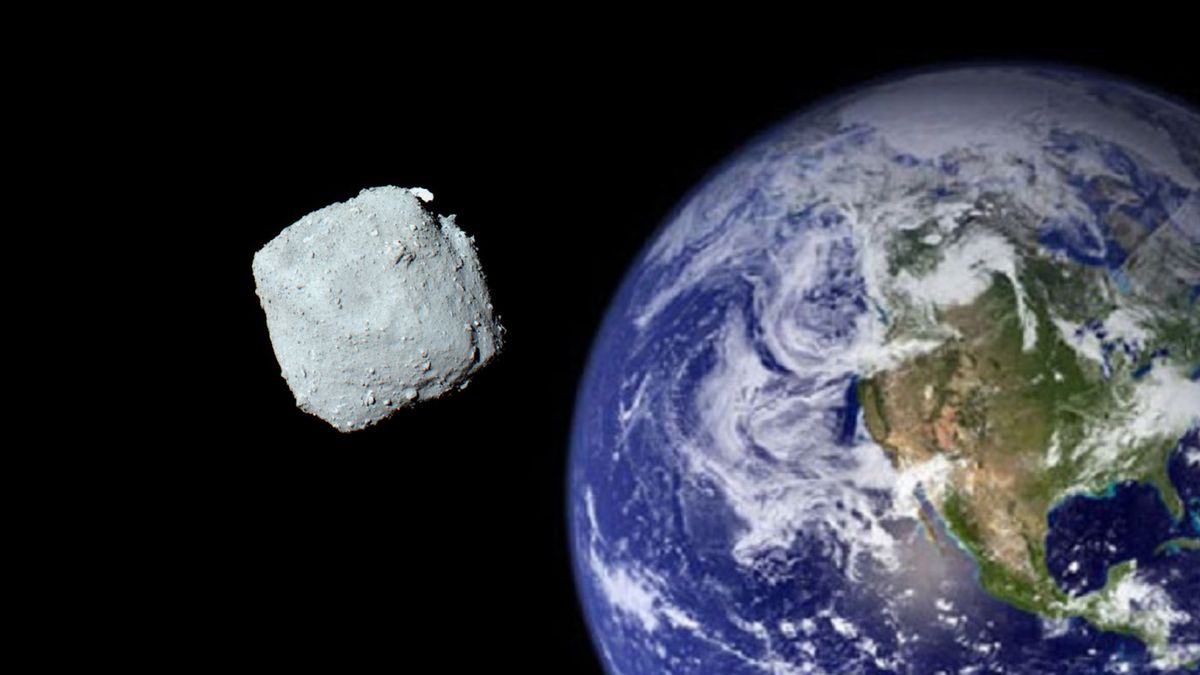
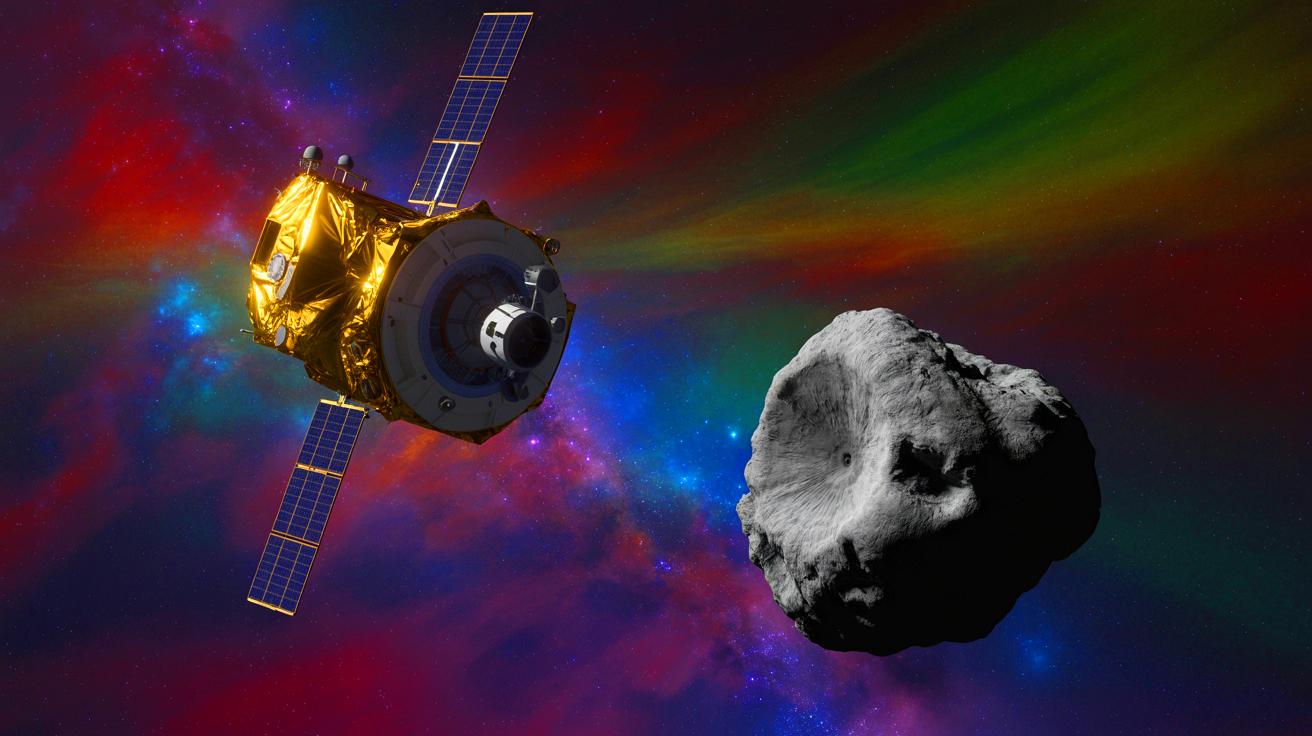
Japan's Hayabusa2 spacecraft is targeting asteroid 1998 KY26, now found to be only 11 meters wide and spinning every five minutes, marking the first exploration of such a small asteroid. This mission highlights advancements in space technology, challenges of studying tiny, fast-rotating objects, and has implications for asteroid mining and planetary defense.
science1 year ago

Earth Bacteria Found on Asteroid Ryugu Sample

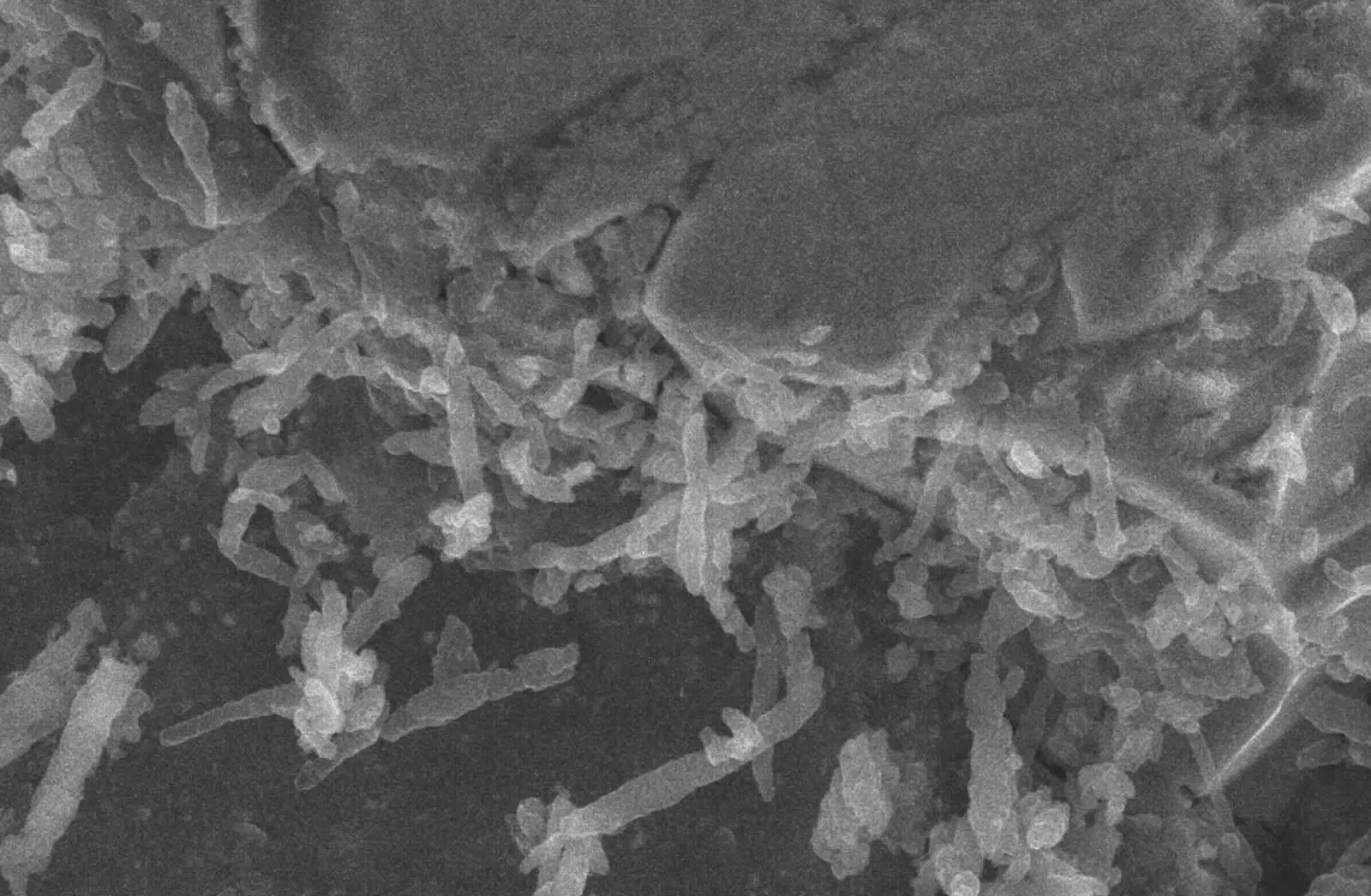
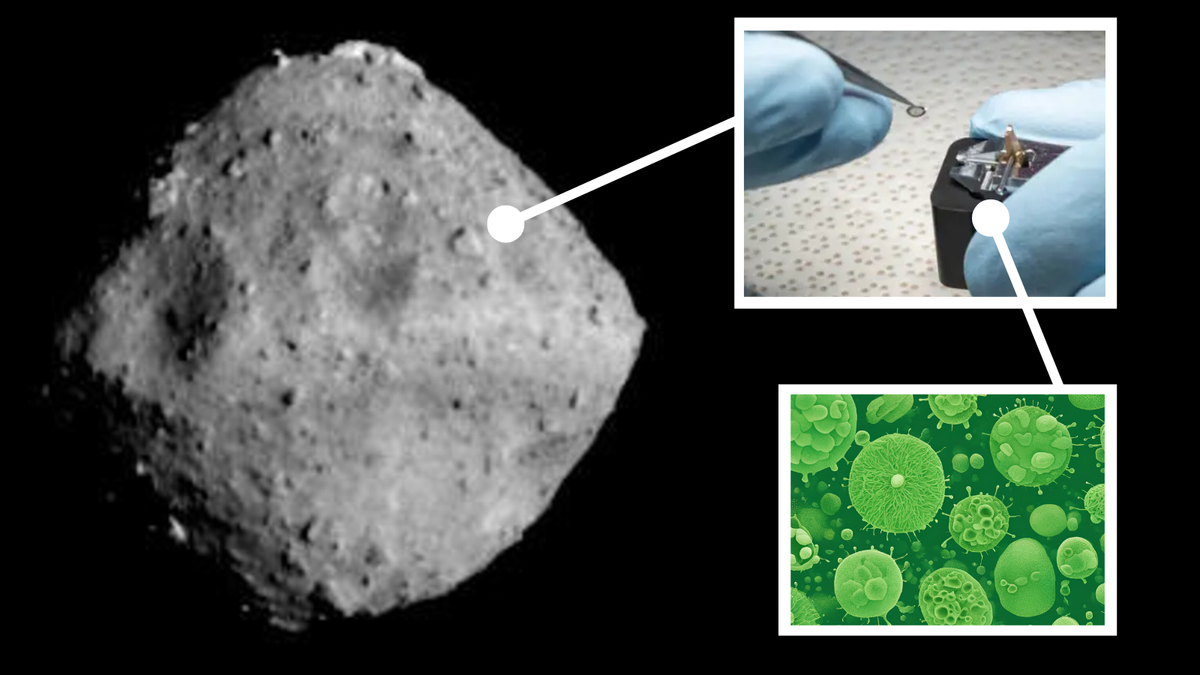
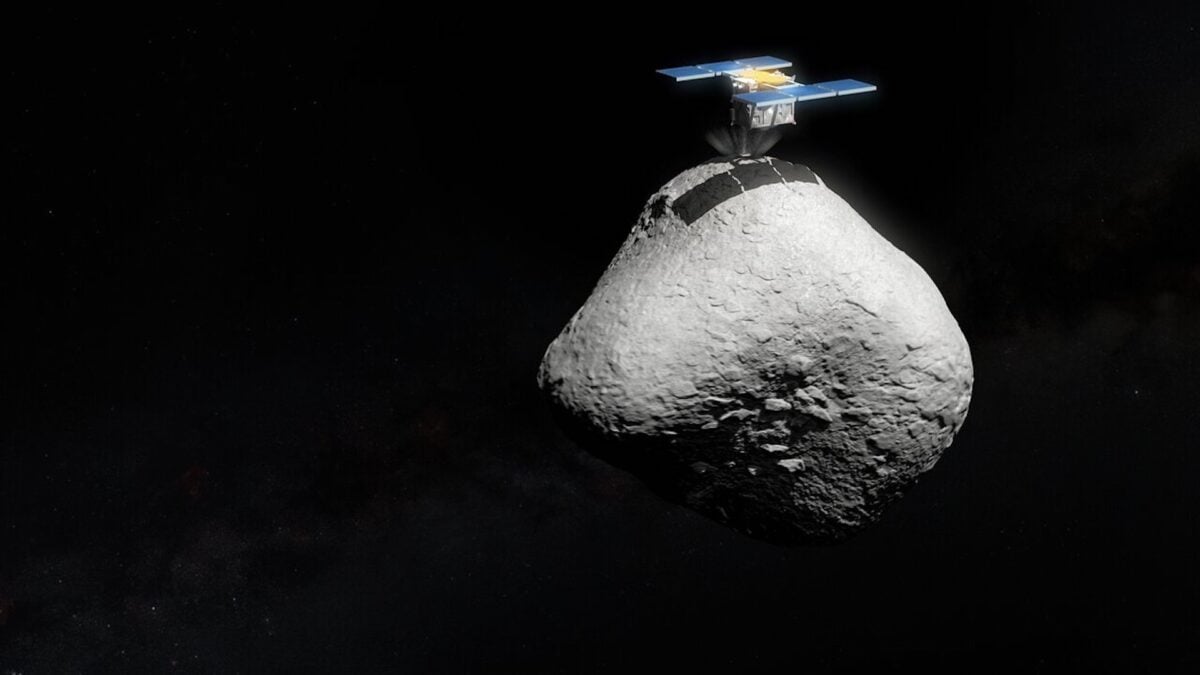
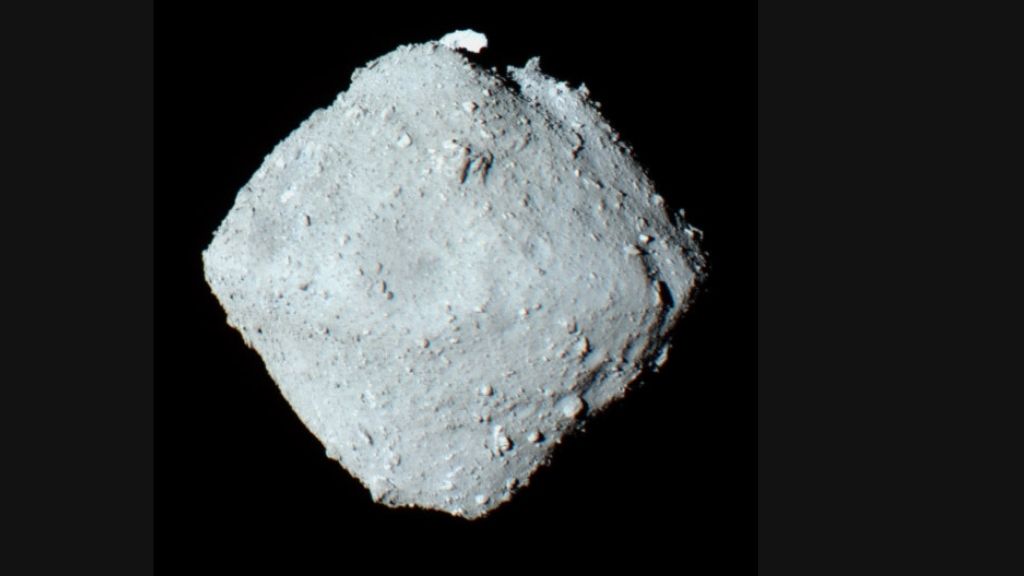
Scientists from Imperial College London found that microbes discovered on samples from asteroid 162173 Ryugu, collected by Japan's Hayabusa 2 mission, are likely Earth-originating rather than extraterrestrial. The study, published in Meteoritics & Planetary Science, suggests that these microbes thrived on the organic material present on the asteroid, highlighting the challenges of contamination in space missions. This finding does not support the panspermia hypothesis, which posits that life could have originated from space.

science1 year ago

Earth Bacteria Invade Japan's Asteroid Ryugu Sample

A sample from the asteroid Ryugu, collected by Japan's Hayabusa2 mission, was found to be rapidly colonized by Earth-based bacteria after being returned to Earth. The discovery highlights the resilience of terrestrial microorganisms and raises concerns about potential contamination of extraterrestrial environments by space missions. The research underscores the importance of planetary protection measures to prevent such contamination and ensure the integrity of future extraterrestrial samples.

science1 year ago

Microorganisms Found in Rare Asteroid Sample Despite Precautions

A sample from the asteroid Ryugu, collected by Japan's Hayabusa2 mission, was found to be contaminated with terrestrial microorganisms, highlighting the challenges of preventing Earthly contamination in space samples. Despite stringent protocols, the sample, intended to be pristine, contained microbial life from Earth, complicating efforts to study the asteroid's original composition. This discovery underscores the difficulties in maintaining the purity of extraterrestrial materials, crucial for understanding the solar system's formation and the origins of life on Earth.

science1 year ago

Asteroid Fragments Unveil Secrets of Planetary Formation

Samples from the asteroid Ryugu, collected by Japan's Hayabusa2 mission, have revealed evidence of an ancient magnetic field that may have played a role in the formation of planets and moons in our solar system. The study found that Ryugu's magnetic record suggests it formed in a weak magnetic field less than three million years after the solar system's formation. This discovery supports the idea that magnetic fields were present throughout the solar system, facilitating the accumulation of matter into celestial bodies.

space1 year ago

"Ryugu Asteroid Samples Suggest Messenger Comets as Source of Earth's Life"

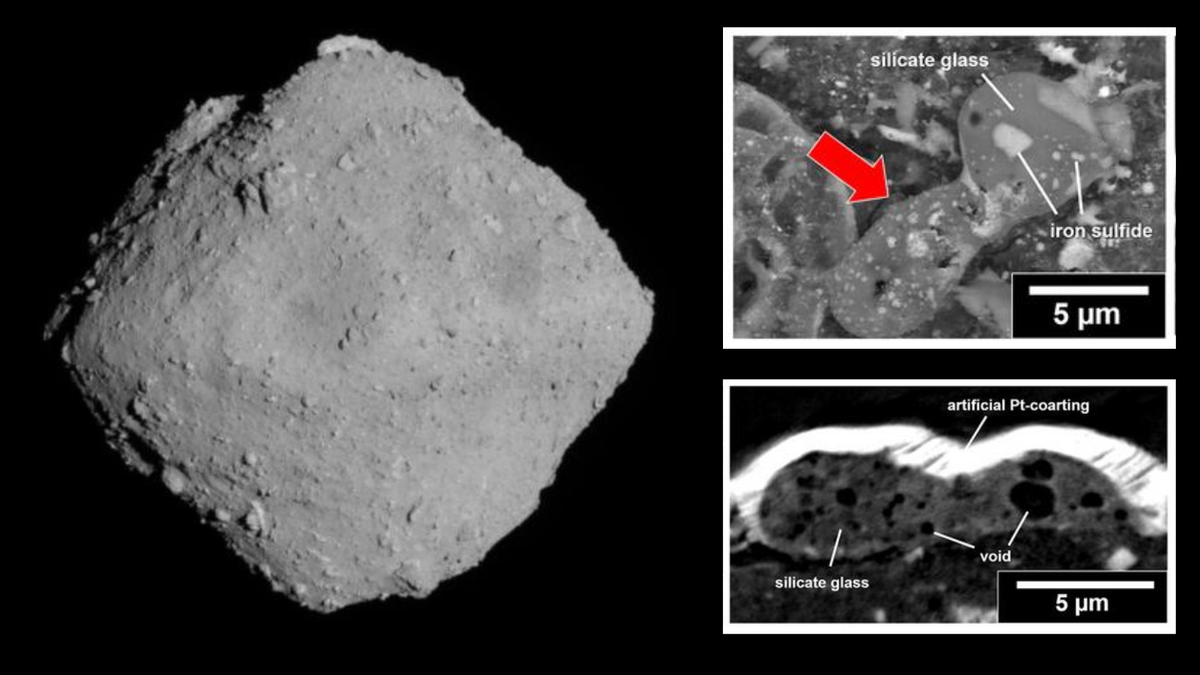
Samples from asteroid Ryugu suggest that organic molecules, which may have given rise to life on Earth, were brought here by ancient comets. The space rock samples were collected by Japan's Hayabusa2 mission, revealing "melt splashes" created when cometary dust struck the asteroid's surface, containing small carbonaceous materials similar to primitive organic matter. The findings provide insight into the transportation of primordial organic material to Earth's vicinity over 4 billion years ago. This research is published in the journal Science Advances.

space-science2 years ago

The Origins of Asteroid Ryugu: Insights into its Formation and Composition

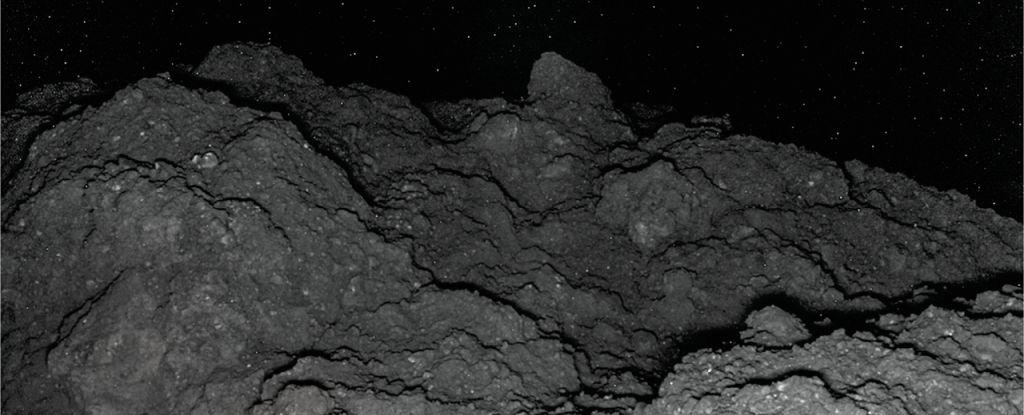
Analysis of grains collected from asteroid Ryugu reveals that the carbon-rich rock originated in the outer reaches of the Solar System before ending up in the asteroid belt and eventually near Earth. This suggests that asteroids can undergo multiple migrations through the Solar System and contain valuable records of its history. Ryugu, a C-type asteroid, is not located in the Main Belt but has similarities to asteroids in that region. The samples retrieved from Ryugu show characteristics consistent with material from the outer Solar System, such as organic matter and isotopes of oxygen. The findings indicate that Ryugu was once a planetesimal that formed in the outer Solar System before being disrupted and sent to the Main Belt, where it was altered by water. The research provides insights into the evolution of the Solar System.

space-science2 years ago

Discovery of Preserved Presolar Silicate Grains in Ryugu Samples

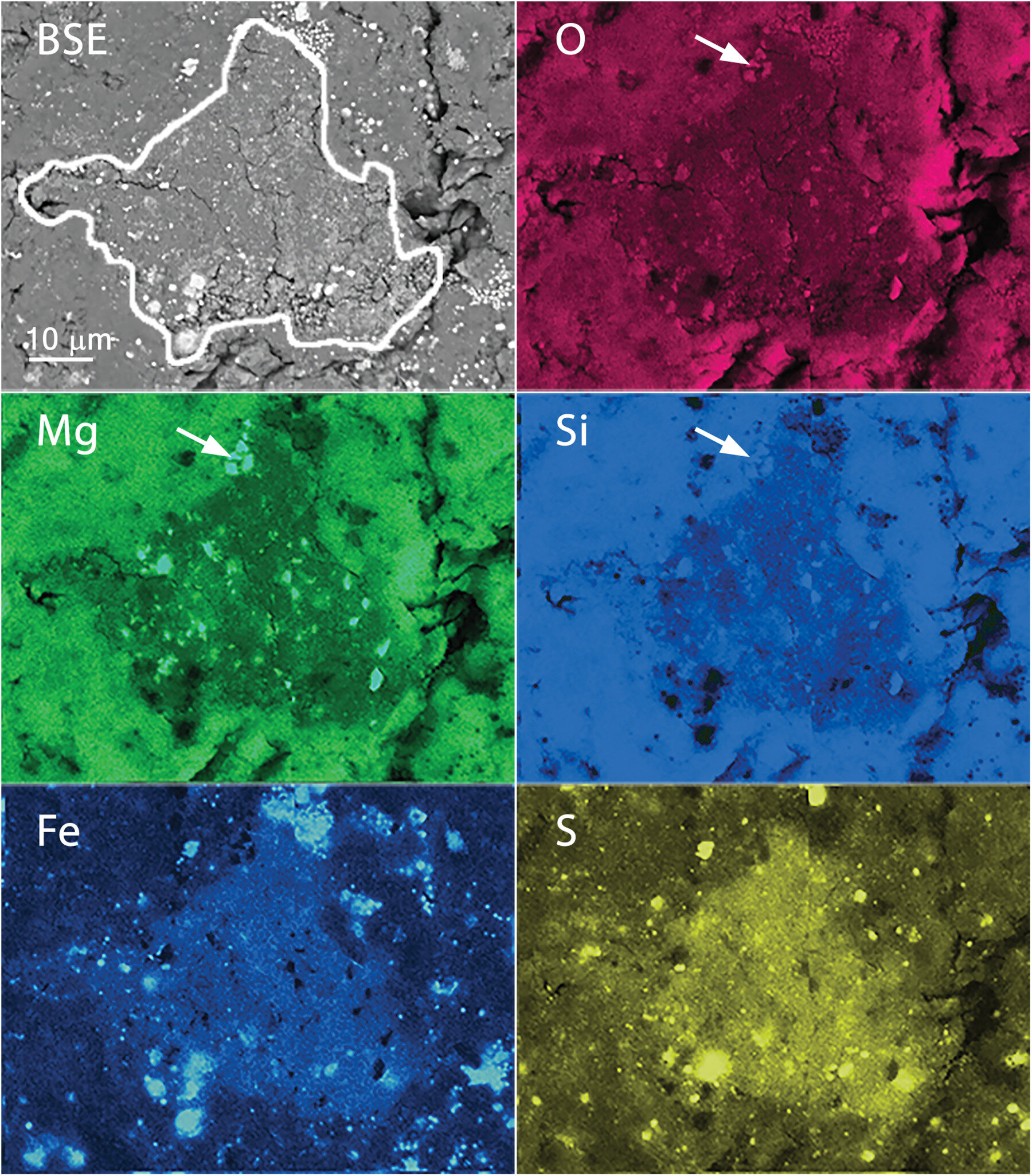
Preserved presolar silicate grains have been discovered in surface samples collected from the Ryugu asteroid by the Hayabusa2 space probe. The unique fragments of rock, known as clasts, were found to have different chemical compositions compared to their surroundings and contained evidence of presolar grains. The presence of these grains suggests that they originated from another location in the solar system, possibly the Kuiper Belt, and somehow became embedded in the rubble field where Ryugu was located.

science2 years ago

The Catastrophic Consequences of an Asteroid Collision with Earth.

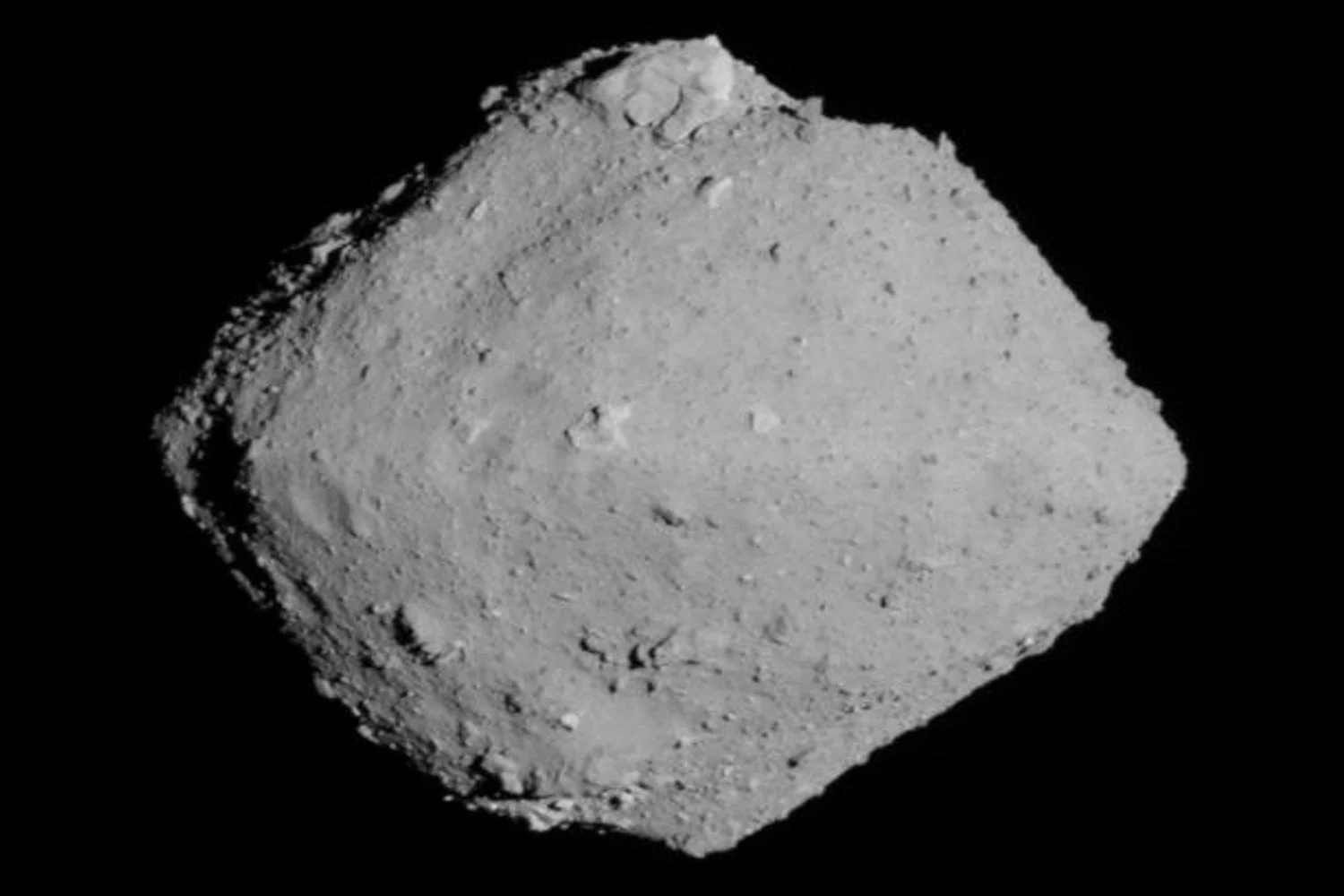
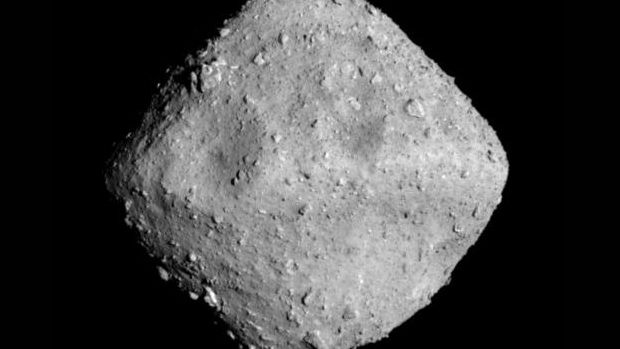
Scientists have calculated that if the asteroid Ryugu were to hit Earth, it would break up in the atmosphere resulting in an airburst similar to the Chelyabinsk meteor in 2013. Ryugu is considered a rubble-pile asteroid with low mechanical strength, meaning scientists would have to take great care to prevent it from breaking apart if they attempted to divert it. The asteroid's tensile strength is currently unknown, which could impact the size of the pieces that would fall to Earth. The analysis of samples returned by the Hayabusa2 spacecraft will help assess the impact of asteroids like Ryugu on Earth.