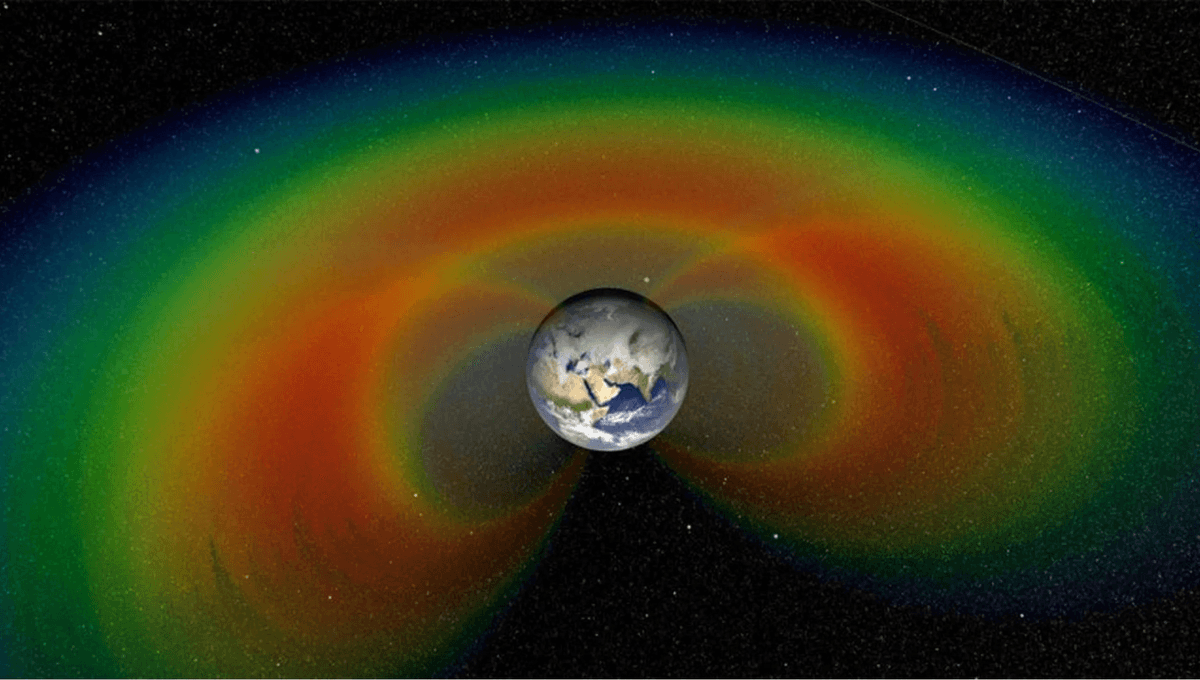
Humans have inadvertently created a human-made barrier around Earth by using radio waves in the VLF range, which influence the Van Allen radiation belts and could potentially be used to protect the planet from cosmic radiation and solar storms.
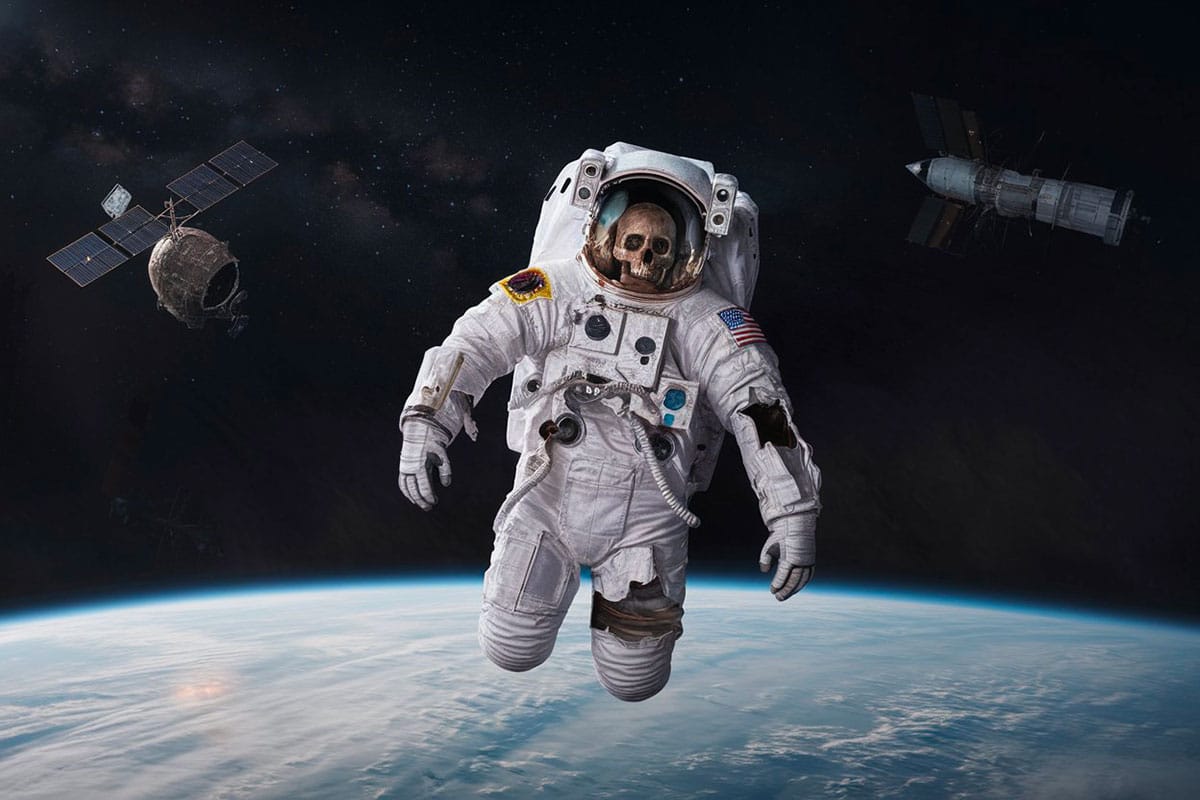
Entering space unprotected is extremely dangerous due to the vacuum causing fluids in the body to boil, extreme temperature fluctuations, and exposure to cosmic radiation, which is why astronauts wear specialized suits that provide pressure, temperature regulation, breathable air, and radiation shielding.
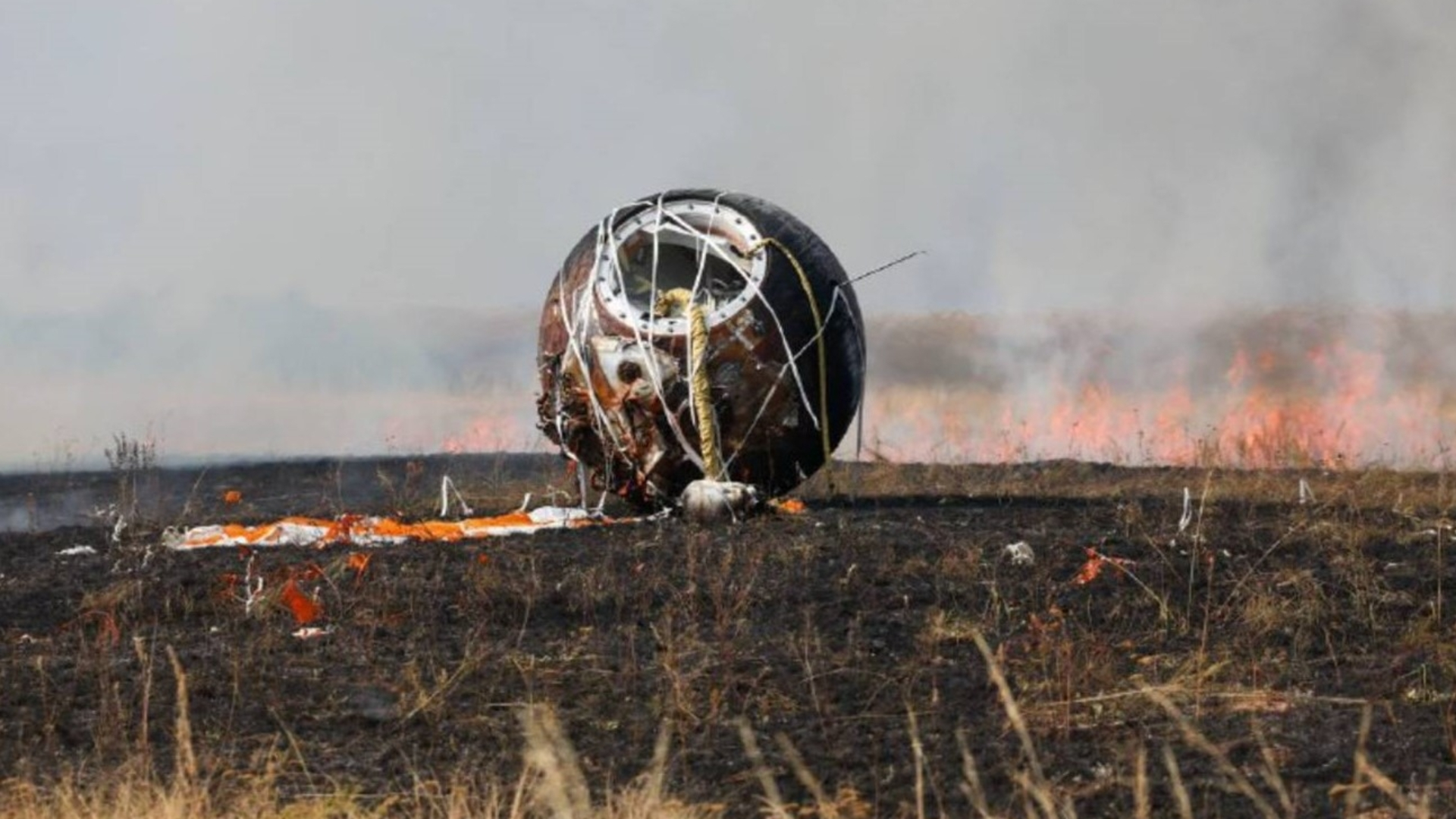
Russia's Bion-M No. 2 space mission, dubbed a 'Noah's Ark,' successfully returned to Earth after 30 days in orbit, carrying mice, flies, and other biological specimens to study the effects of space conditions, including cosmic radiation, on living organisms and to explore theories like panspermia.
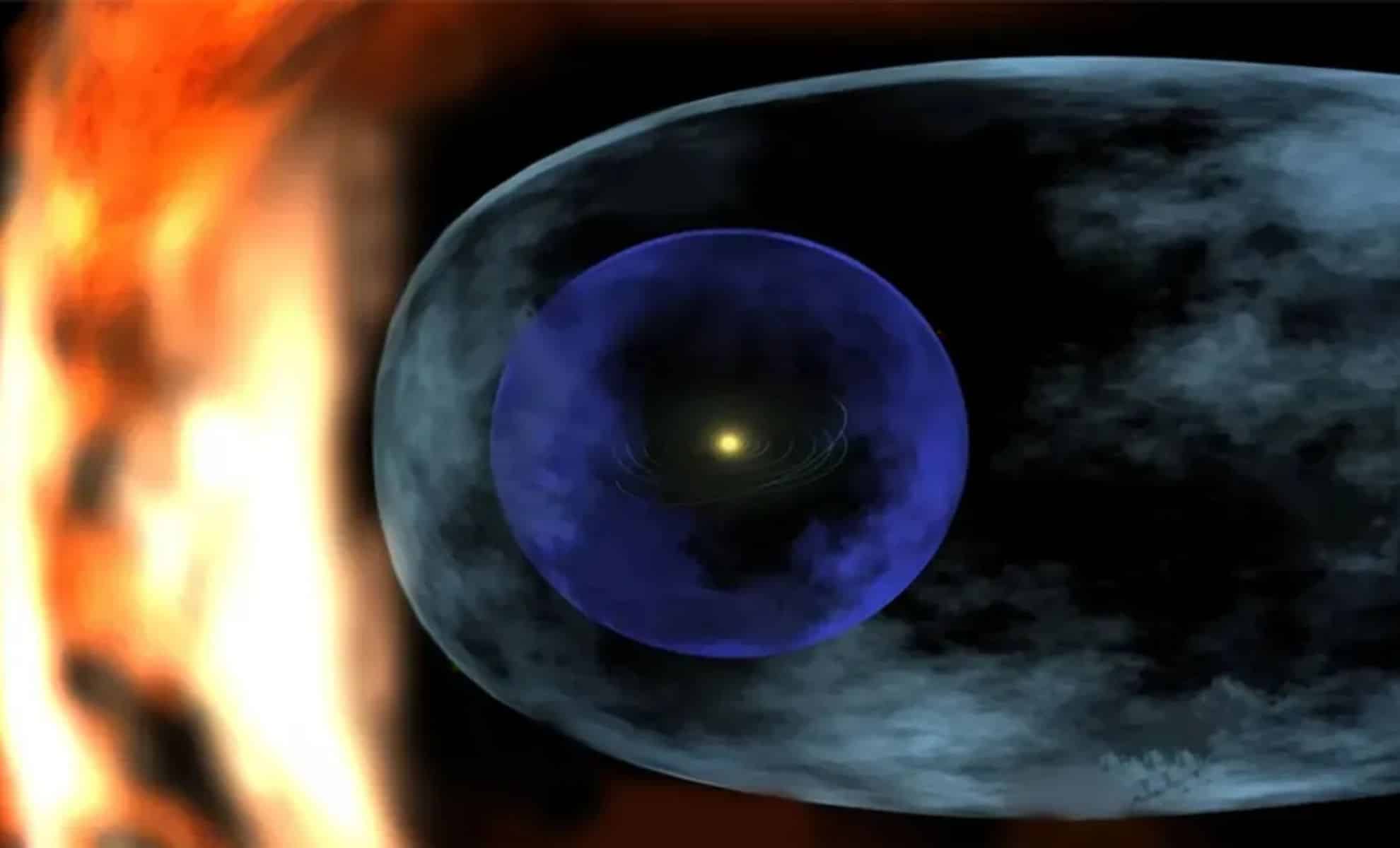
A 2024 study suggests that millions of years ago, the solar system's passage through a dense interstellar cloud compressed the heliosphere, exposing Earth to cosmic particles, which may have caused climate cooling and influenced human evolution. Future encounters with similar clouds are possible, highlighting the importance of space research.
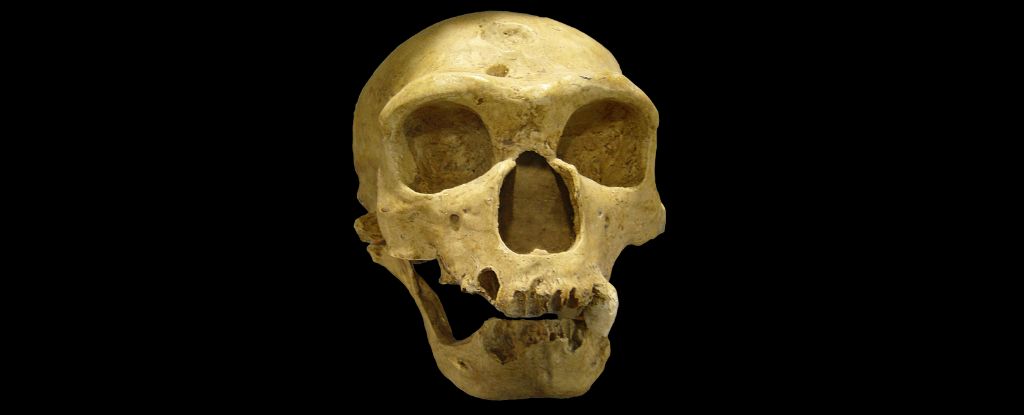
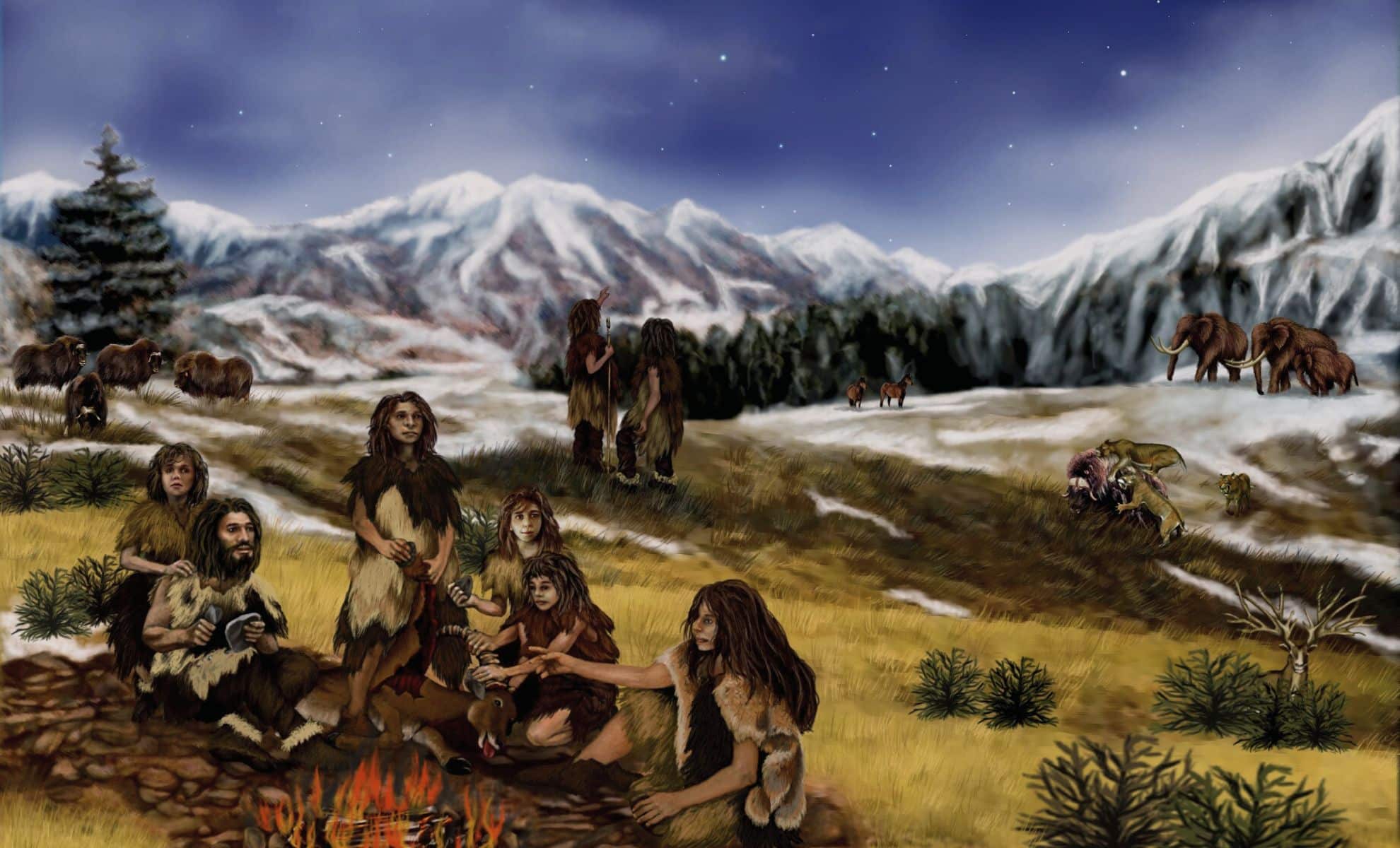
A space physicist proposes that a shift in Earth's magnetic poles around 41,000 years ago, during the Laschamp event, increased cosmic radiation exposure, potentially contributing to Neanderthal extinction, but this hypothesis is debated and lacks conclusive archaeological evidence.
A new study suggests that a shift in Earth's magnetic poles during the Laschamp event 41,000 years ago may have weakened Earth's magnetic shield, allowing harmful cosmic radiation to contribute to Neanderthal extinction, though other factors like competition and technology likely also played roles.
Decomposition in space differs significantly from Earth due to the absence of oxygen, extreme temperatures, and cosmic radiation, which slow down the process and can preserve bodies for extended periods. Bacterial activity is limited without oxygen, and the vacuum of space alters cellular processes. The location in space, such as low Earth orbit versus deep space, affects decomposition rates due to varying environmental conditions. Understanding these processes is crucial for managing space debris and addressing ethical considerations for human remains in space exploration.
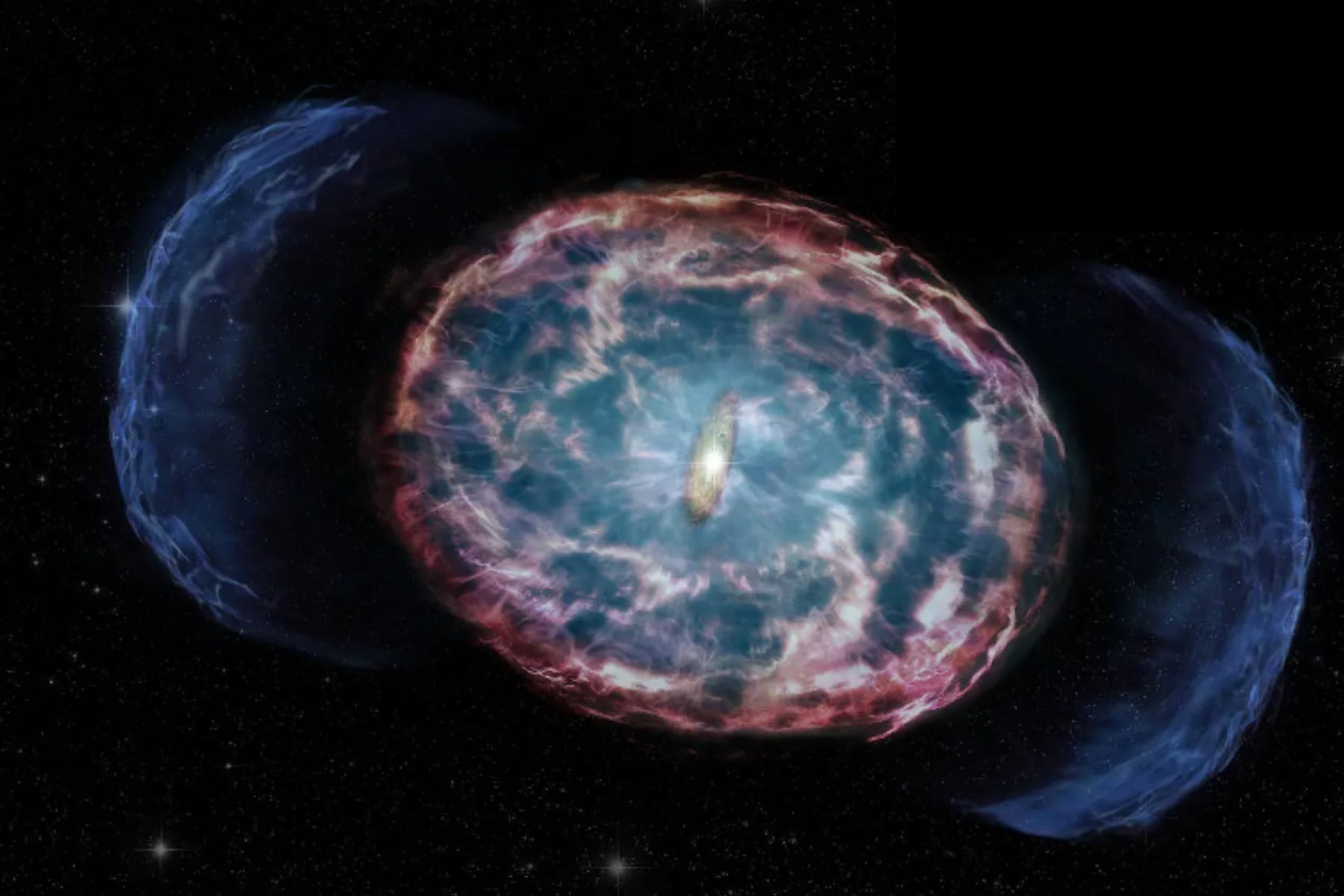
Scientists have calculated that being too close to a kilonova, a massive explosion resulting from the collision of two neutron stars, could be catastrophic for a planet like Earth due to the release of high-energy electromagnetic radiation and cosmic rays. The study, published in The Astrophysical Journal, suggests that Earth would have to be within 3 light-years of a kilonova to be affected by X-ray afterglow and within 13 light-years for gamma rays to have a catastrophic impact. However, the likelihood of a kilonova occurring within these distances from Earth is very low, and the authors conclude that such events are probably not significant threats to life on Earth.
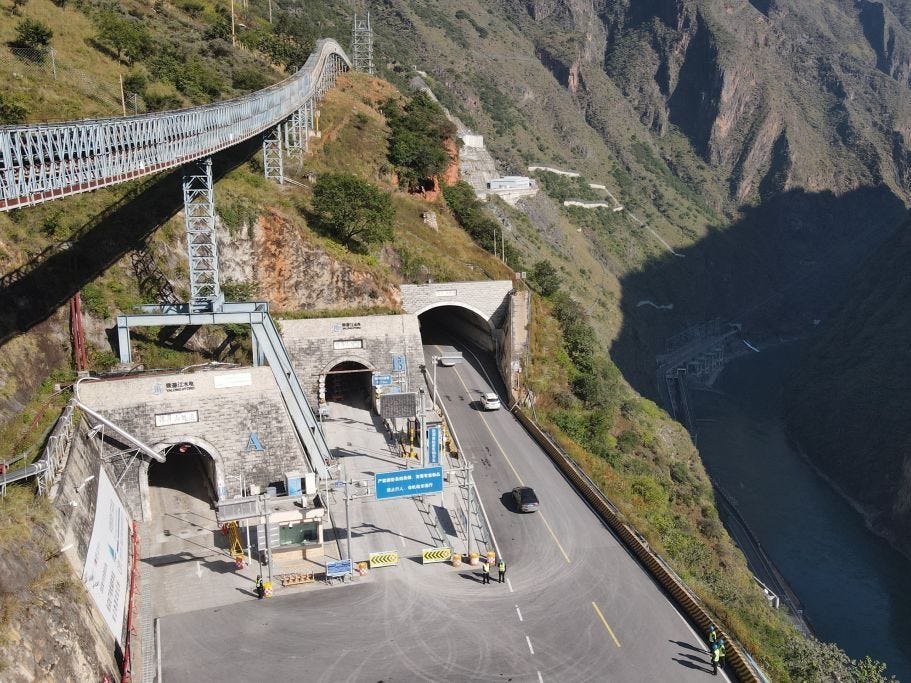
China has opened the world's deepest and largest underground laboratory, the China Jinping Underground Laboratory-II, at 7,800 feet below a mountain in Sichuan Province to study dark matter. The facility aims to shield experiments from cosmic radiation and features an expanded space for experimental equipment, including the Particle and Astrophysical Xenon Experiments (PandaX) and the China Dark Matter Experiment. The laboratory's depth and shielding are expected to provide better sensitivity for detecting dark matter, although it remains to be seen whether this will yield significant breakthroughs in the field of dark matter physics.
As humans prepare to venture deeper into space, scientists are grappling with the health challenges posed by living in space or on other planets for long periods of time. Low gravity in space leads to muscle and bone loss, as well as changes in the heart and eyes. Exposure to cosmic radiation without Earth's magnetic field protection can increase the risk of cardiovascular disease. Isolation, homesickness, and interpersonal drama during long missions can have psychological impacts on astronauts. Despite these challenges, there is no shortage of candidates willing to sign up for deep-space exploration missions. The feasibility and safety of sex in space are also being studied, considering the potential effects of hormonal changes, gravitational challenges, and cosmic radiation on reproduction and crew dynamics.
New NASA-funded research suggests that exposure to high levels of galactic cosmic radiation and microgravity in space can impair vascular tissues, leading to erectile dysfunction. The study, conducted on rats, found that even low exposure to cosmic rays resulted in an increase in oxidative stress, which can damage cells, proteins, and DNA. The negative impacts of cosmic radiation were long-lasting, but treatment with specific antioxidants showed potential for improving tissue function. With manned missions to outer space planned for the future, the study highlights the importance of monitoring sexual health in astronauts upon their return to Earth.
Scientists have received the first transmissions from a muon detector placed 1 km underground in the Stawell Underground Physics Laboratory. The detector records cosmic radiation levels to ensure a pristine environment for the upcoming SABRE South experiment, which aims to detect dark matter particles. The initial data showed significantly lower levels of radiation underground compared to above ground, marking an exciting milestone for the project. The muon detector will continue to monitor radiation levels as preparations are made for the SABRE South experiment.
Chinese scientists have created a new map of the Milky Way using data from the Large High Altitude Air Shower Observatory (LHAASO), challenging conventional theories about cosmic radiation. The map reveals that the galaxy's disc emits gamma rays at ultra-high energies, contradicting previous models that predicted a cut-off point. The findings suggest that existing models need significant modifications and provide new insights into the origins and propagation of cosmic rays. The research highlights the importance of collaboration among major cosmic ray detectors to confirm observation results and gain a better understanding of cosmic radiation.
A new study by Polish researchers has found that the intensity of global seismic activity is linked to the average variation in the intensity of secondary particles created by cosmic radiation, with a time lag of around two weeks. The team believes that the correlation could be used to predict powerful earthquakes, potentially reducing the impact of such natural disasters. The research exemplifies the fact that Earth's massive magnetic field can actually act as a huge and extremely sensitive particle detector.
The CREDO project has found a strong correlation between cosmic radiation and earthquakes, although not in a way that anyone expected. The study found that there is a connection between cosmic rays and seismicity, but it is not clear whether cosmic radiation causes earthquakes or some process inside Earth causes a regular and complex effect with radiation that precedes a seismic shock. The findings open the door to consider other less conventional explanations, such as dark matter streams. The correlation is only evident when cosmic ray data shifts 15 days relative to seismic data, suggesting it could give scientists information on earthquakes well in advance.