Tag

Oxygen Levels

All articles tagged with #oxygen levels

New Discoveries Reveal Complex Layers and States in Earth's Inner Core

Originally Published 27 days ago — by Earth.com

Featured image for New Discoveries Reveal Complex Layers and States in Earth's Inner Core
Source: Earth.com

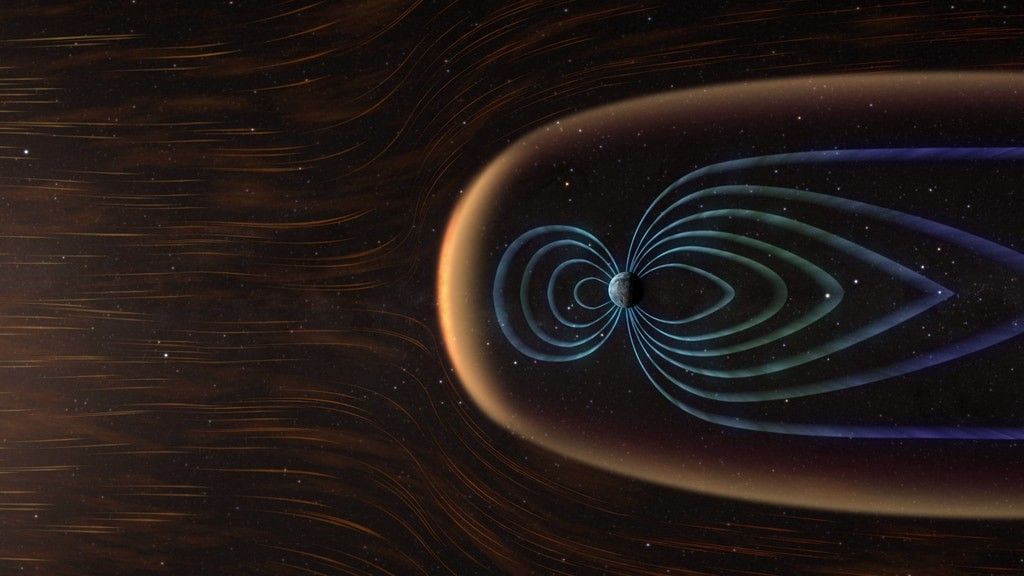
A NASA-led study reveals a strong correlation between Earth's magnetic field and atmospheric oxygen levels over the past 540 million years, suggesting that processes in Earth's molten core have played a crucial role in creating conditions suitable for complex life, with implications for understanding planetary habitability and the search for life on exoplanets.

NASA Finds Connection Between Earth's Core and Oxygen Levels

Originally Published 6 months ago — by The Daily Galaxy

Featured image for NASA Finds Connection Between Earth's Core and Oxygen Levels
Source: The Daily Galaxy

NASA research reveals a surprising correlation between Earth's magnetic field fluctuations over the past 540 million years and atmospheric oxygen levels, suggesting deep Earth processes may influence conditions vital for life, with further studies planned to explore this connection and its implications for understanding Earth's history.

Scientists Uncover Ancient Connection Between Earth's Magnetic Field and Oxygen Levels

Originally Published 6 months ago — by Hackaday

Featured image for Scientists Uncover Ancient Connection Between Earth's Magnetic Field and Oxygen Levels
Source: Hackaday

Researchers have found a strong correlation between Earth's magnetic field strength and oxygen levels since the Cambrian explosion, suggesting that core dynamics and mantle interactions may influence both, potentially affecting the evolution of life on Earth.

Earth's Magnetic Field Strengthens, Boosting Atmospheric Oxygen and Life Potential

Originally Published 6 months ago — by NASA Science (.gov)

Featured image for Earth's Magnetic Field Strengthens, Boosting Atmospheric Oxygen and Life Potential
Source: NASA Science (.gov)

NASA scientists have found a correlation between Earth's magnetic field strength and atmospheric oxygen levels over the past 540 million years, suggesting a possible link between deep Earth processes and surface habitability. The study analyzed historical data from minerals and rocks, revealing that magnetic field fluctuations and oxygen levels have followed similar patterns since the Cambrian explosion, potentially influenced by internal planetary dynamics.

New findings suggest earlier oxygenation of Earth's oceans and atmosphere

Originally Published 7 months ago — by Earth.com

Featured image for New findings suggest earlier oxygenation of Earth's oceans and atmosphere
Source: Earth.com

Scientists have uncovered new evidence that the rise of oxygen in Earth's atmosphere, known as the Great Oxidation Event, began earlier than previously thought, around 2.5 billion years ago, leading to significant changes in the planet's environment and the evolution of complex life. Using advanced geochemical techniques on ancient rock cores from South Africa, researchers traced nitrogen isotope ratios to reconstruct the timeline of oxygenation, revealing a gradual process that profoundly shaped Earth's biosphere.

In-Flight Alcohol and Napping Linked to Heart Risks, Study Finds

Originally Published 1 year ago — by NBC News

Featured image for In-Flight Alcohol and Napping Linked to Heart Risks, Study Finds
Source: NBC News

A new study published in the journal Thorax reveals that consuming alcohol before sleeping on long-haul flights can significantly lower blood oxygen levels and increase heart rates, even in healthy individuals. The research, conducted by the German Aerospace Center, found that these effects are exacerbated by the low air pressure in airplane cabins, potentially posing serious risks for people with pre-existing medical conditions. Experts advise against drinking alcohol while flying to avoid these health risks.

"Europa's Oxygen Levels Lower Than Expected, Dimming Hope for Habitability"

Originally Published 1 year ago — by VOA Learning English

Featured image for "Europa's Oxygen Levels Lower Than Expected, Dimming Hope for Habitability"
Source: VOA Learning English

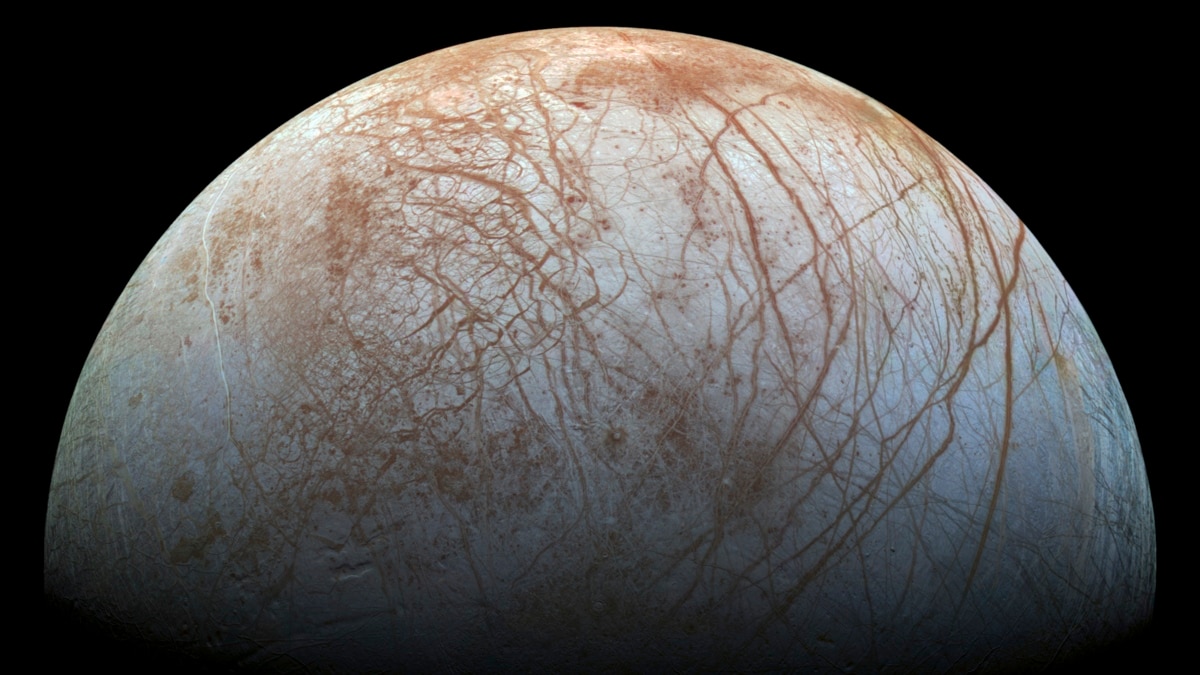
New data from NASA's Juno spacecraft suggests that Jupiter's moon Europa produces much less oxygen than previously thought, with estimates substantially lower than earlier studies. The findings have implications for the moon's potential habitability, as Europa is believed to have a large ocean beneath its icy surface. The lower oxygen estimates challenge earlier observations and highlight the need for further research to confirm the latest findings, as NASA prepares to launch its Europa Clipper mission to search for signs of life on the moon.

"Europa's Oxygen Production: Potential for Supporting 1M Humans"

Originally Published 1 year ago — by ScienceAlert

Featured image for "Europa's Oxygen Production: Potential for Supporting 1M Humans"
Source: ScienceAlert

New findings from the Juno mission to Jupiter's moon Europa reveal that the moon's icy surface produces less oxygen than previously thought, potentially dashing hopes for finding microbial life there. Despite evidence of an ocean below the surface and the presence of essential chemical elements, the rate of oxygen loss from the moon's atmosphere may limit its habitability. Other potential candidates for alien life in our solar system include Mars, Saturn's moon Enceladus, and Titan. Future missions, such as NASA's Europa Clipper and the Juice mission, are expected to provide more information on Europa's habitability.

"Apple Watch Heroics: Life-Saving Feats at 14,000 Feet"

Originally Published 2 years ago — by View from the Wing

Featured image for "Apple Watch Heroics: Life-Saving Feats at 14,000 Feet"
Source: View from the Wing

Dr. Rashid Riaz, a doctor with Britain’s National Health Service, used an Apple Watch borrowed from a flight attendant to save a passenger's life mid-flight by monitoring her oxygen levels and determining she needed onboard oxygen. Despite Apple's disclaimer that the device's blood oxygen level measurements are for wellness purposes only, the information provided crucial assistance in the medical emergency. The incident highlights the potential for wearable technology to aid in real-time health monitoring, while also raising questions about the limitations and regulations surrounding such devices.

"Apple Watch Assists Doctor in Aid of Ryanair Passenger"

Originally Published 2 years ago — by BBC.com

Featured image for "Apple Watch Assists Doctor in Aid of Ryanair Passenger"
Source: BBC.com

NHS doctor Rashid Riaz used an Apple Watch borrowed from a flight attendant to aid an elderly woman experiencing a medical emergency on a Ryanair flight from Birmingham to Verona. The device helped him monitor the patient's oxygen levels, and he also requested an on-board oxygen cylinder to maintain her saturation levels until landing in Italy. Dr. Riaz praised the airline staff but called for all airlines to have emergency physician kits as standard, including basic medical tools, to potentially save lives in similar situations.

"Biosphere Experiment Ends in Disaster: Eight People's Two-Year Isolation Turns Tragic"

Originally Published 2 years ago — by IFLScience

Featured image for "Biosphere Experiment Ends in Disaster: Eight People's Two-Year Isolation Turns Tragic"
Source: IFLScience

Eight people attempted to live in Biosphere 2 for two years, but the project encountered numerous challenges including food shortages, dropping oxygen levels, and infestations. The experiment, initially intended to simulate a self-sustaining ecosystem, ultimately required outside supplies to sustain the residents. The project's unexpected difficulties highlighted the need to anticipate and address potential issues in creating sustainable habitats for space exploration.

20-Minute Exercise: The Brain-Boosting Solution for Sleep Deprivation

Originally Published 2 years ago — by Neuroscience News

Featured image for 20-Minute Exercise: The Brain-Boosting Solution for Sleep Deprivation
Source: Neuroscience News

A new study conducted by the University of Portsmouth reveals that moderate exercise can improve cognitive performance (CP) even in conditions of sleep deprivation and low oxygen levels. The study involved two experiments with a total of 24 participants and consistently showed that a 20-minute cycling session significantly enhanced CP regardless of sleep status or oxygen levels. This research highlights the positive impact of exercise on mitigating cognitive deficits caused by common stressors and emphasizes the importance of physical activity for both the body and the brain.