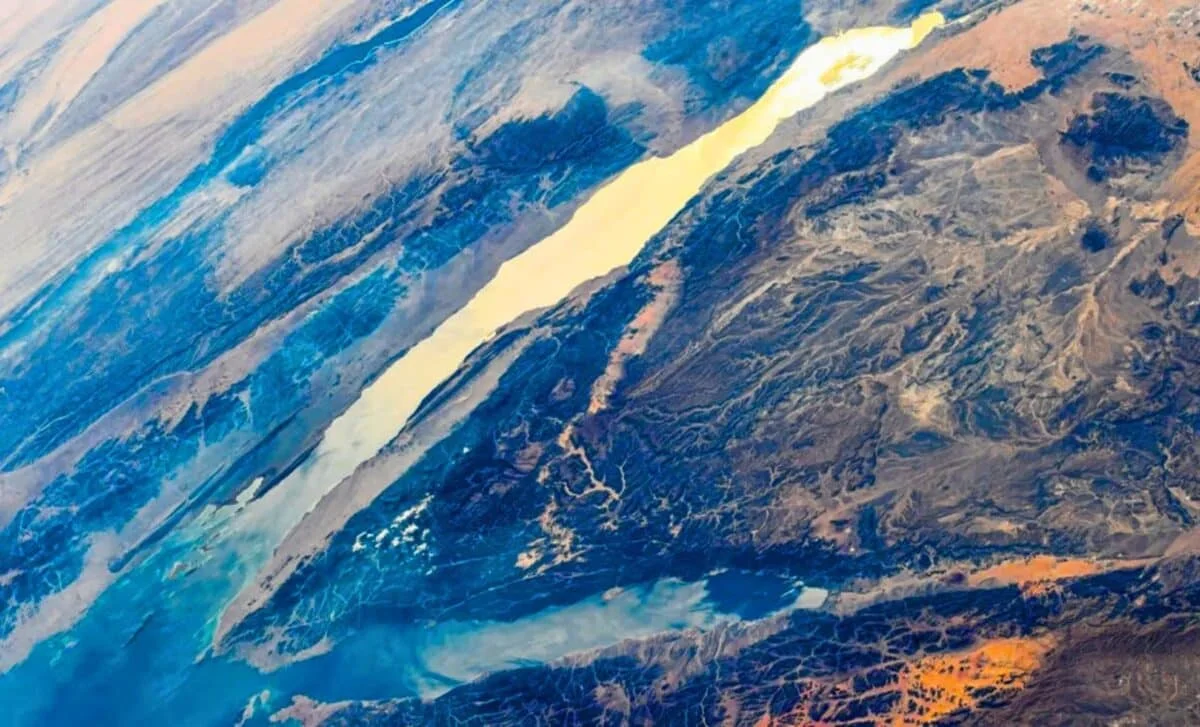
Recent geophysical studies reveal that the Suez Rift, previously considered inactive, is still slowly and persistently stretching, challenging traditional models of rift evolution and highlighting ongoing tectonic processes that could impact regional infrastructure and resource management.
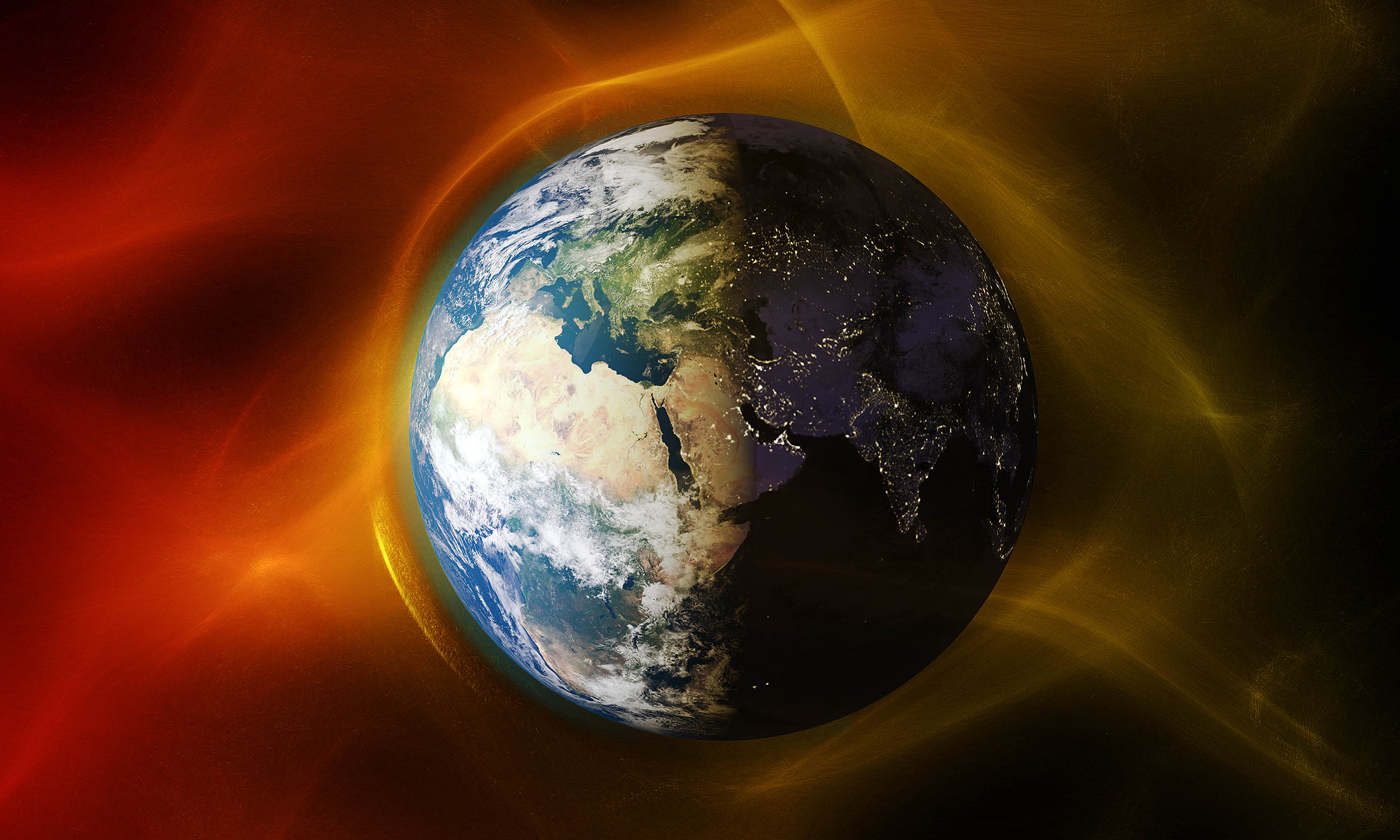
A NASA-led study reveals a strong correlation between Earth's magnetic field and atmospheric oxygen levels over the past 540 million years, suggesting that processes in Earth's molten core have played a crucial role in creating conditions suitable for complex life, with implications for understanding planetary habitability and the search for life on exoplanets.
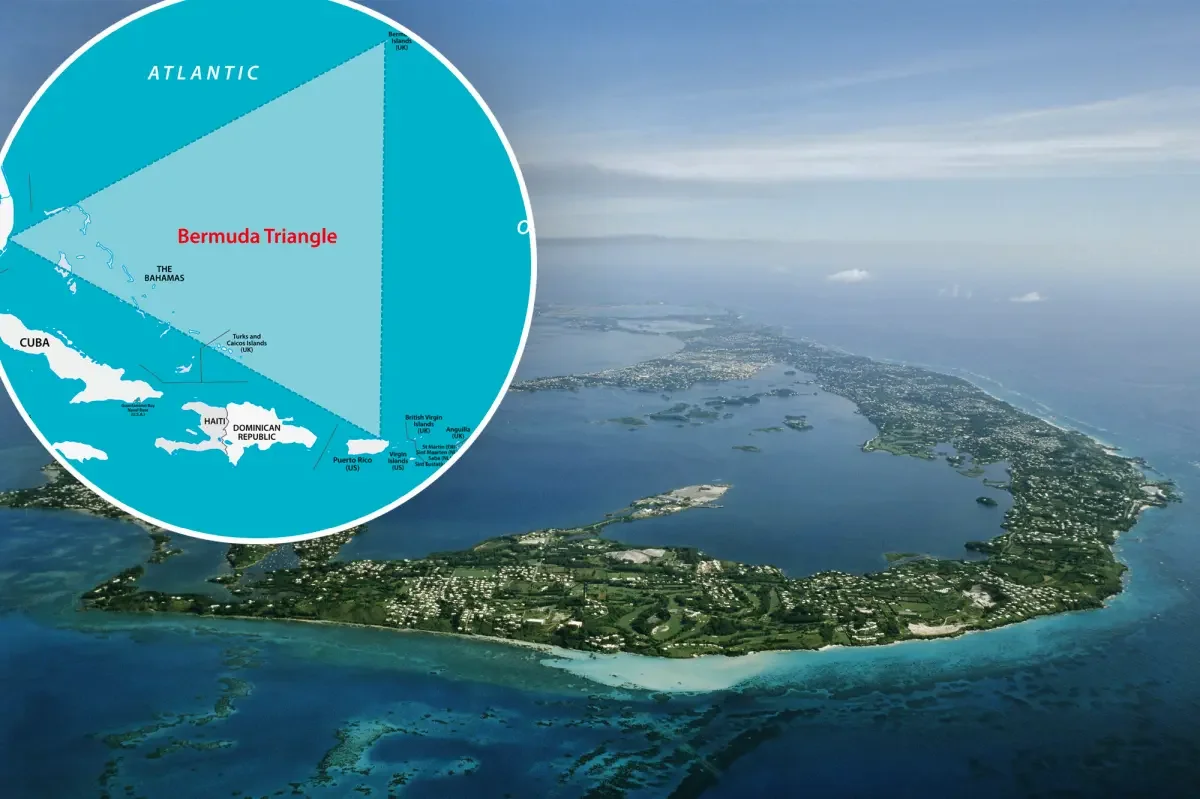
Scientists have discovered an unusual, thick, less dense rock layer beneath Bermuda's oceanic crust, which may explain why the island has remained afloat despite volcanic inactivity for over 30 million years. This layer, possibly formed from stalled magma or mantle modifications, appears to be holding Bermuda up and is unique compared to similar layers worldwide, offering insights into Earth's geological processes.
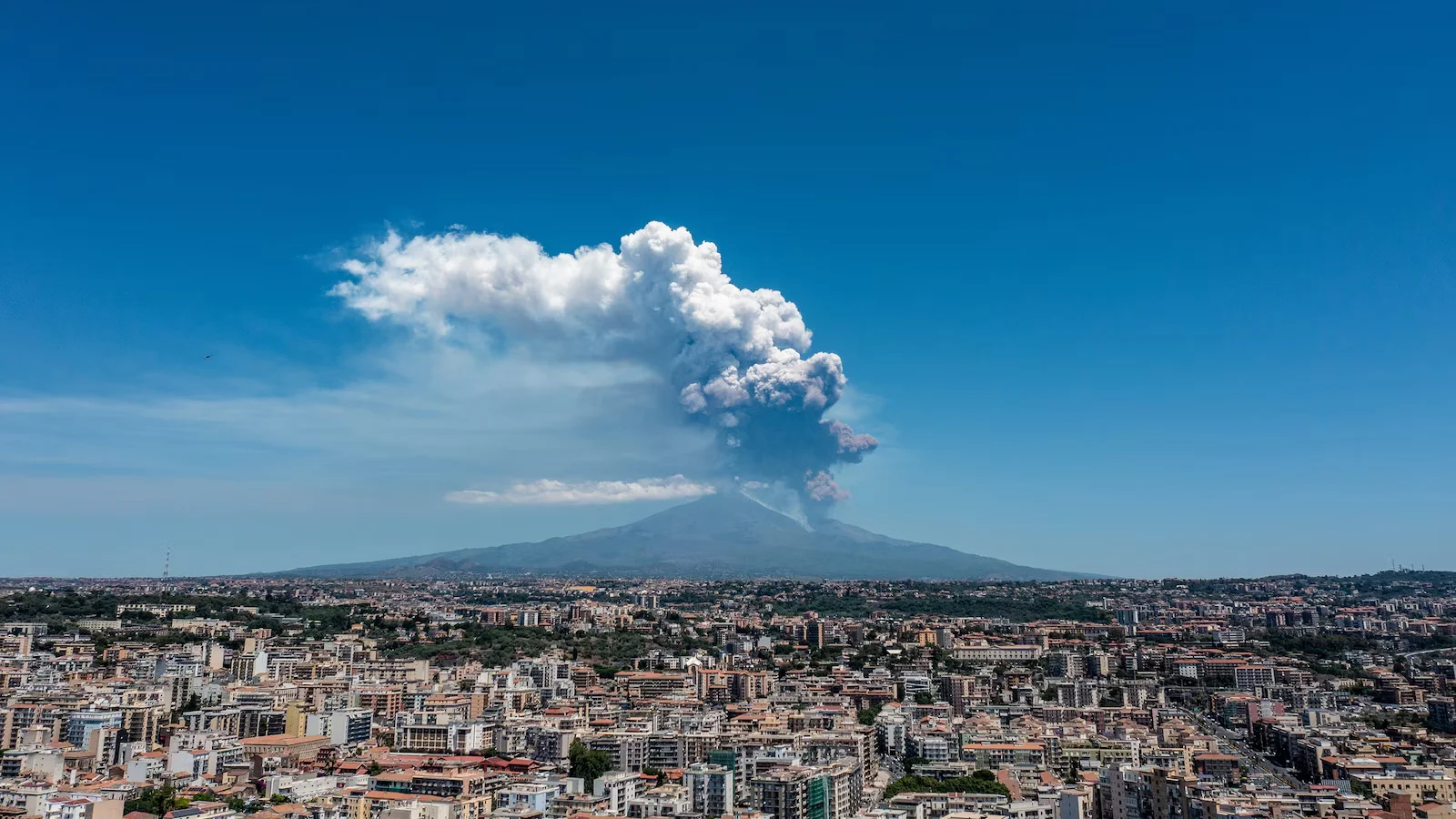
Scientists have developed a new method to predict eruptions at Mount Etna by monitoring the b value, which measures earthquake magnitudes, allowing earlier warnings of potential eruptions based on crustal stress changes and magma movement, potentially providing critical lead time for nearby communities.
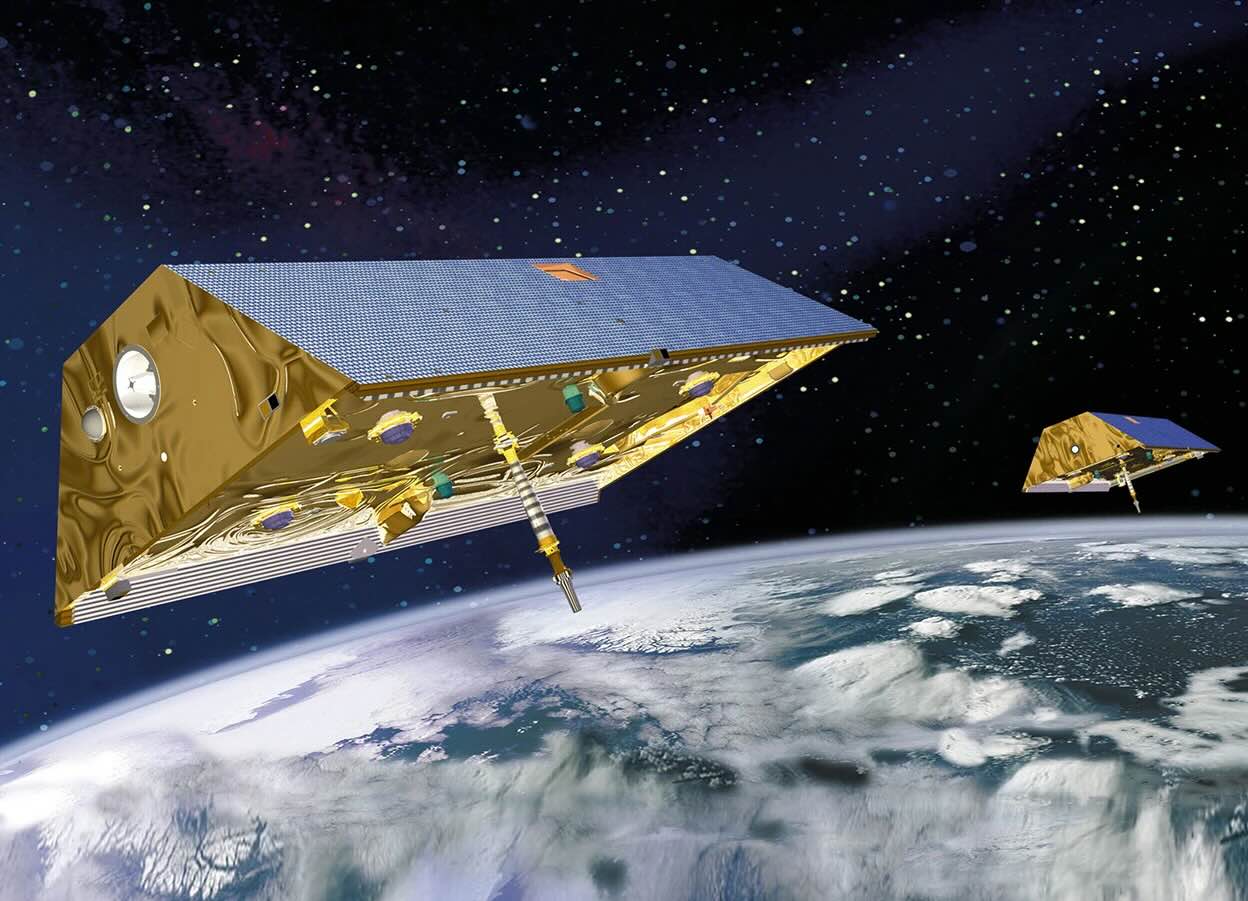
Recent analysis of satellite data from GRACE reveals that processes deep within Earth's mantle, possibly involving mineral phase transitions, are causing changes in the planet's gravity field, with potential implications for understanding Earth's internal dynamics and magnetic field variations.
A new study warns that climate pollution is reducing Earth's upper atmospheric density, which, combined with solar-triggered geomagnetic storms, could significantly increase risks to GPS and communication satellites in the coming decades, potentially damaging satellite operations and increasing space junk.
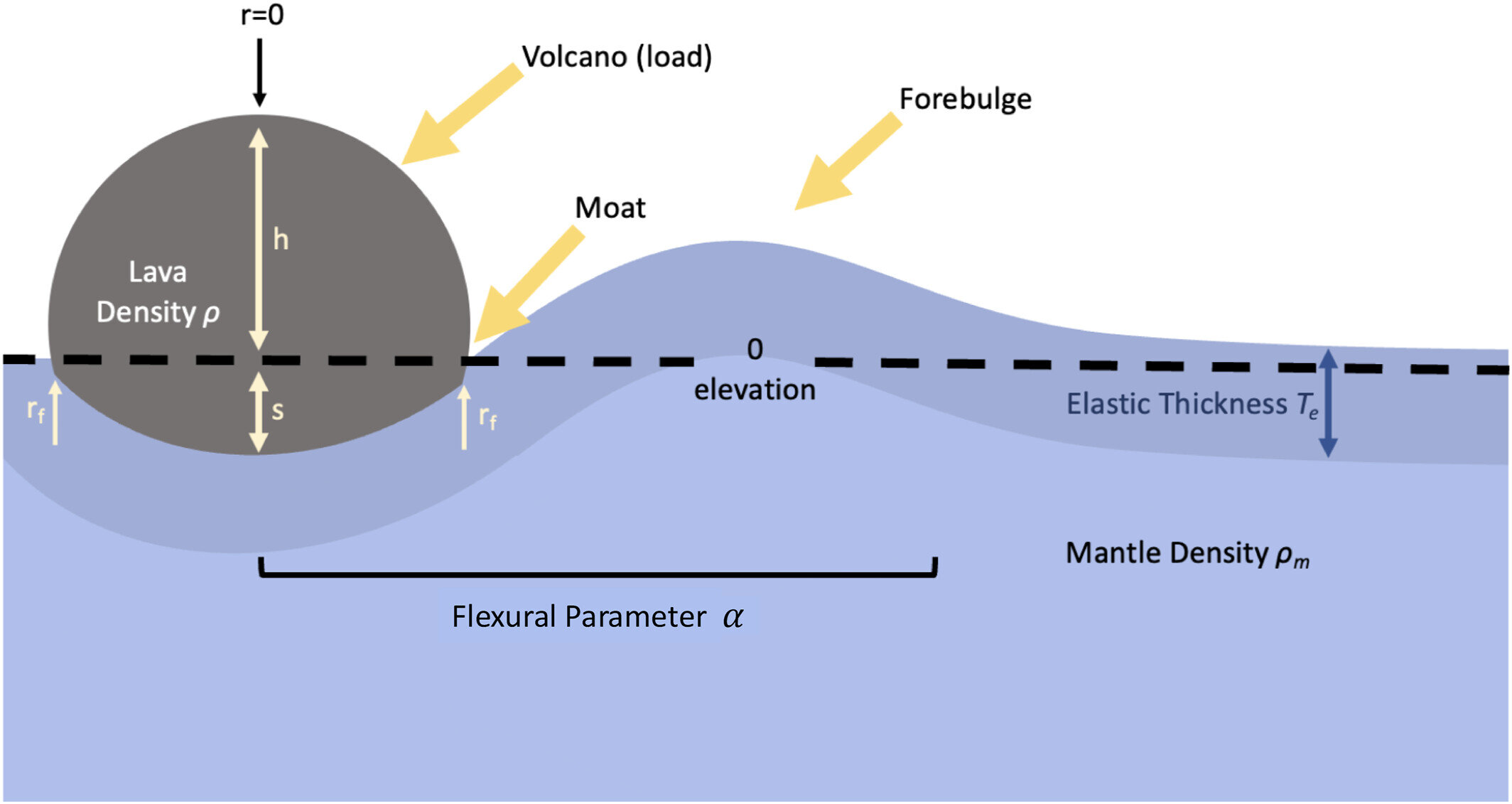
Scientists used NASA data and virtual modeling to show that Venus's flat-topped pancake domes likely formed due to the planet's elastic lithosphere and the emission of dense lava, with gravity flattening the lava and creating steep sides.
Scientists have discovered that South Africa is gradually rising out of the ocean due to drought-induced water loss, which reduces underground pressure and causes the land to uplift, offering a new method for monitoring groundwater reserves and managing water crises.
A recent study published in Geophysical Research Letters reveals that extensive groundwater pumping by humans has caused the Earth to tilt by 31.5 inches over the past two decades. This redistribution of water contributes to sea level rise, highlighting the significant impact human activities can have on the planet's natural systems. The study emphasizes that groundwater redistribution has a larger effect on the Earth's rotational pole drift than other climate-related factors.
Scientists have discovered that mysterious craters in Siberia are caused by explosions of methane gas due to melting permafrost. This process, known as "osmotic pumping," occurs when warmer temperatures melt the icy "glue" in permafrost, allowing water to seep through and increase pressure on methane hydrates below. The resulting explosions create large craters and contribute to climate change by releasing methane, a potent greenhouse gas. This phenomenon is expected to increase as climate change continues to affect Arctic regions.
A new study suggests that large oceanic plateaus in the western Pacific Ocean are not rigid slabs but weak spots being torn apart by distant forces at the plate's edge, challenging previous understanding of tectonic plate dynamics. The research indicates that these plateaus are being stretched and thinned by pull forces at the Pacific plate's edge, even though they are located hundreds to thousands of kilometers from the nearest plate boundary. The findings highlight the need for further exploration and data collection to better understand the complexities of the seafloor and tectonic plate behavior.
Scientists have discovered that the excessive extraction of groundwater for agriculture and households has contributed to a shift in Earth's axis, altering its spin. The accelerated melting of polar ice sheets and mountain glaciers had already affected the planet's rotation, but now researchers have identified groundwater depletion as another significant factor. The study highlights the consequences of overusing groundwater, including land sinking, infrastructure damage, and reduced underground water storage capacity. The findings provide new insights into the impact of human activity on Earth's spin and suggest the potential use of historical data to study shifts in groundwater use and its relationship to climate change.
A new study by researchers at South Korea's Seoul National University suggests that humans extracted so much groundwater between 1993 and 2010 that it shifted the Earth's poles and caused sea levels to rise. The researchers found that the Earth tilted almost 31.5 inches in those years, a process known as "polar motion." The study highlights the impact of human activity on the planet and the various factors contributing to sea level rise. Groundwater extraction had not been isolated when studying this effect until now.
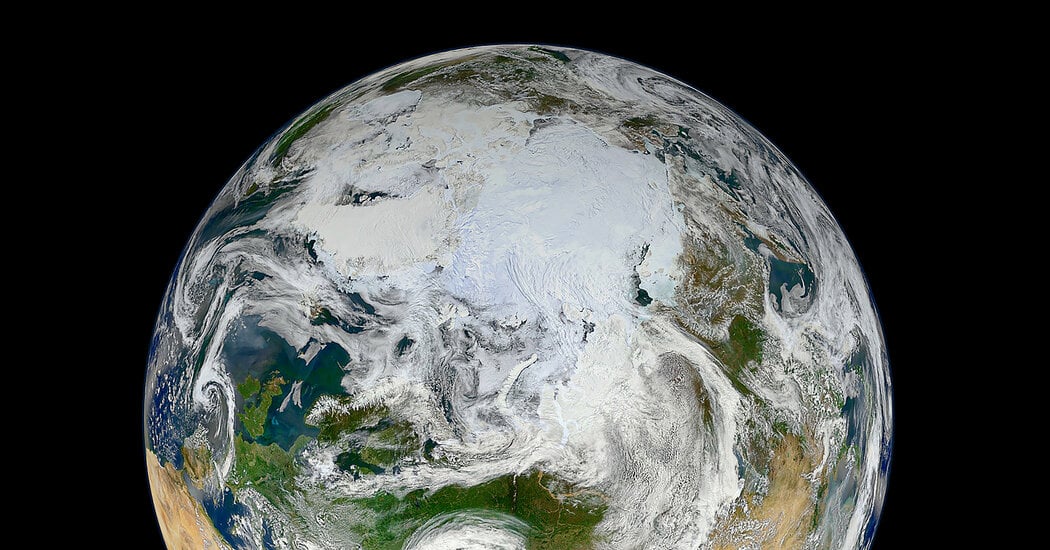
Human depletion of underground reservoirs, mainly caused by irrigation, has caused the North Pole to shift at a speed of 4.36 centimetres per year, according to a study published in Geophysical Research Letters. The net water lost from underground reservoirs between 1993 and 2010 is estimated to be more than 2 trillion tons, causing a measurable tilt in the planet's axis of rotation. The depletion of groundwater has shifted the global distribution of water, leading to a water crisis.