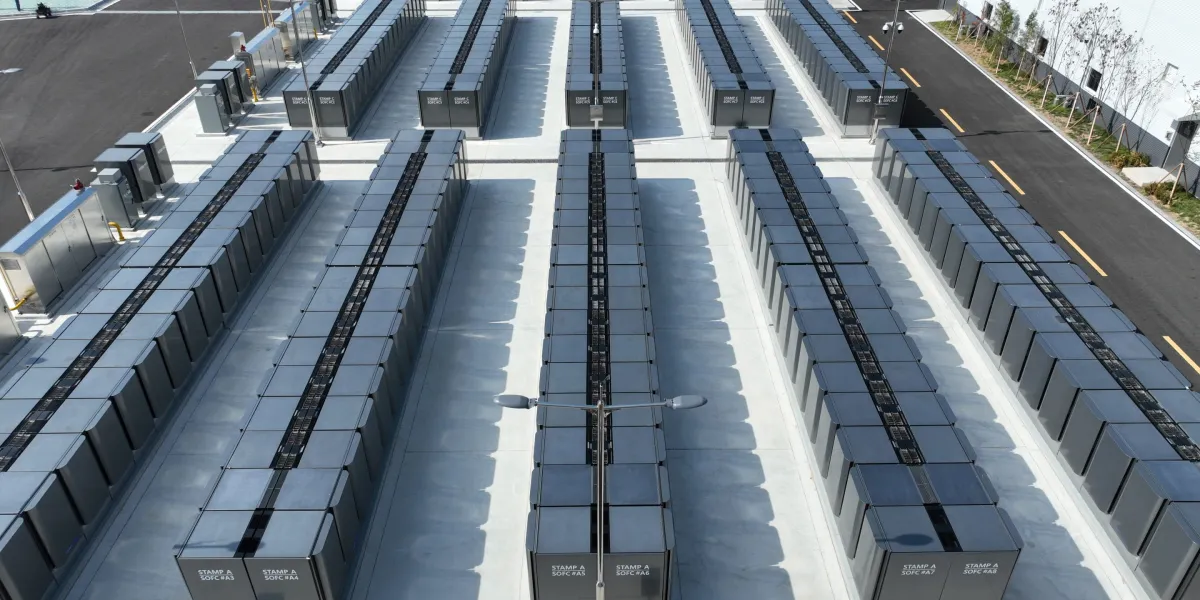
Bloom Energy's stock has surged 1,000% in a year due to its fuel cells providing a quick, clean power solution for the booming data center industry, especially in the AI era, with significant deals and a focus on scalable, on-site power generation using cost-effective solid oxide fuel cells.
Bloom Energy's stock has surged over 540% in a year due to its role in powering data centers for AI and cloud computing, but Jefferies recommends selling, citing overvaluation and the need for more substantial data-center orders to justify its high valuation, which is around 81 times earnings. The company's future growth depends on securing more large-scale deals, but visibility into such orders remains uncertain.
A new man-made crystal that can breathe oxygen like lungs could revolutionize clean energy technologies, including fuel cells and smart windows, by enabling efficient oxygen absorption and release at moderate temperatures, potentially enhancing energy efficiency and supporting climate goals.
Bloom Energy's stock soared 70% after announcing a deal with American Electric Power to supply up to 1 gigawatt of fuel cells for AI data centers, marking the largest commercial procurement of such technology globally. The agreement includes an initial order of 100 megawatts of solid oxide fuel cells, with potential expansions in 2025. Analysts upgraded Bloom Energy's stock, estimating the deal could generate $3 billion in revenue and position the company as a key player in powering large-scale data centers.
Researchers in Japan have found that adding caffeine to fuel cells can enhance their efficiency, reduce the need for platinum in electrodes, and significantly lower the cost of production. This discovery could lead to more widespread adoption of fuel cells in various applications, such as powering datacenters and electric vehicles. Additionally, other projects around the world are exploring the use of fuel cells for datacenter power, indicating a growing interest in this technology.
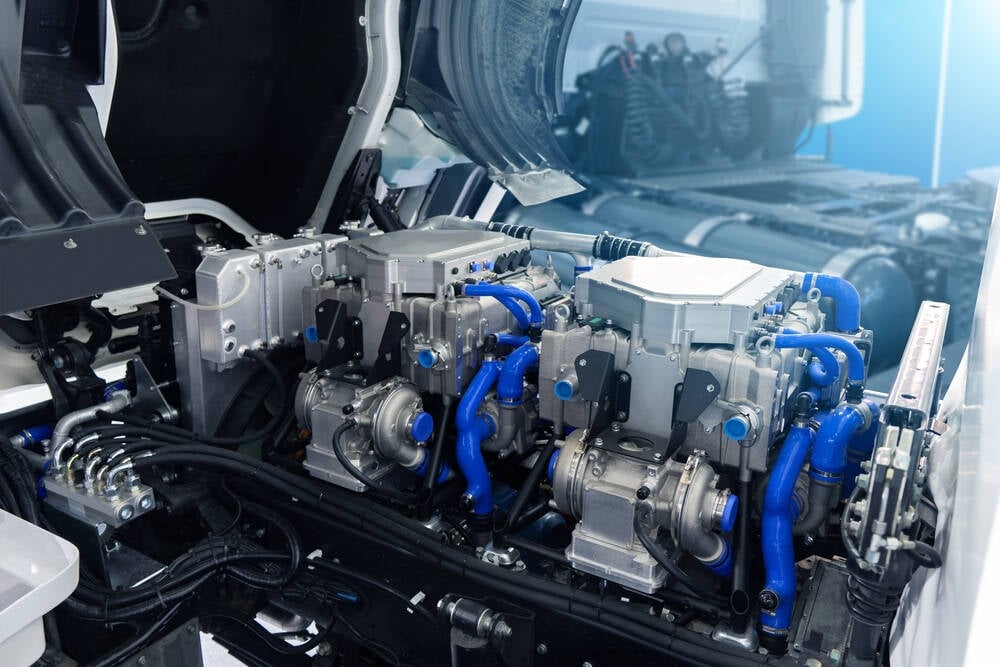
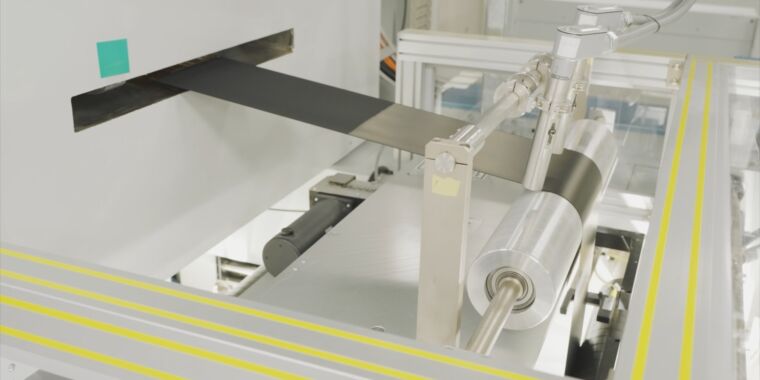
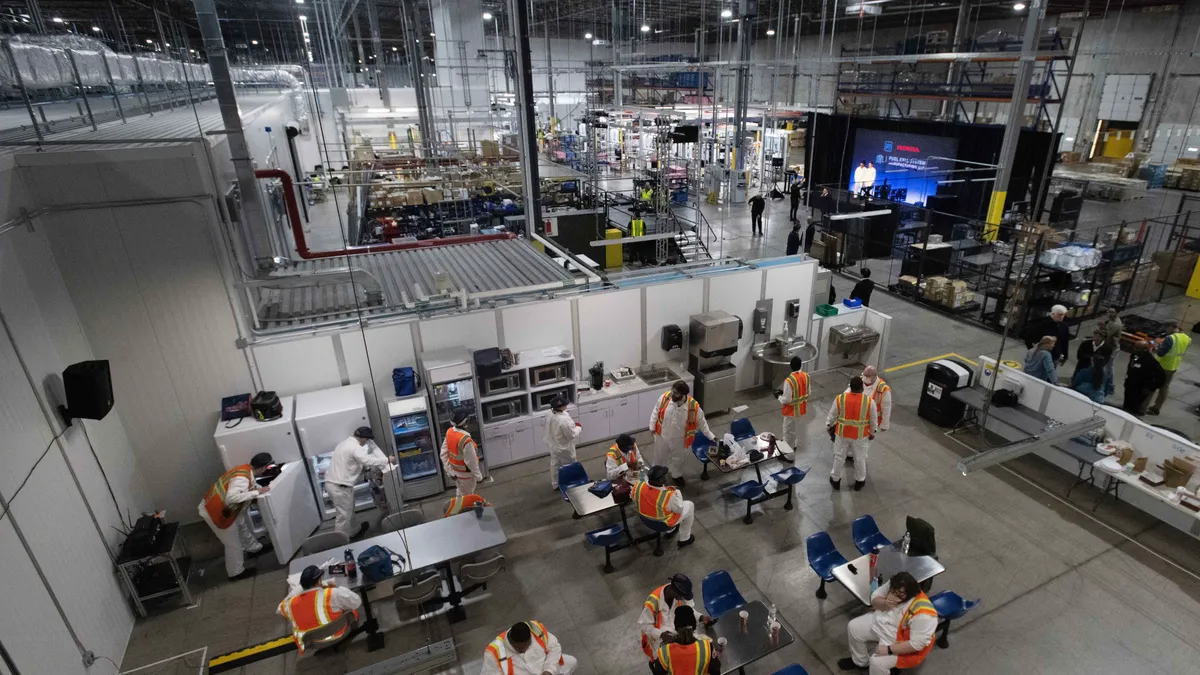
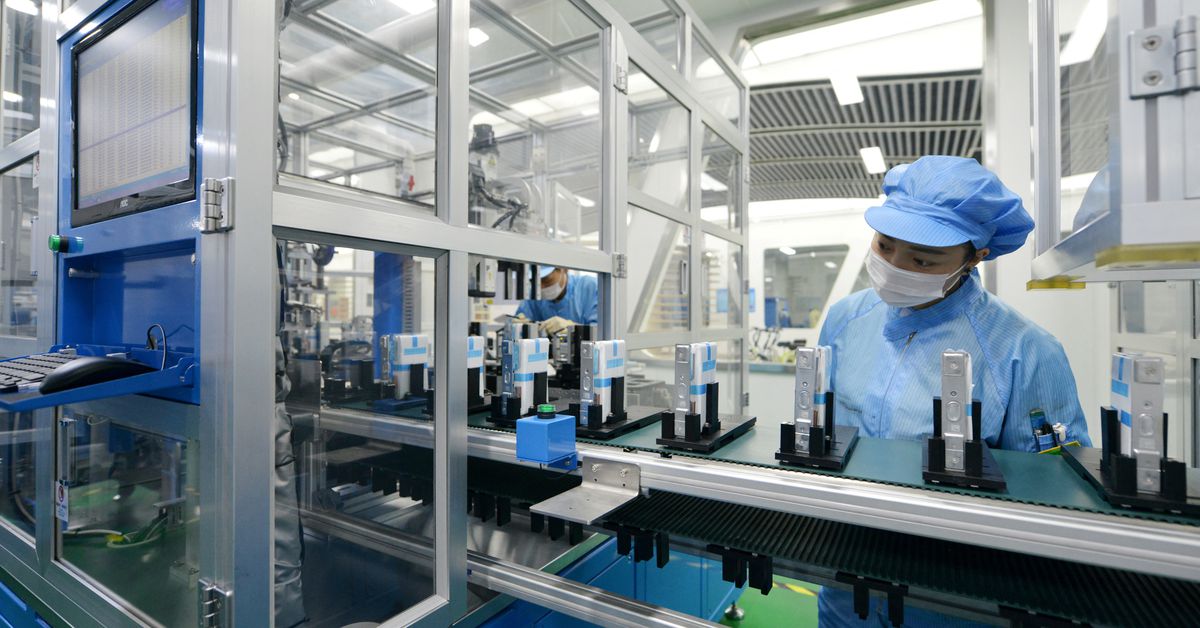
General Motors and Honda's joint venture, Fuel Cell System Manufacturing LLC, has begun commercial production of hydrogen fuel cell systems at a facility in Brownstown, Michigan. The production process involves precise assembly of over 300 individual cells, monitored by 50 cameras and stringent quality control measures. The completed fuel cells will be used in various applications such as mining equipment, class 8 trucks, and power generators, with the potential for modular expansion. Despite competition between the two brands, the partnership aims to advance alternative energy solutions.
General Motors and Honda have commenced commercial production of jointly developed fuel cell systems at their manufacturing site in Michigan, marking the first large-scale manufacturing joint venture to build fuel cells. The facility, covering 70,000 square feet, will create 80 jobs and develop hydrogen power solutions for various applications. Both companies view hydrogen fuel cells as a key part of their electrification strategy, with GM emphasizing their role in powering larger vehicles and forming partnerships with Autocar Industries and Komatsu, while Honda plans to introduce a new CR-V fuel cell electric vehicle and market fuel cells for commercial vehicles, stationary power stations, and construction machinery.
The European Union (EU) could become heavily dependent on China for lithium-ion batteries and fuel cells by 2030, similar to its previous reliance on Russia for energy before the conflict in Ukraine, according to a paper prepared for EU leaders. The EU's goal of achieving net-zero carbon dioxide emissions by 2050 will require significant energy storage, leading to a surge in demand for batteries and fuel cells. While the EU has a strong position in the intermediate phases of making electrolysers, it heavily relies on China for crucial components like fuel cells and lithium-ion batteries. The paper warns that without strong measures, the EU's energy ecosystem could face a similar severity of dependency on China as it did on Russia. The EU leaders will discuss proposals to reduce this risk and diversify towards Africa and Latin America.
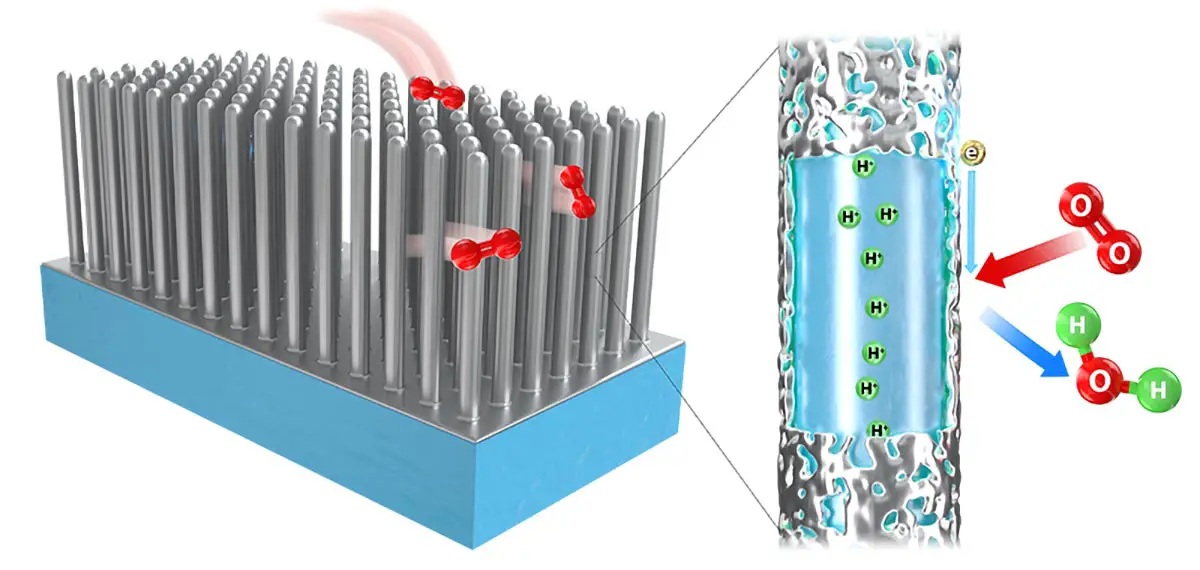
Los Alamos National Laboratory has developed a corrosion-resistant fuel cell design featuring a coaxial nanowire electrode, offering potential advancements for heavy-duty trucking and other clean fuel cell applications. The innovative electrode, consisting of nanowires that are less susceptible to corrosion, eliminates degradation problems associated with carbon corrosion while maintaining high fuel cell performance. In stress tests, the coaxial nanowire electrode showed impressive durability, losing only 2% of its performance after 5,000 cycles, compared to an 87% decline in performance for a traditional carbon-based electrode. This breakthrough could lead to longer-lasting and more efficient fuel cells for heavy-duty trucking and other clean energy applications.
Researchers at Nagoya University in Japan have developed a new ultra-high-density sulfonic acid polymer electrolyte membrane (PEM) for fuel cells, which can be used for vehicles and combined heat and power systems. The PEM has an ultrahigh density of sulfonic acid groups, resulting in a proton conductivity of 0.93 S/cm at 80°C under 90%RH, which is six times higher than the conductivity of typical commercially available PEMs such as Nafion or Selemion under the same measurement conditions. This study will contribute to the synthesis and development of next-generation higher-performance PEMs exhibiting a good conductivity of 0.1 S/cm or higher under severe conditions.