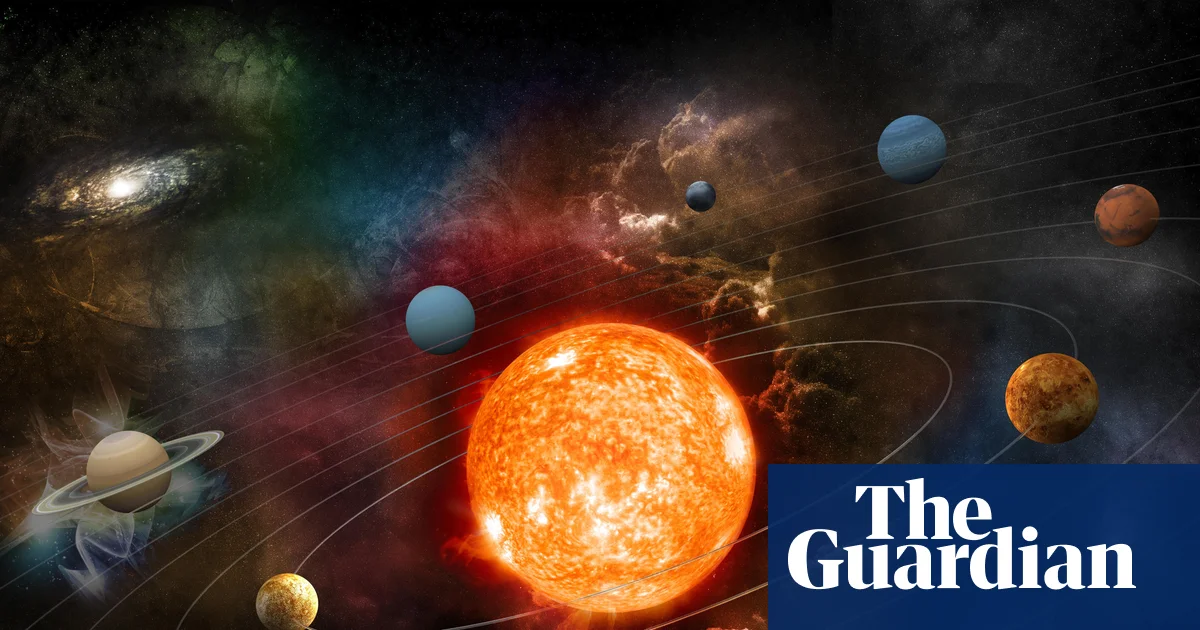
Richard Fishacre, a medieval Oxford friar, challenged the then-prevailing ideas about the composition of stars and planets by using his understanding of light, suggesting they are made of the same elements as Earth, a concept that aligns with modern astronomical discoveries such as the detection of water and sulphur dioxide in exoplanet atmospheres.
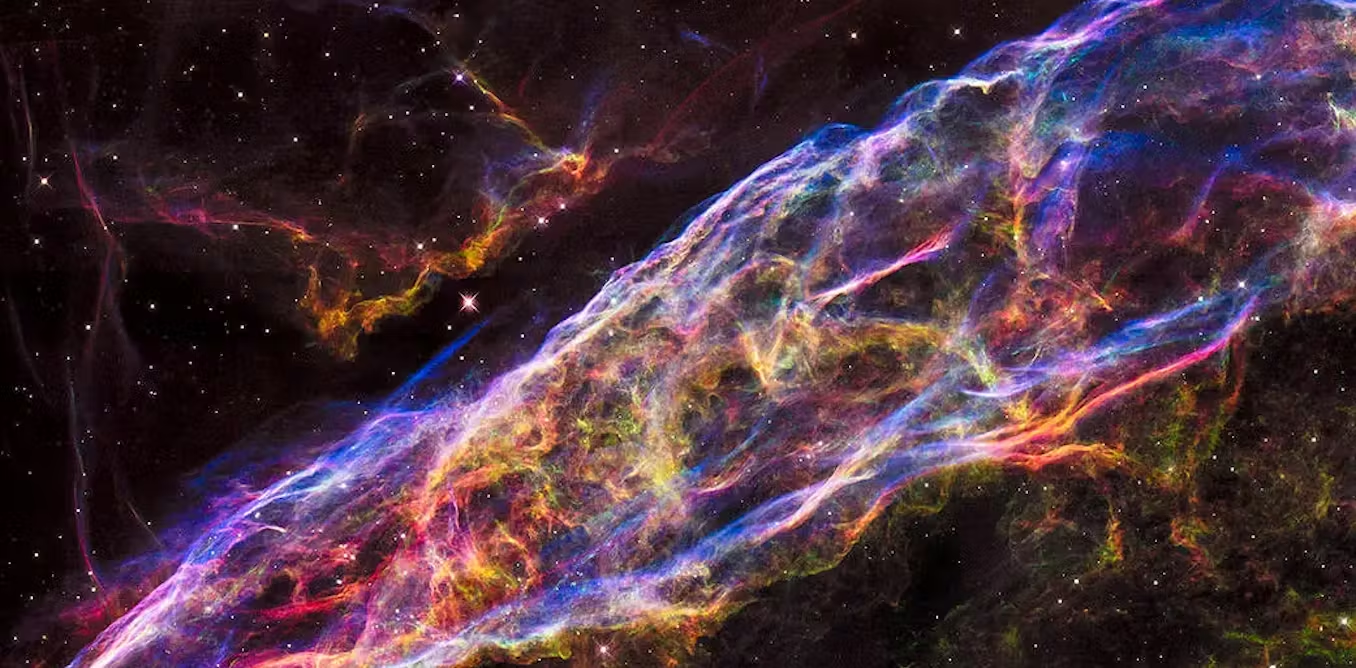
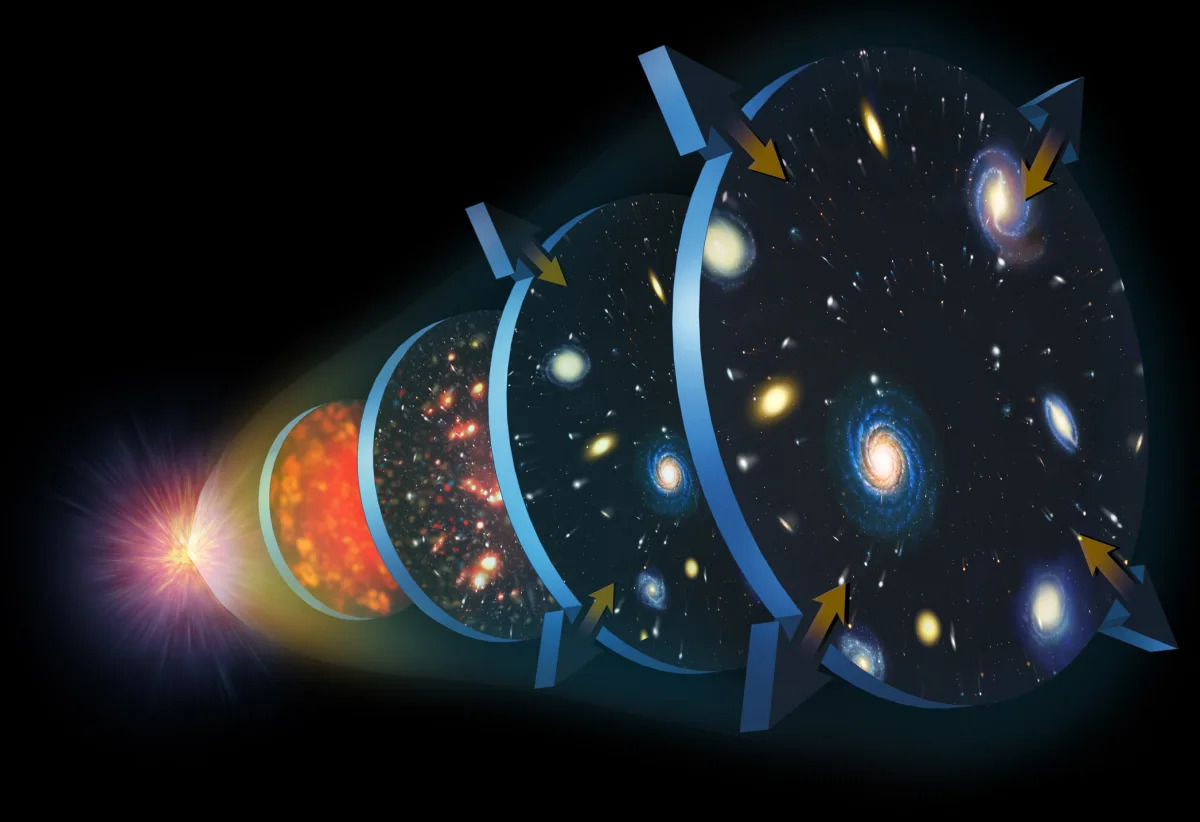
Atoms, the building blocks of everything around us, formed mainly from hydrogen and helium shortly after the Big Bang, with heavier atoms created later in stars through nuclear fusion and supernova explosions. Most of the universe's matter is hydrogen and helium, while heavier elements like carbon and oxygen are produced in stellar processes.
Understanding the Palworld Type chart is crucial for building a strong team in Palworld, as it provides insights into each type's strengths and weaknesses. With nine Elements to consider, players can strategically capture Pals from each type to create an adaptable team that can exploit opponents' weaknesses. The chart outlines the advantages and disadvantages for each type, similar to those found in Pokémon, with notable differences such as Fire-types having two advantages and Neutral-types having no advantages but being weak to Dark-type attacks. Building a diverse team and having backup Pals trained for different types is recommended for effective battles in Palworld.
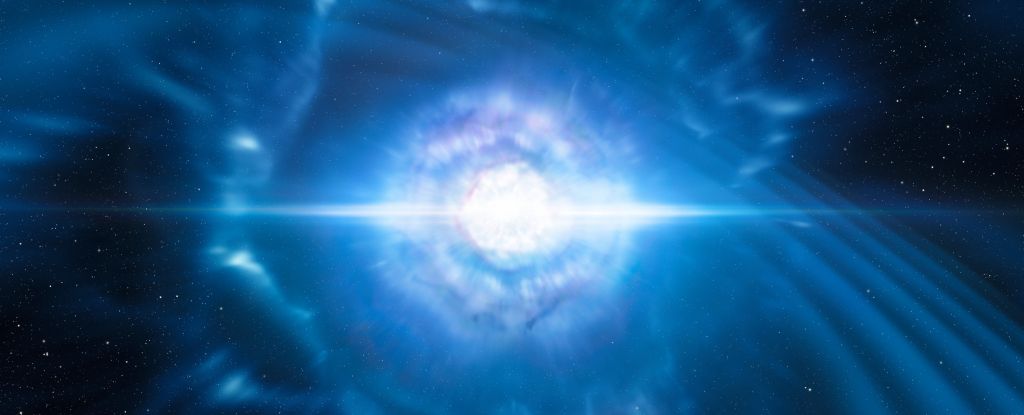
Astronomers have discovered evidence of nuclear fission occurring in stars, providing insight into the formation of elements heavier than those found naturally on Earth. Previously, it was believed that such elements were created through cataclysmic events like neutron star mergers. However, new research suggests that fission, the process behind nuclear reactors on Earth, is also operating in the cosmos and contributing to the creation of heavy elements. This discovery could help explain the origin of elements with atomic masses over 260, which have not been detected in space or on Earth before.
Astronomers have discovered evidence that ancient stars in the Milky Way were capable of creating elements heavier than anything found naturally on Earth or in the wider Universe. By examining the chemical abundances of 42 stars, researchers found patterns suggesting that these stars produced elements with atomic masses greater than 260, which subsequently underwent fission to form lighter, more stable elements. This finding provides insights into the formation of heavy elements and the diversity of elements in the Universe.
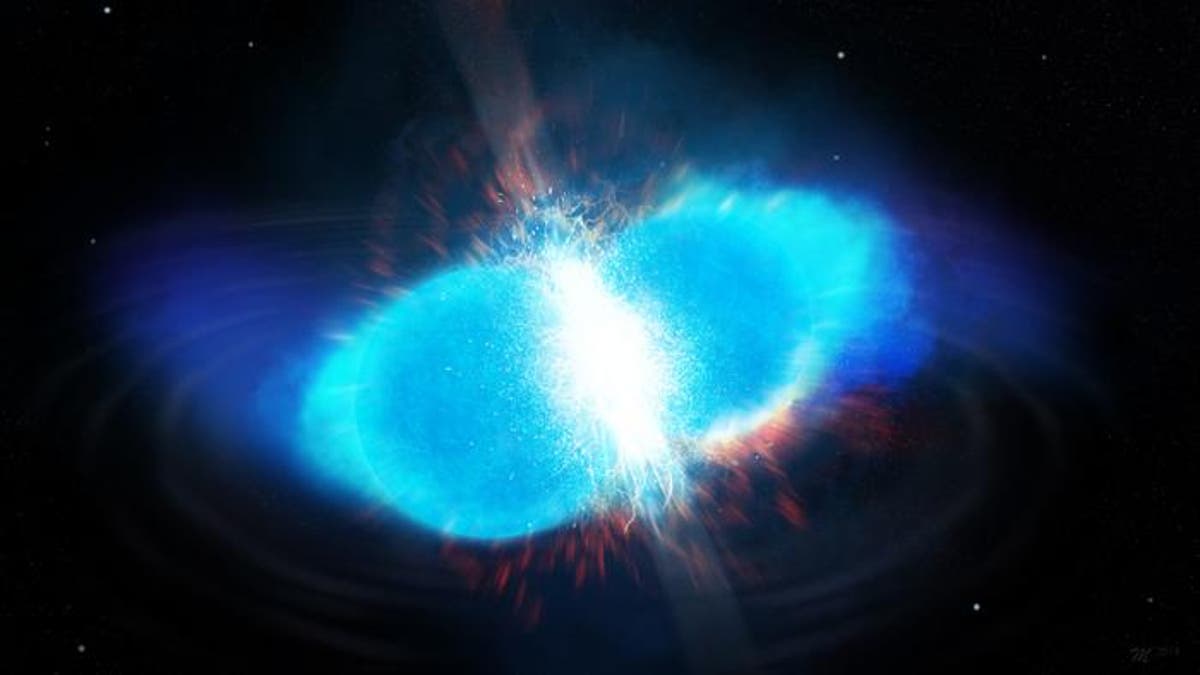
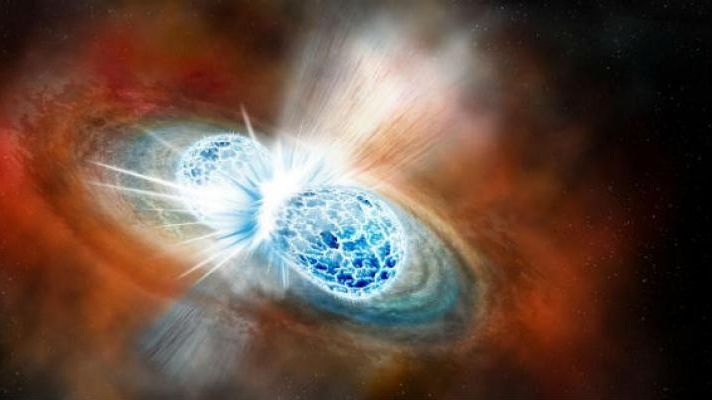
Scientists have used advanced computer modeling to study the shape of kilonovas, the emission of light that follows the collision and merger of two neutron stars. The simulations revealed that kilonovas are filled with "blobs" or "bubbles" rather than smooth or disk-like shapes. Understanding neutron star collisions is important because they are believed to be the only sites in the universe capable of creating elements heavier than lead, including gold. The research provides insights into the densest material in the universe and has implications for particle physics and quantum chromodynamics. The simulations closely matched real-life observations of a kilonova known as AT2017gfo. Further simulations and observations are expected to provide more insights into the variations and characteristics of kilonovas.
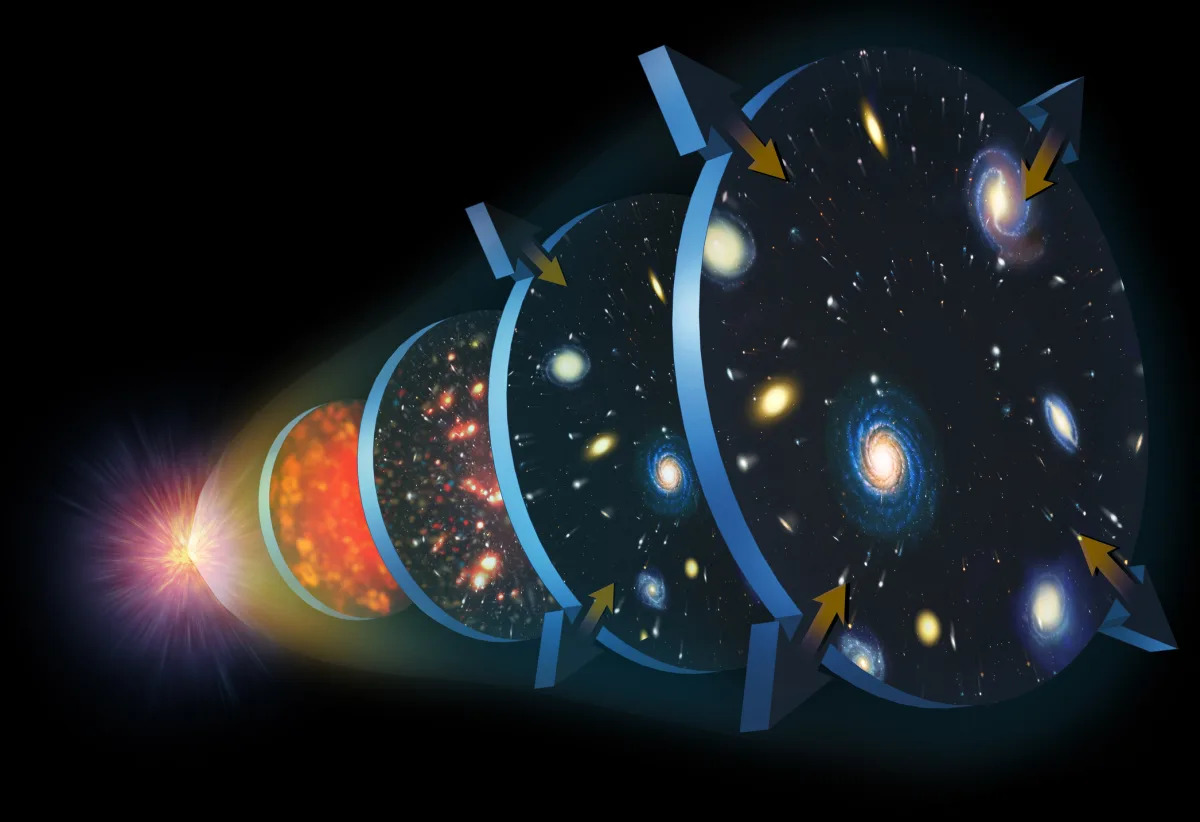
The elements in the universe formed through a series of processes starting from the Big Bang. Initially, the universe was a hot plasma of quarks and gluons, which eventually cooled down and allowed the formation of protons and neutrons. The first atomic nuclei, primarily helium-4, were produced from the binding of protons and neutrons. The appearance of elements continued with the birth of stars, where hydrogen fused into helium, and heavier elements like carbon and oxygen were formed. More massive stars produced even heavier elements up to iron. Elements beyond iron were created through stellar deaths, such as supernovas and neutron star collisions. These energetic events also spread the elements into interstellar space, where they join new gas clouds and contribute to the formation of new stars, continuing the process of elemental recycling and enrichment of the universe.
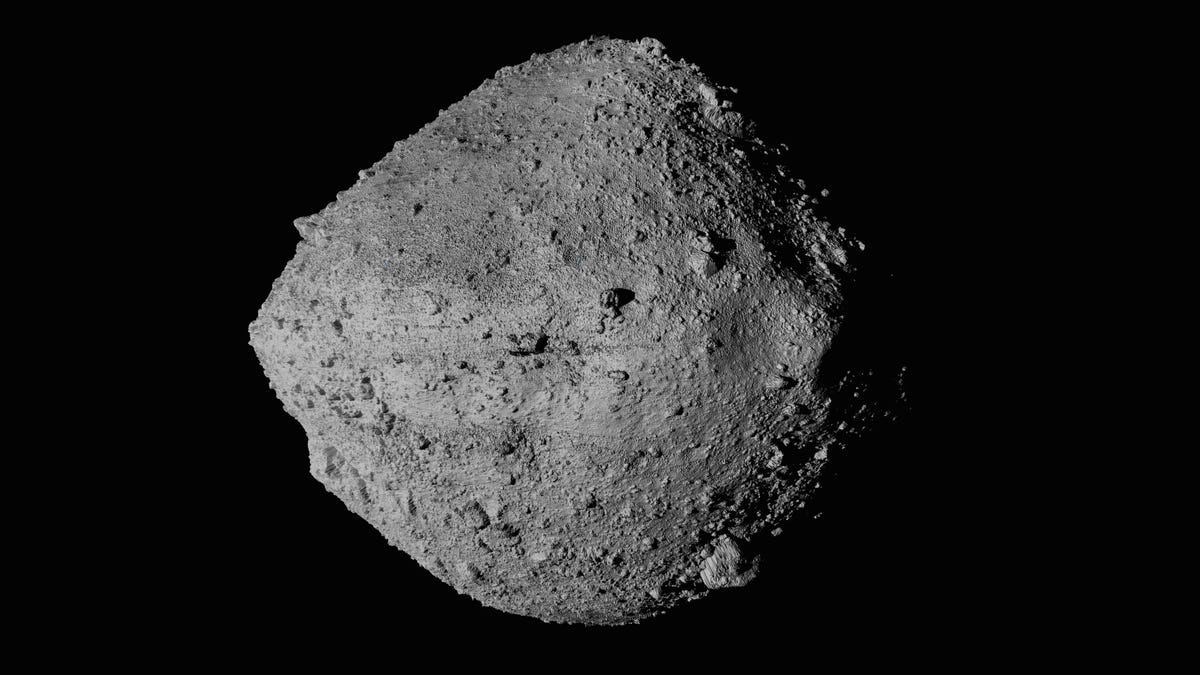
Researchers at the University of Arizona have discovered that the dense asteroid named 33 Polyhymnia may be composed of superheavy elements not found on the periodic table. The asteroid's density is higher than any known elements on Earth, leading scientists to theorize the existence of stable superheavy elements around atomic number 164. This finding could be of interest to companies involved in space mining for precious metals. NASA has been actively studying and collecting samples from asteroids, including the recent successful recovery of the first-ever asteroid sample from Bennu.
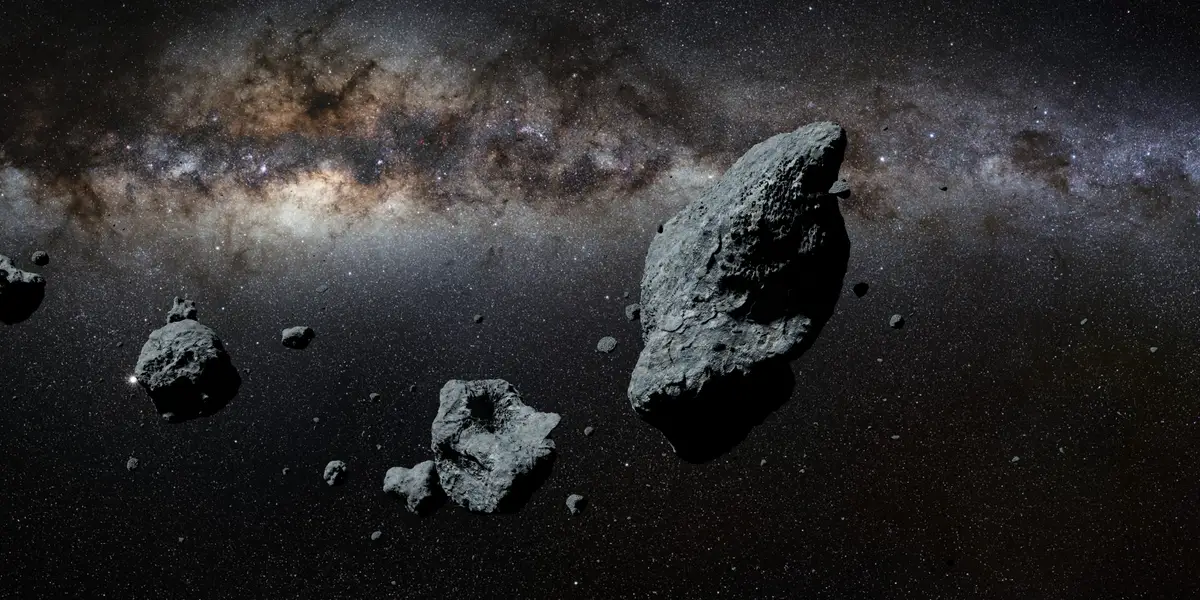
Asteroid 33 Polyhymnia in the solar system's asteroid belt is believed to be so dense that it may contain elements never before seen on Earth, potentially reaching a threshold of 164 protons per atomic nucleus. The density of this hypothetical element matches the density already measured for the asteroid, suggesting it could be a compact ultradense object (CUDO) containing undiscovered elements. If confirmed, this discovery would challenge the current understanding of the Periodic Table and open up new possibilities for scientific exploration within our solar system.
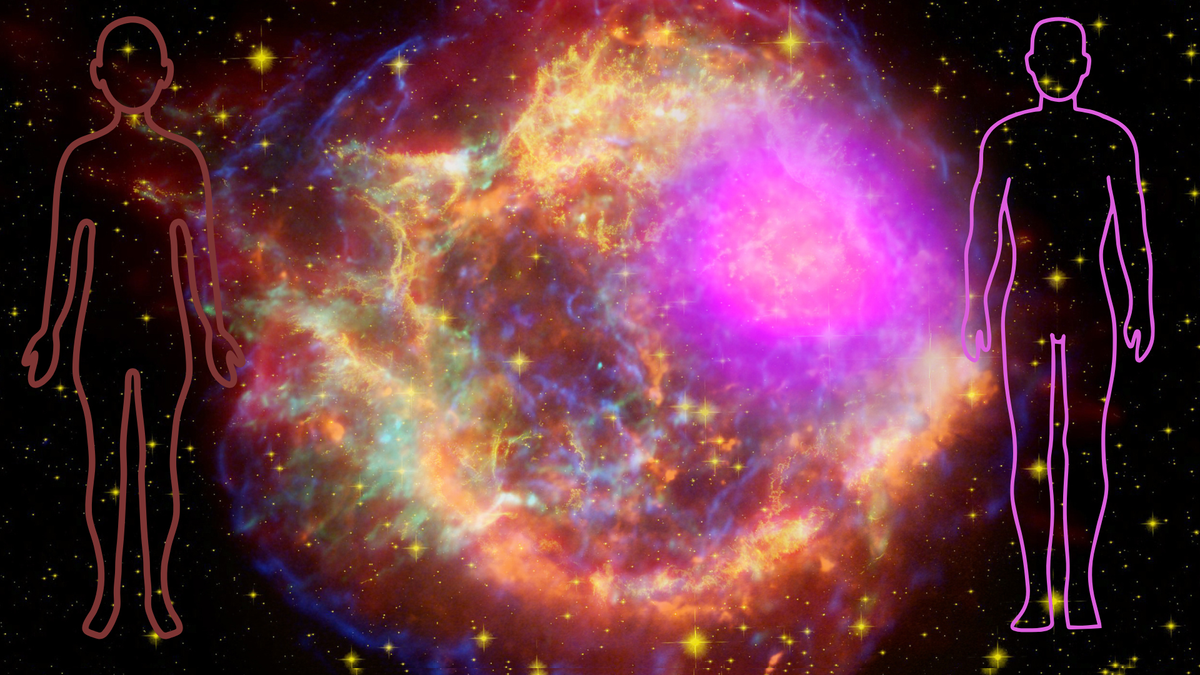
The question of whether humans are organic or inorganic is not straightforward. While the human body is primarily composed of organic compounds, such as proteins, sugars, fats, and DNA, inorganic compounds like water, dissolved oxygen, and carbon dioxide are also essential for sustaining life. The human body is made up of a handful of elements, with oxygen, carbon, hydrogen, nitrogen, calcium, and phosphorus being the most abundant. Overall, the distinction between organic and inorganic compounds is not clear-cut when it comes to humans, as both types play crucial roles in our biological processes.
Scientists speculate that there may be naturally occurring, stable elements beyond the periodic table, even beyond the unstable superheavy elements. Theoretical work suggests an island of stability around atomic number 164, where these elements could exist. Researchers from the University of Arizona used the Thomas-Fermi model to explore the atomic structure of hypothetical superheavy elements and found that their density range aligns with the high density measurement of the asteroid 33 Polyhymnia. This suggests that extreme mass density in compact ultradense objects like asteroids could be explained without invoking strange or dark matter. The study demonstrates the utility of the Thomas-Fermi model for investigating the properties of hypothetical superheavy elements.
India's Chandrayaan-3 lunar mission has successfully detected various elements, including sulfur, aluminum, calcium, iron, chromium, titanium, manganese, silicon, and oxygen, near the lunar south pole using the Laser-Induced Breakdown Spectroscopy (LIBS) instrument. While the presence of water ice, a valuable resource, has not been confirmed yet, the data collected is significant as it is close to potential future base locations. The discovery of elements on the Moon reduces the need to transport materials from Earth, making long-term presence on the Moon more economically feasible. The search for water ice continues, and the rover is expected to explore deeper into crater walls where ice may have survived.
In a new video from the European Southern Observatory, astrophysicist Suzanna Randall explains how the elements that make up our bodies were formed in the universe. Shortly after the Big Bang, the universe was mainly composed of hydrogen and helium. The first generation of stars fused hydrogen in their cores to create helium, and when these stars died, they released heavier elements like carbon and oxygen. Supernova explosions flung these elements into the cosmos, where they eventually integrated into nebulas and formed the next generation of stars, including our sun. The planets, including Earth, formed from a disk of material around the sun, and it is from this disk that the elements that make up our bodies are derived. In essence, we are made of "star stuff."
The Rooster is a symbol of loyalty, punctuality, and auspicious beginnings in Chinese mythology. People born in the Year of the Rooster share a lot of these qualities and are considered to be loyal, honest, and talkative. Roosters love being the center of attention, dressing up well, and surrounding themselves with luxury. In Chinese astrology, each Lunar New Year is associated with a zodiac animal and one element from the five elements theory: wood, fire, earth, metal, and water. Some Chinese zodiac signs are naturally more compatible with the Rooster than others.