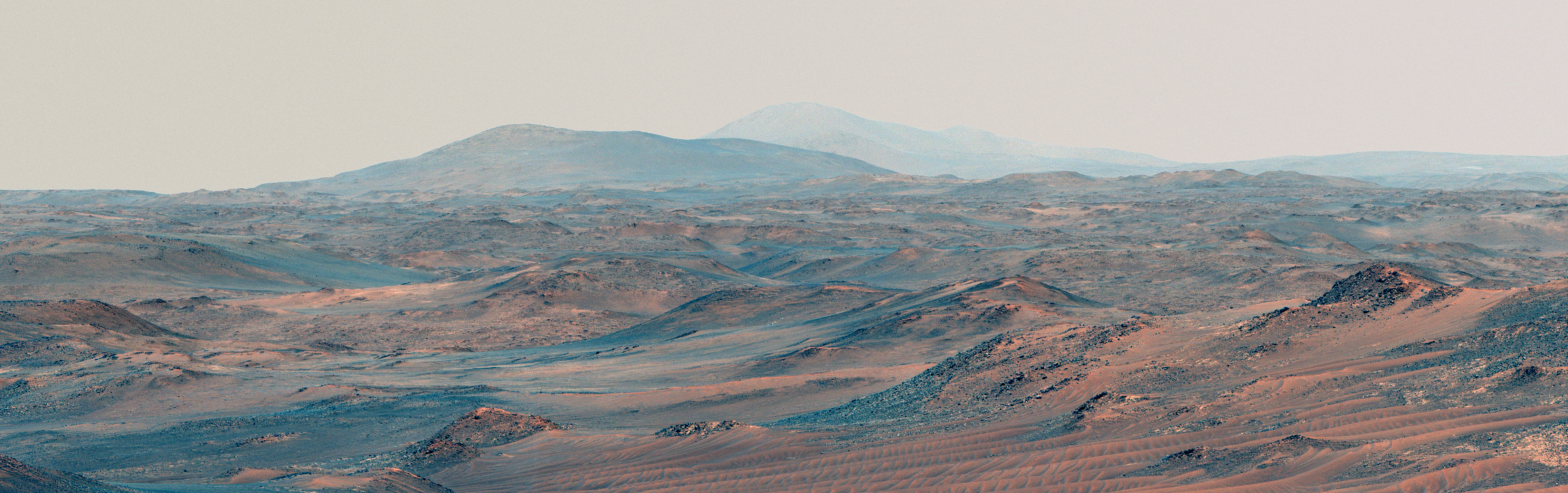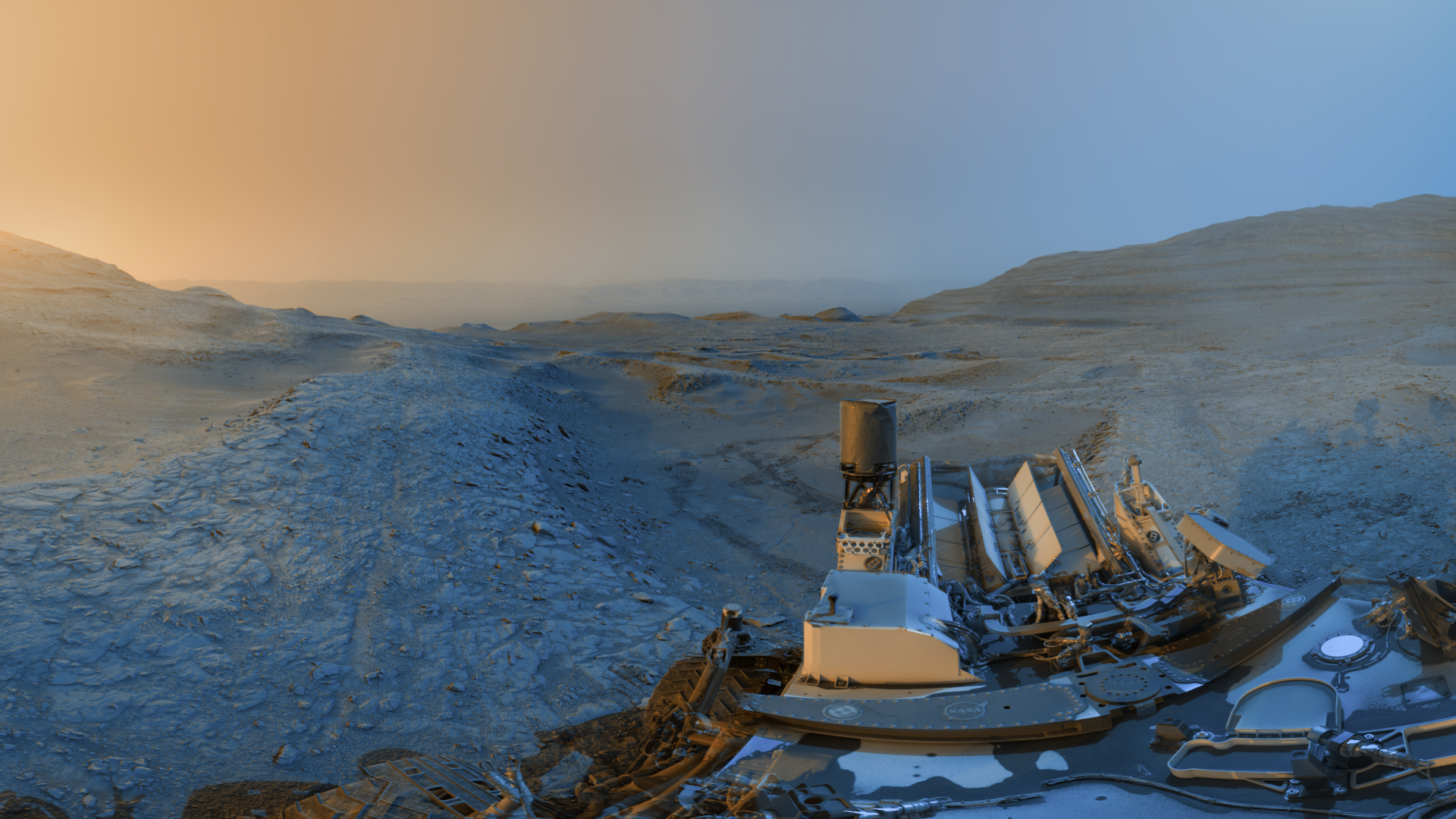
NASA's Curiosity rover captured a stunning panoramic view from Mount Sharp on Mars, highlighting ancient water-related geological features and continuing its scientific mission after over a decade on the planet.

L3Harris is selling a 60% stake in its space propulsion business to AE Industrial Partners for $845 million to shift focus towards defense, while reorganizing into three segments to better align with future warfare needs; the deal also aims to accelerate propulsion tech development, including nuclear propulsion for Mars exploration, with the transaction expected to close in late 2026.
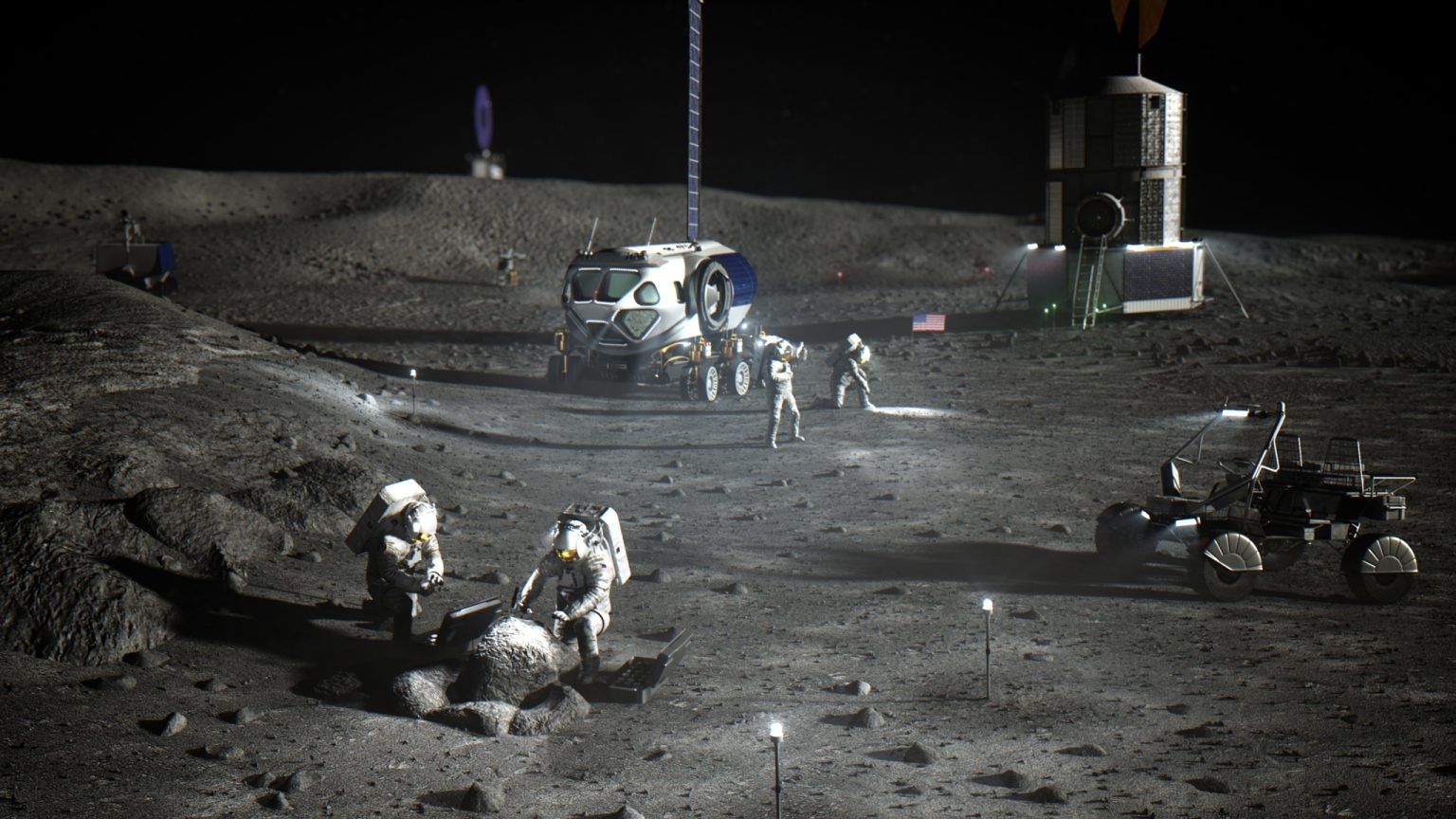
Scientists are leveraging existing space missions and data to prepare robotic explorers for future human missions to the Moon and Mars, focusing on water resource identification, radiation shielding, and dust management, with new tools and instruments being developed to address these challenges.
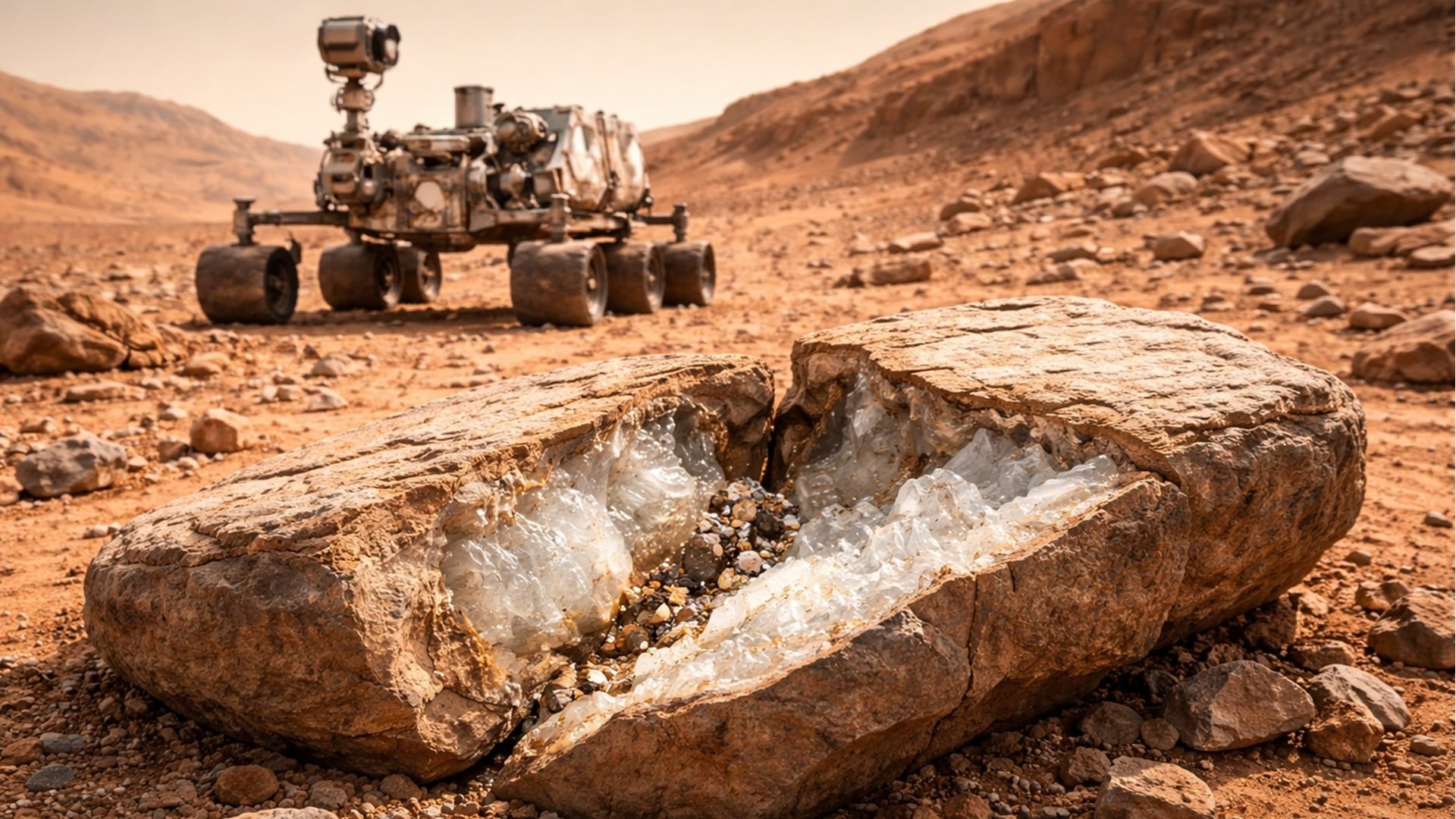
NASA's Curiosity rover accidentally discovered pure sulfur crystals in a Martian rock, challenging previous understanding of Mars' geological history and suggesting complex environmental conditions, with future investigations planned in a region with underground mineral formations.
NASA's Perseverance rover has traveled nearly 25 miles on Mars over five years, with its systems certified to operate until at least 2031. It is exploring the Jezero Crater, collecting rock samples that may contain signs of past microbial life, and utilizing advanced autonomous navigation to enhance its exploration capabilities. Recent findings include insights into Mars' geological history, particularly the interactions of water, rocks, and atmosphere in the crater.
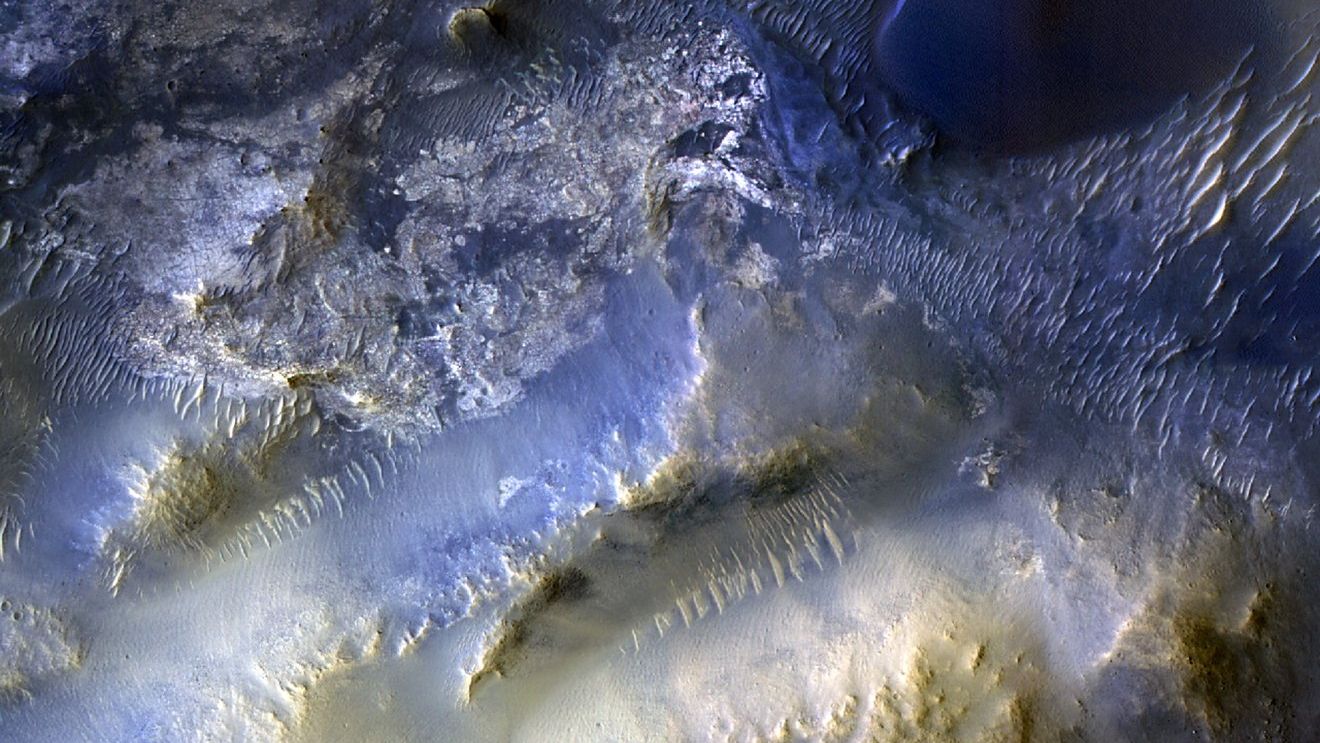
NASA's Mars Reconnaissance Orbiter has captured its 100,000th image of Mars using the HiRISE camera, aiding scientists in studying the planet's surface changes and preparing for future human missions, with the orbiter operating for over 20 years since 2006.
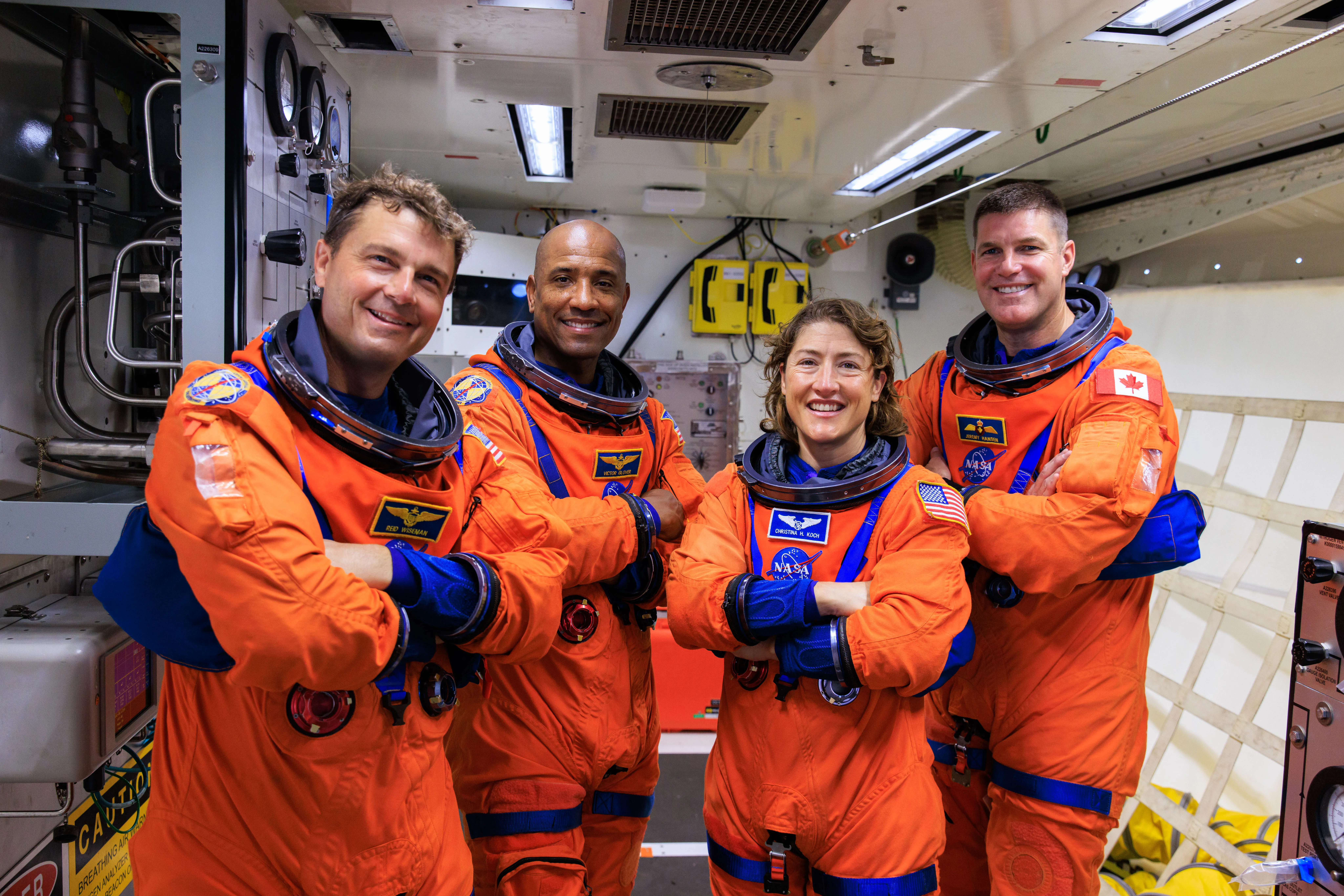
In 2025, NASA made significant strides in space exploration, including preparing for the Artemis II crewed Moon mission, advancing Mars exploration efforts, launching scientific missions, and strengthening international partnerships, all while engaging the public through digital media and educational activities.
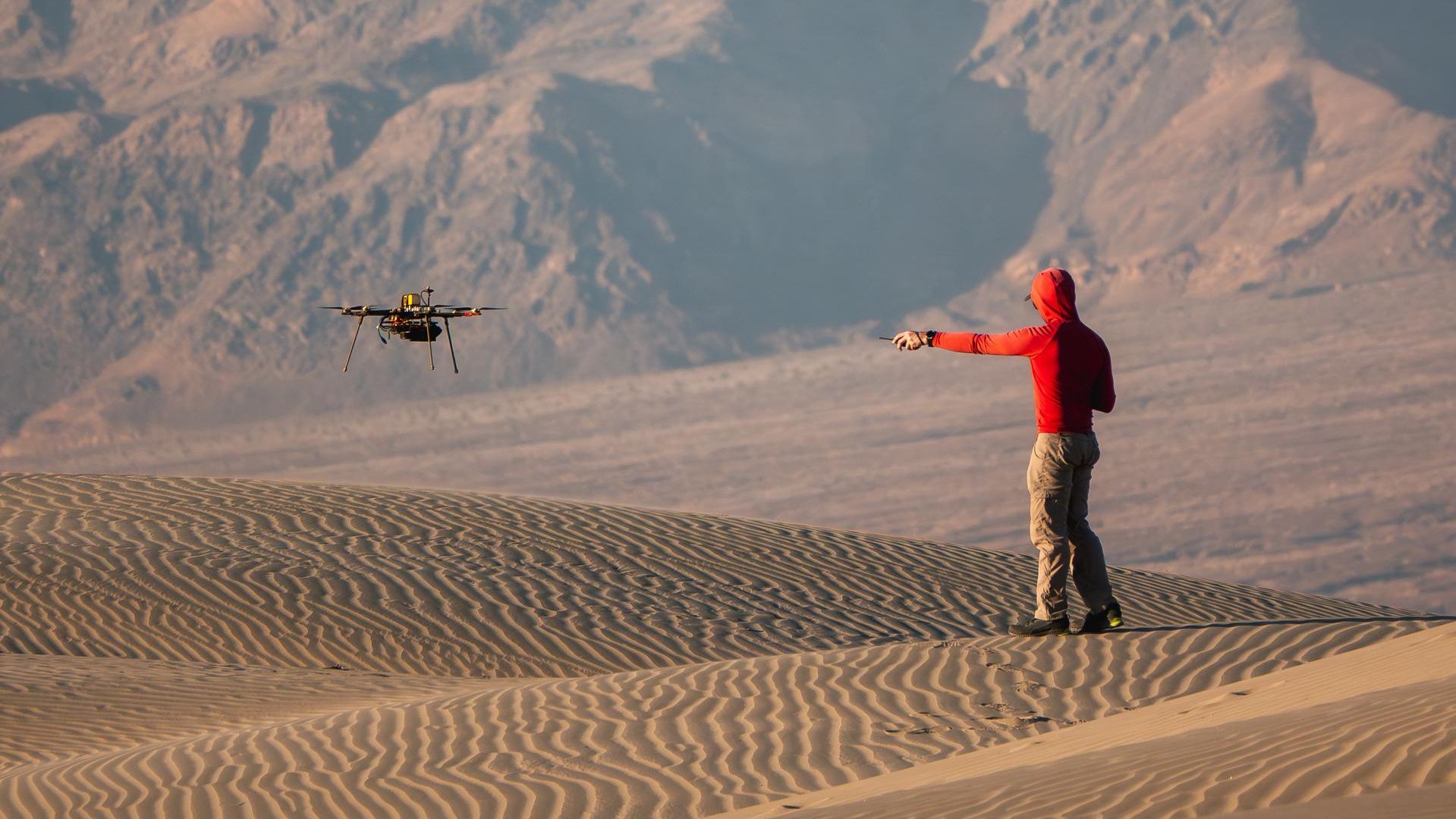
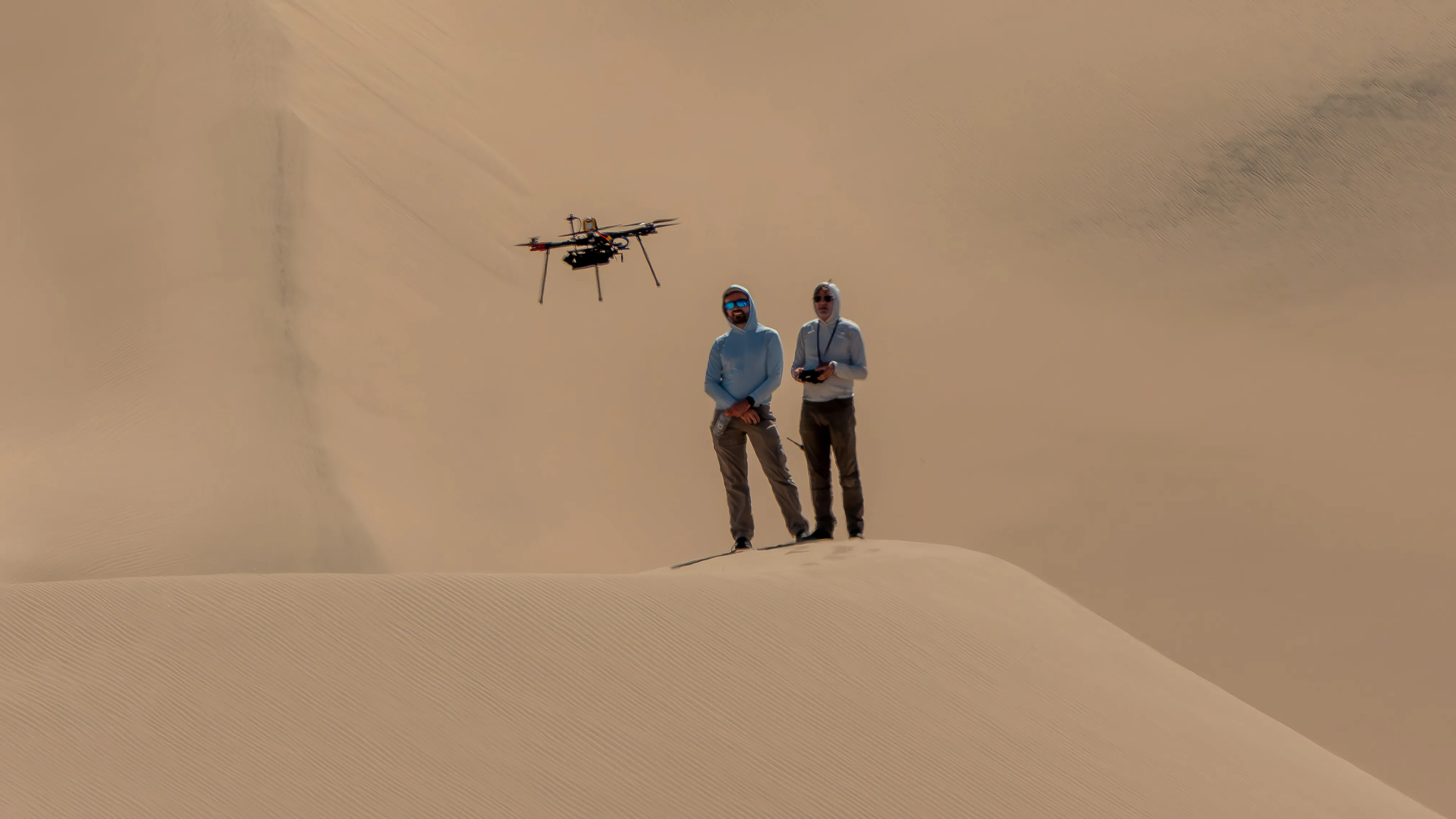
NASA is testing drone technology in Death Valley to develop autonomous rotorcraft that can navigate featureless terrain, which could be used for future Mars exploration to map landing zones, locate resources, and guide astronauts, building on the success of the Ingenuity helicopter.
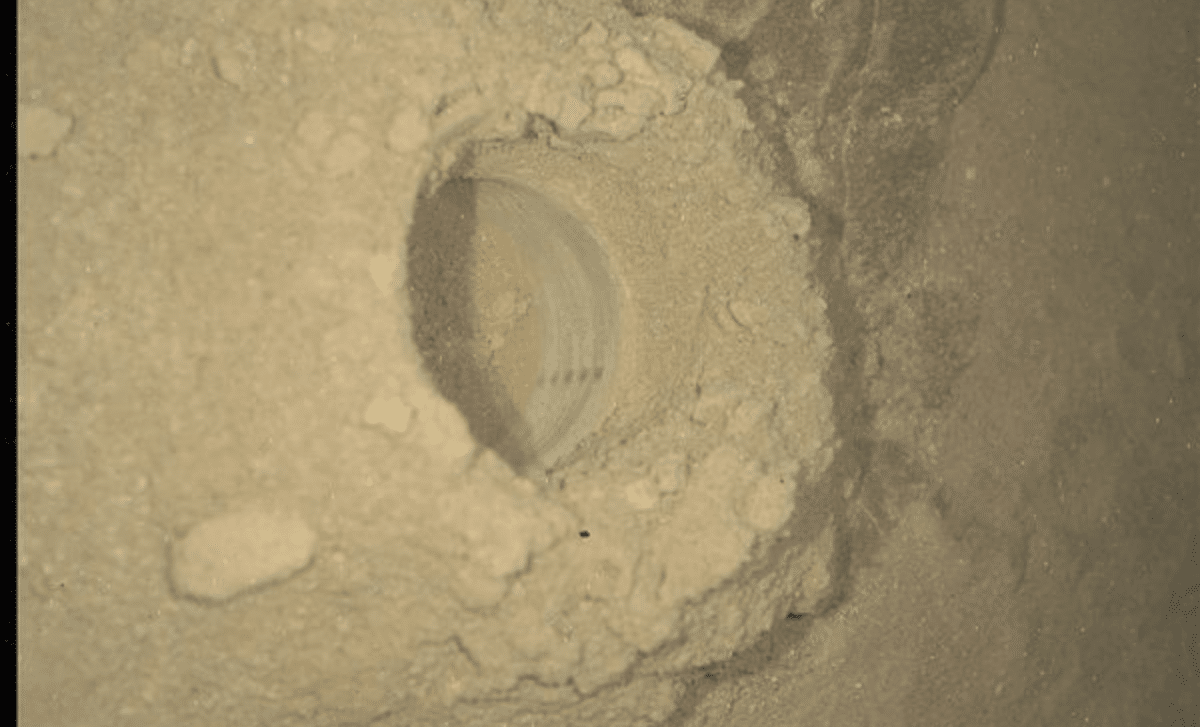
NASA's Curiosity rover has made significant progress in Mars exploration, including creating a detailed 360-degree panorama of the Nevado Sajama site, analyzing organic compounds in drilled samples, and returning to nighttime imaging of drill holes, all while preparing for future investigations before the holiday break.
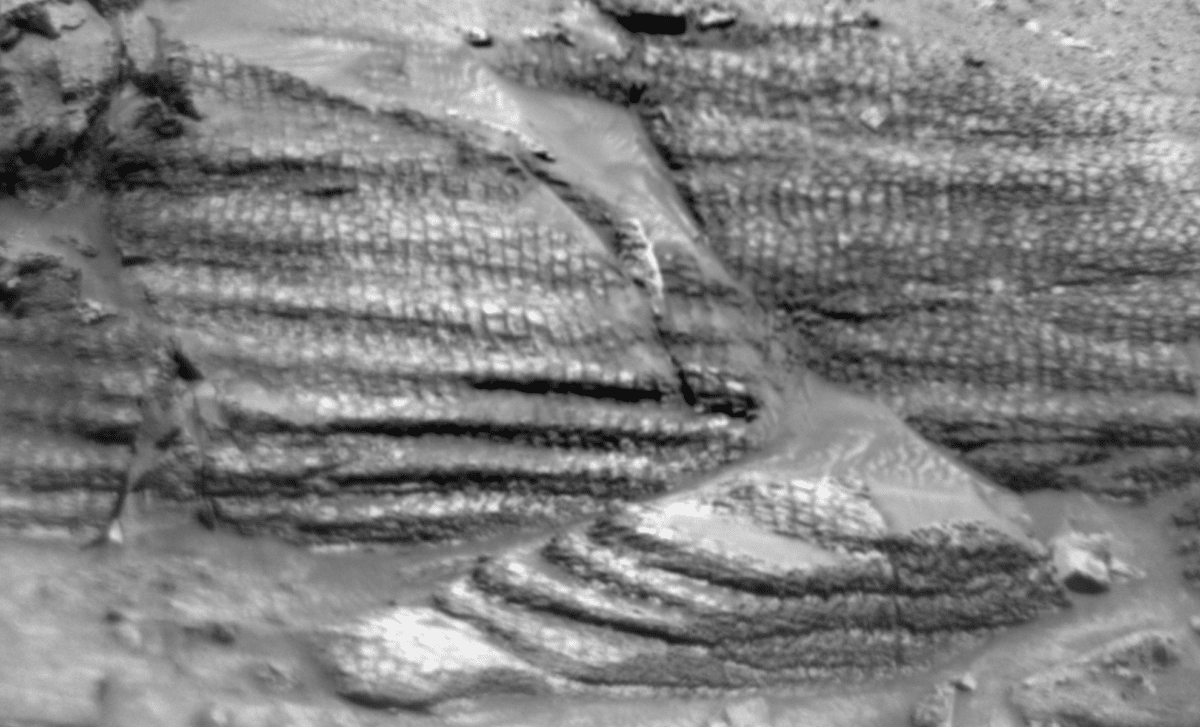
NASA's Curiosity rover has made unprecedented discoveries in Gale Crater, revealing complex mineral patterns and geological features that suggest Mars once had conditions suitable for life, and is now entering a new autonomous exploration phase to study previously unexamined regions.
NASA is testing advanced drone and robotic technologies in Death Valley and other desert sites to simulate Mars conditions, aiming to improve navigation, exploration, and mobility for future Mars missions, including software, autonomous robots, and flying vehicles.
A 50-year-old scientific conclusion from the Viking Mars mission, which declared Mars lifeless due to the absence of detected organics, is now believed to be mistaken. New evidence from recent missions suggests that Mars may harbor or have harbored life, prompting a reevaluation of past assumptions and the need for dedicated future missions to search for life on Mars.
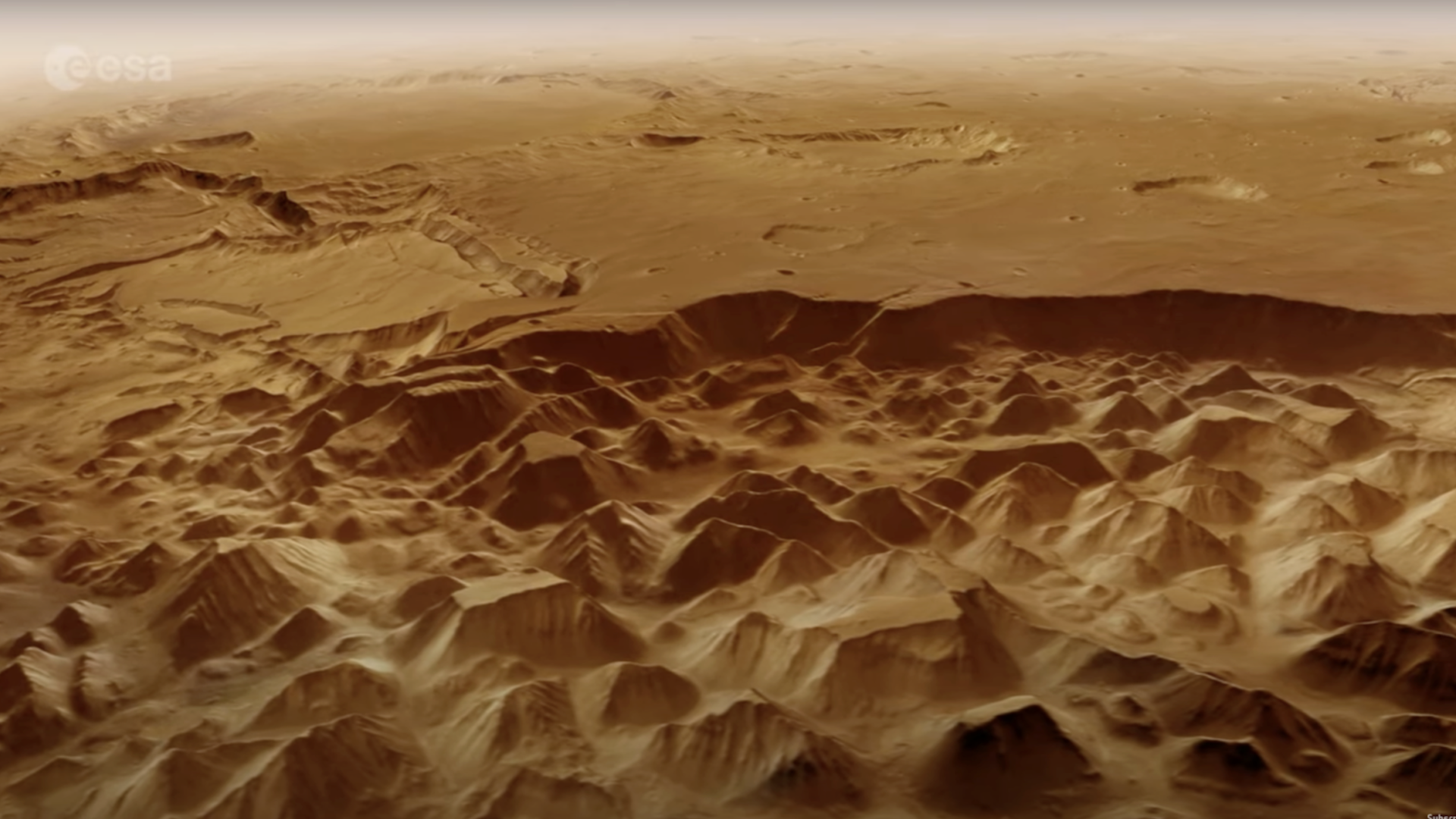
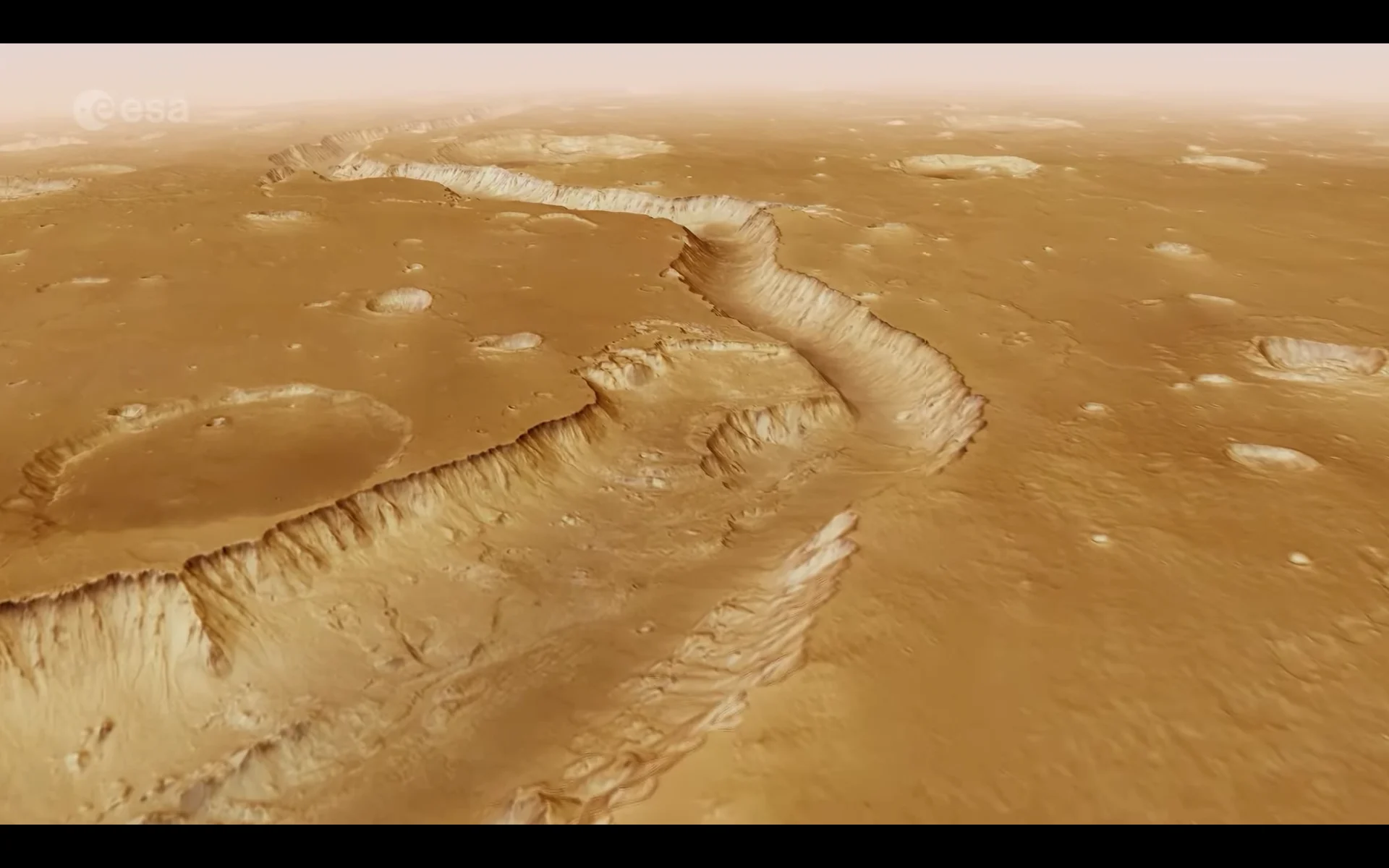
A new satellite video from ESA offers a mesmerizing flyover of Mars' Xanthe Terra region, highlighting a 1300 km outflow channel called Shalbatana Vallis and other geological features formed by ancient water floods, providing insights into the planet's history and ongoing exploration efforts by the Mars Express spacecraft.
The ESA's Mars Express orbiter has released a stunning 3D flight over Xanthe Terra, showcasing features like the 1300 km-long Shalbatan Vallis, which provides evidence of ancient water flow on Mars, culminating in a view of the Da Vinci crater, highlighting the planet's geological history.
A robotics scholar predicts that Elon Musk's plans to send Optimus humanoid robots to Mars will likely face reliability issues and short operational lifespans, similar to past space robots like NASA's Robonaut 2, emphasizing the need for further technological advancements and testing on closer celestial bodies like the Moon before Mars missions.