Tag

Ganymede

All articles tagged with #ganymede

science-and-technology2 years ago

"Iron Snowstorms Inside Ganymede May Unlock Secrets of Its Magnetic Mysteries"

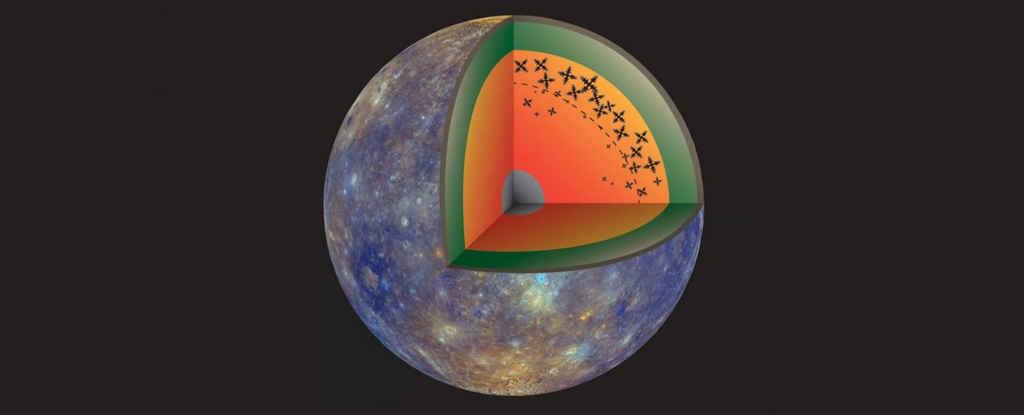
Researchers have conducted an experimental study to understand Ganymede's strong magnetic field, testing the 'iron snow' theory which suggests iron crystallizes and falls within the moon's core, similar to a snowglobe. The laboratory experiment used water ice to simulate iron snow crystals and found that crystallization occurs in sporadic bursts when the liquid reaches a supercooled state. This process could explain the dynamic nature of Ganymede's magnetic field and may also apply to other small planetary bodies in the solar system. Earth's core, however, operates differently due to its powerful gravity and material composition.

space2 years ago

"Unveiling the Secrets of Ganymede's Mysterious Ocean"

NASA's Juno mission has detected salts and organic compounds on Jupiter's moon Ganymede, providing strong evidence of a subsurface ocean beneath its icy crust. The salts and organics suggest an endogenic origin, possibly rising from the depths of Ganymede through cracks in the surface. While the presence of organics does not guarantee the presence of life, it raises the possibility of Ganymede's potential to support life. Further research is needed to determine the exact origin of the compounds and the extent of Ganymede's ocean.

space2 years ago

Juno's Discovery: Organic Compounds and Potential Alien Life on Ganymede

NASA's Juno spacecraft, during its flyby of Jupiter's moon Ganymede in 2021, has discovered the presence of mineral salts and organic compounds on the moon's surface. The high-resolution spectroscopic observations made by Juno's Jovian Infrared Auroral Mapper (JIRAM) spectrometer revealed the presence of hydrated sodium chloride, ammonium chloride, sodium bicarbonate, and possibly aliphatic aldehyde. These findings provide insights into Ganymede's formation and the composition of its deep subsurface ocean. The localized distribution of these compounds suggests that Ganymede's magnetic field shields them from surrounding radiation. Further investigations by upcoming missions like ESA's JUICE and NASA's Europa Clipper will provide more detailed observations of Ganymede and other icy moons in Jupiter's system.

space2 years ago

Juno Mission Uncovers Organics and Salts on Jupiter's Moon Ganymede

NASA's Juno mission has discovered mineral salts and organic compounds on Jupiter's moon Ganymede. Data collected by the Jovian InfraRed Auroral Mapper (JIRAM) spectrometer during a close flyby revealed the presence of hydrated sodium chloride, ammonium chloride, sodium bicarbonate, and possibly aliphatic aldehydes. These findings provide insights into the composition of Ganymede's deep ocean and its formation process. The discovery was made possible by Juno's unprecedented spatial resolution for infrared spectroscopy, offering a closer look at the moon's surface. Ganymede, the largest moon of Jupiter, has long been of interest due to its hidden internal ocean of water beneath its icy crust.

space2 years ago

Ganymede's Salty Surface Reveals Organics, Confirms NASA

NASA's Juno spacecraft has discovered mineral salts and organic compounds on Jupiter's moon Ganymede, providing insights into the moon's origin and composition. The data suggests the presence of a deep ocean brine that reached the moon's surface. Ganymede, the largest moon in the solar system, has a magnetic field and an underground sea beneath its icy shell. The findings could aid in understanding other distant moons and dwarf planets in the solar system and beyond.

space2 years ago

Juno's Discovery: Salts and Organics Found on Ganymede's Surface

NASA's Juno mission has discovered mineral salts and organic compounds on the surface of Jupiter's moon Ganymede. The JIRAM spectrometer aboard the spacecraft collected data during a close flyby, revealing the presence of hydrated sodium chloride, ammonium chloride, sodium bicarbonate, and possibly aliphatic aldehydes. These findings provide insights into the moon's composition and its briny past, shedding light on the origin of Ganymede and its deep ocean.

space2 years ago

Juno Discovers Salts and Organics on Ganymede's Surface

NASA's Juno mission has discovered mineral salts and organic compounds on the surface of Jupiter's moon Ganymede. The Jovian InfraRed Auroral Mapper (JIRAM) spectrometer aboard the spacecraft collected data during a close flyby, revealing the presence of hydrated sodium chloride, ammonium chloride, sodium bicarbonate, and possibly aliphatic aldehydes. These findings provide insights into the composition of Ganymede's deep ocean and its formation process. The spatial resolution of the JIRAM data was unprecedented, allowing scientists to analyze the unique spectral features of non-water-ice materials. Ganymede, the largest moon of Jupiter, has long been of interest due to its hidden internal ocean of water beneath its icy crust.

space2 years ago

JWST's Close-up of Ganymede: Unveiling Jupiter's Largest Moon

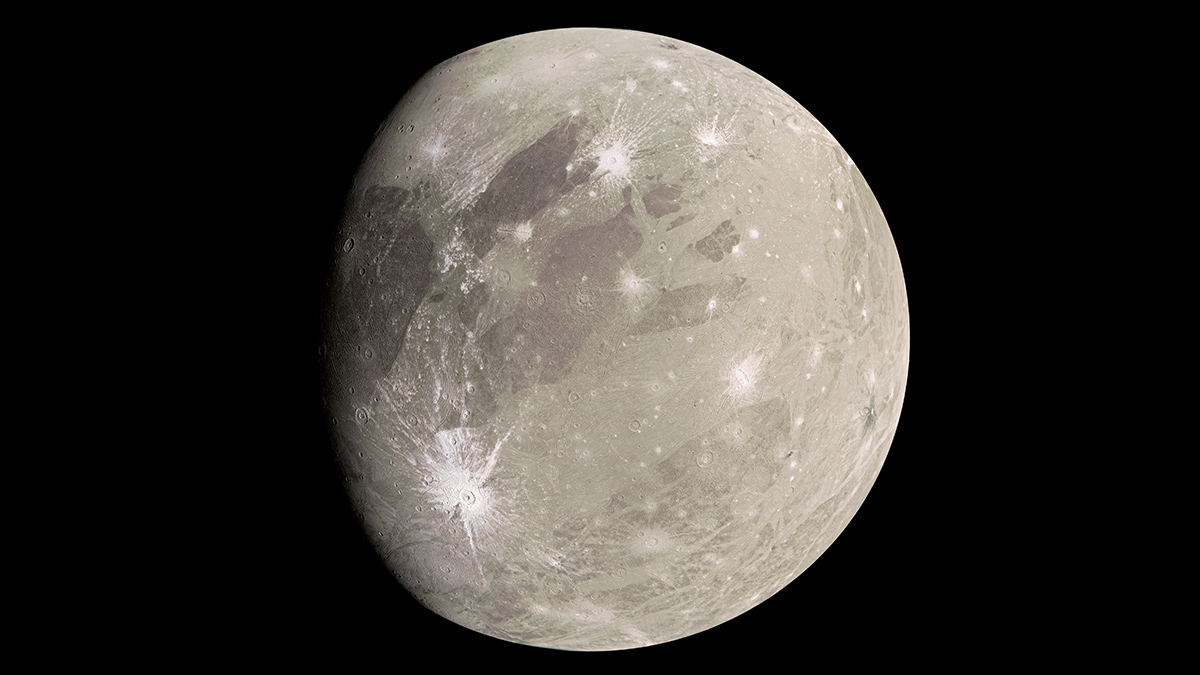
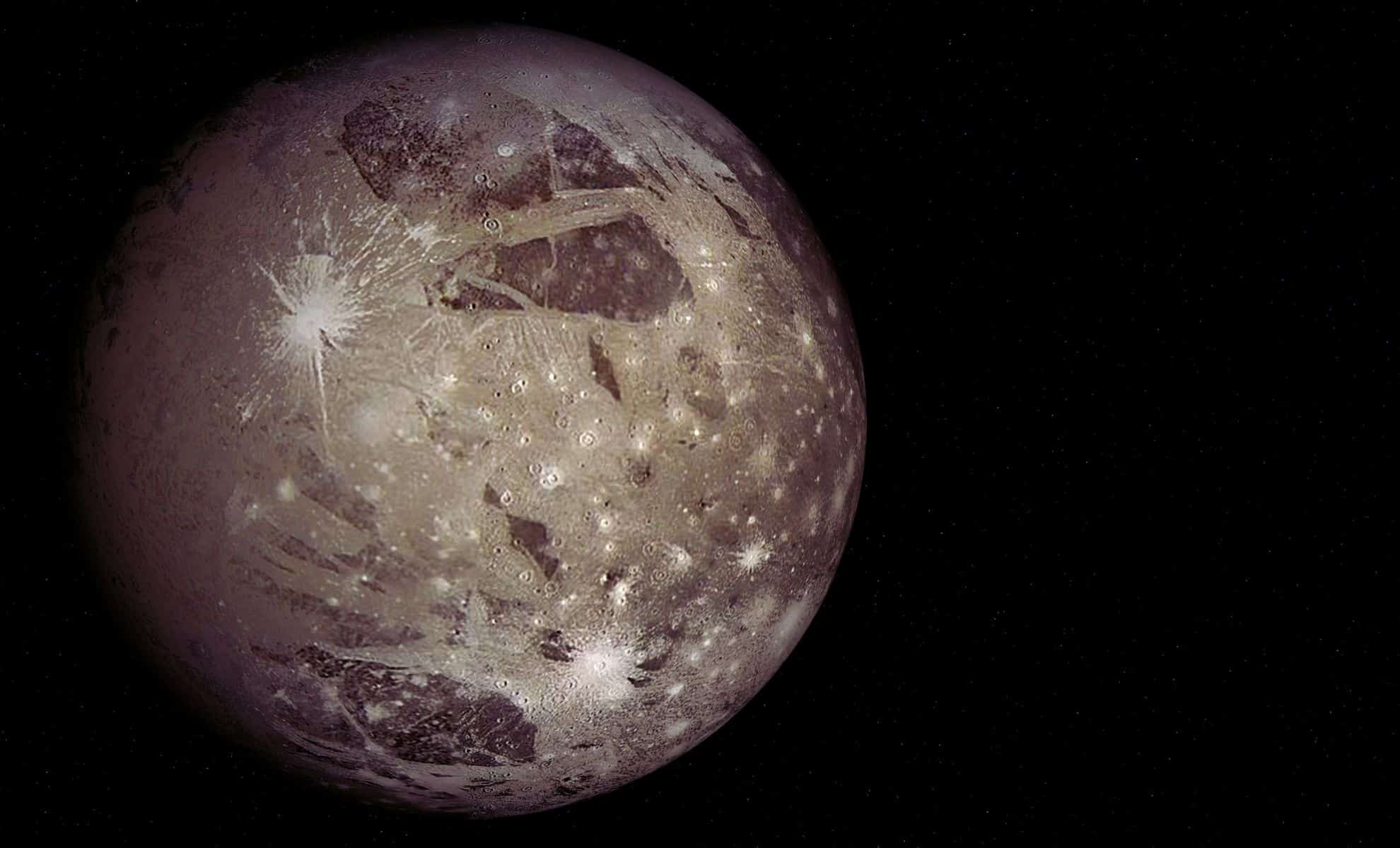
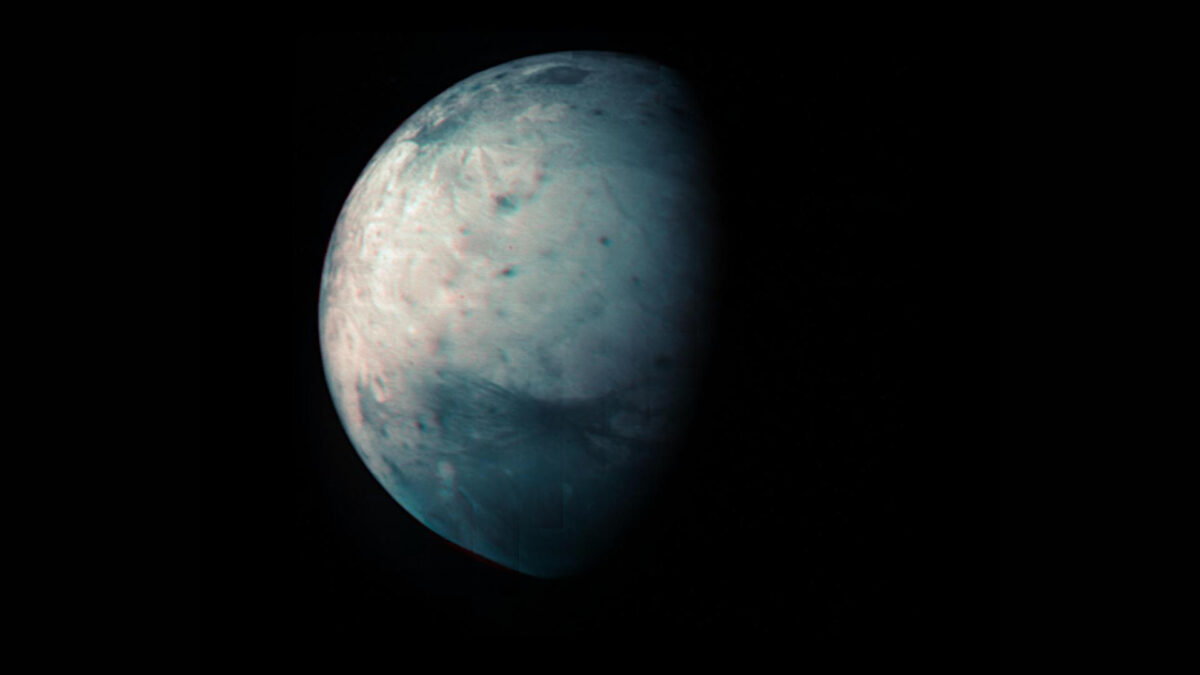
The James Webb Space Telescope (JWST) has provided detailed observations of Jupiter's moon Ganymede, revealing its complex surface composition. Ganymede, the largest moon in the solar system, has a differentiated internal structure, including a molten core, silicon mantle, and icy crust with a subsurface ocean. The JWST's observations show that Ganymede's surface is dominated by bright, icy terrains with grooves, as well as darker, highly cratered regions. The presence of CO2 trapped in other molecules and the distribution of water ice at the polar regions were also examined. These findings will inform future missions, such as the ESA's JUICE mission, which will further explore Ganymede.

space-science2 years ago

"Revolutionary Discoveries: Webb Space Telescope Unveils Jupiter's Moons like Never Before"

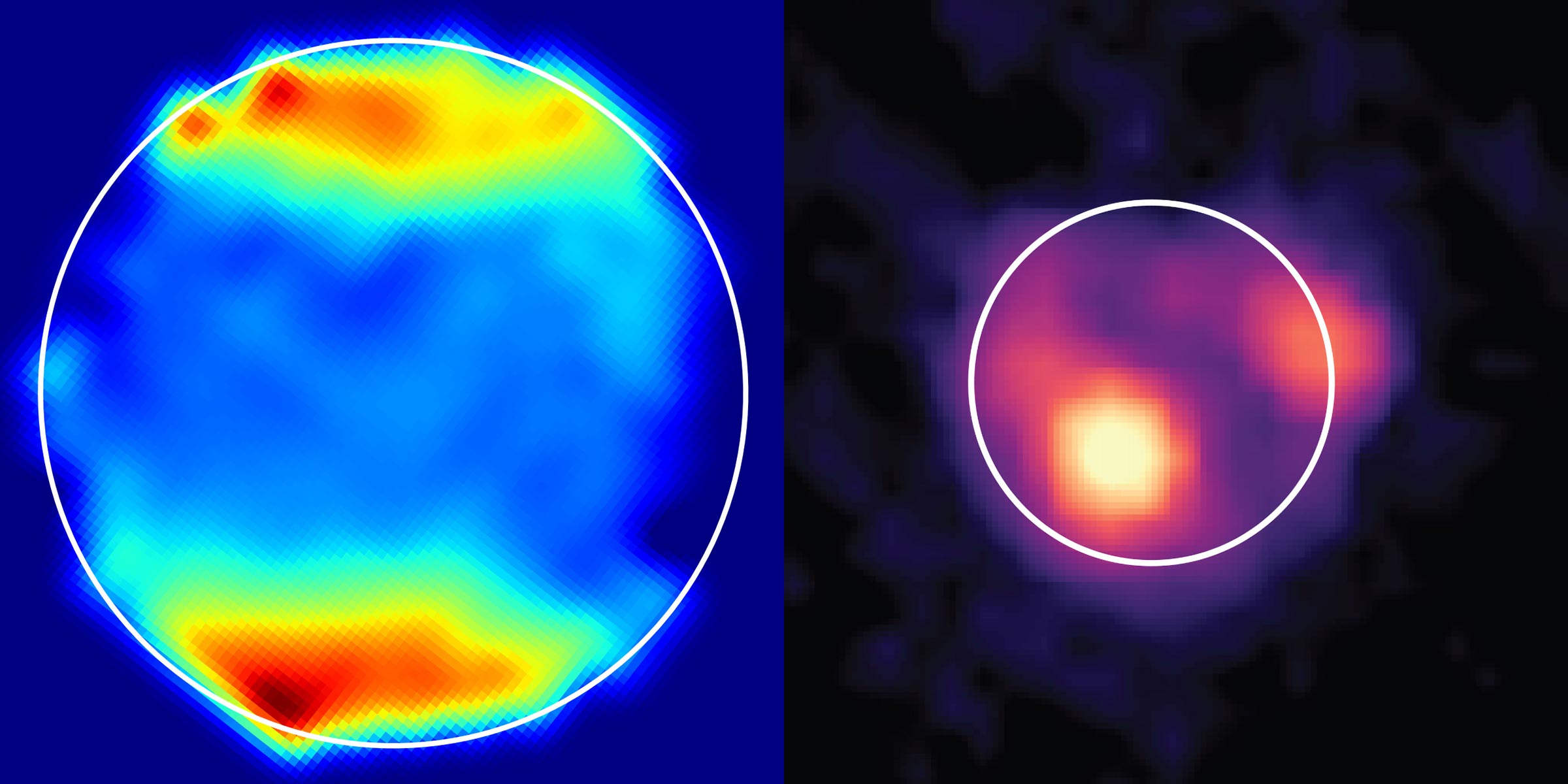
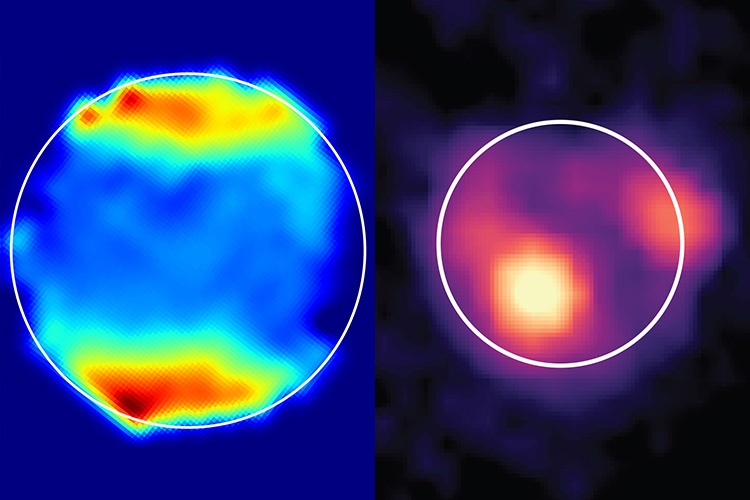
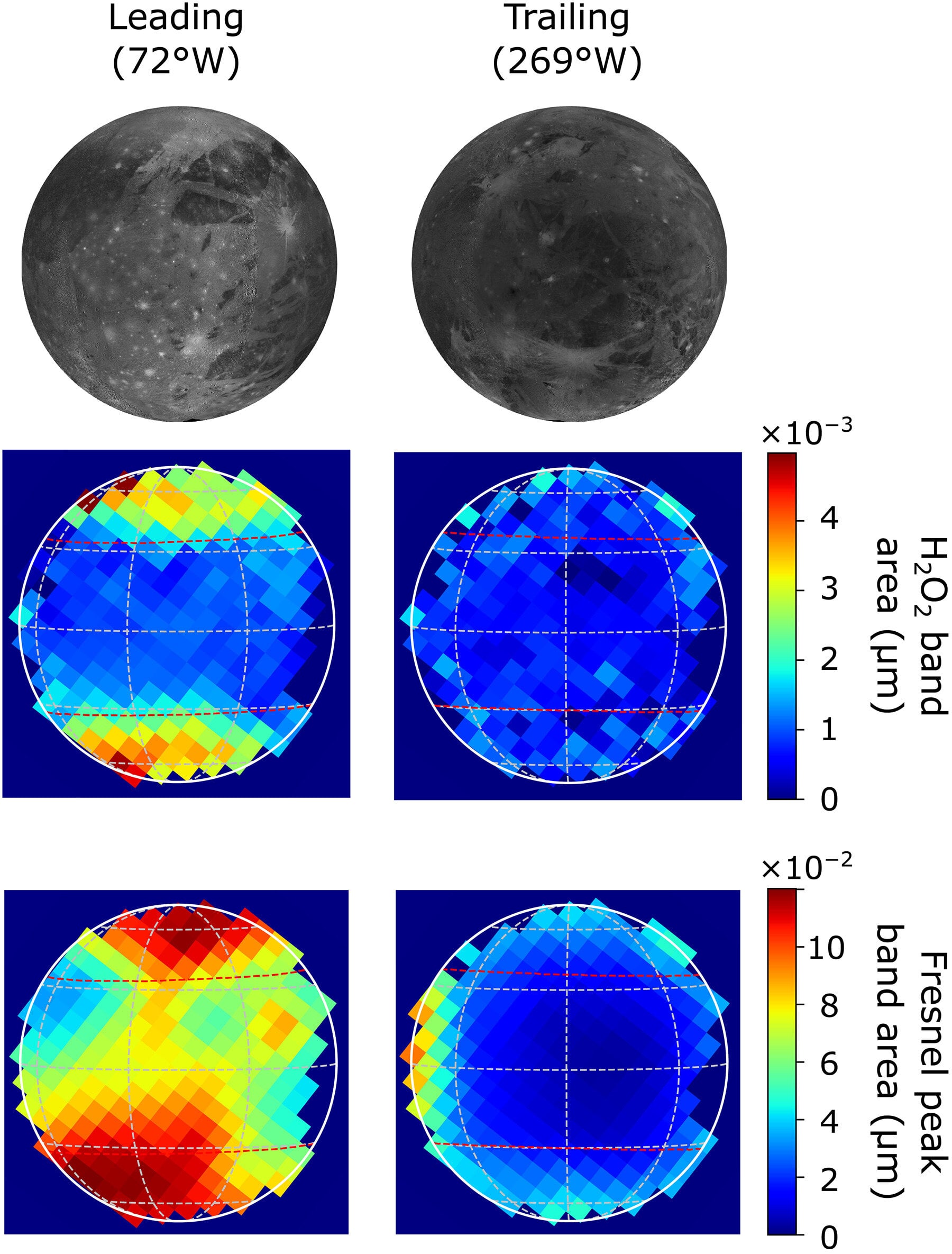
The James Webb Space Telescope (JWST) has made groundbreaking observations of Jupiter's moons, Ganymede and Io, revealing the presence of hydrogen peroxide on Ganymede's poles and ongoing volcanic eruptions on Io. The peroxide on Ganymede is believed to be produced by charged particles impacting the ice on the moon's surface, while the observations on Io have linked a specific emission line of sulfur monoxide (SO) to volcanic activity. These findings enhance our understanding of Jupiter's moons and have implications for the broader solar system.

space2 years ago

JWST Examines Jupiter's Moons in Groundbreaking Study

NASA's James Webb Space Telescope (JWST) has made significant discoveries about Jupiter's moons, Io and Ganymede. For Io, researchers detected sulfur monoxide (SO) gas and observed active volcanoes on its surface. Ganymede, the largest moon in the solar system, showed the presence of hydrogen peroxide in its polar regions. These findings provide insights into the influence of Jupiter's massive gravity on the volcanic activity of these moons. The discoveries were made using JWST's Near-Infrared Spectrograph (NIRSpec) instrument.

space2 years ago

"Exploring Ganymede: Uncovering Hydrogen Peroxide and Unraveling its Unique Surface"

Scientists studying data from the James Webb Space Telescope (JWST) have found evidence that hydrogen peroxide on Jupiter's moon Ganymede is primarily located in its higher latitudes. The research team analyzed new data sent back by the telescope, revealing a stark contrast between Ganymede and Europa, with most of Ganymede's hydrogen peroxide concentrated near its poles. The findings contribute to a better understanding of how Ganymede's magnetic field influences its surface chemistry.

space2 years ago

Antenna Unstuck on Jupiter-bound Spacecraft.

Flight controllers in Germany have successfully freed a 52-foot radar antenna on the European Space Agency's Jupiter Icy Moons Explorer spacecraft, which is on a decade-long mission to explore Jupiter's moons. The antenna had been stuck due to a tiny pin that refused to budge. The spacecraft will attempt to go into orbit around Ganymede, the largest moon in the solar system. Meanwhile, NASA's Lunar Flashlight spacecraft, which was supposed to hunt for ice in the shadowed craters of the lunar south pole, has been abandoned after struggling unsuccessfully for months to get into orbit around the moon.