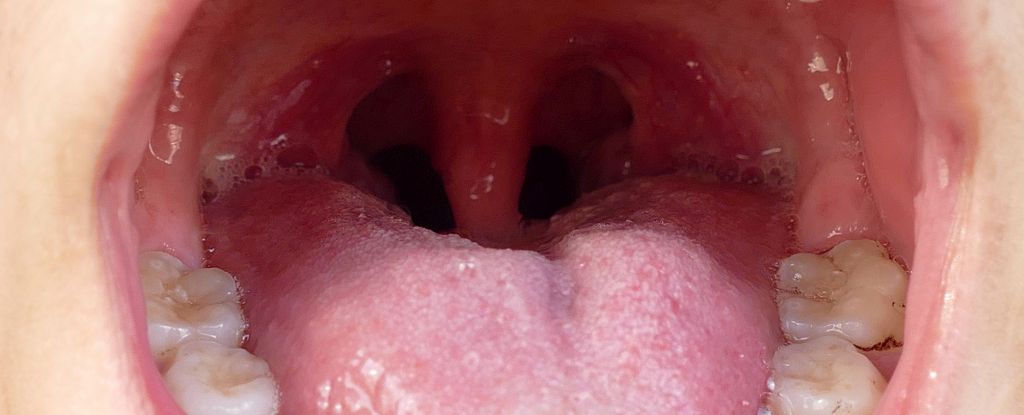
Research suggests that high levels of the oral bacterium Fusobacterium nucleatum may be linked to increased disability in multiple sclerosis patients, indicating a possible MS-specific oral–brain inflammatory pathway and highlighting the importance of oral health in disease progression.
A study suggests that oral bacteria like Streptococcus mutans can migrate to the gut, produce metabolites such as ImP, and potentially contribute to Parkinson’s disease by affecting neurons and promoting neuroinflammation, highlighting new therapeutic targets involving the microbiome.
A new study suggests that bacteria from the mouth, particularly Streptococcus viridans, may trigger heart attacks by contributing to inflammation and plaque rupture in arteries, highlighting the importance of oral health and infection prevention in cardiovascular risk management.
A new study suggests that bacteria from the mouth, particularly oral streptococci, may play a direct role in triggering heart attacks by colonizing arterial plaques and causing inflammation, highlighting the importance of oral health for cardiovascular health.
A study links changes in gut and mouth bacteria to cognitive decline in Parkinson's patients, suggesting that maintaining oral and gut health could help manage the disease and potentially slow neurodegeneration.
A study suggests that depression and anxiety may be contagious among couples through the exchange of oral bacteria, with microbial and hormonal changes observed in healthy spouses living with depressed partners, indicating a biological link in emotional health within intimate relationships.
Research shows that a specific subtype of the oral bacterium Fusobacterium nucleatum, known as Fna C2, is linked to the growth of colon tumors and is more prevalent in colon cancer patients. This finding could lead to new insights into fighting colon cancer and the development of targeted therapies. The discovery of this bacterial subtype's association with colorectal cancer is crucial for the development of effective preventive and treatment methods.
A study has found that a specific subtype of the oral bacterium Fusobacterium nucleatum, known as Fna C2, can travel from the mouth to colon tumors and accelerate their growth. This discovery could lead to new insights into combating colon cancer, which claims over 52,000 lives in the U.S. annually. The presence of Fna C2 was linked to poorer prognosis in colorectal cancer patients, and researchers suggest that targeting this bacterial subgroup could improve treatment and prevention methods, potentially through microbe-based cellular therapies.
A study published in mSystems reveals that the interaction between two common oral bacteria, Fusobacterium nucleatum and Streptococcus gordonii, leads to the production of a chemical compound, methyl mercaptan, which is a major cause of bad breath. The researchers found that S. gordonii prompts F. nucleatum to produce more methyl mercaptan by releasing a substance called ornithine, which activates F. nucleatum's methionine salvage pathway. Understanding this bacterial interaction could aid in developing treatments for bad breath and preventing associated periodontal disease.