Tag

Biofilms

All articles tagged with #biofilms

science19 hours ago

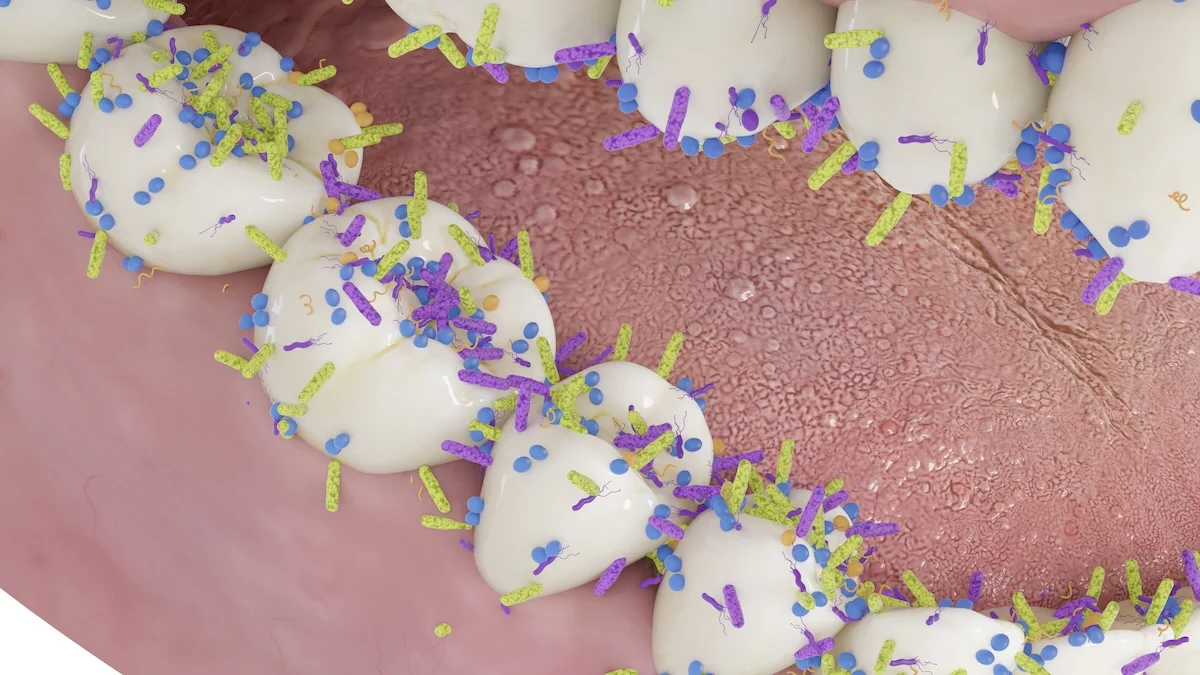
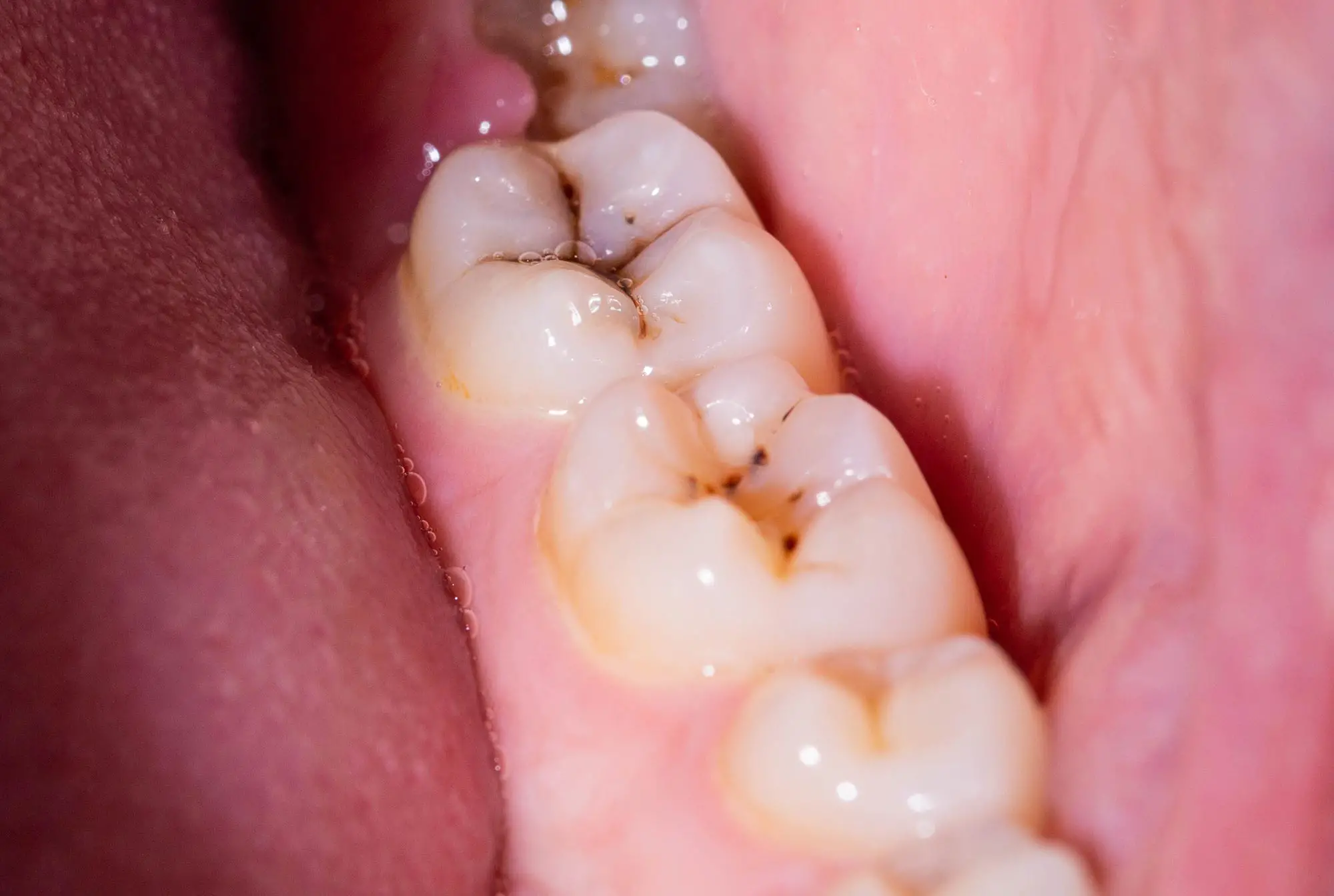
Arginine in Saliva May Turn Mouth Biofilms from Detrimental to Protective

A Danish study from Aarhus University suggests that increasing arginine levels in saliva can shift mouth biofilms from acid-producing to protective, reducing tooth decay risk. In a real-world denture-biofilm setup, arginine treatment raised pH after sugar exposure, altered the bacterial and sugar composition, and reduced acid-producing Streptococcus populations, though responses varied among individuals. Arginine appears safe and could be explored as an additive in toothpaste or mouthwash, warranting further clinical research.

technology1 year ago

Revolutionary Coatings Unlock New Possibilities

High-performance coatings are crucial in enhancing the functionality and durability of various technologies, from jet engines to space equipment. These coatings allow materials to withstand extreme conditions, such as high temperatures and low gravity, improving efficiency and reducing costs. Researchers are continuously developing advanced coatings to address challenges like biofilm formation in space and non-stick solutions in manufacturing. However, the effectiveness of coatings can vary, and incorrect applications can lead to significant financial losses.

science-and-technology2 years ago

The Power of Unity: Bacteria's Invincibility

Bacteria often form biofilms, slimy aggregates held together by DNA and proteins, which make them highly resistant to antibiotics and immune cells. Biofilms are responsible for 60% of human bacterial infections and can cause significant economic burdens. Researchers are exploring various strategies to combat biofilms, including the use of bacteriophages, cold plasma, and DNABII-targeting antibodies. These approaches show promise in disrupting biofilms and restoring vulnerability to antibiotics, potentially revolutionizing treatment options for bacterial infections.

science-and-technology2 years ago

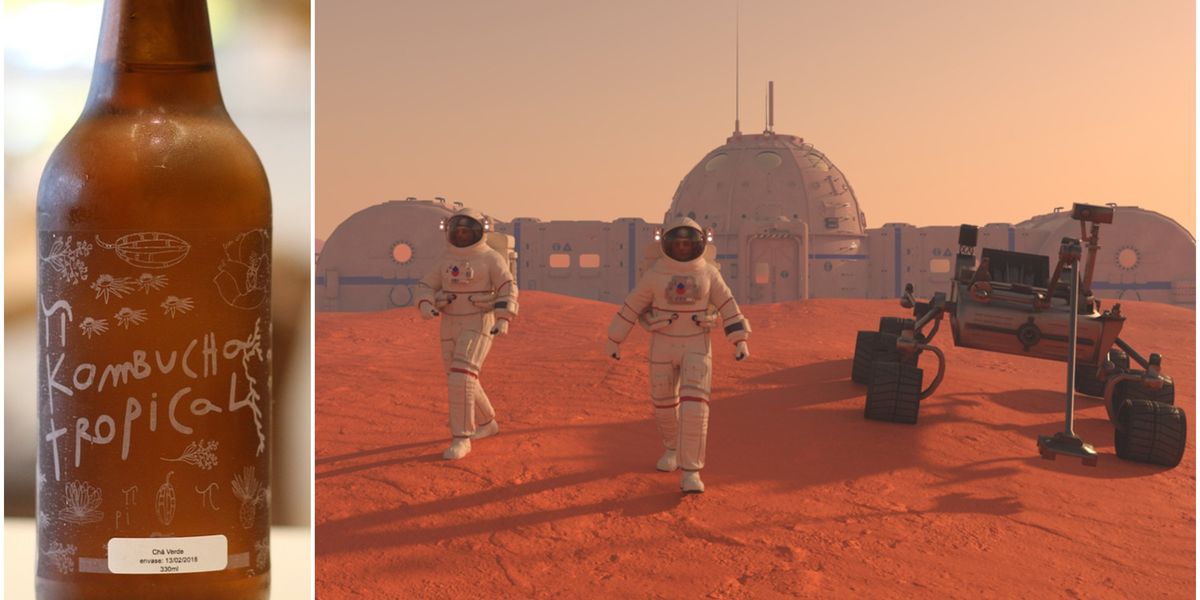
"Kombucha Breakthrough: Potential for Life on Mars Revealed"

Scientists at the European Space Agency (ESA) have been studying kombucha cultures to assess their resilience in space and have found that they hold great promise for supporting humans on the Moon and Mars. The multi-species mixes of bacteria and yeast in kombucha can form biofilms, which are able to withstand extreme temperatures and radiation. These biofilms could potentially be used to shield organisms during longer space journeys and could also generate oxygen, making them self-sustaining life support systems for space settlements. The study of these microorganisms could also help develop radiation-protection strategies for astronauts and prevent contamination between Earth and other planets.

science-and-technology2 years ago

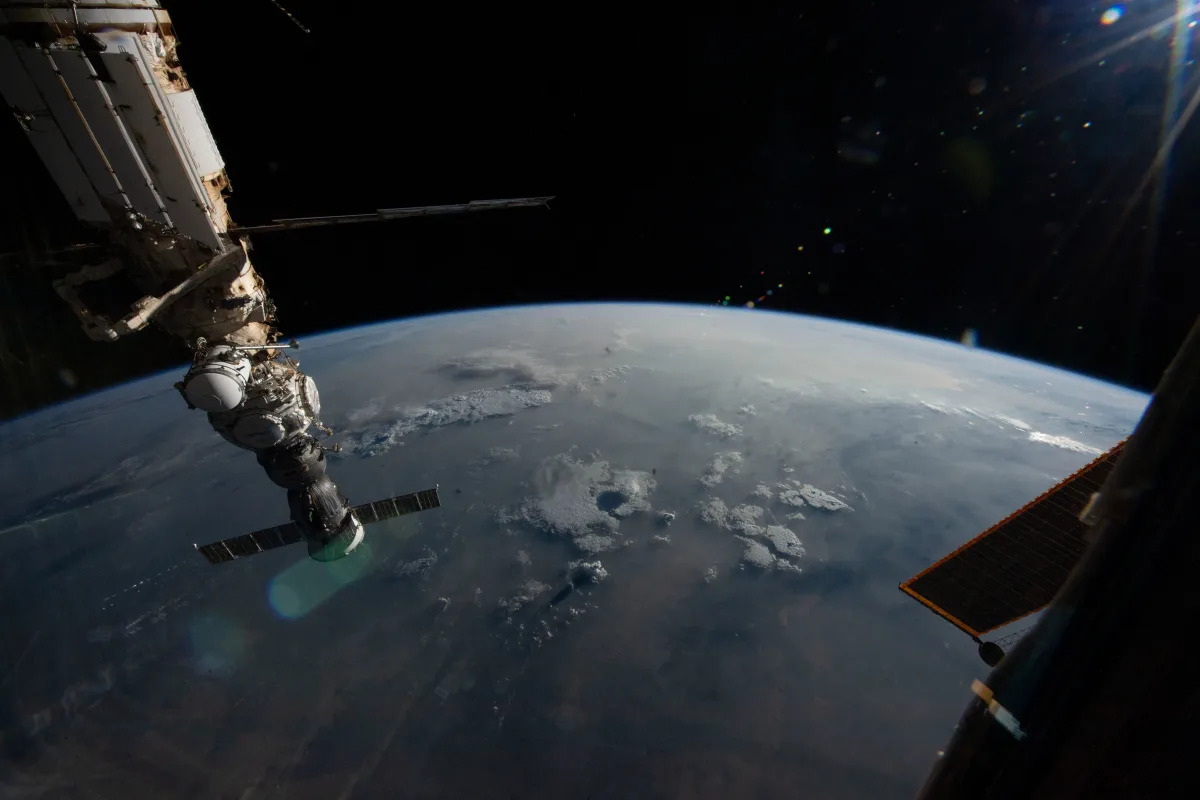
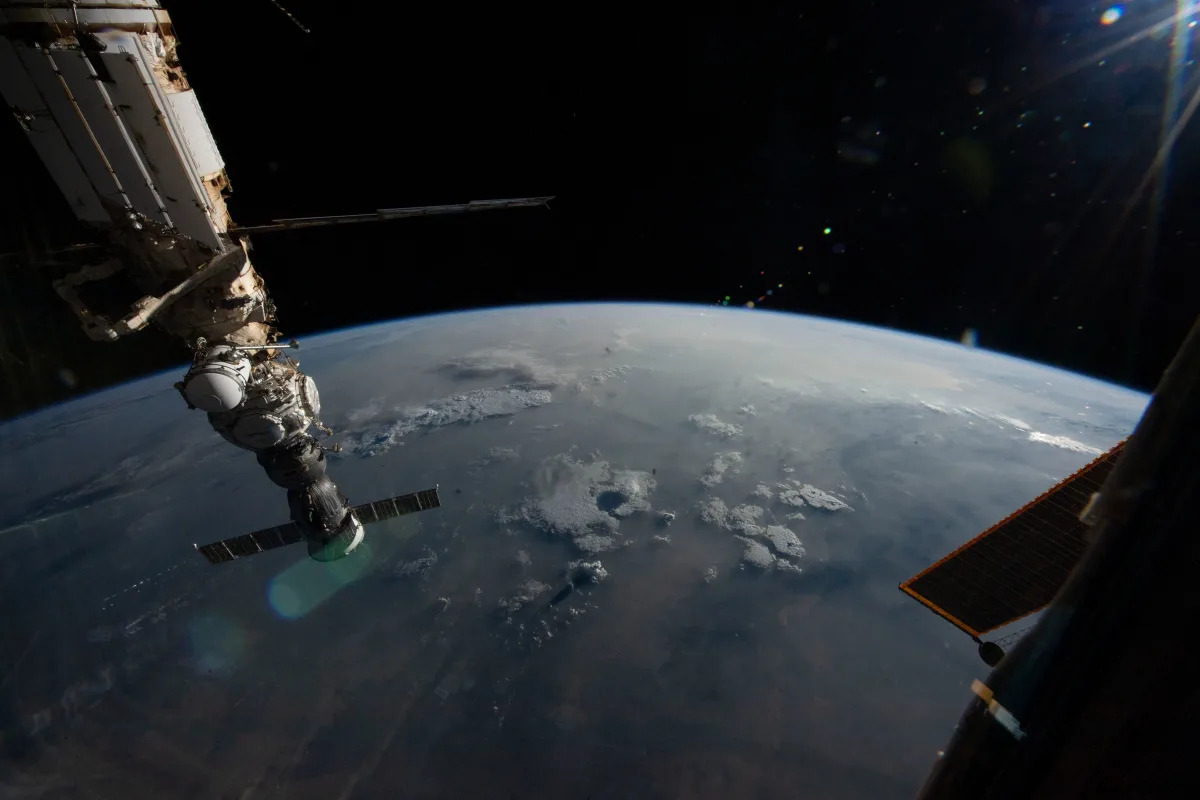
"Space-bound Microbes Pose Health Risks to Astronauts on the ISS"

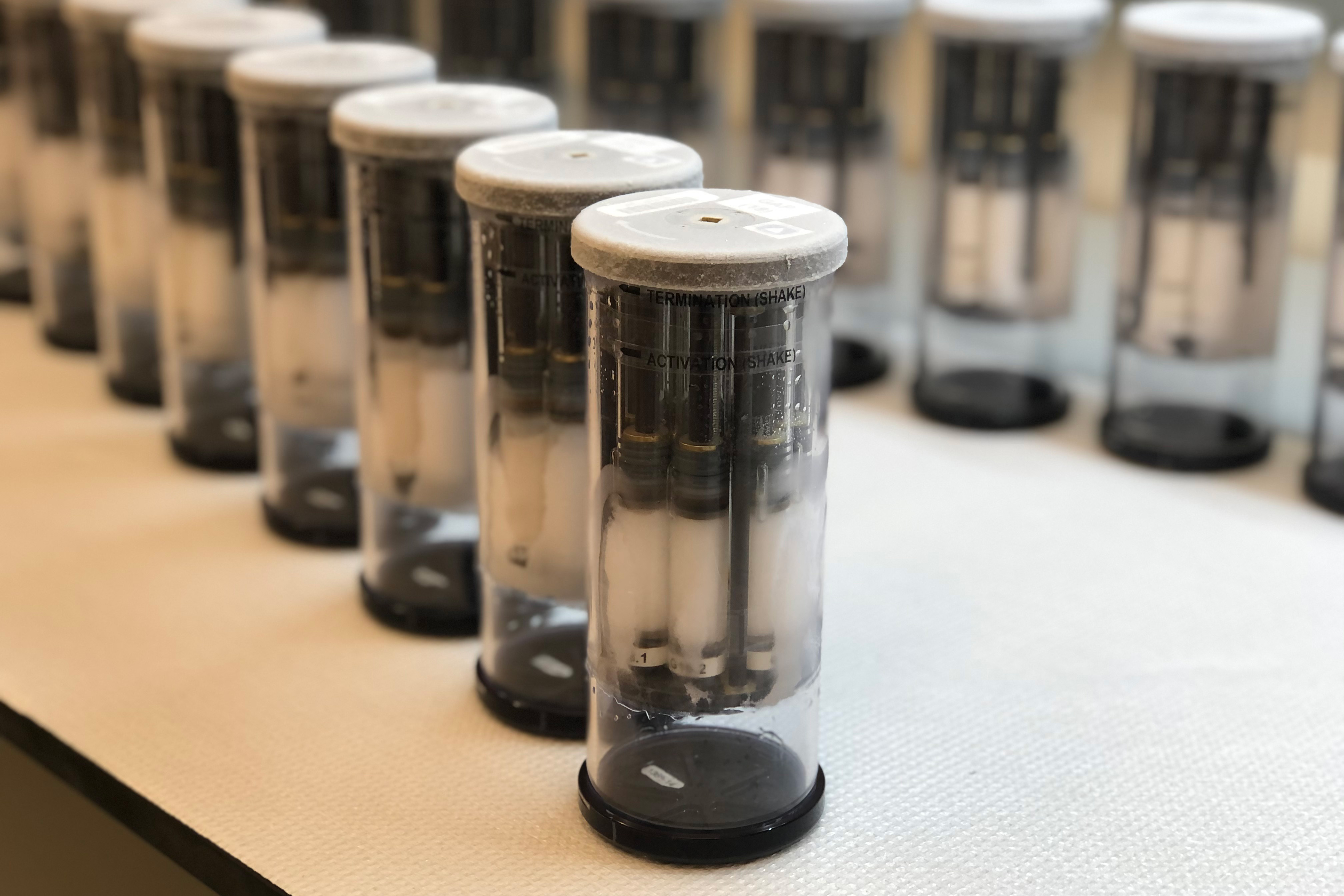
Microbes that hitchhike on astronauts and cargo flights to the International Space Station (ISS) can pose a risk to astronaut health and equipment. These microbes form biofilms, which protect them and allow them to evade the body's defense system. However, a surface treatment using a silicon-based lubricant has shown promise in preventing biofilm formation on ISS surfaces. This solution could be crucial for long-term space missions and also has potential applications in keeping medical devices clean and reducing microbe-driven corrosion on Earth.

science-and-technology2 years ago

"Breakthrough Discovery: Scientists Tackle ISS Fungus Issue"

Scientists from the University of Colorado, MIT, and NASA Ames Research Center have discovered a potential solution to the International Space Station's biofilm problem. By covering surfaces with a thin layer of nucleic acids, they were able to prevent bacterial growth and reduce microbial formation by 74% in terrestrial samples and 86% in space station samples. The nucleic acids carried a slight negative electric charge that prevented microbes from sticking to surfaces. However, longer-duration tests are recommended to determine the long-term effectiveness of this method.

science-and-technology2 years ago

"Breakthrough Discovery: Scientists Tackle ISS Fungus Issue"

Scientists from the University of Colorado, MIT, and NASA Ames Research Center have developed a method to prevent microbial growth and biofilm buildup on surfaces in the International Space Station (ISS). By covering surfaces with a thin layer of nucleic acids, the researchers found that bacterial growth was significantly reduced. The nucleic acids carried a negative electric charge that prevented microbes from sticking to surfaces. The study showed a reduction of about 74% in terrestrial samples and 86% in space station samples. However, longer-duration tests are recommended for future missions to assess the long-term effectiveness of this method.

health2 years ago

Breakthrough Discovery: Natural Molecule Eliminates Plaques and Cavities by 90%

Scientists have discovered that a naturally occurring molecule called DIM can reduce biofilms responsible for dental plaque and cavities by 90%. The molecule, also known as bisindole, disrupts the biofilm that coats teeth and prevents the growth of bacteria like Streptococcus mutans. Adding DIM to toothpaste and mouthwash could significantly improve dental hygiene. The molecule also has anti-carcinogenic properties. The research was conducted by scientists from Ben-Gurion University of the Negev, Sichuan University, and the National University of Singapore.

science-and-technology2 years ago

Biofilm Prevention in Space: Innovative Solutions and Promising Results

Scientists have discovered that a new surface treatment significantly reduces the growth of biofilms, which are mats of microbial or fungal growth that can cause clogs in water processing systems or potential illness in humans. The treatment involves using textured surfaces impregnated with a lubricant, which prevents the adhesion of microbes and the formation of biofilms. The experiment was conducted aboard the International Space Station and showed that the treated surfaces performed even better in space than on Earth. Preventing biofilms will be crucial for future long-duration space missions, and the findings may also have applications in addressing biofilm-related medical issues on Earth.

home-and-lifestyle2 years ago

The Importance of Cleaning Your Showerhead: Insights from a Dermatologist

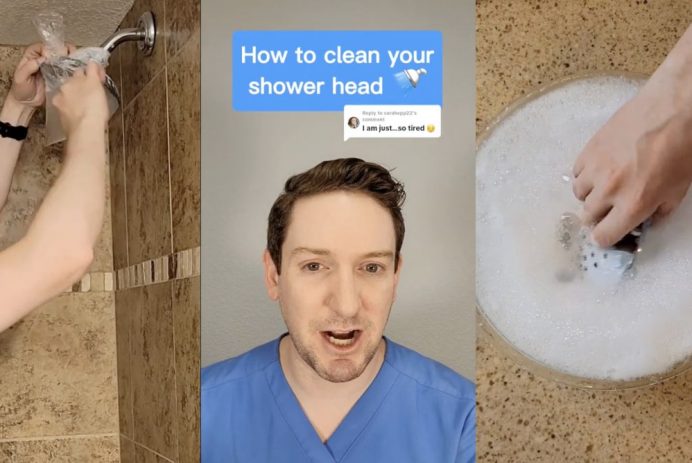
Dermatologist Scott Walker explains on TikTok the importance of cleaning your showerhead at least once a month due to the presence of biofilms, bacterial colonies that can enter the air and potentially affect your skin and lungs. He demonstrates two methods for cleaning the showerhead, including soaking it in vinegar or using a plastic bag tied around the sprayer. Cleaning the showerhead not only sanitizes it but also restores water pressure by removing calcium build-up.

health2 years ago

The Hidden Bathroom Hazards: Cleaning Tips from a Dermatologist

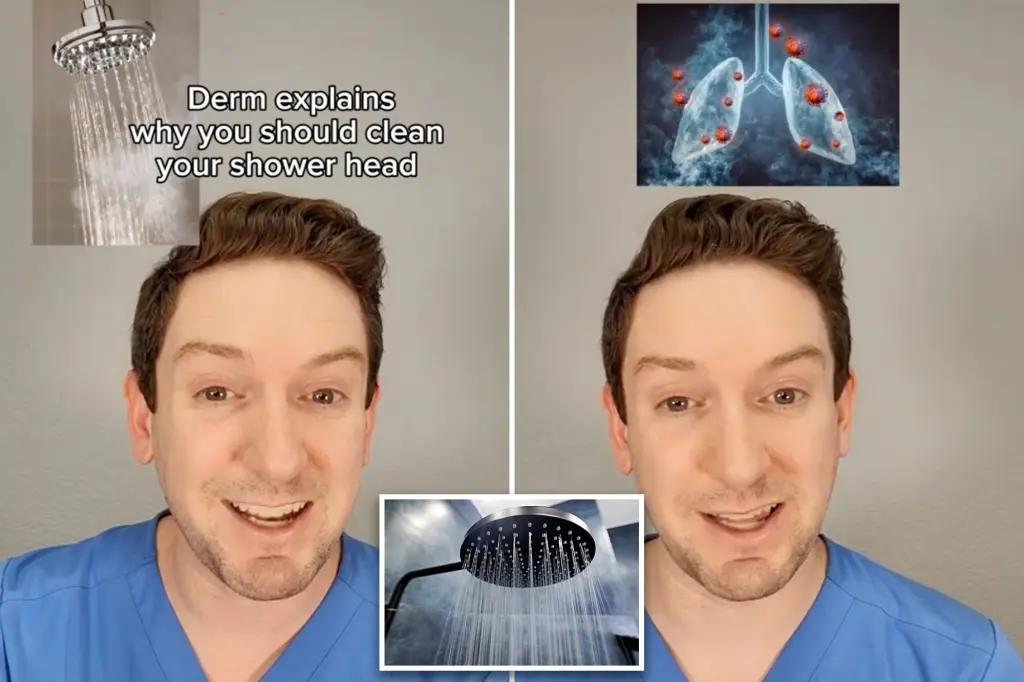
Dr. Scott Walter, a dermatologist, warns that unclean shower heads can harbor biofilms, which are bacterial colonies that can cause skin conditions and respiratory issues. These biofilms cannot be removed with gentle rinsing and can be aerosolized during showers, potentially affecting the lungs and skin. Immune-compromised individuals should be particularly cautious. Walter recommends cleaning shower heads regularly with white vinegar to eliminate bacteria. The revelation has shocked many TikTok users, who now have another item to add to their cleaning routine.

science-and-environment2 years ago

Microbes reshape oil droplets for efficient biodegradation

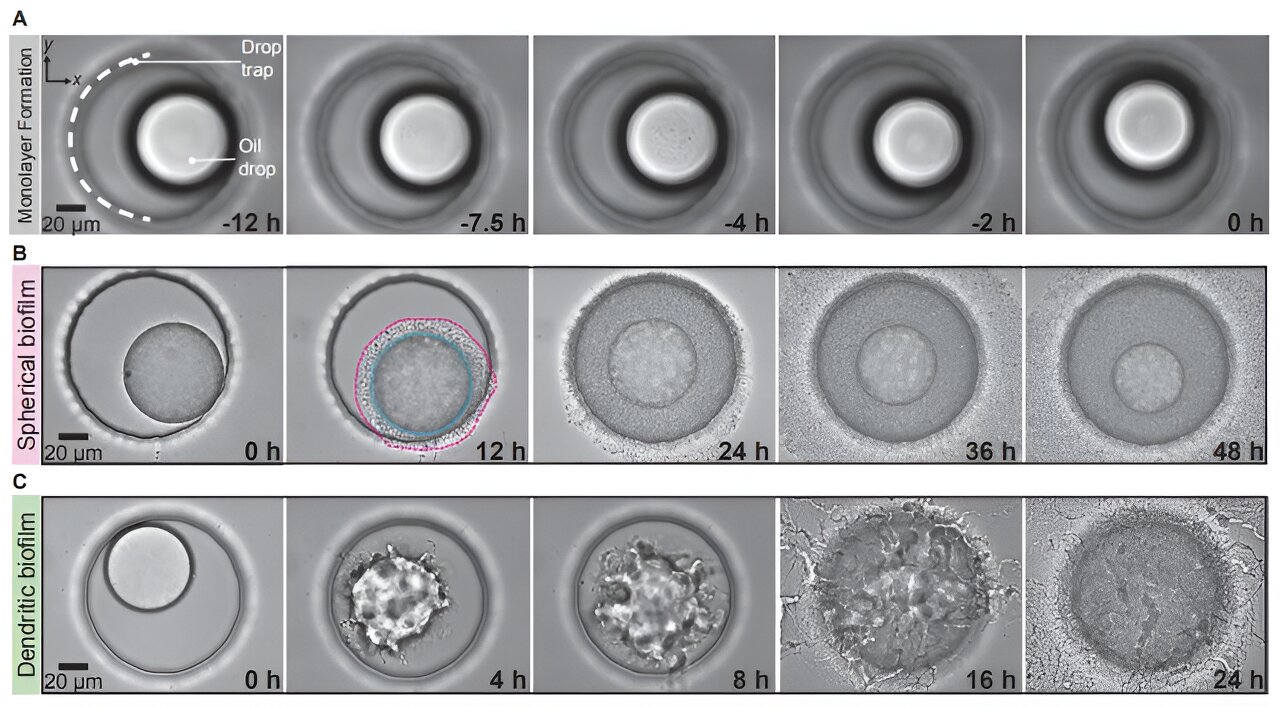
A team of French and Japanese scientists have discovered that a type of oil-eating microbe, Alcanivorax borkumensis, reshapes droplets to optimize biodegradation. The researchers observed that when exposed to crude oil, the bacteria formed biofilms around the oil droplets. In one experiment, the bacteria formed a sphere around the droplet, while in another, finger-like protrusions radiated out from the sphere, resulting in faster and more efficient consumption of the droplet. The protrusions increased the oil surface area exposure, allowing more bacteria to consume the oil simultaneously. This finding provides insights into the process of crude oil consumption by sea microbes and could contribute to the development of more effective oil spill cleanup strategies.

health2 years ago

Uncovering a Novel Culprit in Tooth Decay.

Researchers have identified a new contributor to tooth decay, a bacteria called Selenomonas sputigena, which helps another bacteria, Streptococcus mutans, to form biofilms and produce damaging acid. Disrupting the interaction between these two bacteria may be a new strategy for preventing dental cavities. The study also found that three other bacterial species, Prevotella salivae, Leptotrichia wadei, and S. mutans, were more abundant among children with cavities.

health2 years ago

The Emergence of Antibiotic Tolerance: A Hidden Threat to Address.

Antibiotic tolerance is a covert threat that researchers have only recently begun to explore. Tolerant bacteria often exist in a dormant state, neither growing nor dying but putting up with the antibiotic until they can "reawaken" once the stress is gone. Researchers are calling for more research into antibiotic tolerance with the hope that it will lead to more robust treatments in both infectious diseases and cancers. Vibrio cholerae is rapidly evolving resistance against various types of antibiotics, and doctors are concerned.