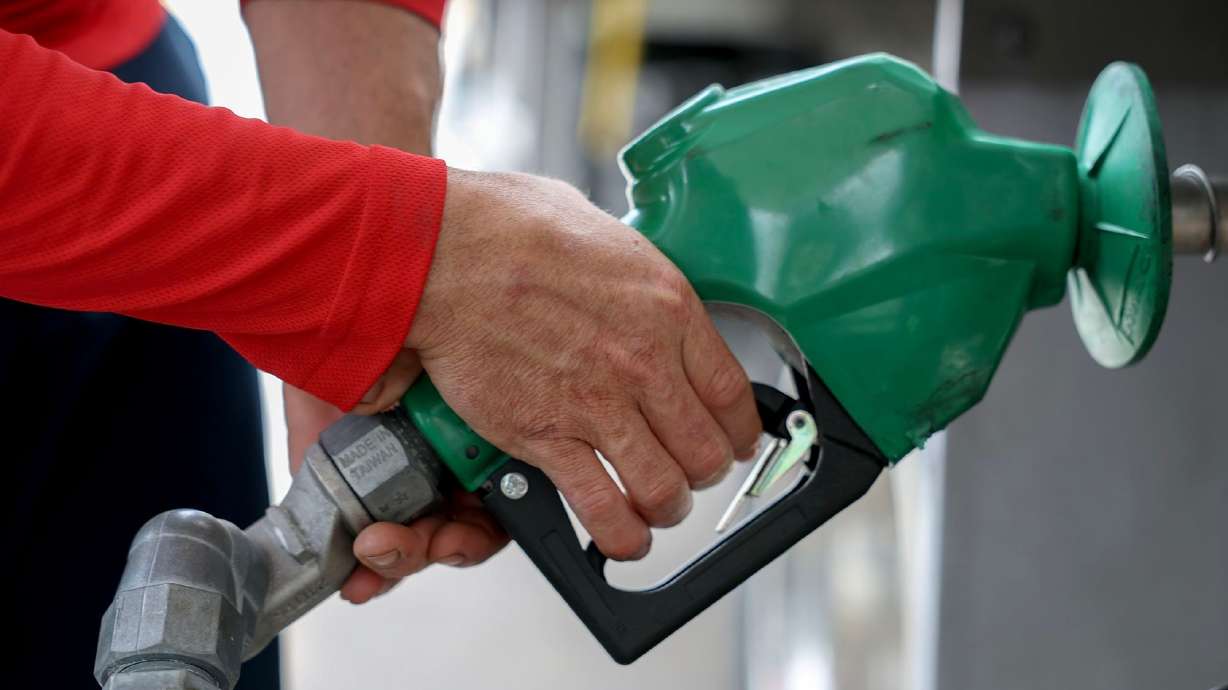
Gasoline prices haven't dropped significantly despite falling oil futures, due to only modest recent price increases and ongoing seasonal demand, but prices may decline further as global supply remains strong and demand wanes later in the year.
Gasoline prices have not dropped significantly despite a decline in oil futures, due to only a modest increase in pump prices and ongoing seasonal demand. Experts suggest prices may decline slightly in the coming days, but overall, strong US refining capacity and global oil supply glut could lead to sharper decreases later in the year, especially after peak summer demand.
Trump is urging to keep oil prices low and emphasizes the importance of drilling, indicating a focus on protecting US oil exports and avoiding high crude prices that could lead to conflict with Iran. The article suggests US oil production will remain flat this year, and highlights Trump's influence on energy policy and market perceptions.
Global stocks declined and oil futures increased amid reports that the US may launch a military strike against Iran soon, with some officials preparing for a possible weekend attack, though President Trump has not made a decision.
US stocks rose despite Tesla's downbeat earnings, with the Dow Jones Industrial Average and S&P 500 reaching record highs following a stronger-than-expected US economic growth reading of 3.3% in the fourth quarter. Tesla's shares dropped 8% after warning of slower EV production growth. Airline stocks rose after FAA clearance for Boeing 737 Max 9 planes to return to service, and oil futures rallied following the US economic growth print, with West Texas Intermediate crossing $76 a barrel.
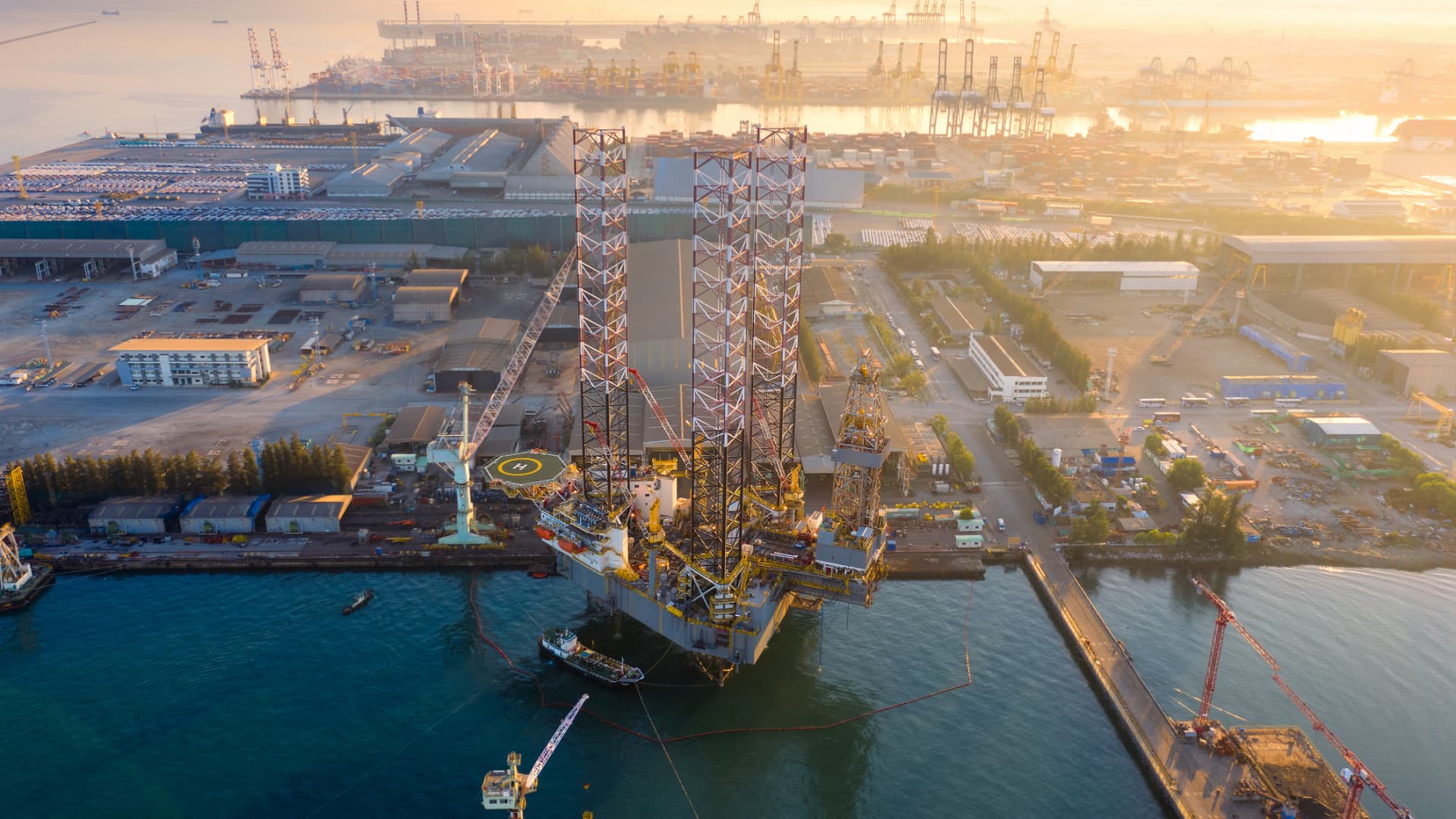
Oil futures dropped nearly 4% to settle at their lowest level since June, as concerns over oil demand and rising production from non-OPEC countries weighed on prices. U.S. inflation data showed a slight climb in November, but analysts believe it is unlikely to lead to a Federal Reserve interest-rate cut. The decline in oil prices was also influenced by excess supply, slowing demand, and tensions in the Middle East. Additionally, the Energy Information Administration forecasted that solar and wind power generation will surpass coal next year.
Oil futures rose by about 1% to reach a one-week high due to soaring U.S. diesel prices, a decrease in the number of oil rigs, and a fire at a refinery in Louisiana. Brent crude futures settled at $84.48 a barrel, while U.S. West Texas Intermediate (WTI) crude settled at $79.83. Diesel futures also surged to a near seven-month high, leading to an increase in the diesel crack spread. Weak economic data and a stronger dollar limited the gains. Despite concerns about economic growth and inflation, analysts expect crude prices to remain supported around $80 per barrel.
Saudi Arabia's Energy Minister, Prince Abdulaziz bin Salman, has warned traders against shorting oil futures ahead of the OPEC+ panel on production policy meeting on June 4. The OPEC+ cuts announced in April caught speculators by surprise and threw short sellers under the bus. The most recent positioning data shows traders continue to be bearish on crude and continue to dump bullish bets. However, the Saudi energy minister warned traders against shorting oil, saying "Watch out!"
Stock futures were mixed in pre-market trading as investors assessed the final batch of corporate earnings for the week. Futures tied to the S&P 500 fell 0.19%, while futures on the Dow Jones Industrial Average dropped 31 points, or 0.09%. Futures on the Nasdaq Composite were down 0.37%. Procter & Gamble raised its forecast for 2023 organic sales growth to 6%, up from a prior guidance of 4% to 5%. Oil futures steadied with Brent Crude prices sitting just over $81 a barrel. Cleveland Fed President Loretta Mester said interest rates need to raise above 5% given stubborn inflation.
Asia-Pacific markets rose as investors digested manufacturing data and oil futures surged up to 8% after OPEC+ members agreed to cut more than 1 million barrels per day through the end of 2023. Private surveys on manufacturing from China, India, and South Korea are expected to be published. Meanwhile, the Hang Seng index looks to trade lower. US stocks rose after the Federal Reserve's preferred inflation gauge showed a cooler-than-expected increase in prices. Japan's manufacturing purchasing managers index has risen to 49.2% for March, higher than February's figure of 47.7%.
Nasdaq 100 futures slipped 0.31% on Sunday evening ahead of the first trading day of Q2, while S&P 500 futures slid 0.08%. The first week of the new quarter is a shortened one for Wall Street, with several key pieces of economic data for investors. Oil futures rose sharply on Sunday evening after Saudi Arabia and other OPEC+ members announced surprise oil production cuts. Sports entertainment company WWE is near a deal to merge with Endeavor, valuing WWE at more than $9 billion.
U.S. stocks are expected to open lower on Monday as crude futures surged following OPEC's surprise output cut. Dow Jones Industrial Average futures slipped 8 points, or 0.02%, while the S&P 500 futures lost 0.3%, and Nasdaq Composite futures lost 0.5%.