
Beirut grinds to a halt as cabinet approves fuel tax hike
Protesters blocked roads in Beirut after Lebanon's cabinet approved new taxes that would raise fuel prices, triggering demonstrations in the capital.

All articles tagged with #fuel prices
Protesters blocked roads in Beirut after Lebanon's cabinet approved new taxes that would raise fuel prices, triggering demonstrations in the capital.
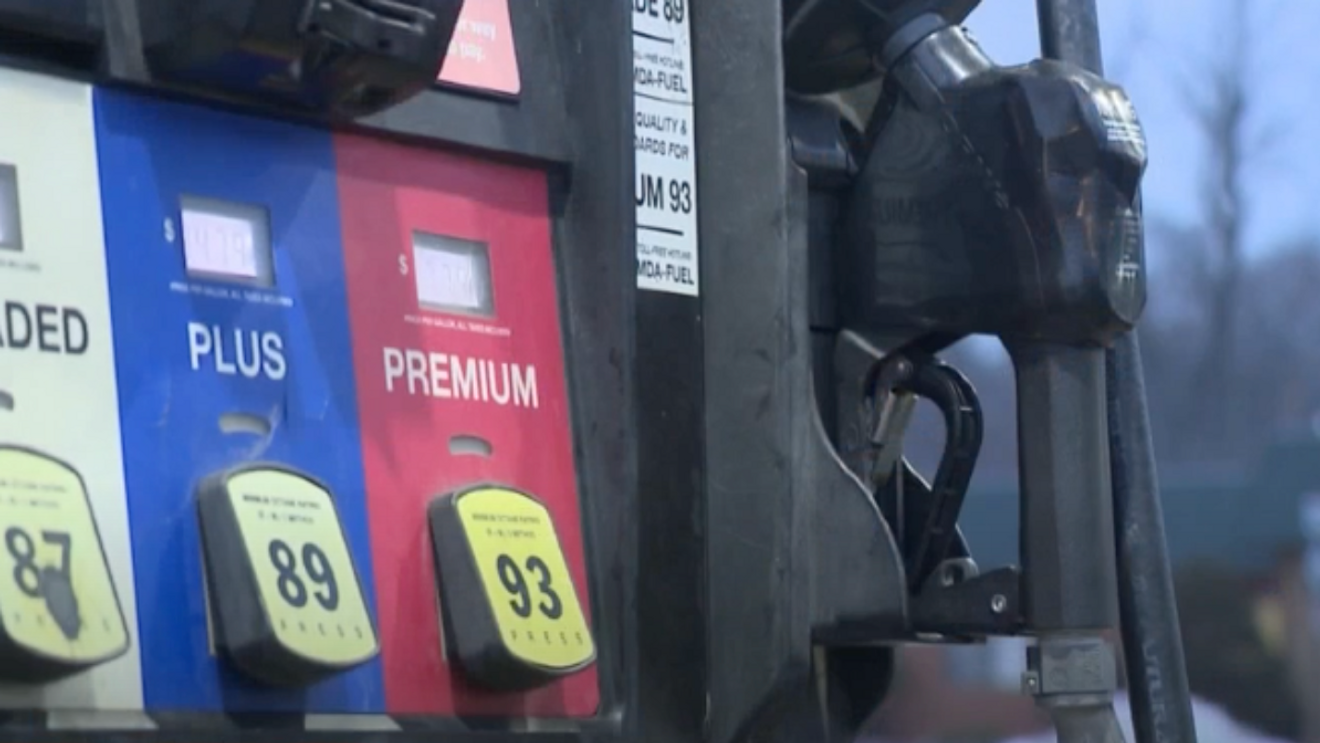
Starting January 1, Michigan eliminates the sales tax on gasoline but increases the flat gas tax to 52.4 cents per gallon, which will grow with inflation, leading to an average increase of $27 annually for drivers, amid generally lower gas prices and higher registration surcharges for electric and hybrid vehicles.

Russia is experiencing severe gas shortages and rising fuel prices, with black market prices reaching up to $9 per gallon, due to Ukrainian drone strikes damaging key oil refineries, which are increasingly difficult to repair and protect amid ongoing conflict.
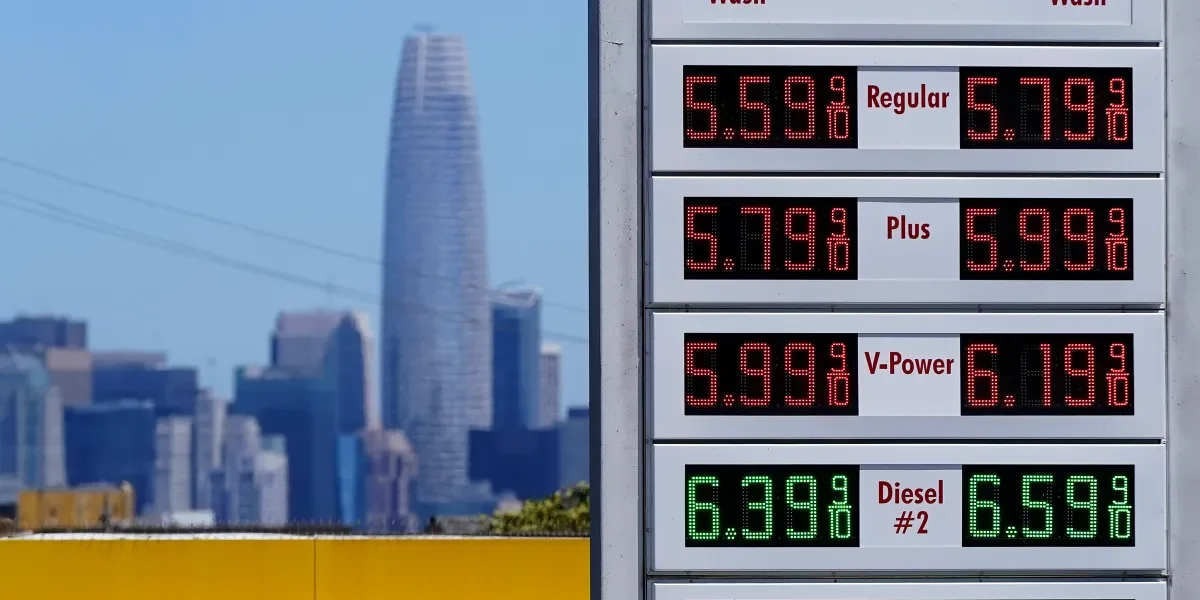
California regulators have halted plans to enforce penalties on oil companies for excessive profits until 2030, amid refinery closures and concerns over fuel supply stability, marking a shift in the state's approach to regulating the oil industry and addressing climate goals.
Russian fuel prices have surged to near all-time highs following Ukrainian attacks on key refineries, combined with seasonal demand, refinery repairs, and disruptions in air and rail travel, despite Russia's ban on fuel exports.
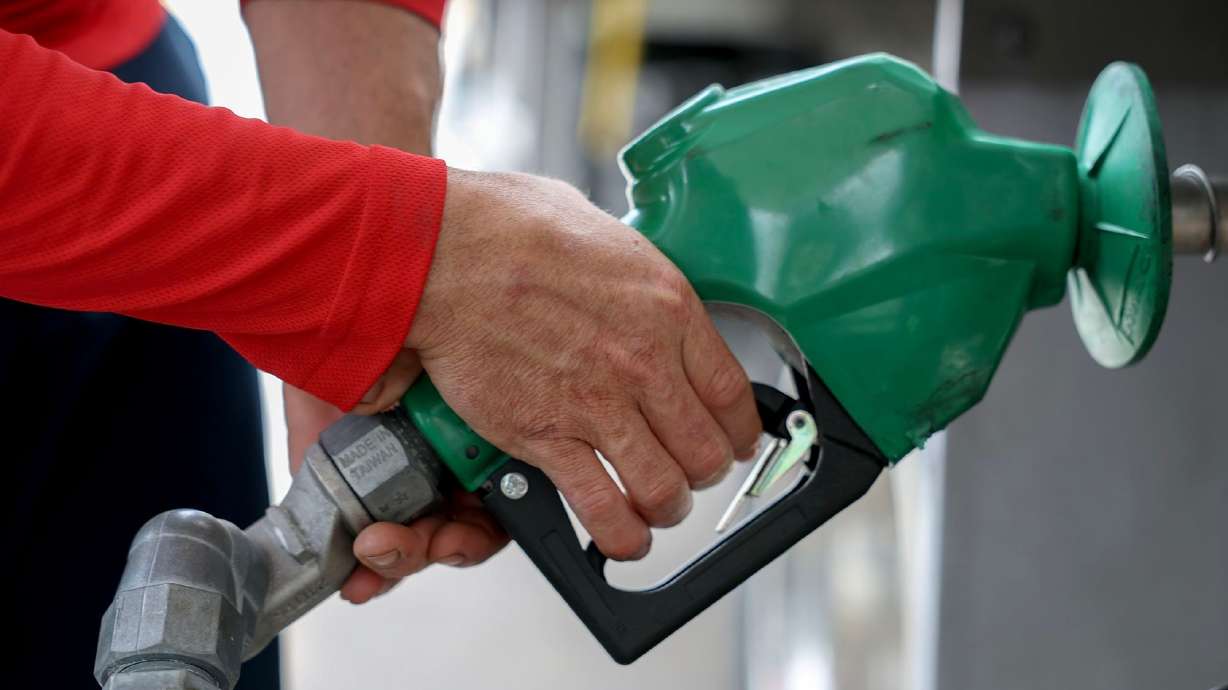
Gasoline prices haven't dropped significantly despite falling oil futures, due to only modest recent price increases and ongoing seasonal demand, but prices may decline further as global supply remains strong and demand wanes later in the year.
Gasoline prices have not dropped significantly despite a decline in oil futures, due to only a modest increase in pump prices and ongoing seasonal demand. Experts suggest prices may decline slightly in the coming days, but overall, strong US refining capacity and global oil supply glut could lead to sharper decreases later in the year, especially after peak summer demand.
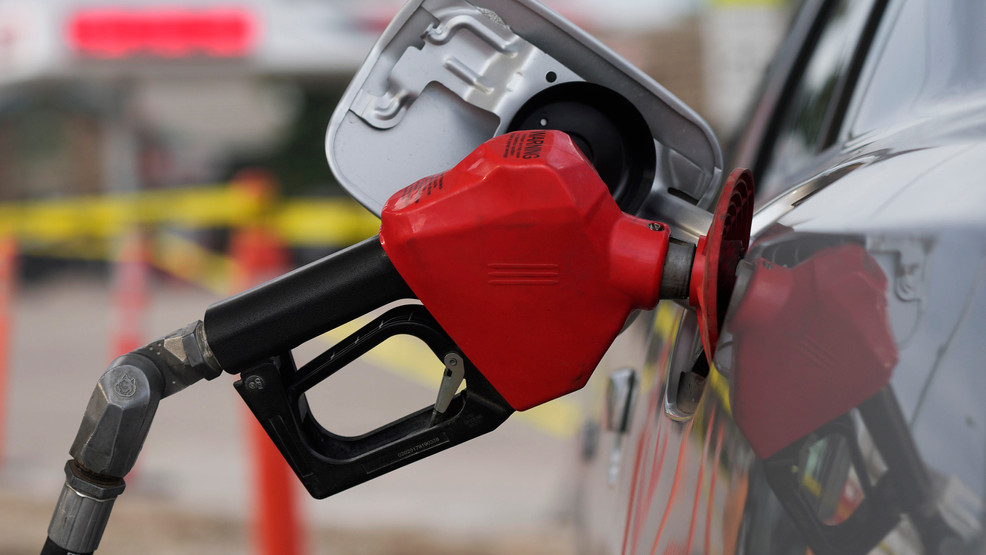
Florida's gas prices have surged to a record high of $3.62 per gallon after a brief dip last week, with West Palm Beach being the most expensive metro market at $3.77 per gallon. The increase is attributed to gains in the futures market, seasonal maintenance at refineries, the introduction of more expensive summer gasoline, and geopolitical tensions affecting global demand. Despite the rise, the current average is still lower than last year's springtime peak.

Russia has ordered a six-month ban on petrol exports starting from March 1, in an effort to avert shortages and spiking prices on the domestic market amid rising local demand. The ban will not apply to member states of the Eurasian Economic Union and is expected to create space for the maintenance and repair of refineries, some of which have suffered attacks in recent months amid the war in Ukraine. This move comes as Russia is already voluntarily cutting its oil and fuel exports by 500,000 barrels per day in the first quarter as part of OPEC+ efforts to support prices.

The CEO of Uber Freight, Lior Ron, believes that the shipping recession is reaching a new tipping point due to increasing fuel prices. Carriers are reportedly giving back lanes after bids, indicating their inability to afford certain shipping routes. Shippers are being more selective in their carrier mix, opting for stable and reliable options. The freight industry has been hit hard by bankruptcies and diminished rates, with global shipping container rates dropping by over half compared to last year. Uber Freight is focusing on sustainability measures, using data analytics and AI to eliminate empty miles and streamline freight transit. The company aims to achieve 80% clean transportation across global brokerage shipments by 2040 and is investing in autonomous trucking partnerships to help achieve this goal. Despite the challenges, carriers and shippers are preparing for a holiday season upswing.
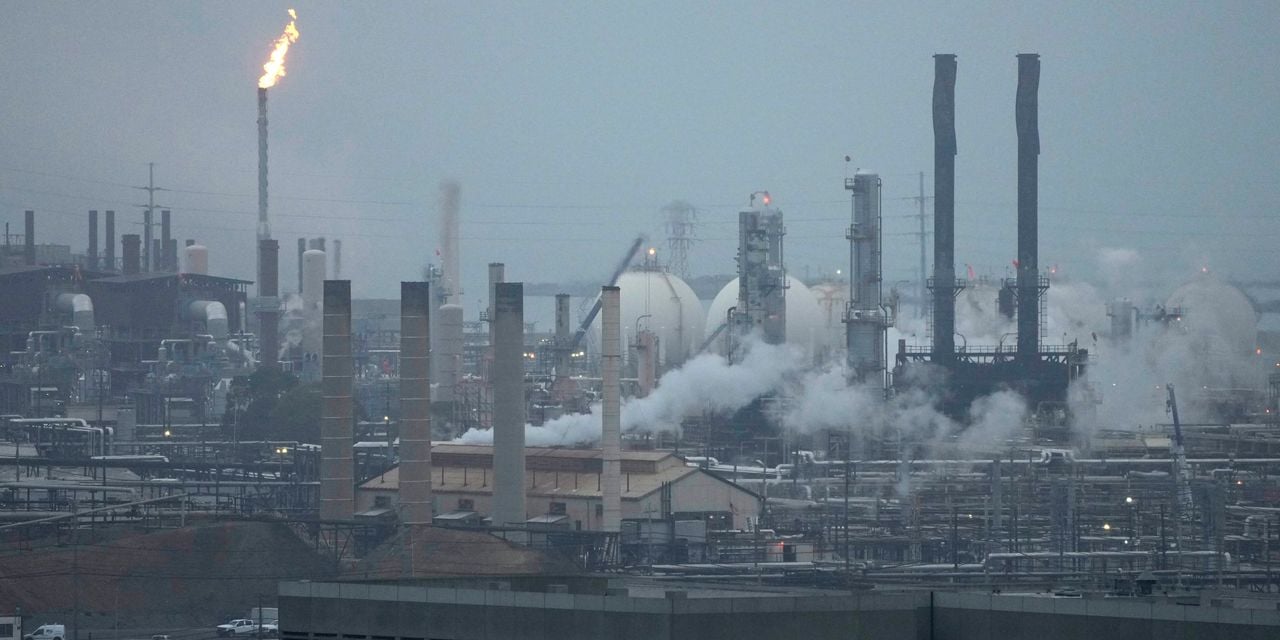
Exxon Mobil and Chevron reported a combined $15.6 billion in profits, with Exxon's earnings rising 15% and Chevron's increasing by 8.5% in the third quarter, driven by higher oil and fuel prices. Exxon's quarterly earnings of $9.1 billion were lower than last year's record but still marked a significant increase from the previous quarter, as margins for making fuel widened and oil refineries produced at their highest level since 1999.

American Airlines reported a third-quarter loss and lowered its profit forecast for the year due to higher fuel prices. The company expects to earn between $2.25 and $2.50 per share for the year, down from a previous estimate of $3 to $3.75. The adjusted operating margin is now projected to be 7%, compared to the previous forecast of 10%. Despite a resurgence in travel, fares have dropped, impacting revenue. American Airlines anticipates a unit revenue decline in the fourth quarter, while unit costs are expected to rise. The company reported a loss of $545 million for the third quarter, its first loss since Q1 2022.

United Airlines expects its profits to be impacted by higher fuel prices and the suspension of flights to Tel Aviv during the Israel-Hamas conflict. The airline estimates adjusted earnings of $1.50 to $1.80 per share for the current quarter, below analysts' forecasts. United's fourth-quarter revenue is projected to rise between 9% and 10.5% year over year, depending on the duration of the flight suspension. However, costs, excluding fuel, are expected to increase between 3.5% and 5%. The airline's shares dropped around 4% in after-hours trading following the announcement.
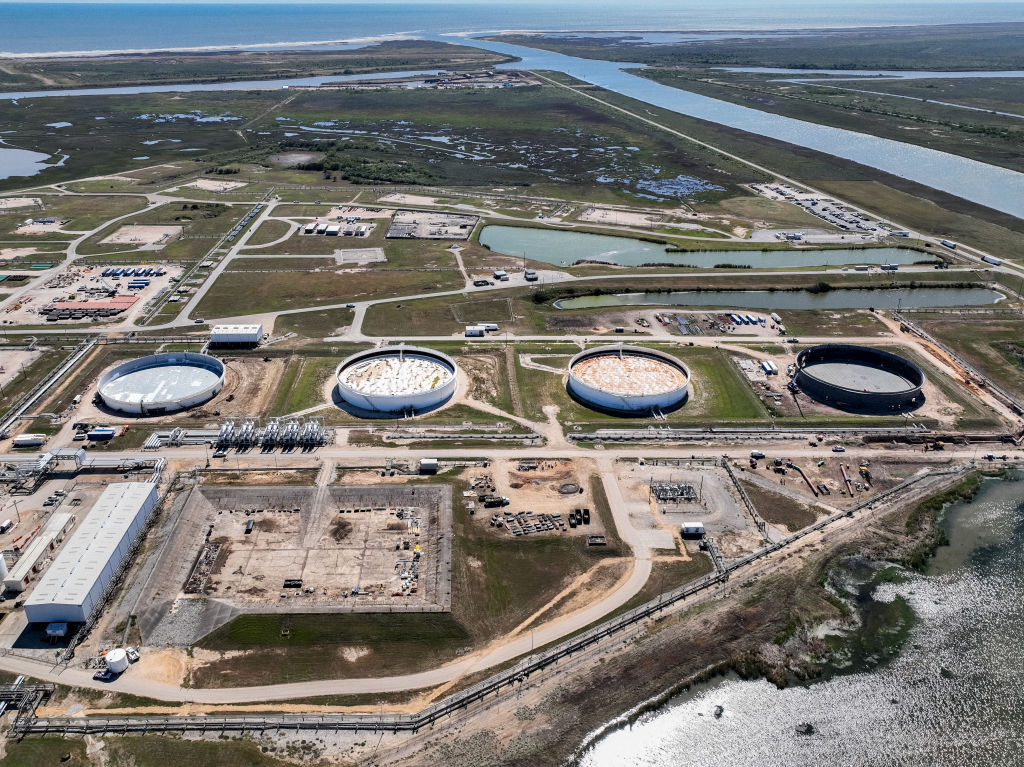
President Biden's administration sold off over 40% of the Strategic Petroleum Reserve last year, leaving it at its lowest levels since the 1980s. Republicans argue that this has made the US vulnerable to disruptions in global oil supplies, particularly amid fears of a wider regional war in the Middle East. However, the administration maintains that the reserve still holds ample crude to protect the nation's strategic needs and offer a cushion against price shocks. While some conservatives have called for abolishing the reserve, analysts warn that its diminished volumes limit Biden's options to respond to future oil market shocks.
U.S. import prices rose 0.1% in September, much weaker than the expected 0.5% gain. Excluding fuel, import prices were down 0.2% for the second consecutive month. The cost of energy, particularly petroleum and natural gas, increased 4.4% in September, impacting inflation trends. The Federal Reserve will closely monitor these developments to assess inflationary trends and determine if further action is needed. Stock markets were set to open higher, while the 10-year Treasury yield dropped 10 basis points to 4.60% in early trading.